Dumbarton Rock and Castle — History & Analysis
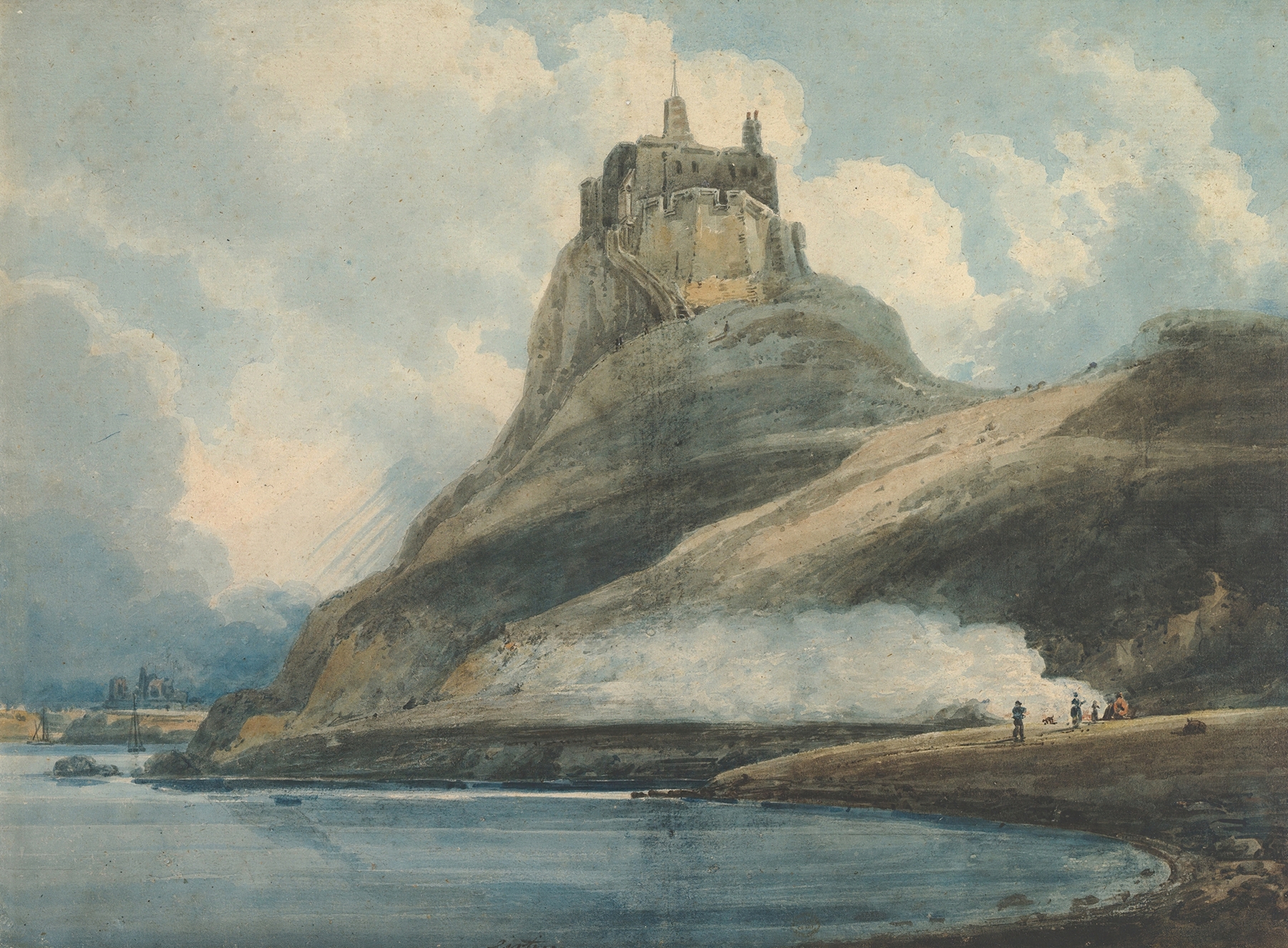
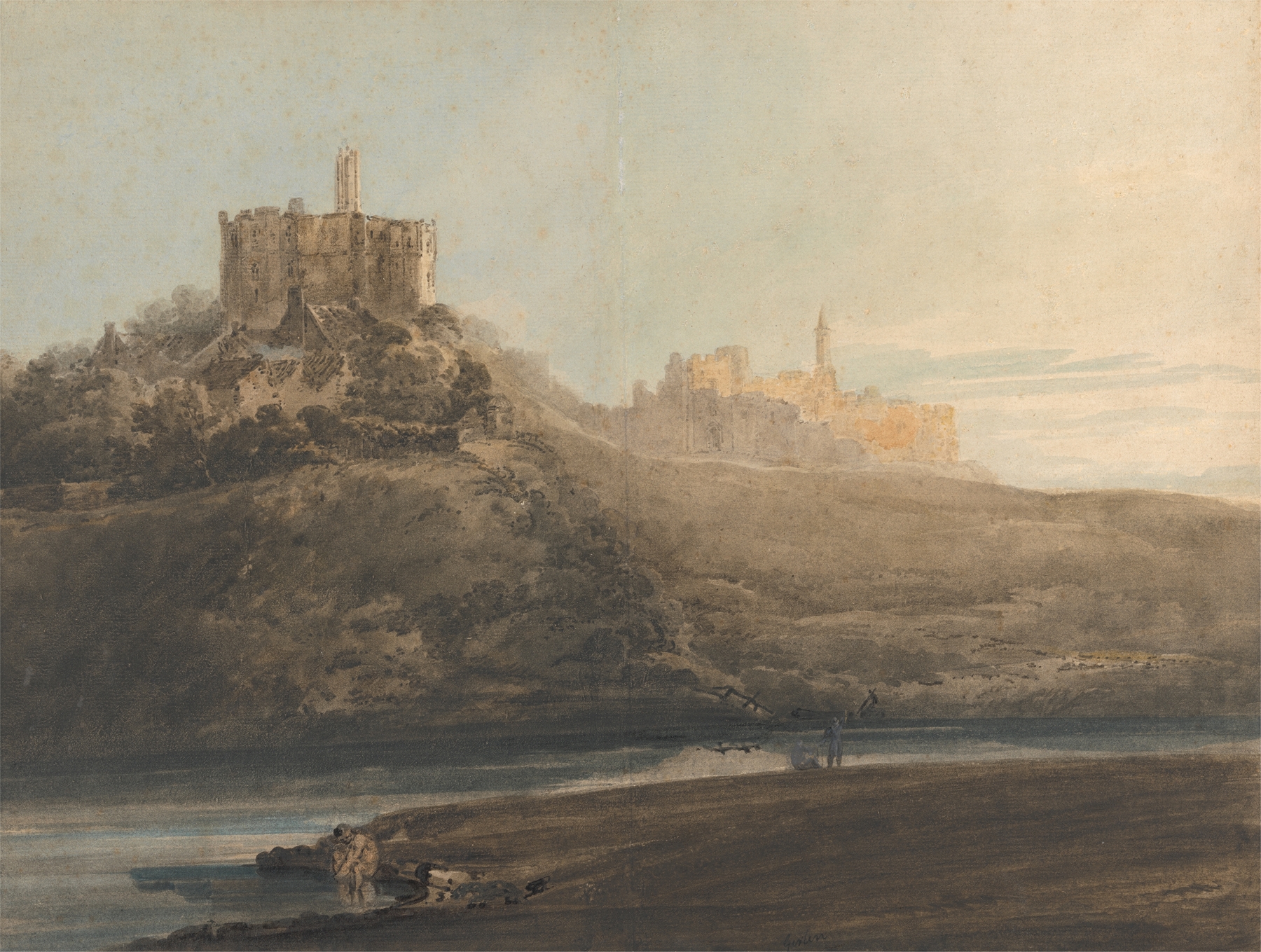
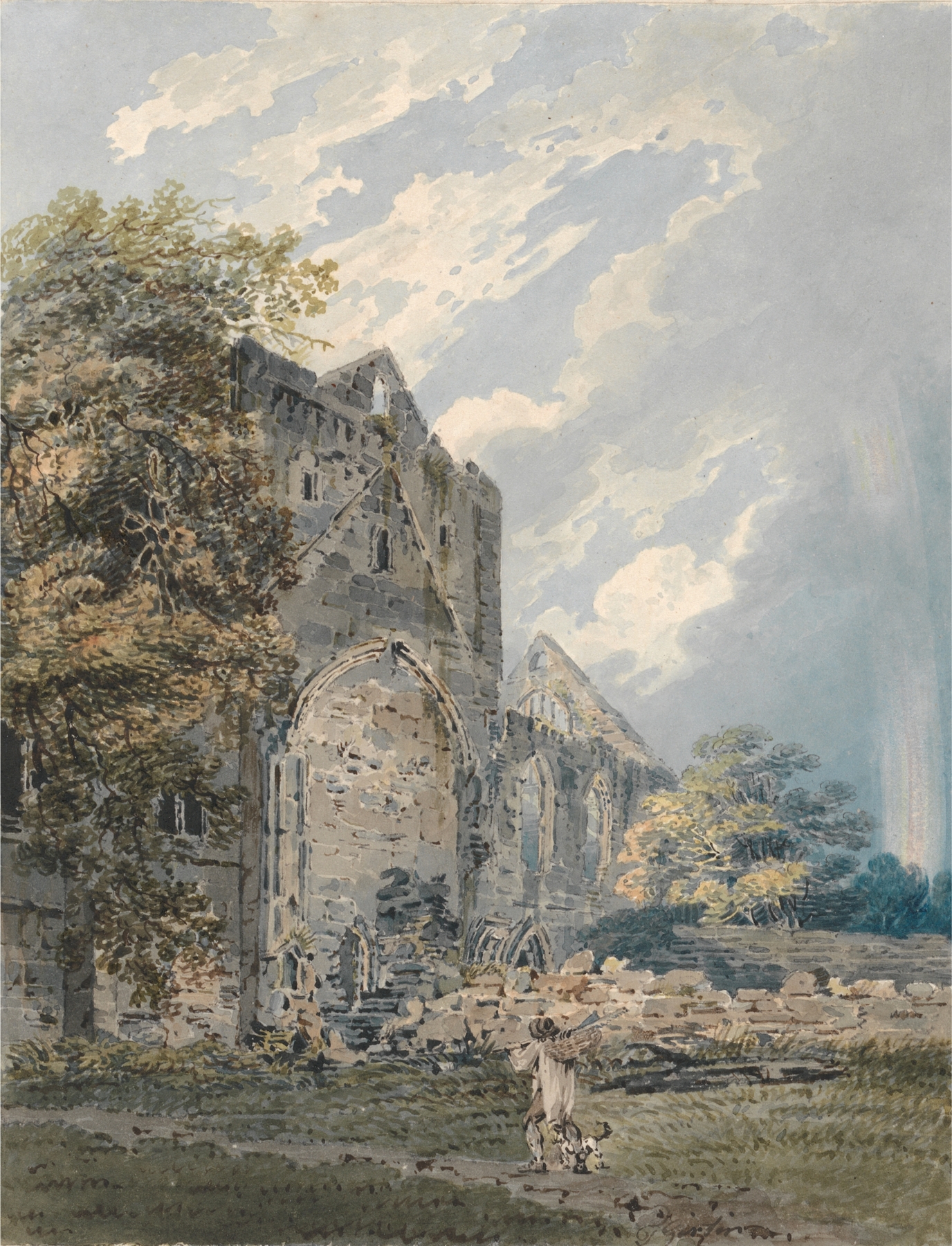
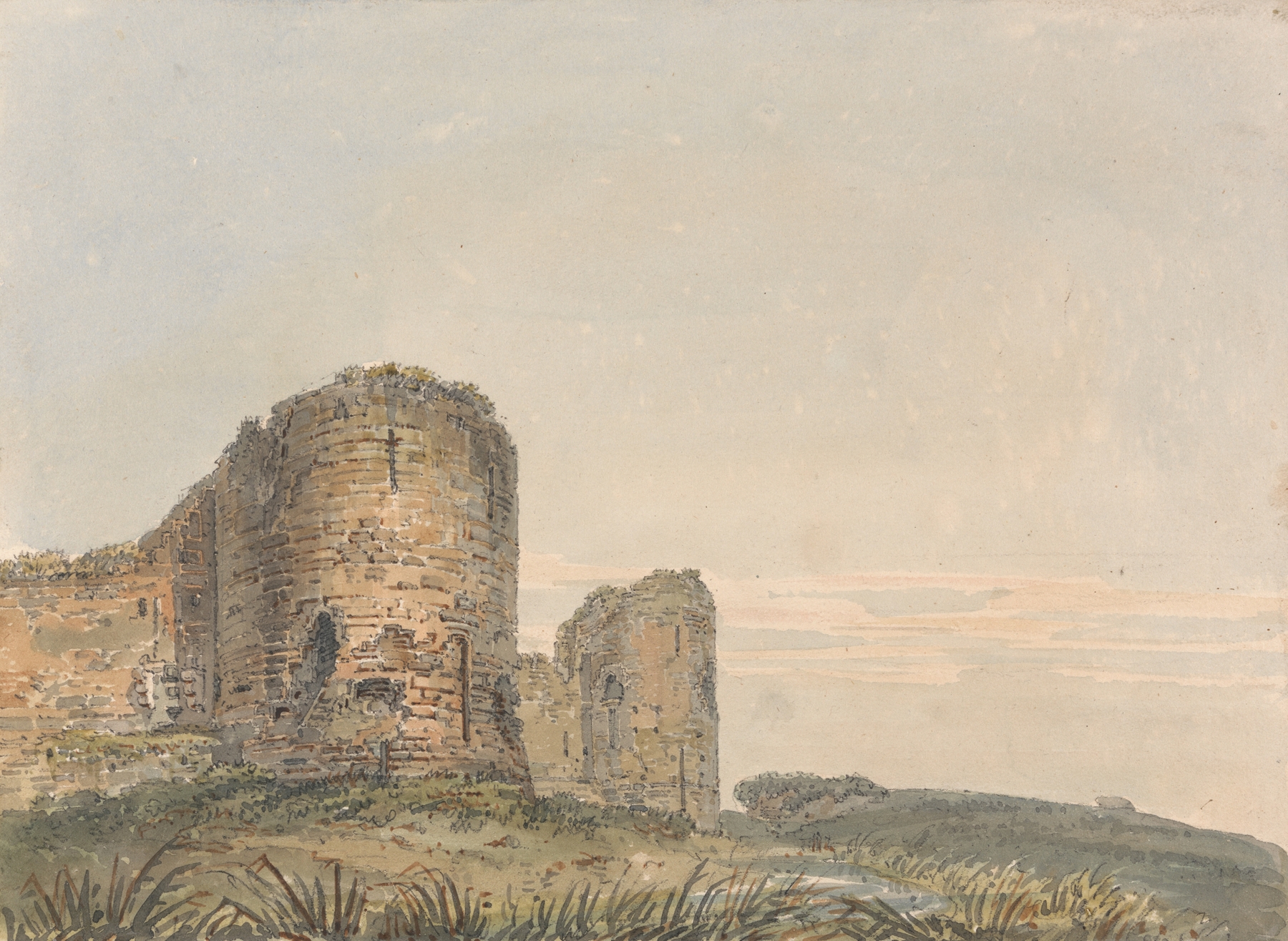
“The canvas doesn’t lie — it simply waits.” In a tranquil moment captured in time, a landscape unfurls, inviting us into a delicate reverie. Here, the marriage of land and sky inspires a dreamlike atmosphere, where reality softly blurs with imagination. Look to the center of the composition, where the formidable outline of Dumbarton Castle perches on its craggy rock, a sentinel against a sweeping backdrop of gentle hills. The watercolor technique breathes life into the scene, with soft washes of blue and green blending harmoniously, while the castle’s stone façade emerges with subtle grays and browns.
Notice how the light dapples across the surface, creating a mesmerizing interplay of shadow and luminosity that captivates the viewer’s gaze, gently guiding it from the fortress to the horizon. Hidden beneath the serene layers of color lies a tension between permanence and transience. The enduring presence of the castle contrasts poignantly with the ephemeral quality of the watercolor medium, evoking a metaphor for the fleeting nature of dreams. Elements of mist hovering over the water reflect both the beauty and uncertainty of memory, drawing a line between the tangible and the intangible.
In this interplay, Girtin invites us to ponder what lies beyond the visible, igniting a sense of wonder and contemplation. In 1793, while living in London, Thomas Girtin painted this work amid a burgeoning Romantic movement that valued emotion and nature. His innovative approach to watercolor was gaining recognition, pushing the boundaries of the medium beyond mere representation. During this time, the world was shifting, and Girtin’s landscapes began to echo a deep sense of longing for both the sublime and the elusive essence of human experience.