Carlisle Cathedral, Cumberland, from the South-west — History & Analysis
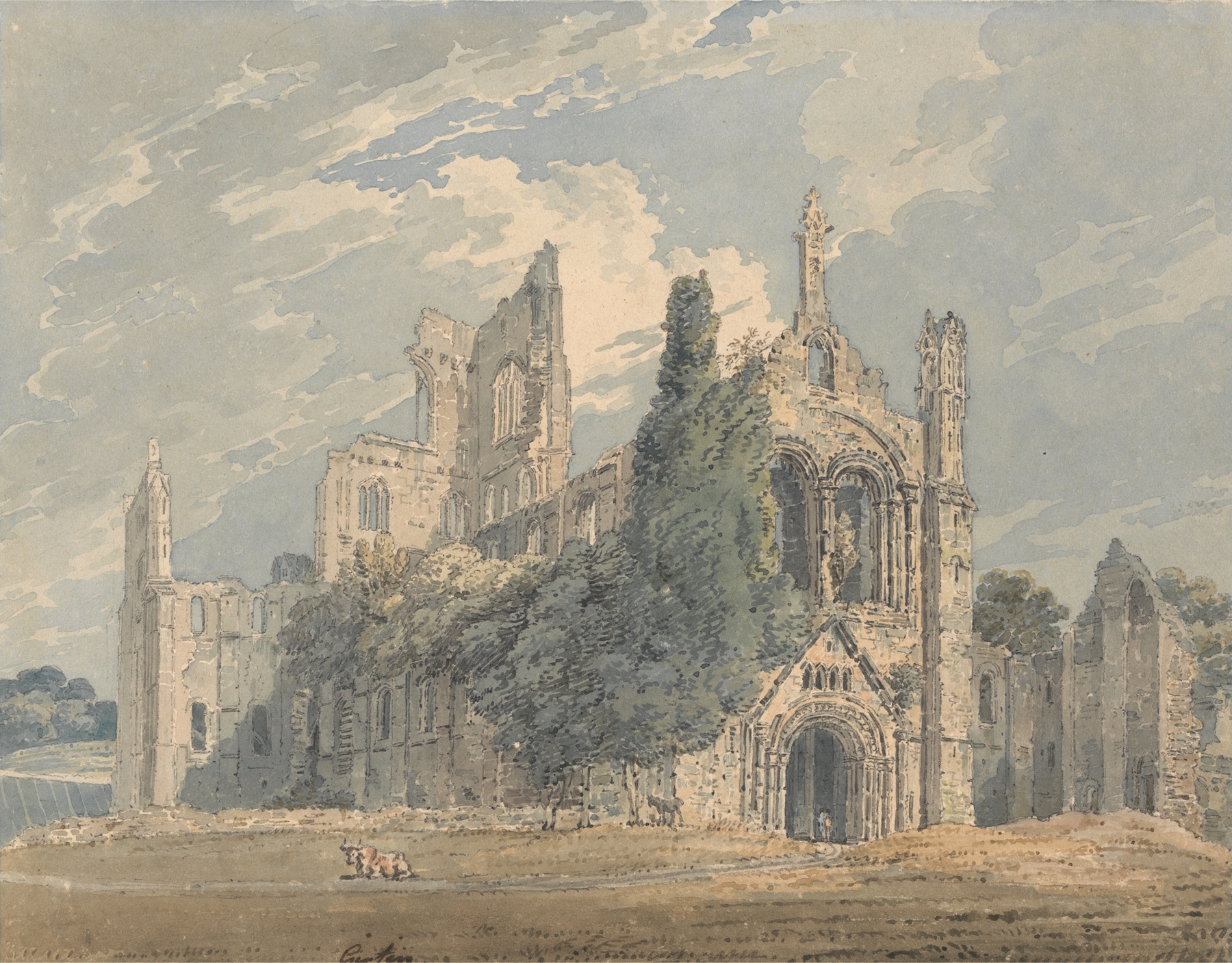
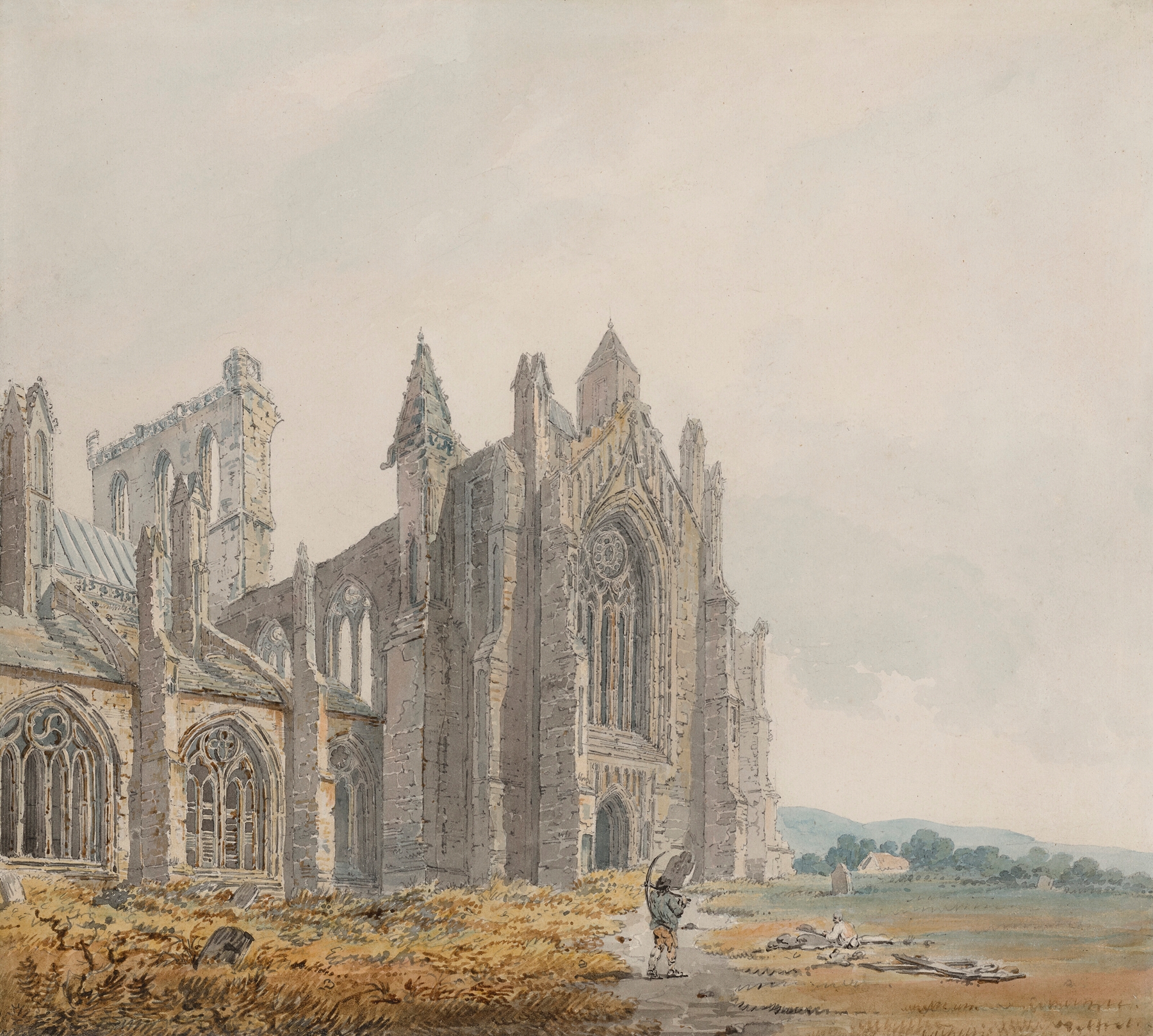
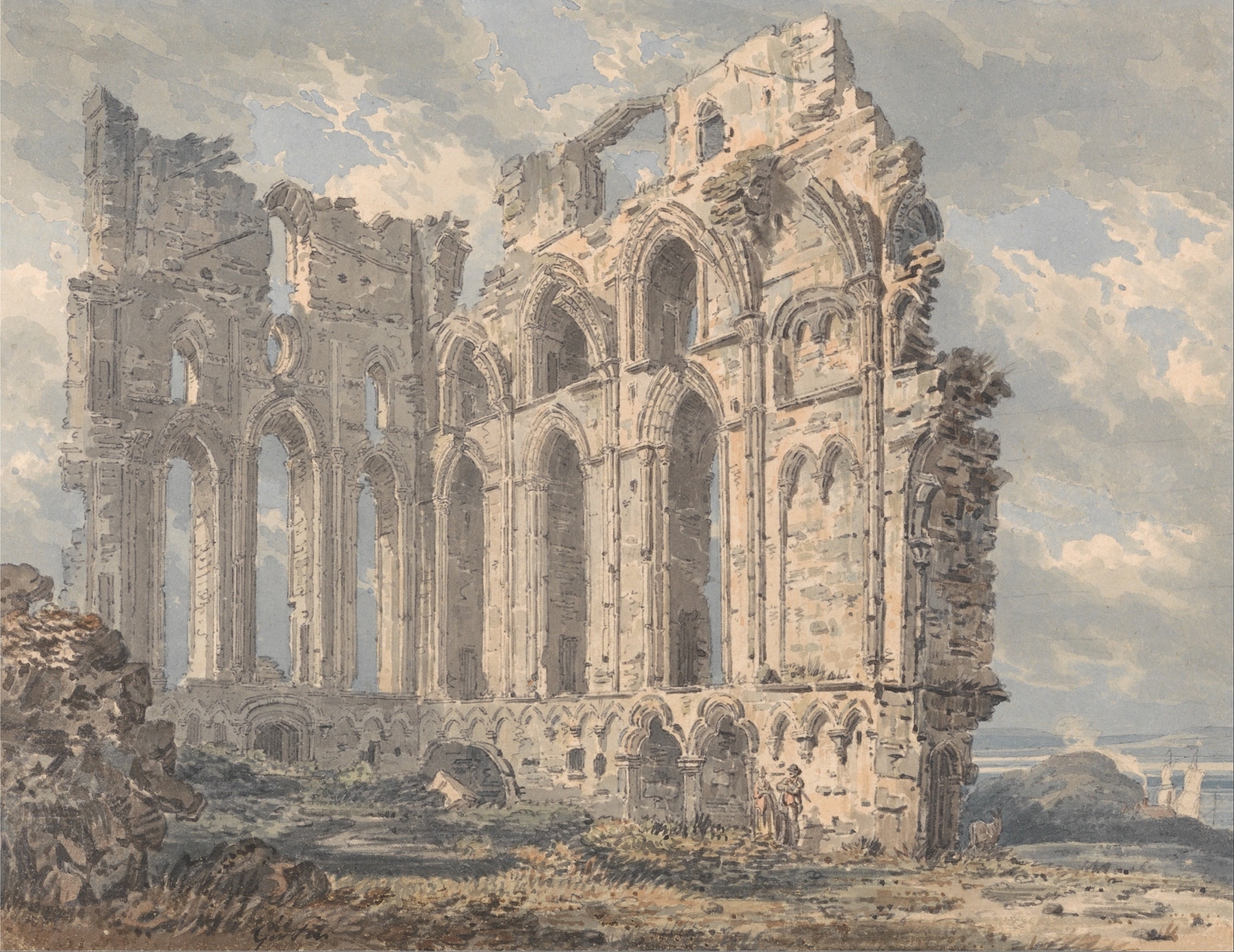
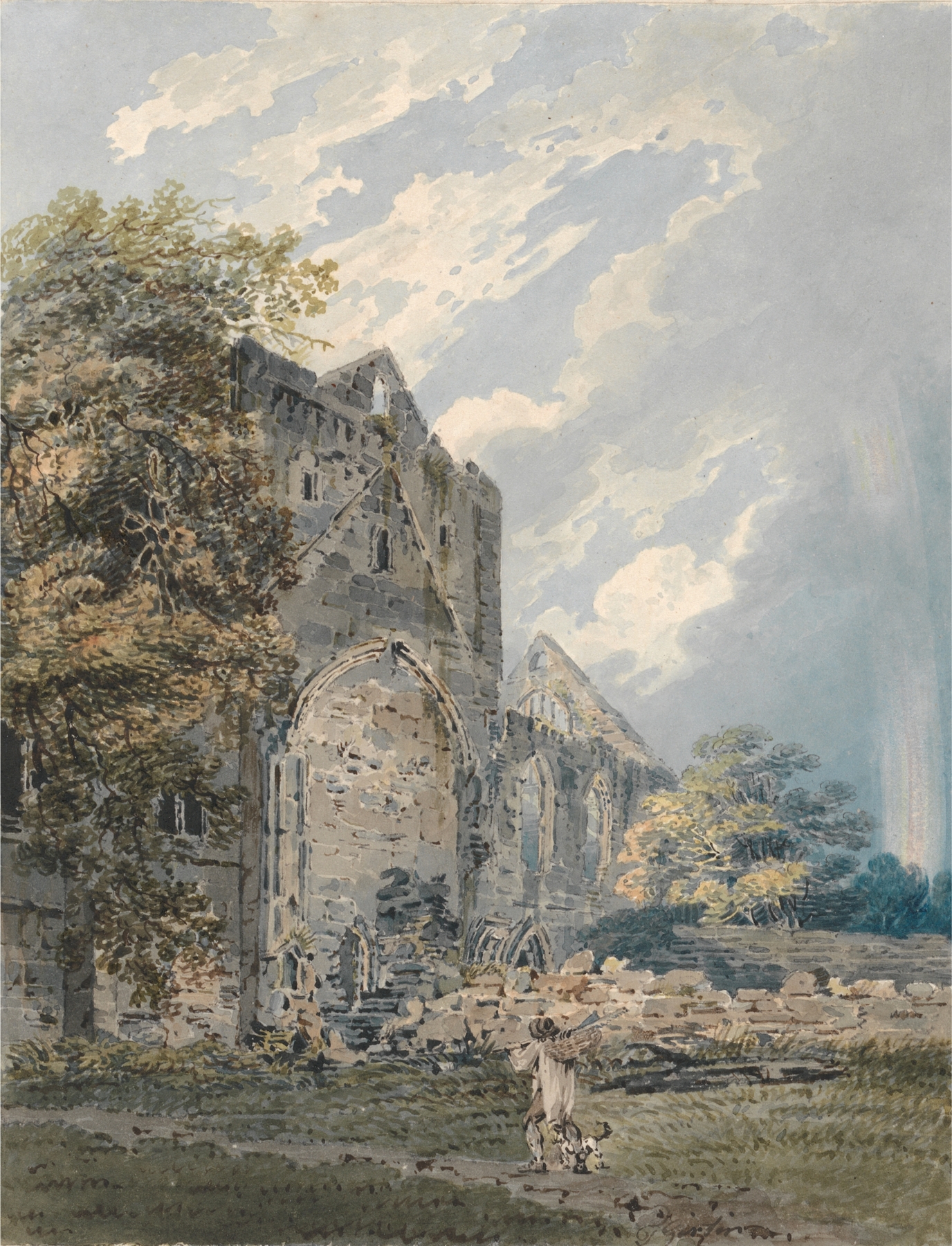
What secret hides in the quiet of the canvas? In the stillness of Carlisle Cathedral, Cumberland, from the South-west, an unspoken yearning echoes through the careful brushstrokes, inviting viewers to explore both the visible and the hidden. Look to the left at the majestic spires that stretch upwards, framed against a soft, somber sky. The delicate interplay of light and shadow creates a sense of depth, while muted greens and grays evoke a tranquil yet contemplative mood. As you gaze at the cathedral's detailed facade, notice how Girtin captures the texture of the stone, almost as if inviting you to touch its cool surface.
The composition draws your eye toward the ethereal quality of the scene, where clouds drift softly above like whispered thoughts. Beneath the serene exterior lies a tension between permanence and transience. The steadfastness of the cathedral contrasts sharply with the ephemeral beauty of the sky, hinting at a deeper reflection on the passage of time. In this artwork, Girtin encapsulates the longing for connection to the past, suggesting that structures, much like memories, hold stories that echo through generations.
The subtle gradients of color and light dance together, urging the viewer to delve deeper into the layers of meaning embedded in each stroke. In 1795, while working in the bustling environment of England's artistic circles, Girtin was a key figure in the Romantic movement. This period was marked by a growing appreciation for the natural world and architectural heritage, as artists sought to capture the essence of their surroundings. The painting emerges from a time of exploration and emotional depth in art, reflecting both the artist's personal journey and the broader cultural shifts that defined the era.