Tynemouth Priory, Northumberland — History & Analysis
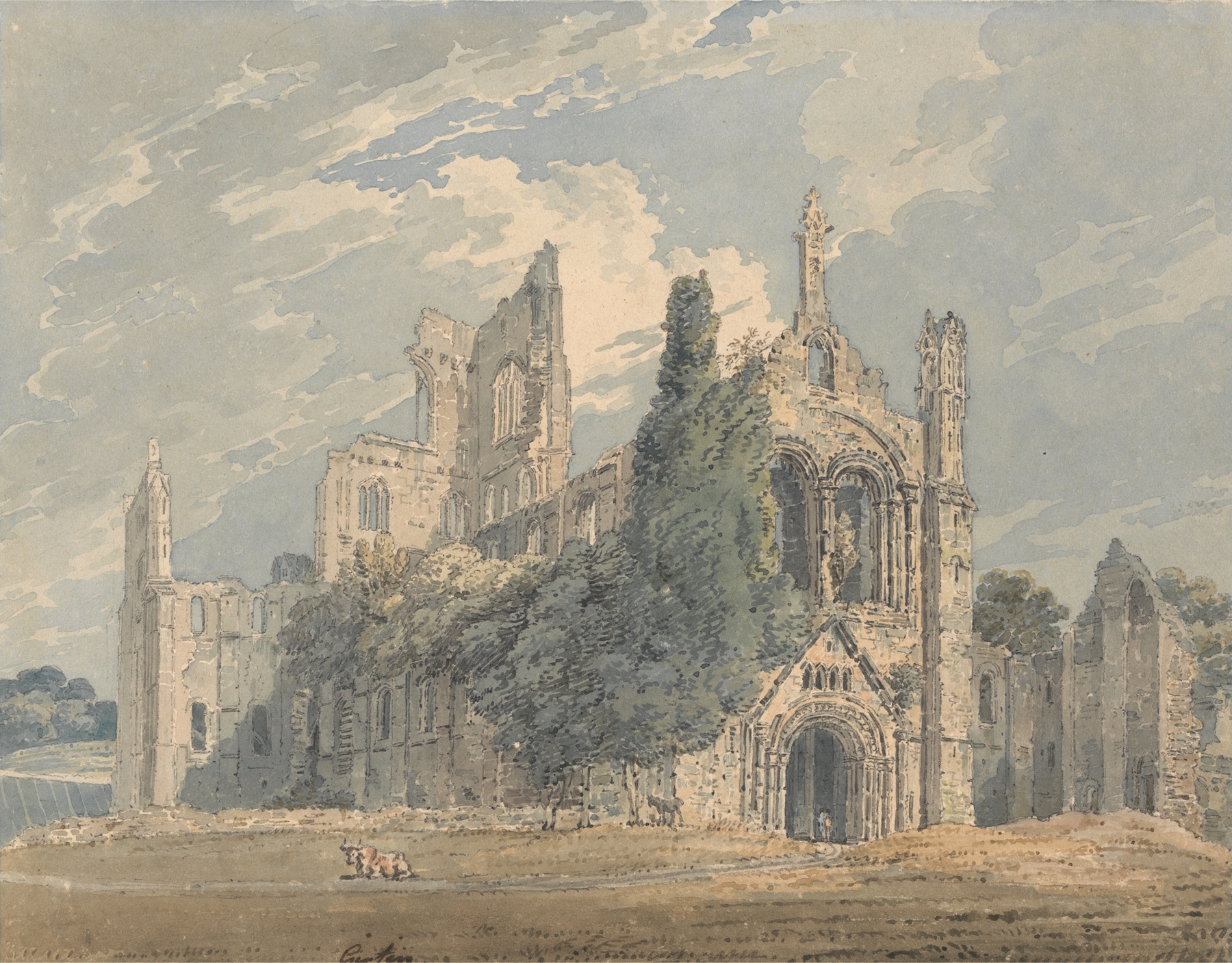
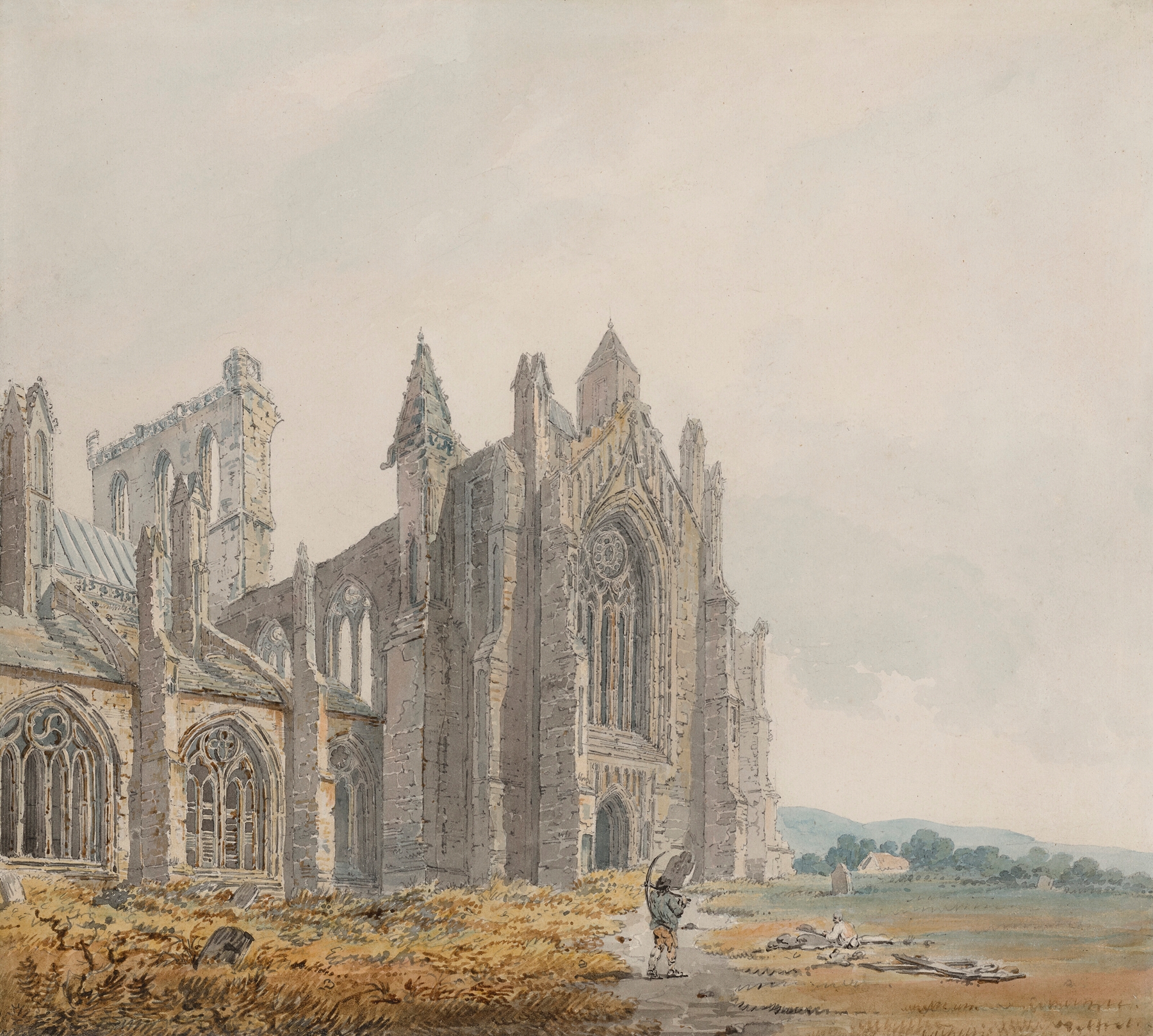
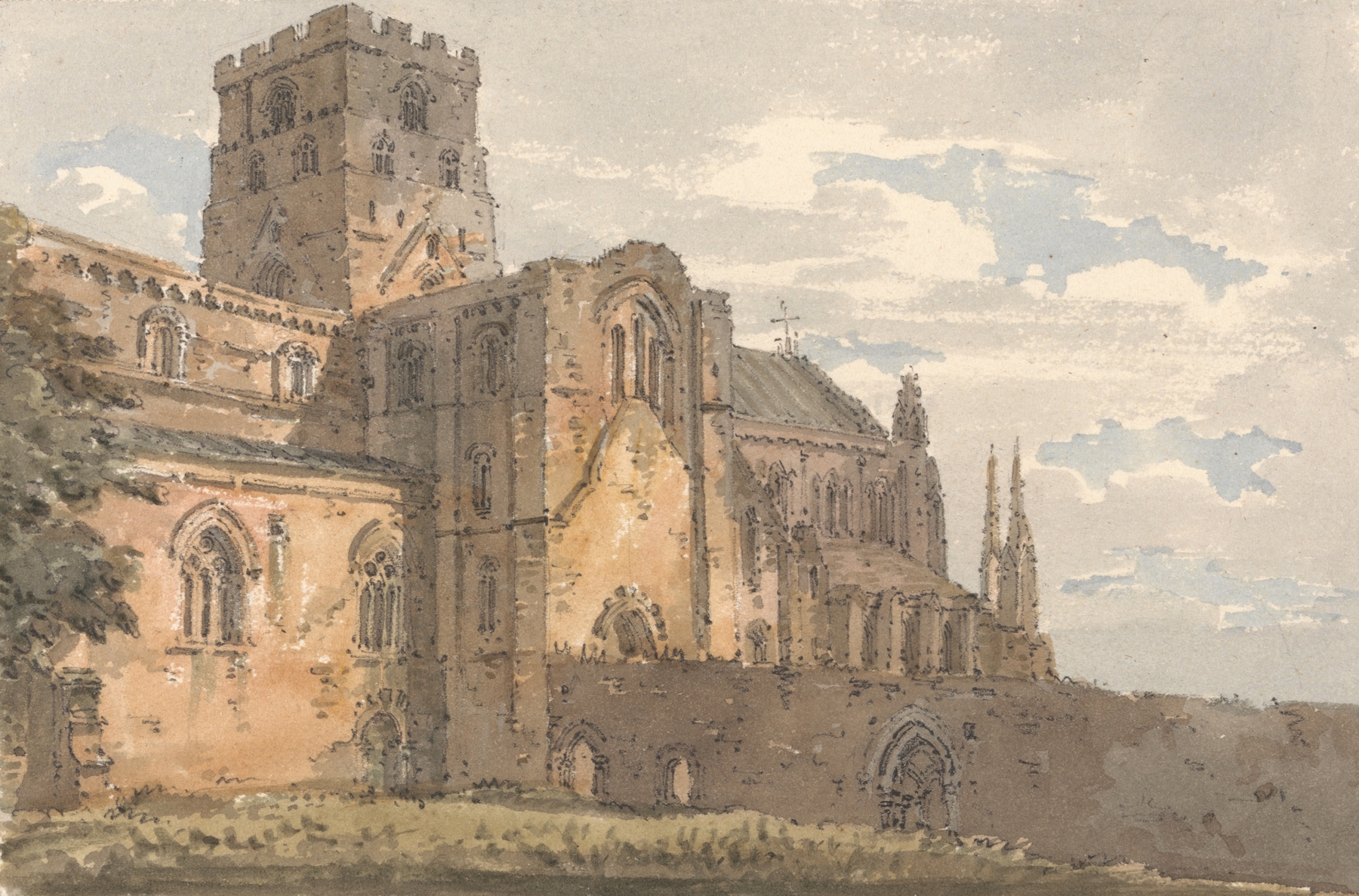
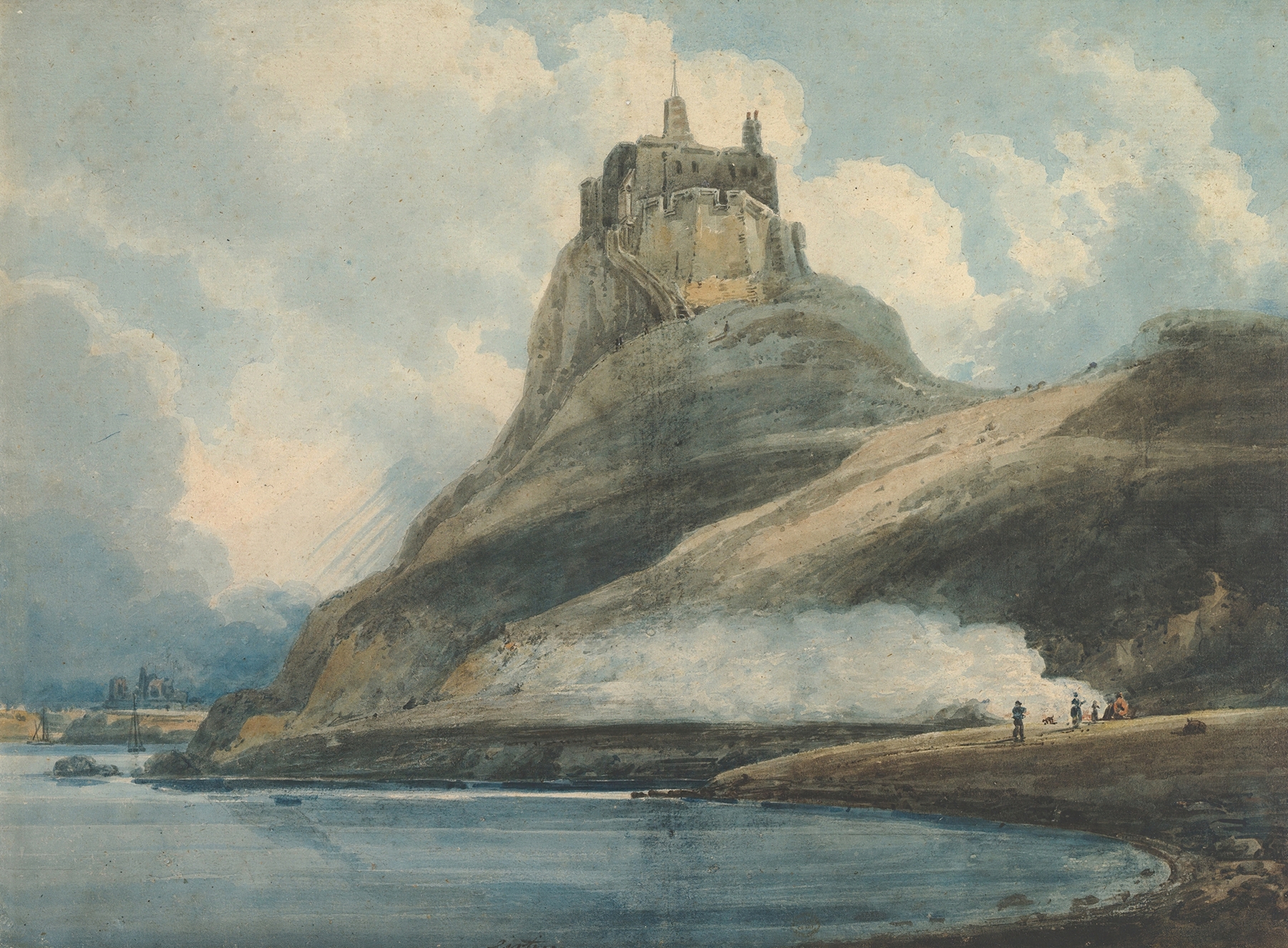
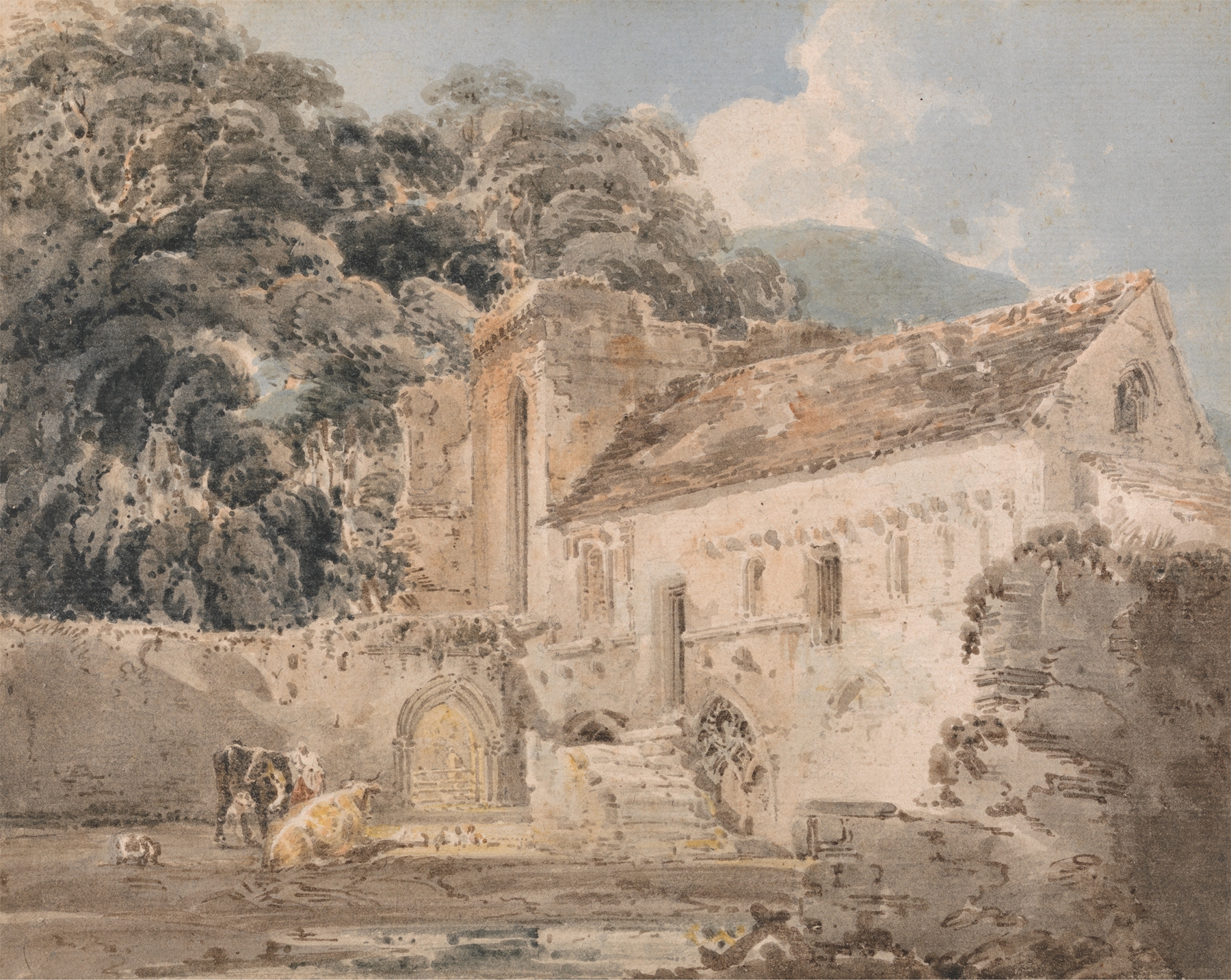
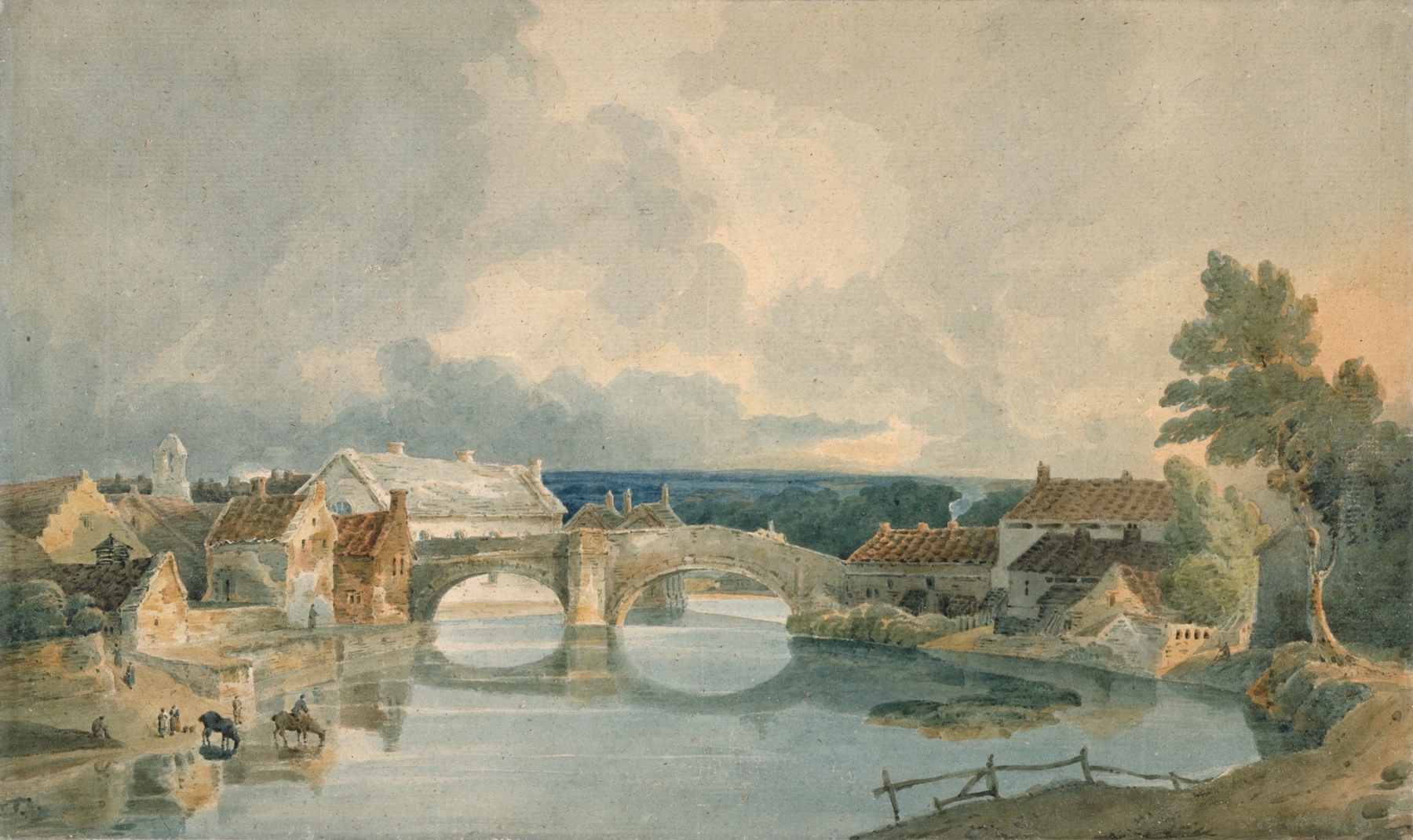
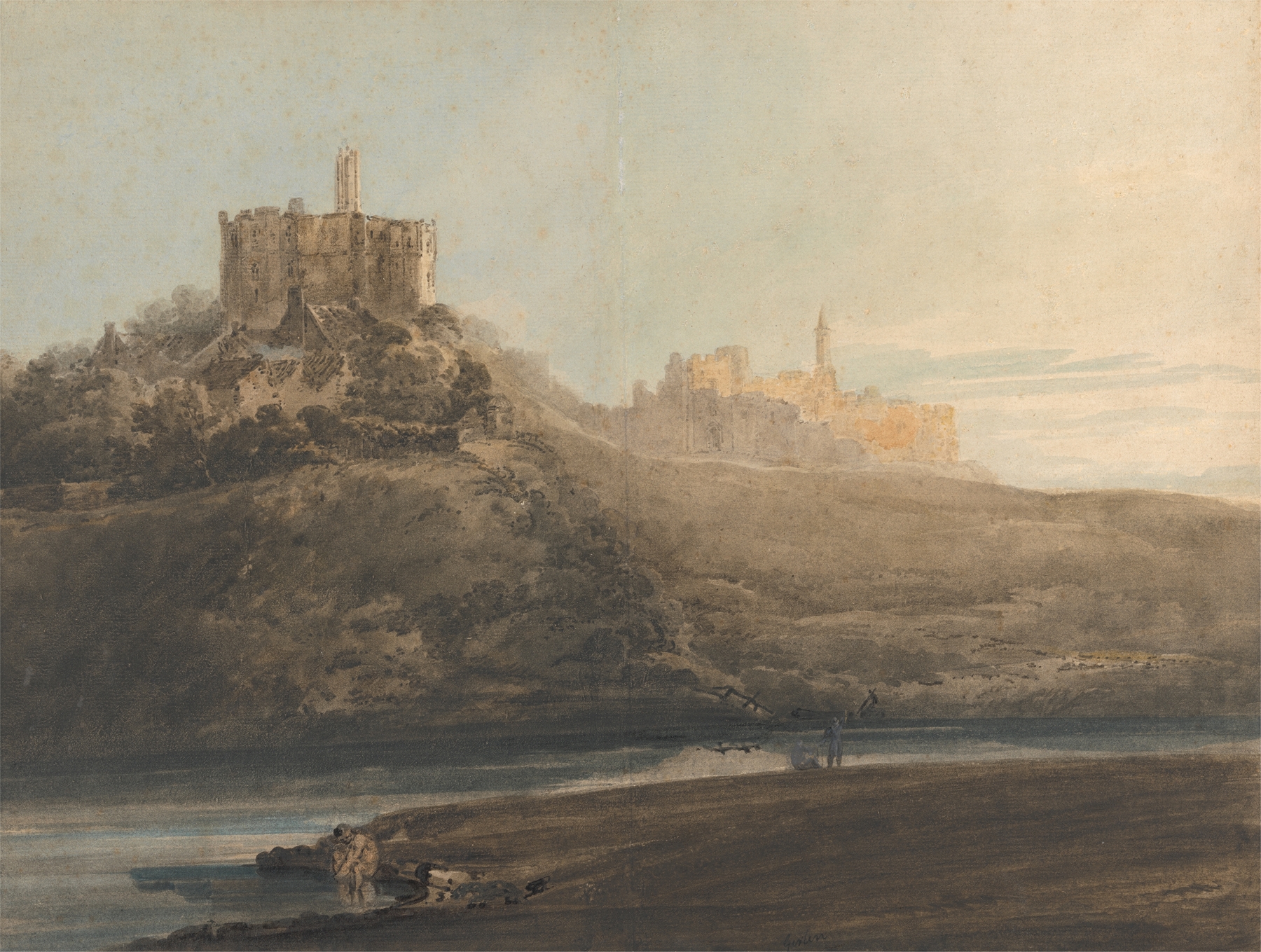
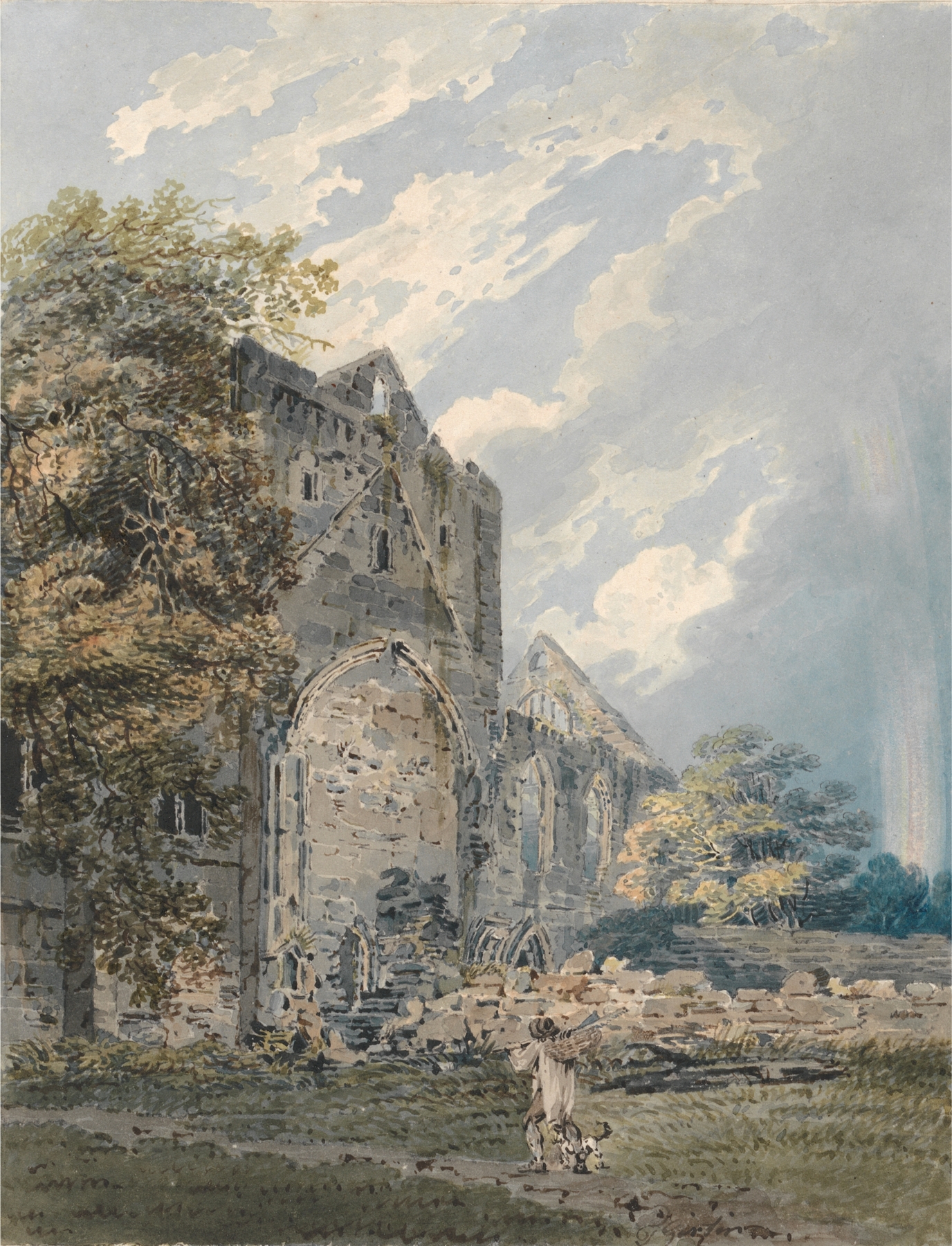
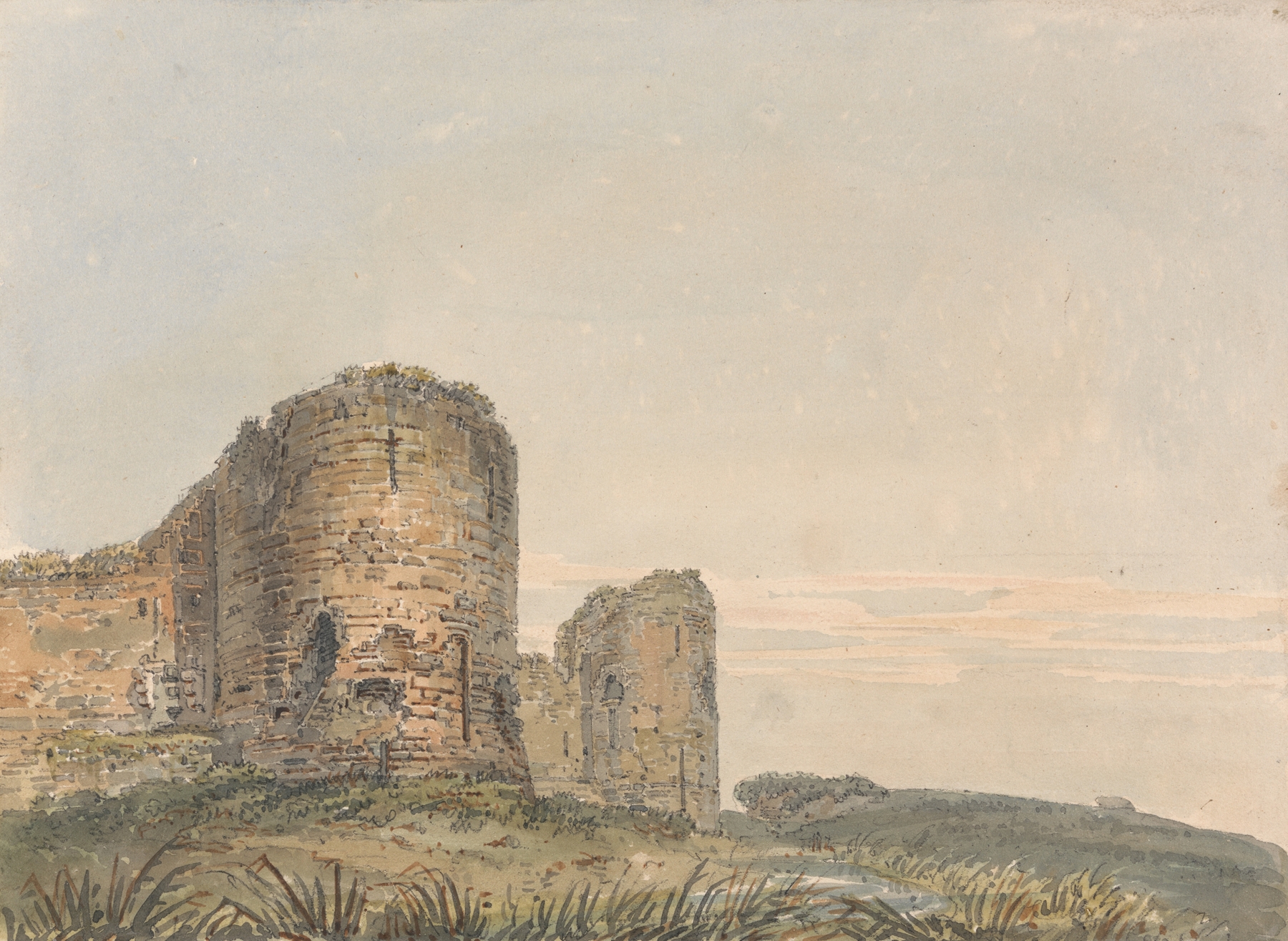
What if silence could speak through light? In the stillness of Tynemouth Priory, the absence of human presence echoes profoundly, inviting introspection amid the ruins. Focus your gaze on the crumbling stone walls, where soft, muted colors blend effortlessly into the landscape. Notice how the light filters through the clouds, casting gentle shadows that seem to sigh over the weathered structures.
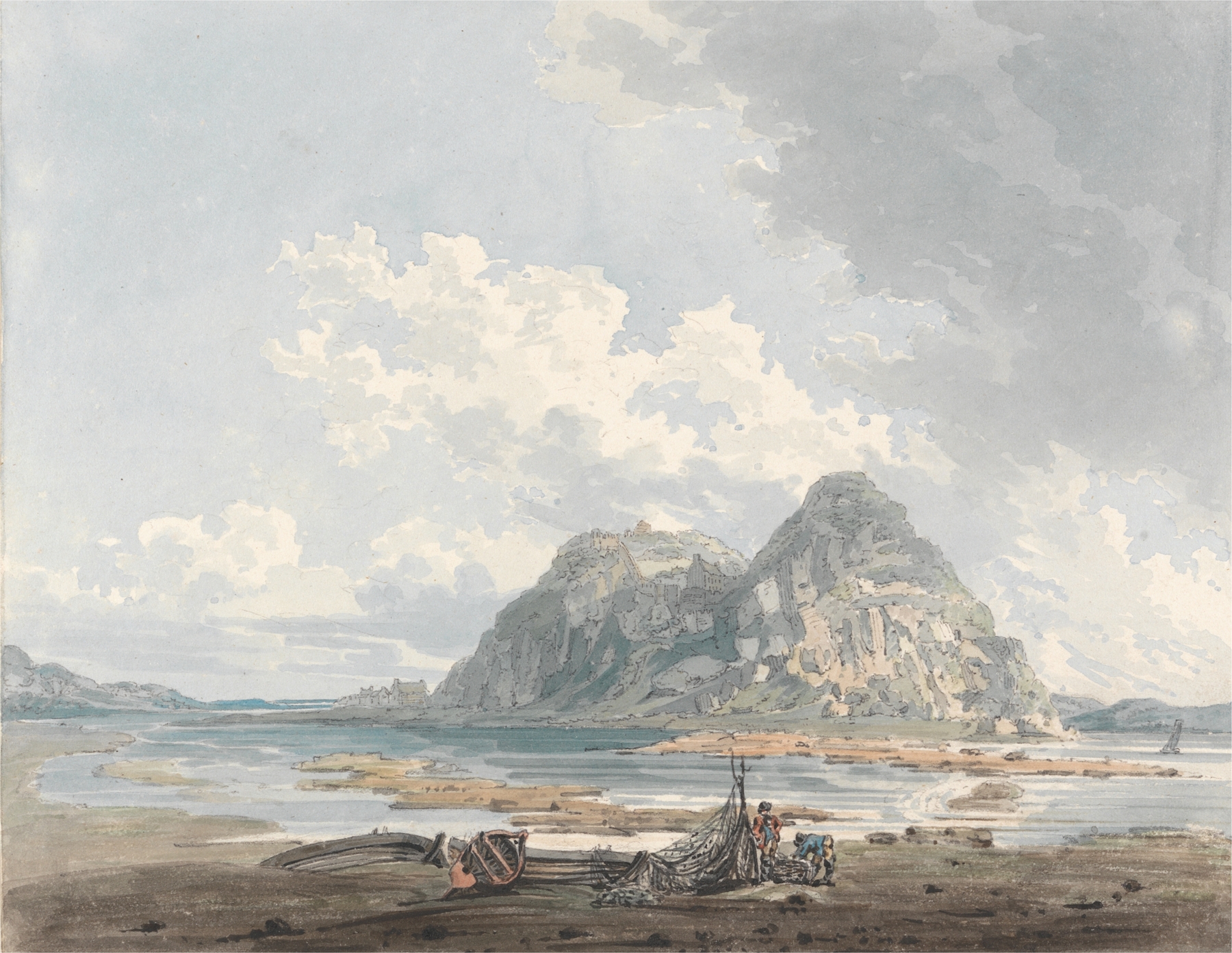
The artist's delicate brushwork and subtle gradation of tones create a sense of depth, drawing you into the quiet emptiness. The horizon, where land meets sky, captures a moment of serenity that feels both timeless and fleeting. As you explore this landscape, consider the contrast between the permanence of the ancient stones and the ephemeral quality of light. Every shadow whispers stories of the past, while the vibrant sky hints at a world in constant transformation.
The emptiness becomes a canvas for your own reflections, allowing you to confront the passage of time and the weight of history embedded in these ruins. Thomas Girtin created this piece in the early 19th century, a period when the Romantic movement was flourishing in Britain. Living in London, Girtin was influenced by the changing perceptions of nature and the sublime, which resonated through his landscape works. At a time when industrialization was beginning to alter the countryside, he seized this opportunity to depict the haunting beauty of historical sites, capturing both their majesty and their vulnerability.