Melrose Abbey, Scotland — History & Analysis
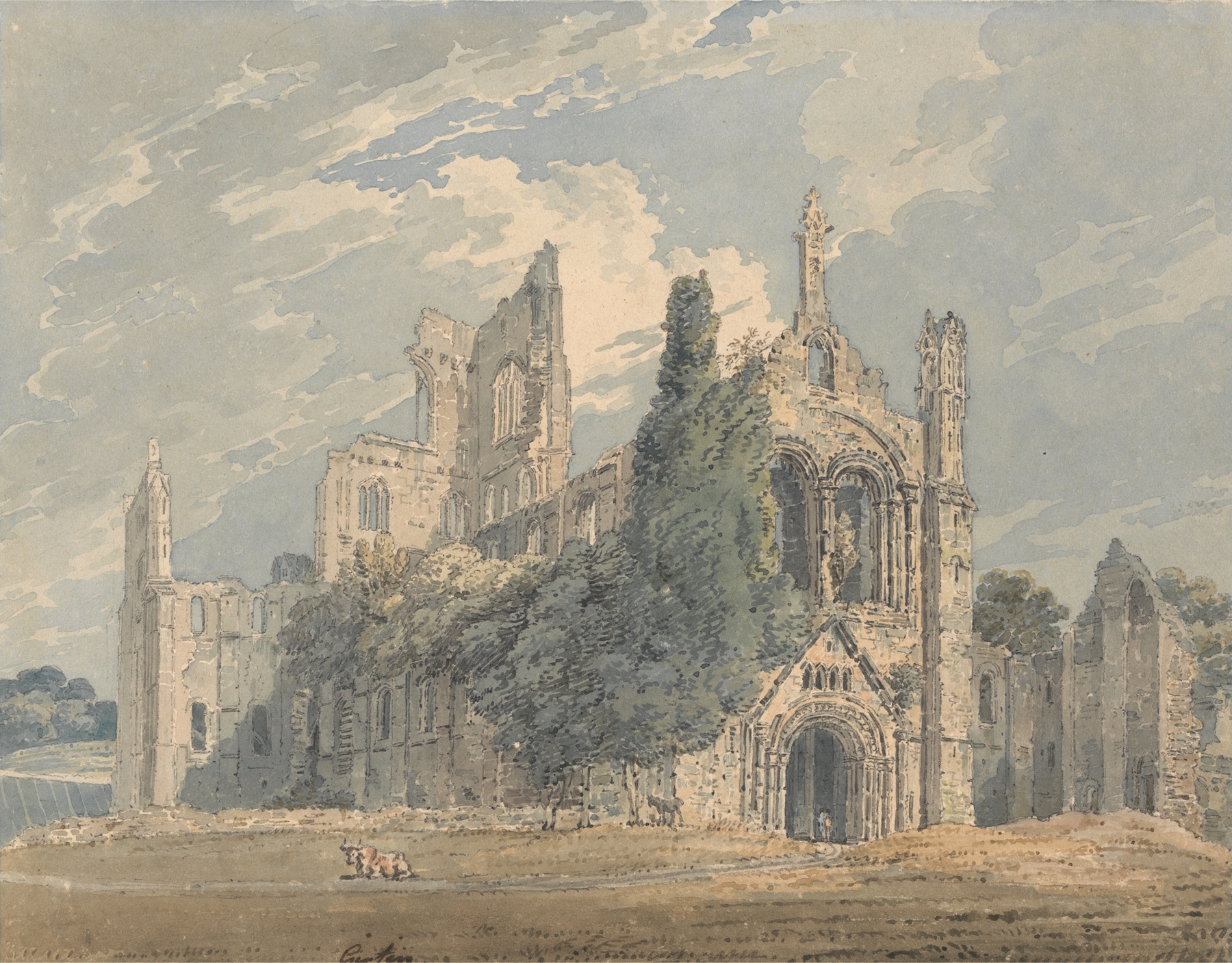
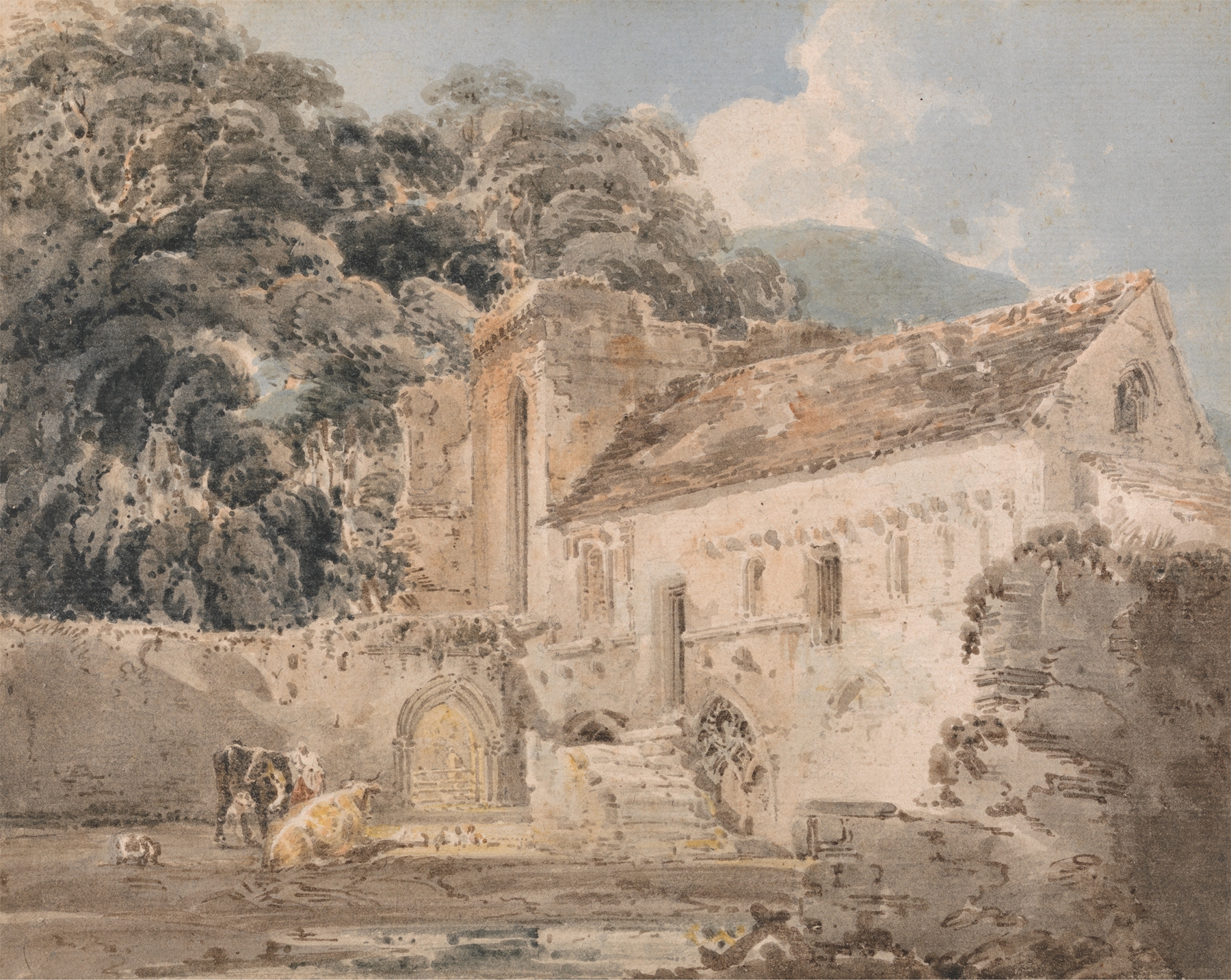
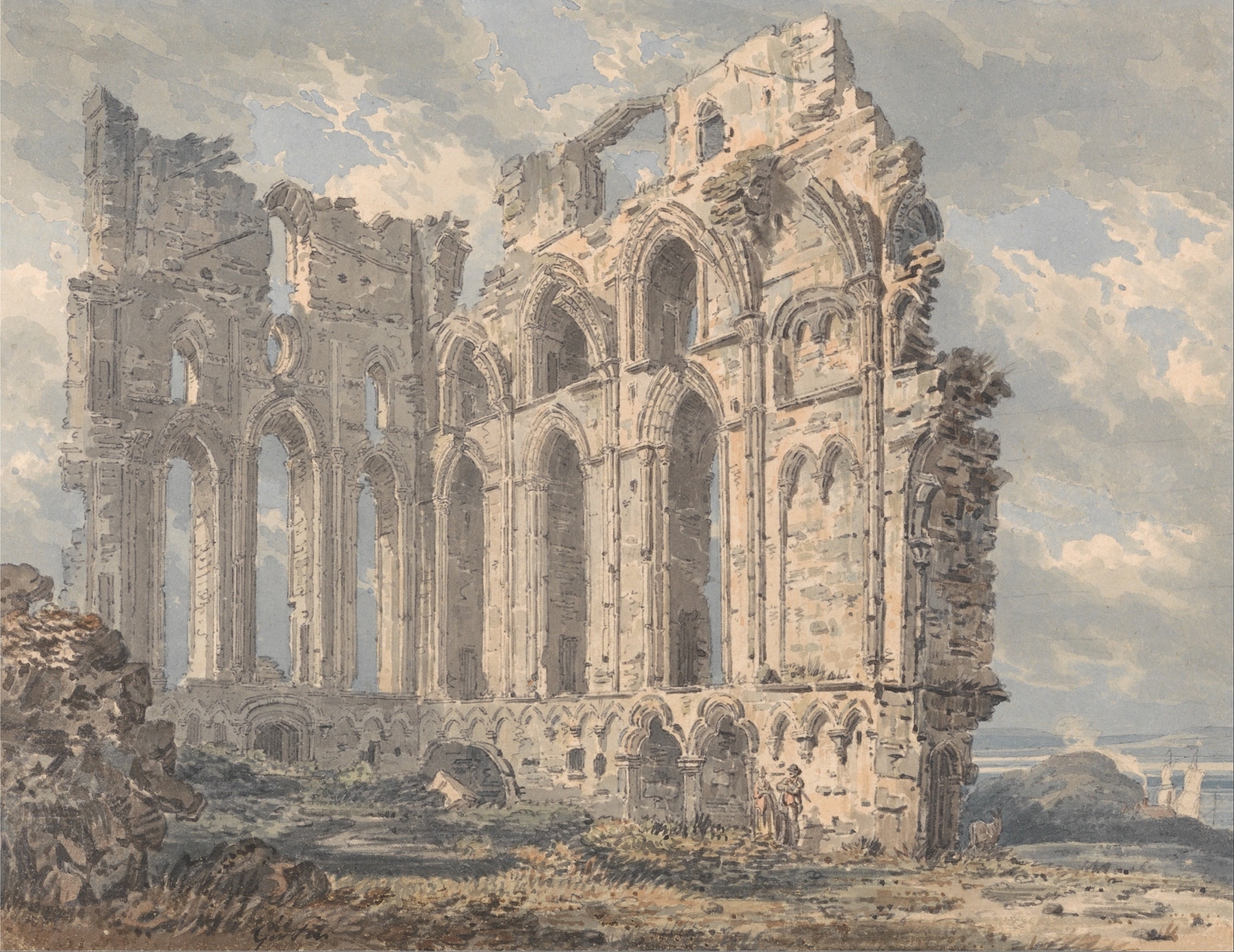
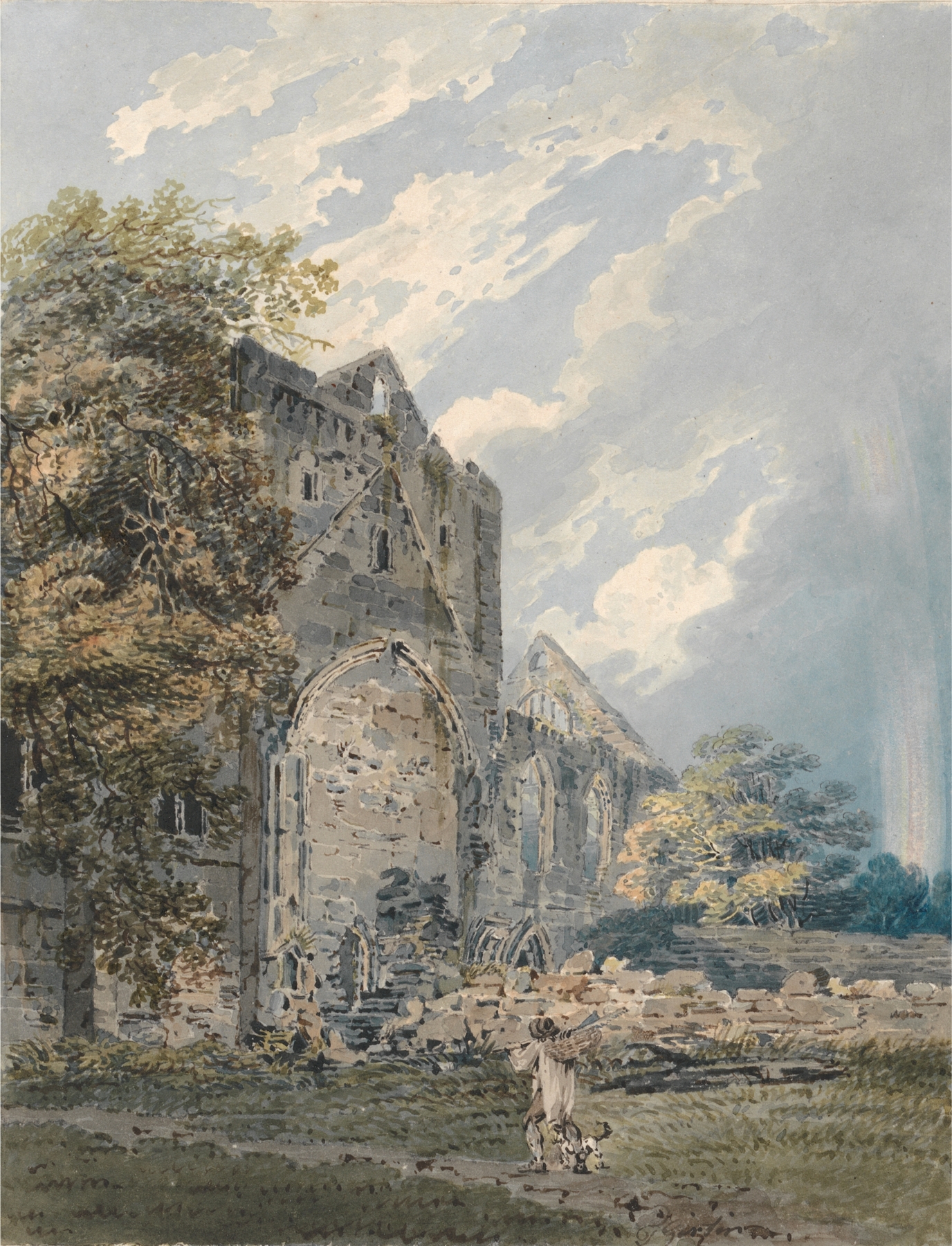
Where does light end, and longing begin? In the hushed embrace of ruins, a whisper of melancholy lingers, inviting reflection on what once was. Focus on the delicate interplay of light and shadow that dances across the weathered stones of Melrose Abbey. Look closely at the stained glass remnants, their colors muted yet hauntingly beautiful, capturing the fleeting nature of time.
The soft blues and greens meld together, suggesting a reverence for the past while evoking a sense of loss. Notice how the arched windows frame the dying light, creating a poignant contrast between the vibrant life that once filled the space and the stillness that now reigns. In the foreground, wildflowers cautiously push through the cracks in stone, symbolizing resilience amidst decay. This juxtaposition of life and ruin evokes a profound emotional tension, as if the abbey itself mourns its forgotten glory.
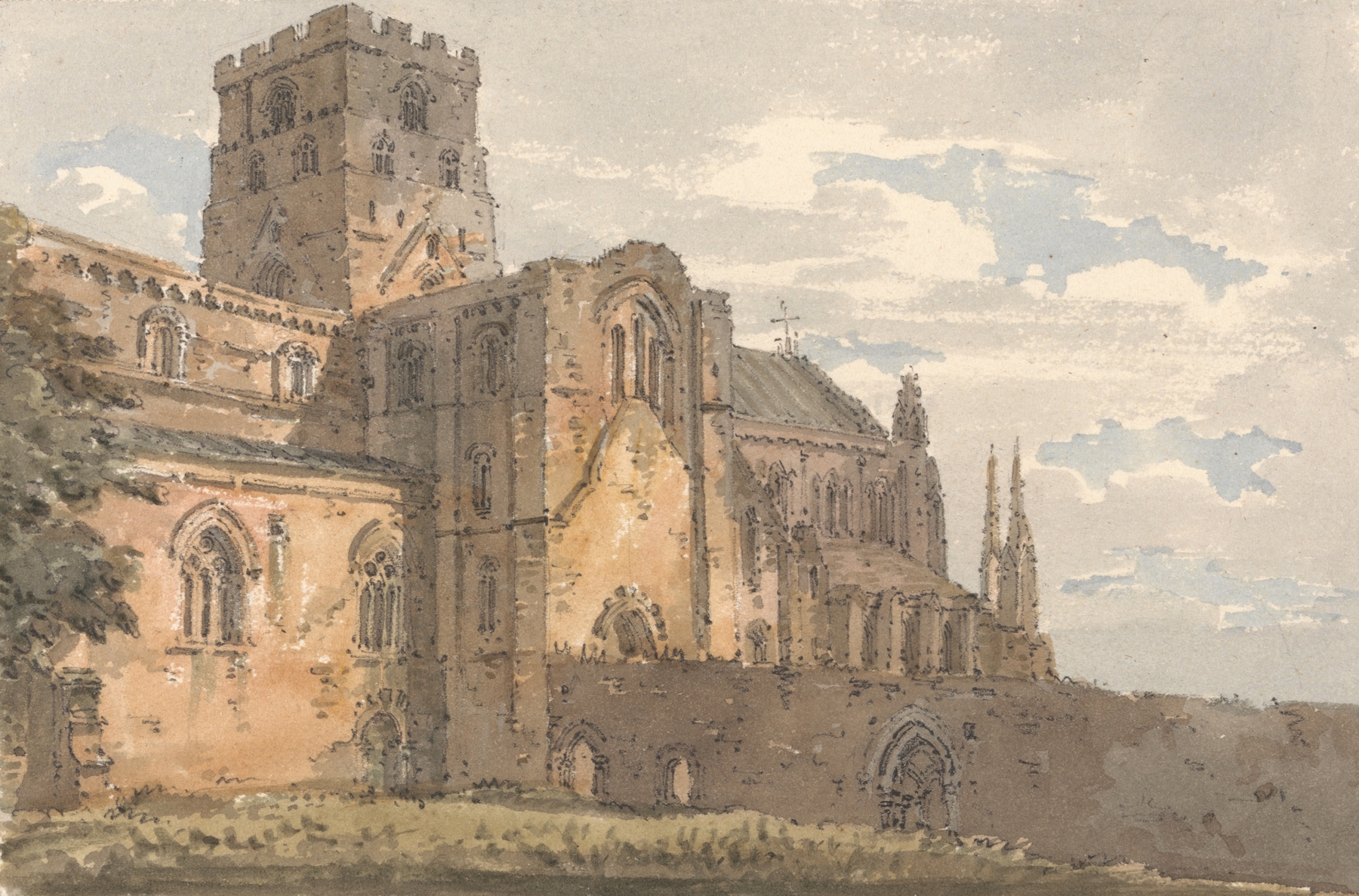
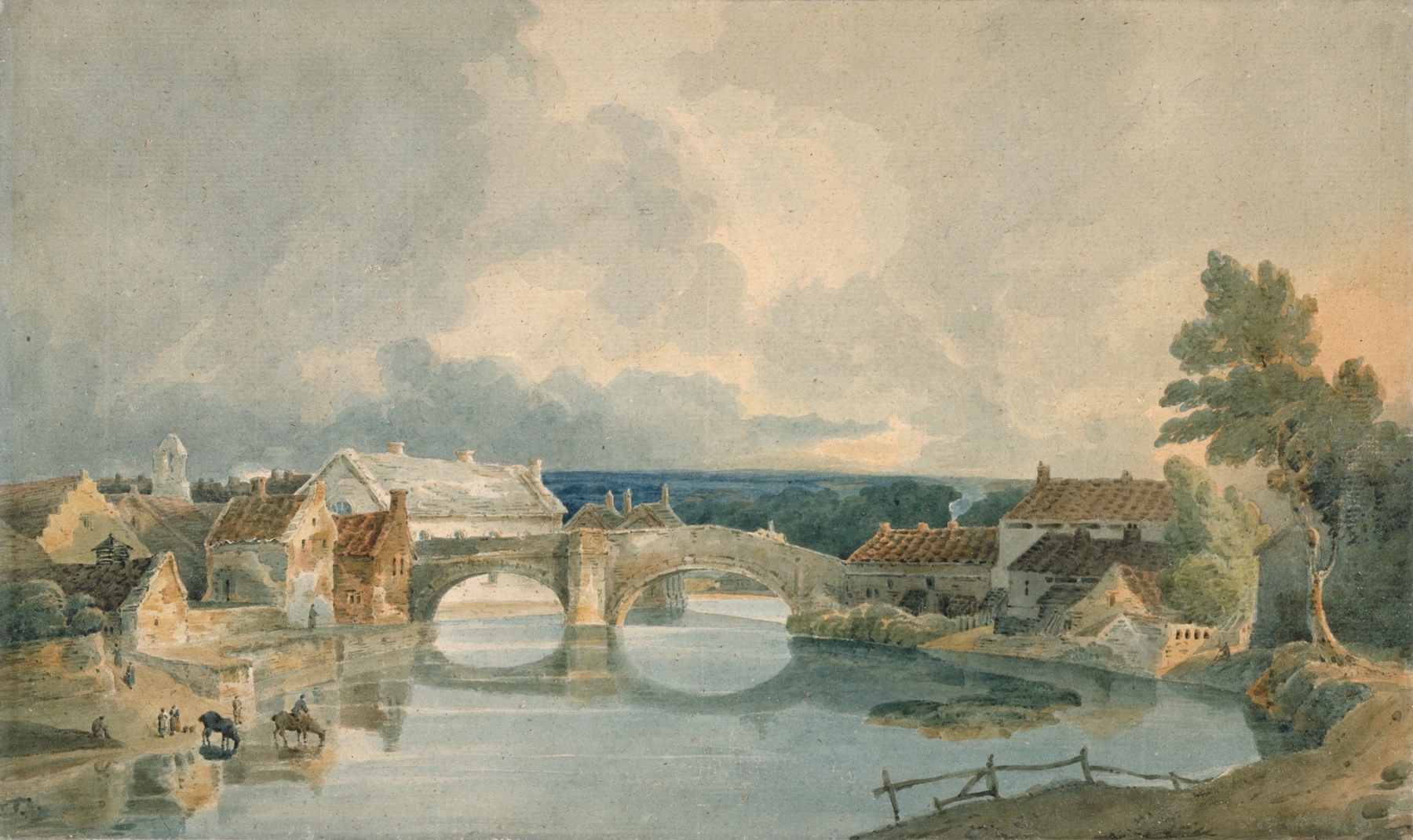
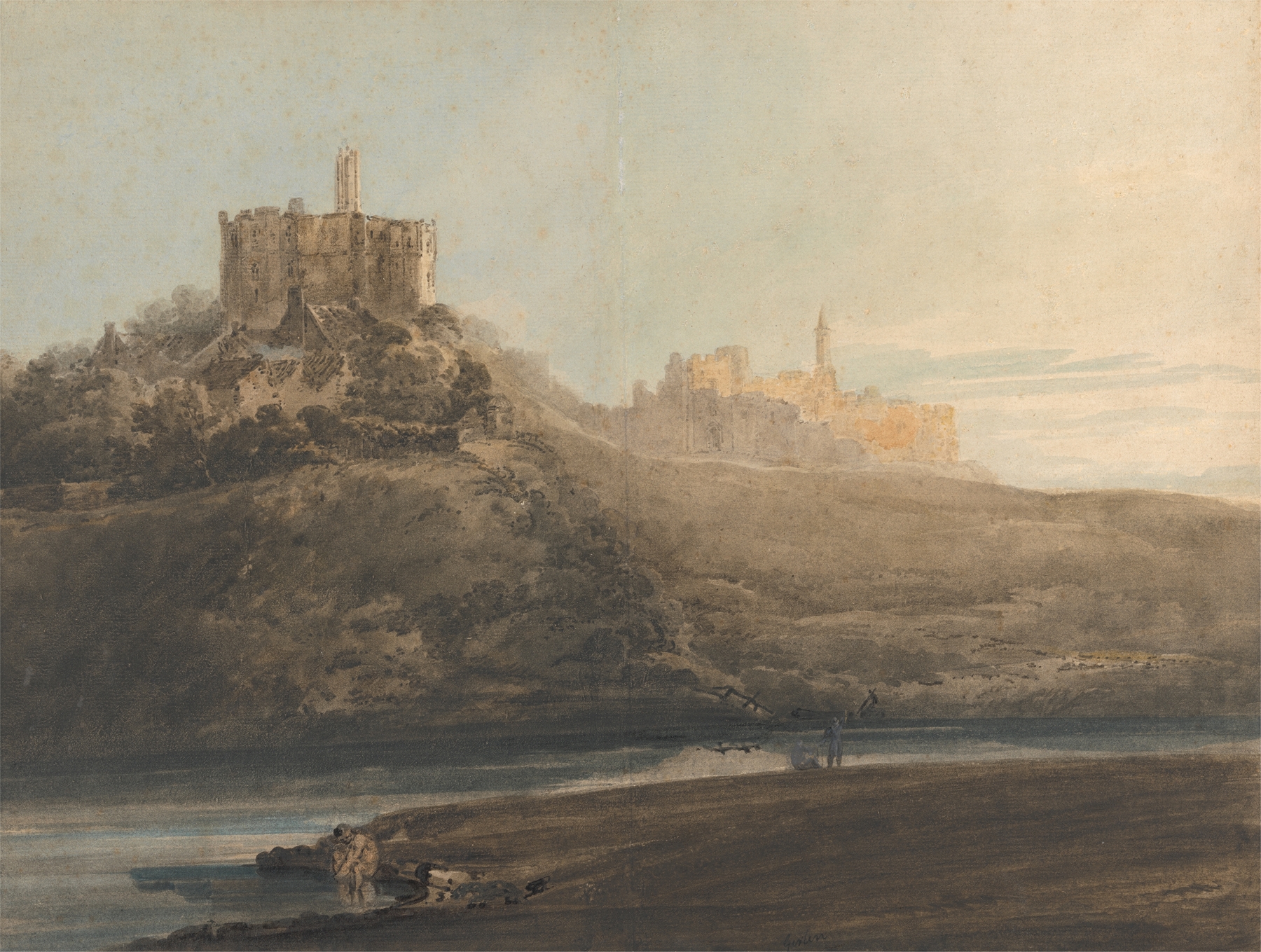
The gentle mist encircling the structure elicits feelings of nostalgia, drawing viewers into an exploration of memory and absence—each brushstroke a meditation on the passage of time, the beauty of decay, and the heartache of remembrance. Thomas Girtin created this work during the early 19th century, when the Romantic movement thrived in Britain. He was captivated by the sublime beauty of nature and the ruins of the past, often finding inspiration in the Scottish landscape. The era was marked by a fascination with the picturesque and a growing appreciation for the emotional resonance of landscape art, reflecting a society grappling with the impacts of industrialization and the loss of traditional ways of life.