Lindisfarne Castle, Holy Island, Northumberland — History & Analysis
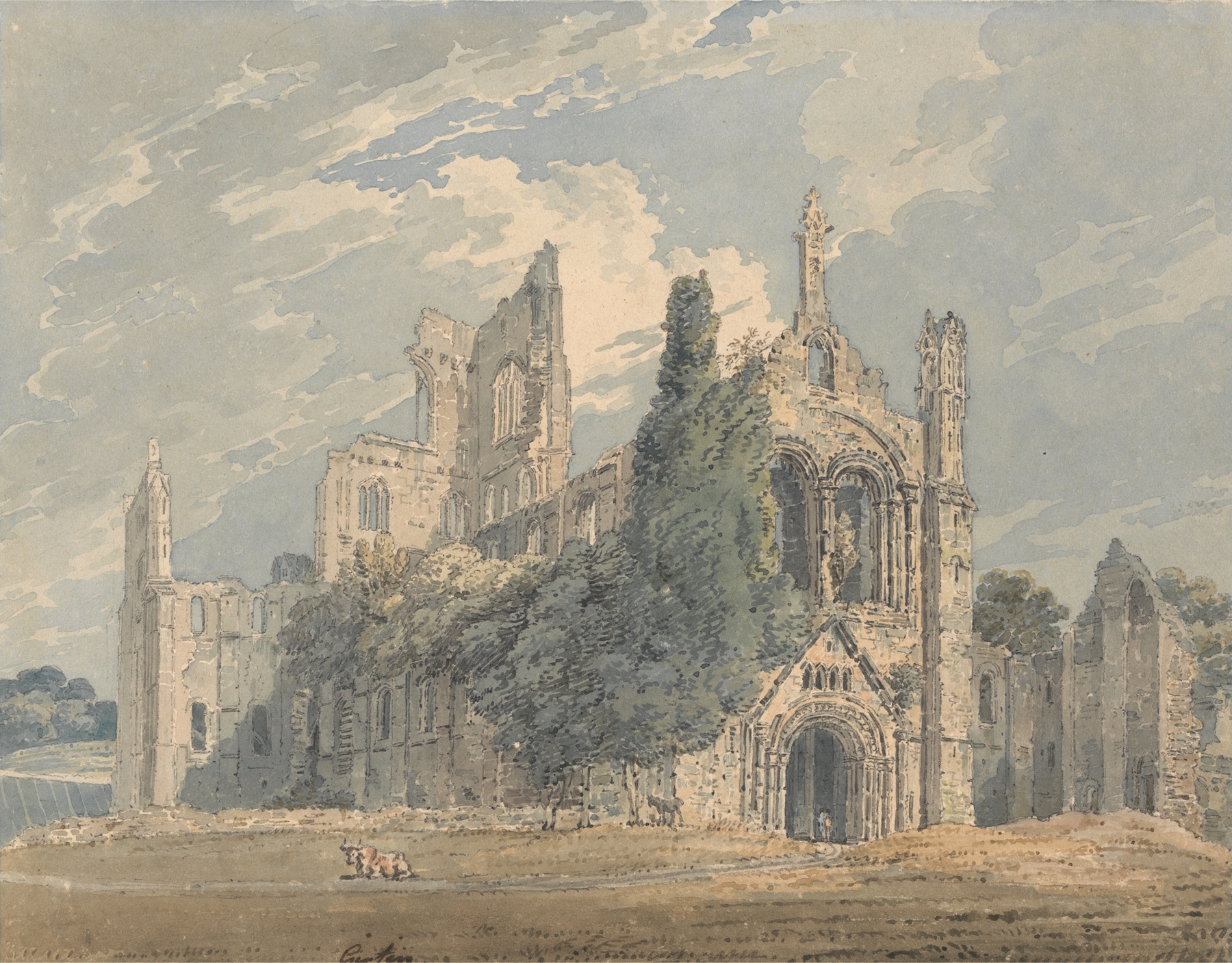
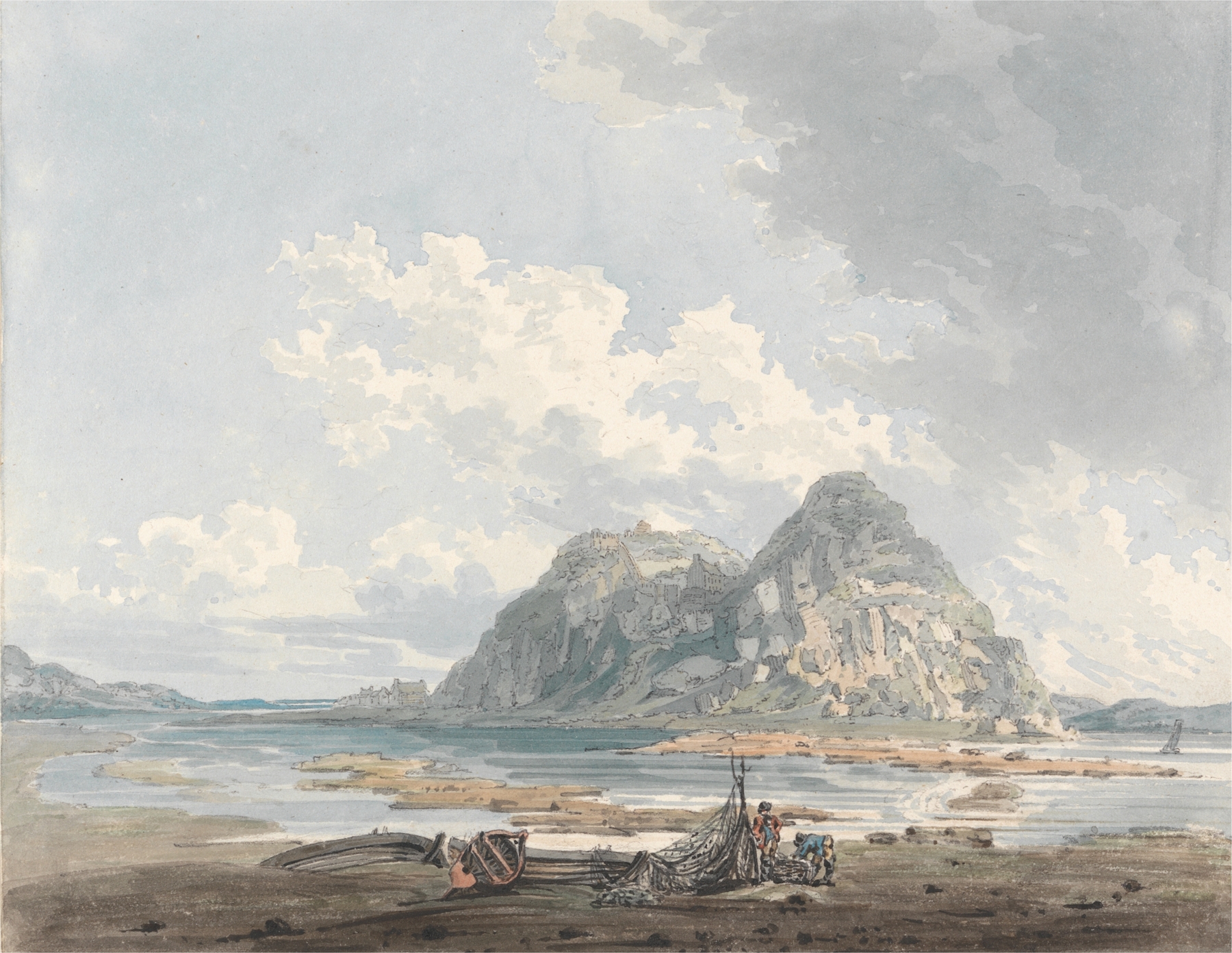
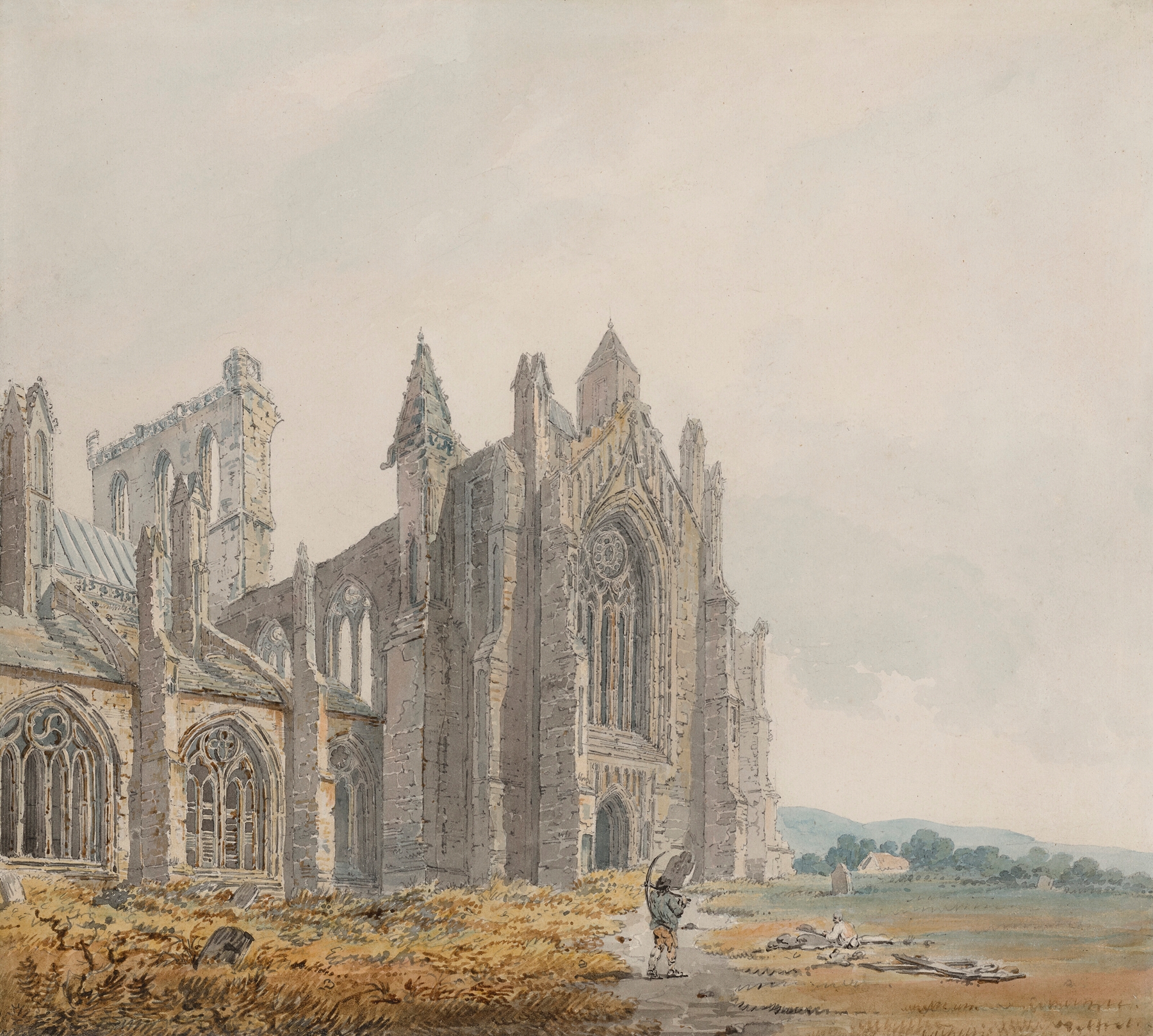
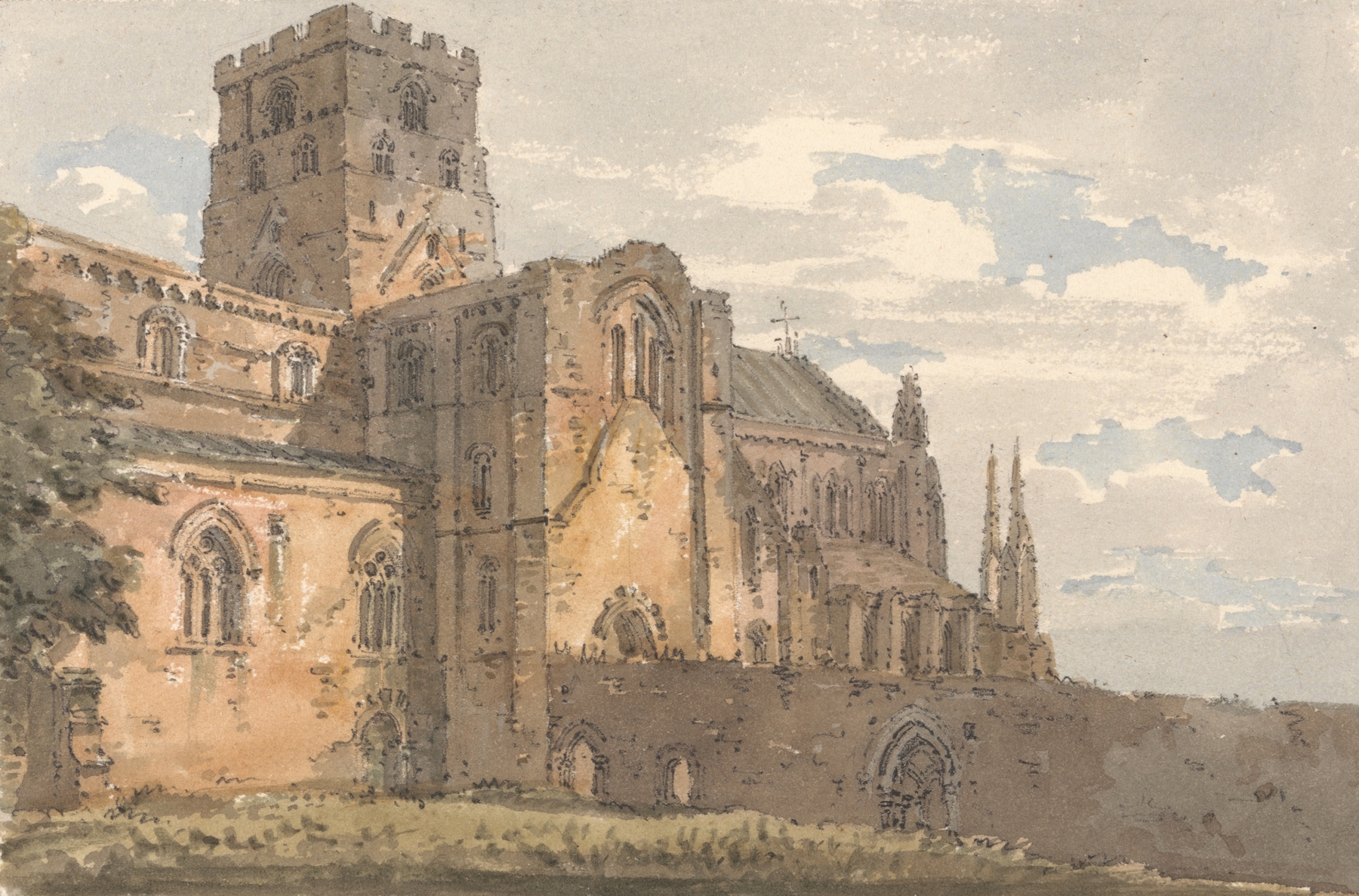
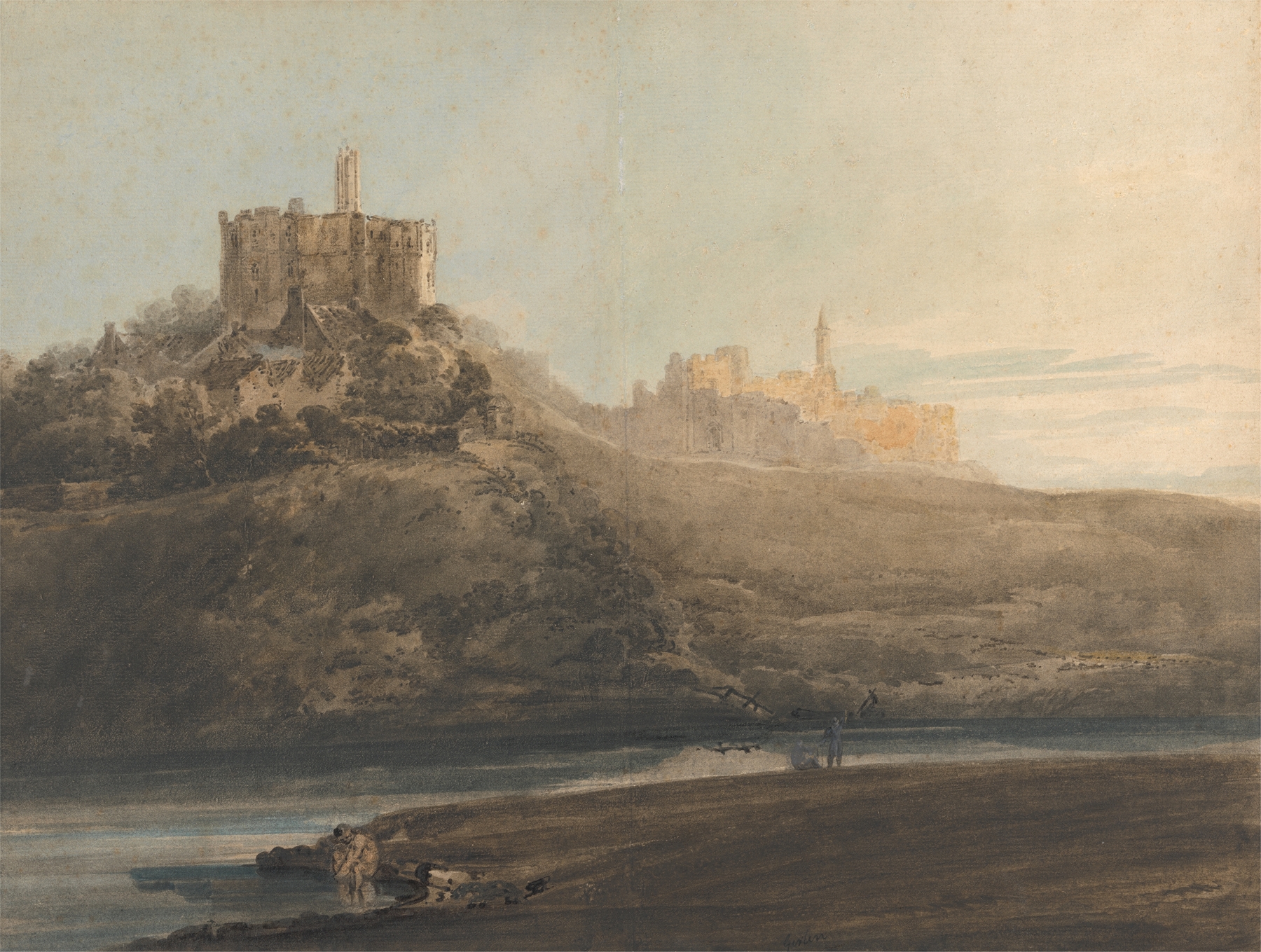
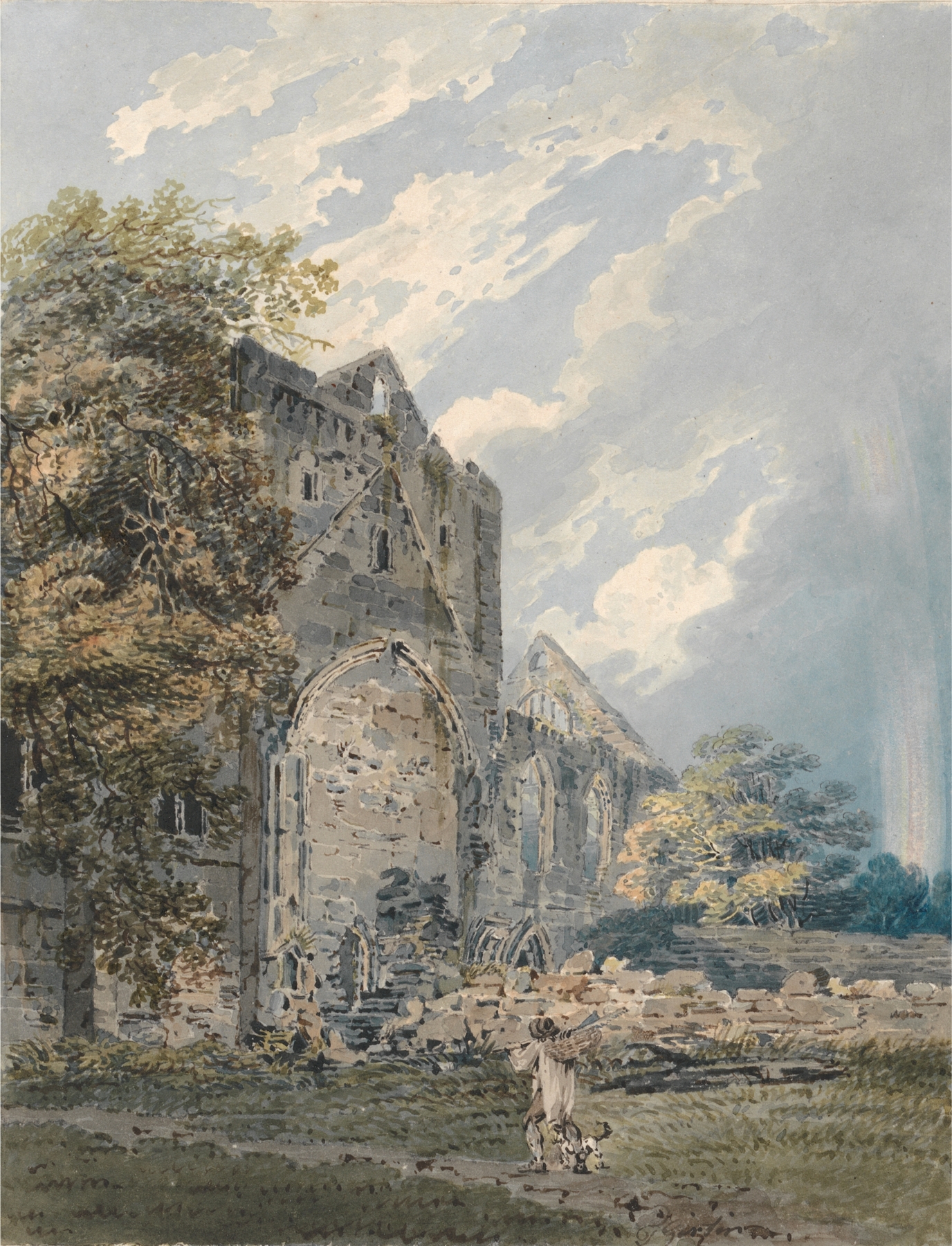
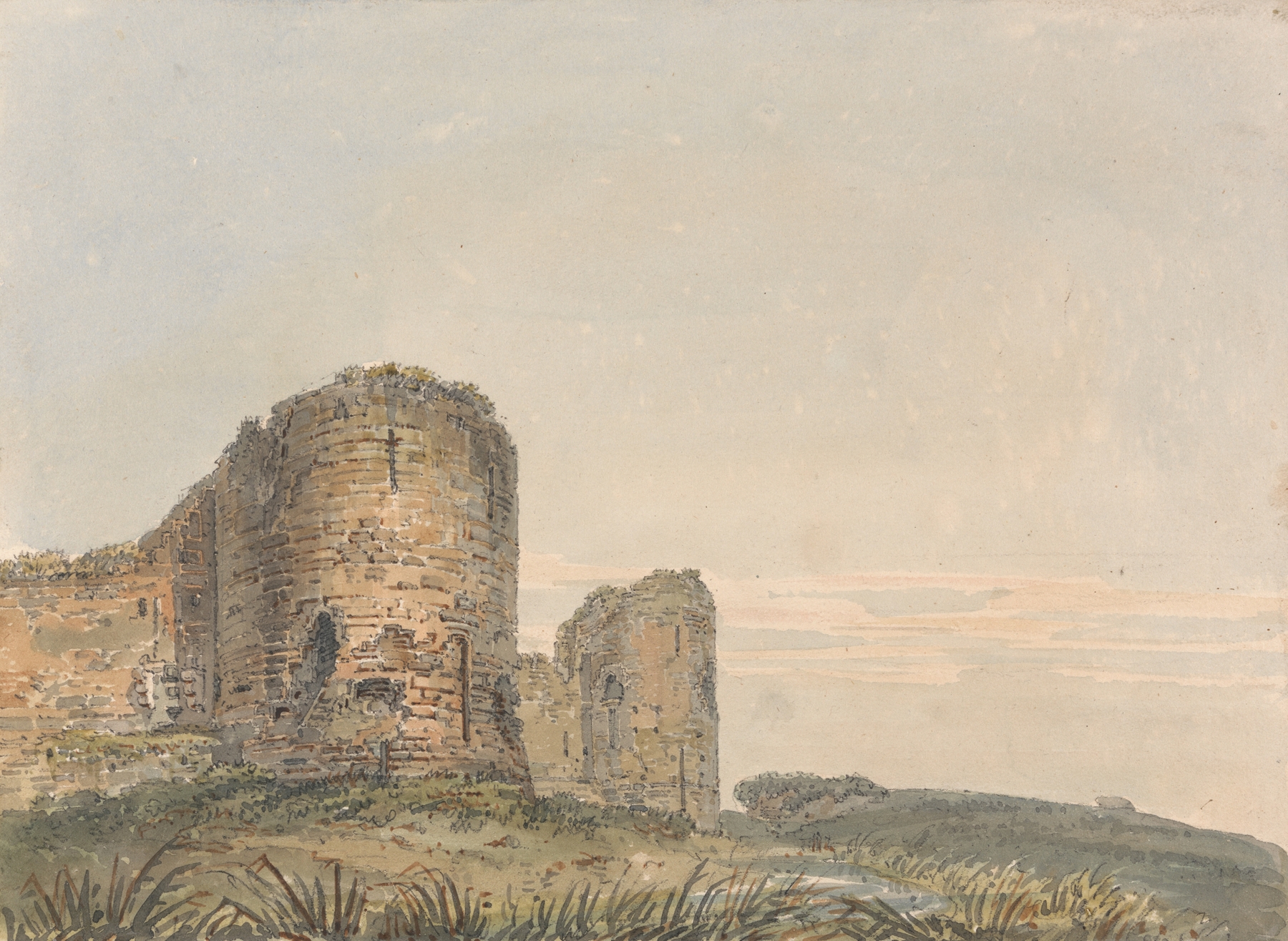
What if silence could speak through light? In Lindisfarne Castle, the interplay of shadow and illumination evokes a sense of movement and stillness, inviting contemplation of the moments just beyond the canvas. This painting captures the ethereal presence of the castle perched against the vastness of the landscape, its walls whispering secrets of time and history. Look to the center where the castle stands defiantly; its stone structure embraces the horizon. Notice how the soft strokes of light caress the weathered facade, contrasting with the deep blues and greens of the surrounding landscape.
The composition draws you in, guiding your gaze through the nuanced gradations of color that reflect the transition of day into dusk. Each brushstroke, meticulously placed, creates a dynamic tension between the bold architecture and the gentle movements of nature. Beneath the serene surface lies a complex narrative. The castle, a symbol of strength and isolation, suggests resilience against the forces of time and nature.
Yet, the surrounding water and sky hint at the inevitable erosion of that strength, the waves and clouds perpetually shifting like fleeting memories. This duality of permanence and transience resonates deeply, reminding us of the constant ebb and flow of existence. Created between 1796 and 1797, this work emerged during Girtin's exploration of watercolor as a profound medium for capturing the sublime beauty of the British landscape. Living in a period when Romanticism began to flourish, he sought to evoke emotional responses through light and form, capturing not just the physical realities of his subjects but also their deeper, emotional resonances.