Pluscardine Abbey, Elgin — History & Analysis
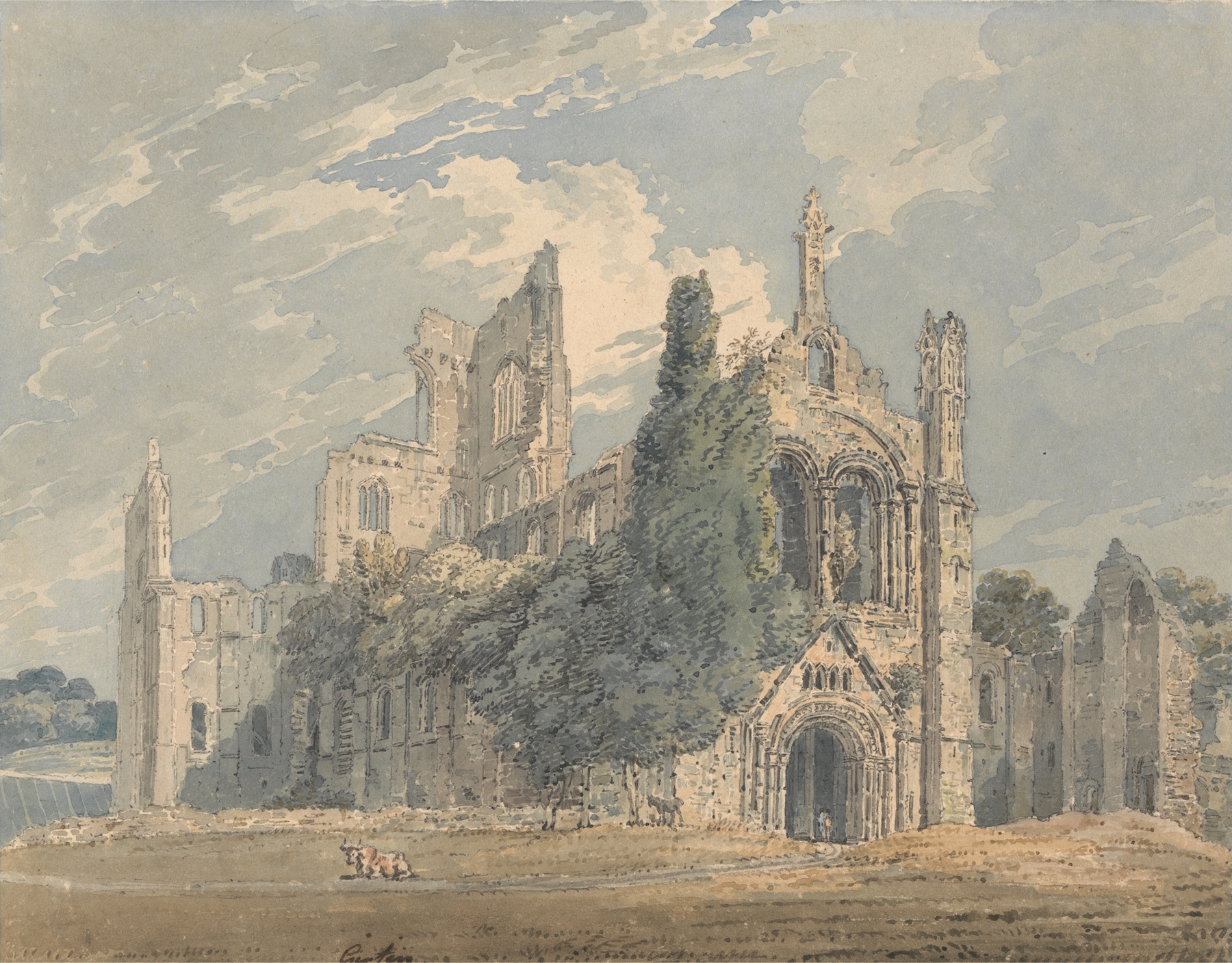
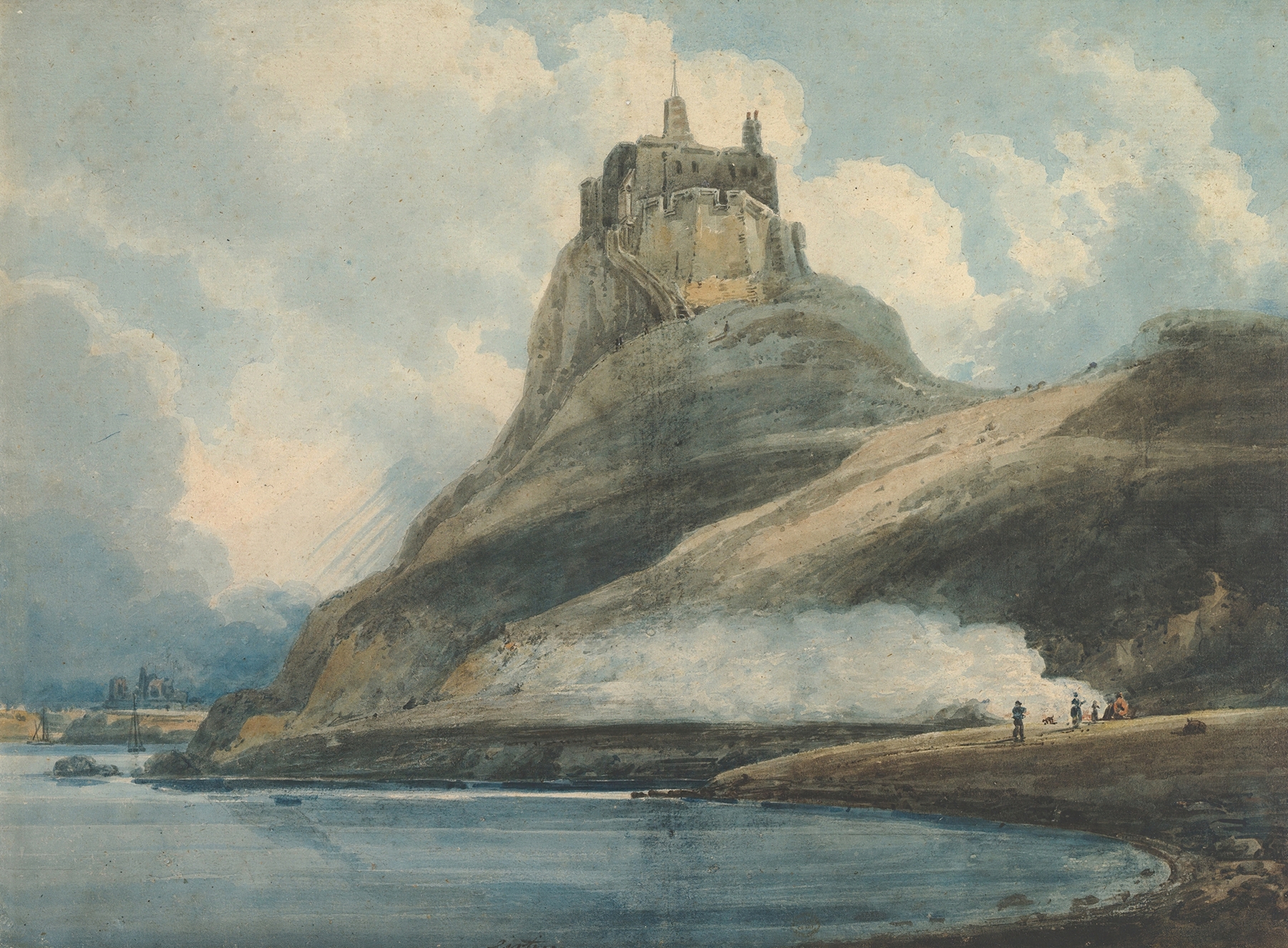
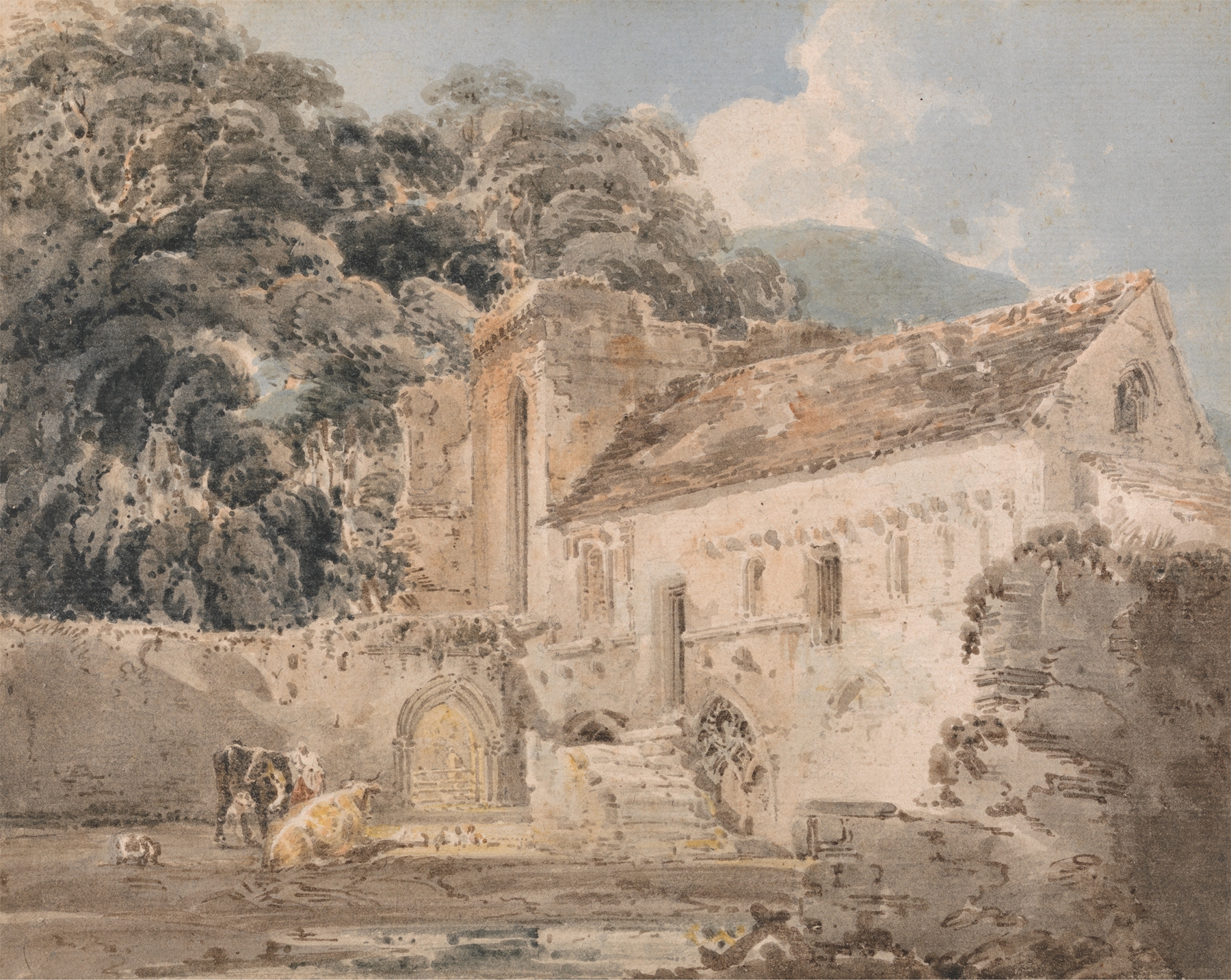
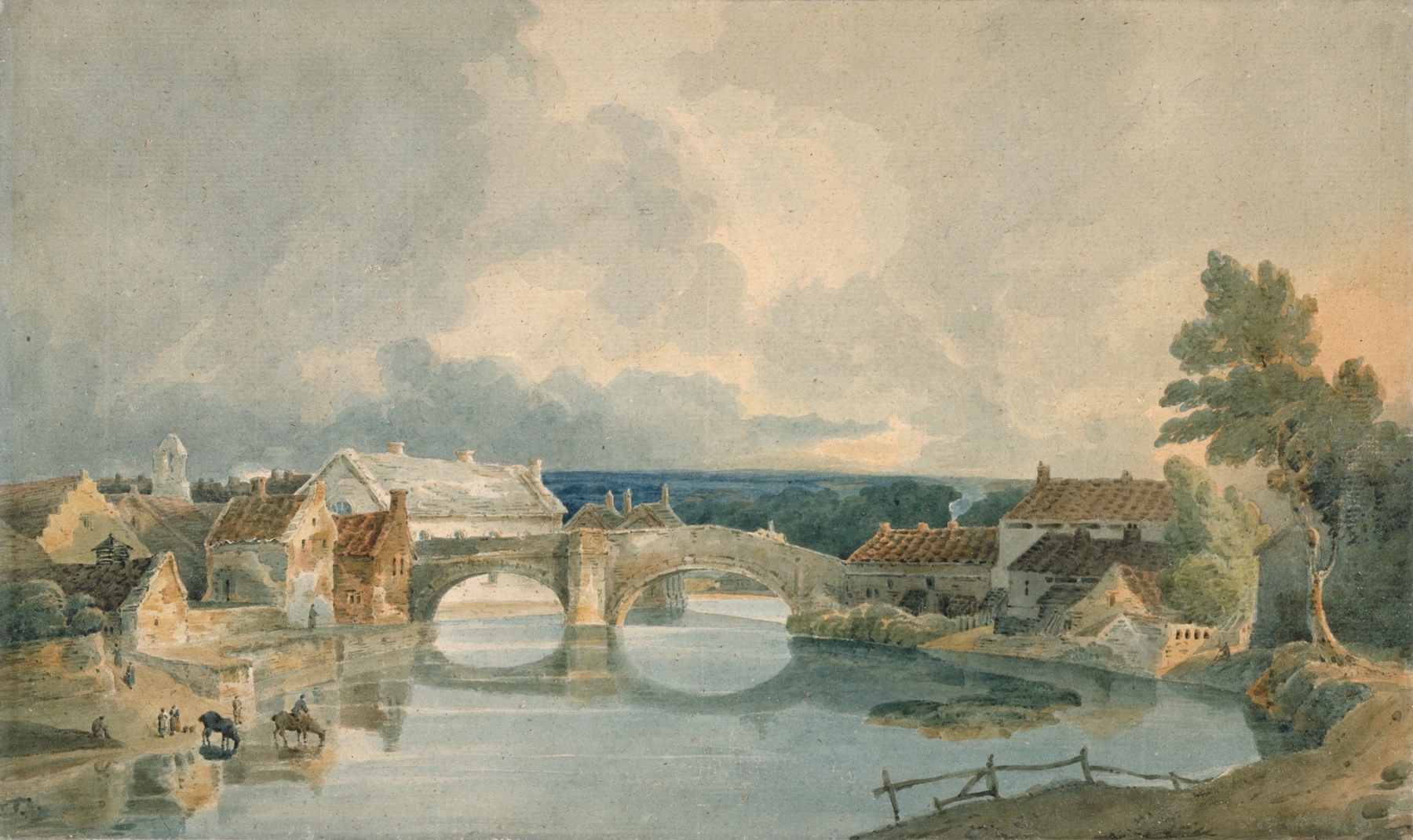
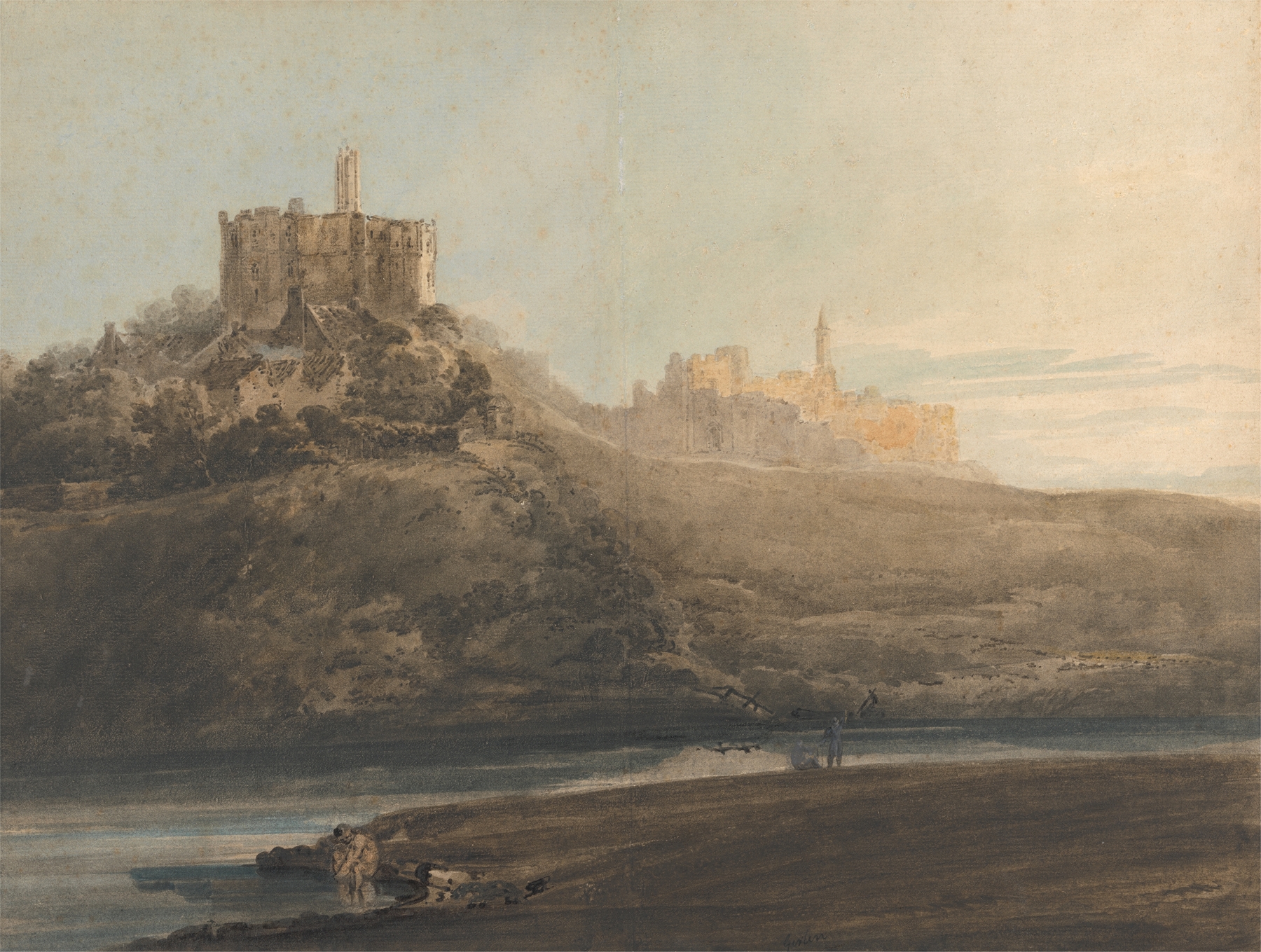
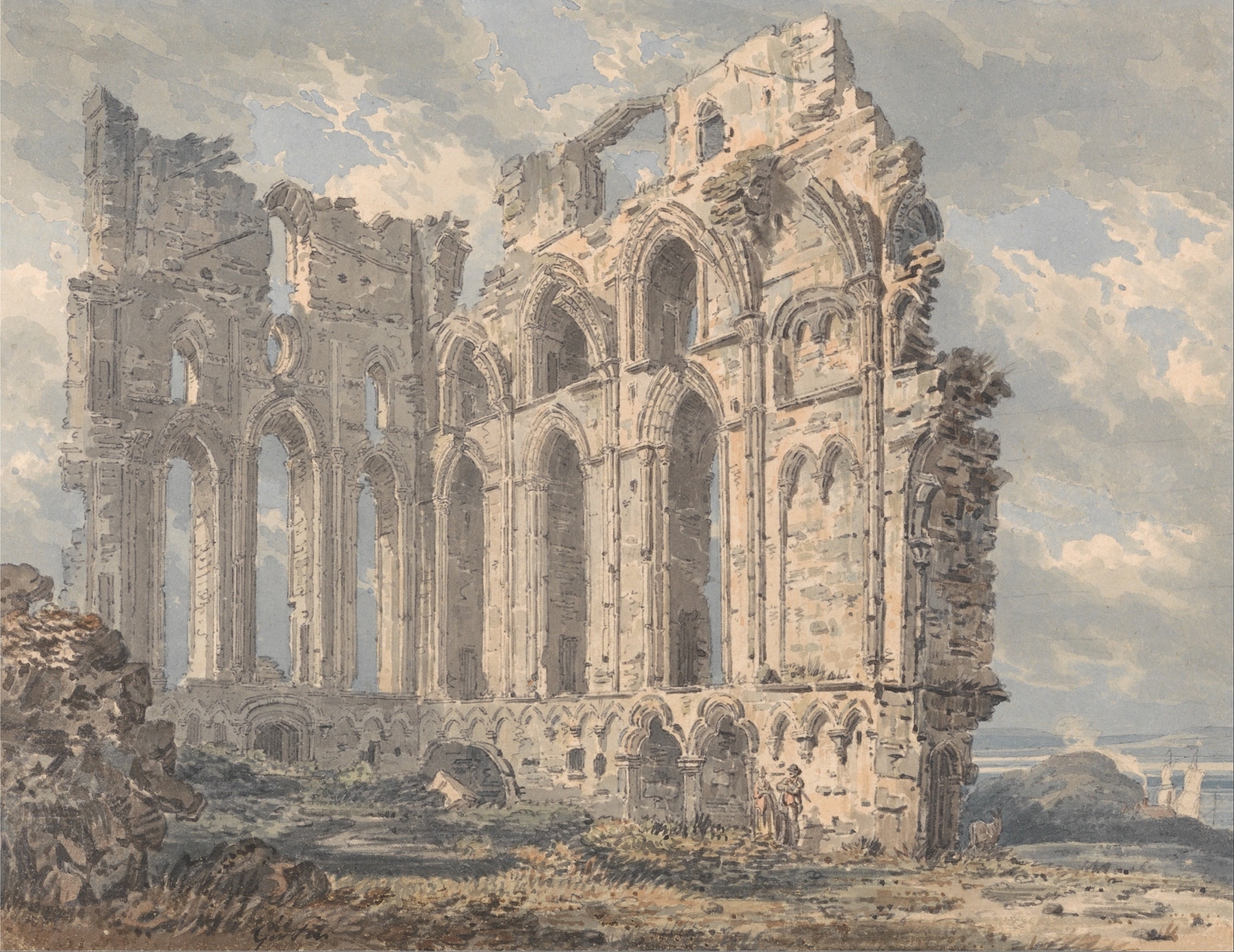
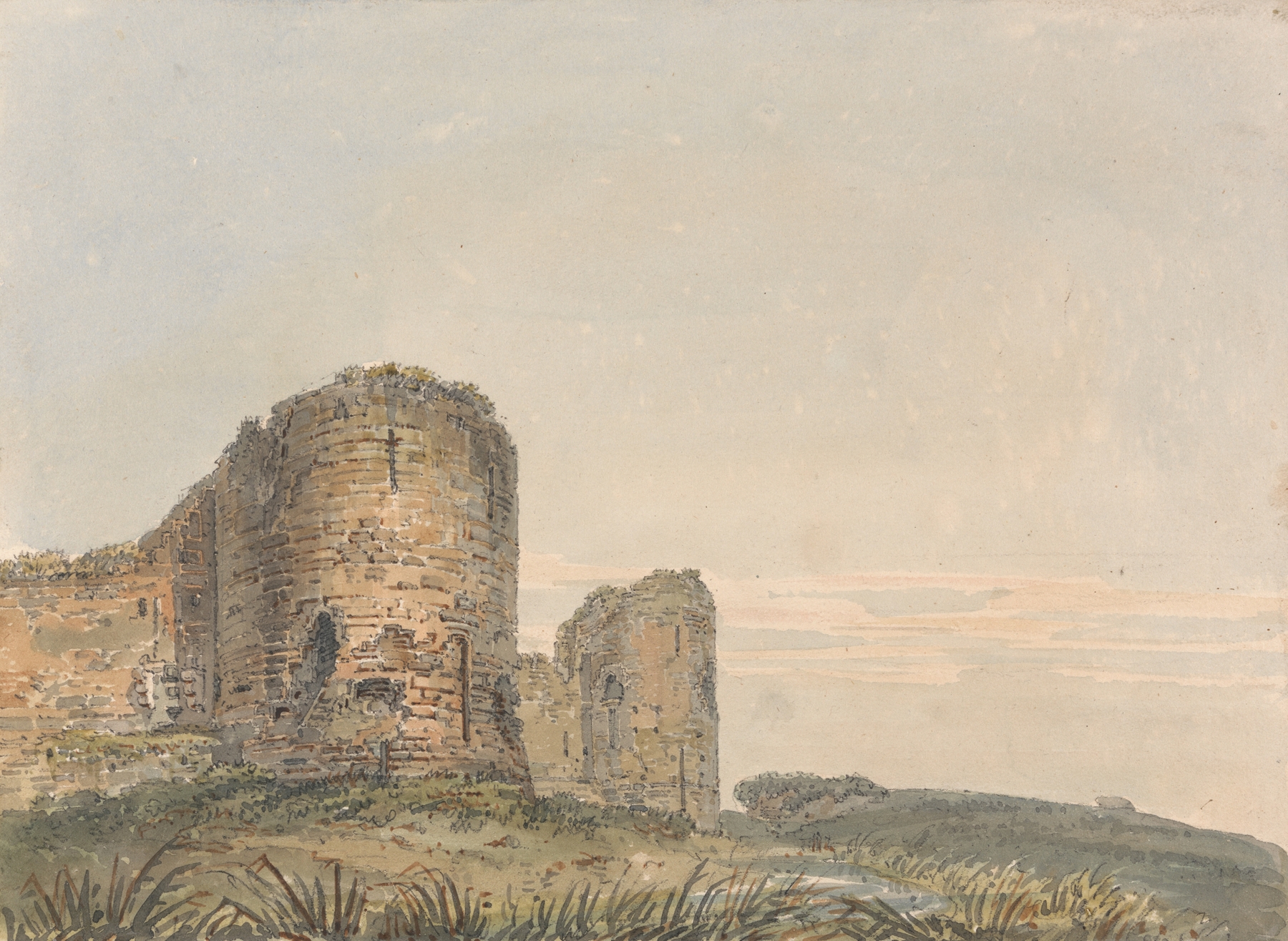
“Every silence here is a confession.” In the quiet embrace of nature, serenity lingers, challenging the boundaries of the soul. This moment captured, a portal to transcendence, invites introspection and exploration. Look to the center of Pluscardine Abbey, where the crumbling stonework emerges with a weathered grace against a soft, muted sky. Notice the delicate brushstrokes that breathe life into the ruins, and how Girtin masterfully captures the interplay of light and shadow. The ethereal blues and greens dominate the palette, evoking a sense of tranquility while hinting at the passage of time.
The composition is carefully balanced, drawing the eye toward the abbey's arches that reach out like open arms, inviting viewers into a world that feels both eternal and fleeting. Within the desolate beauty lies a profound dichotomy: decay and resilience, the sacred and the secular. The ruins whisper of history, evoking memories of prayers once uttered and lives once lived. Yet beneath the tangible remnants, there is an invitation to transcend the physical — a yearning for connection with something greater.
The interplay of light softens the harshness of the stone, suggesting that where there is darkness, there can also be light, and in silence, one can find solace. In 1793, Thomas Girtin painted this evocative landscape during a time of romantic exploration in the English art world. The artist, having recently returned from a tumultuous period of study in France, found himself deeply inspired by the sublime beauty of the British landscape. His innovative approach to watercolor combined the realism of the natural world with an emotional resonance, paving the way for future generations of landscape artists.