Valle Crucis Abbey, Denbighshire — History & Analysis
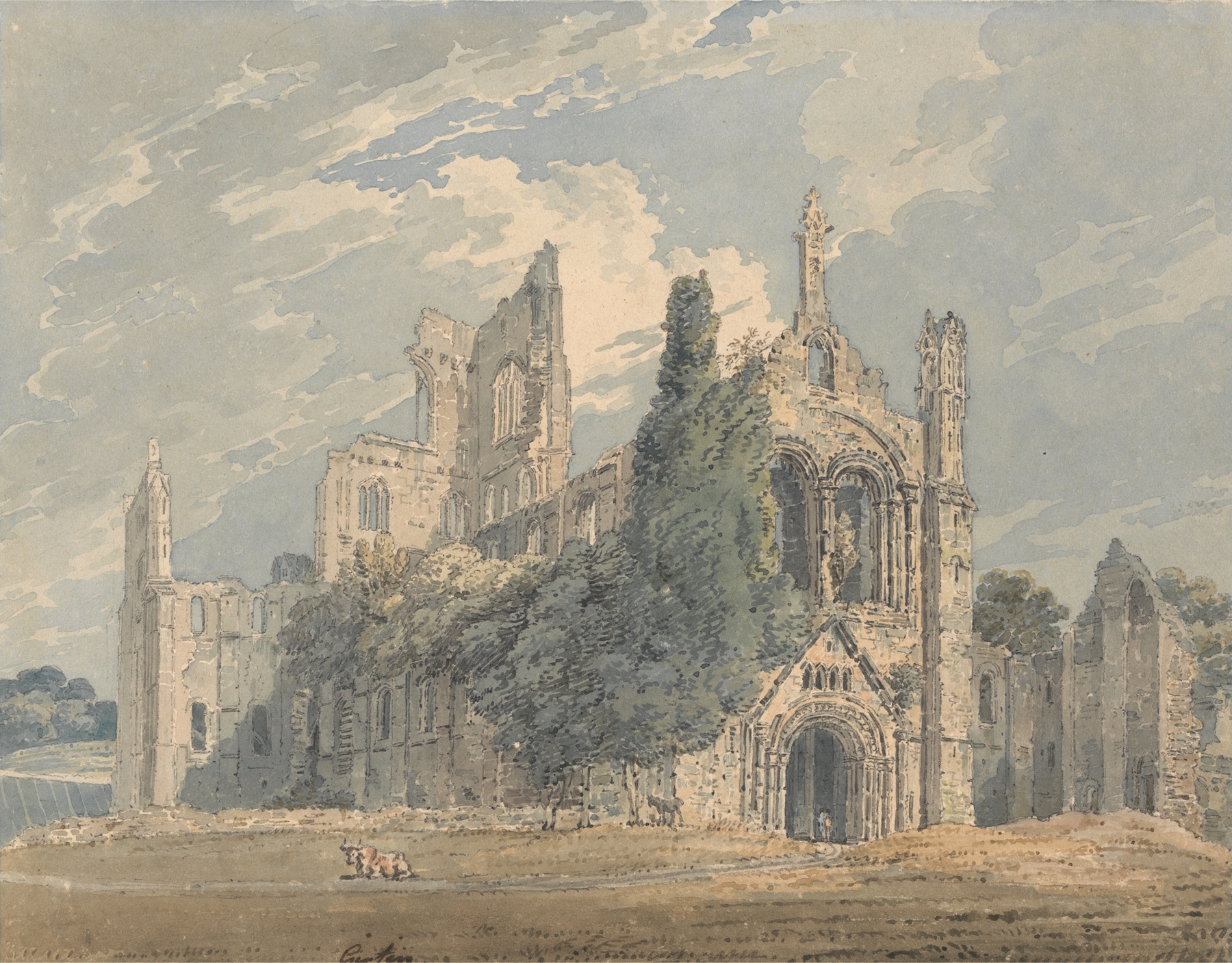
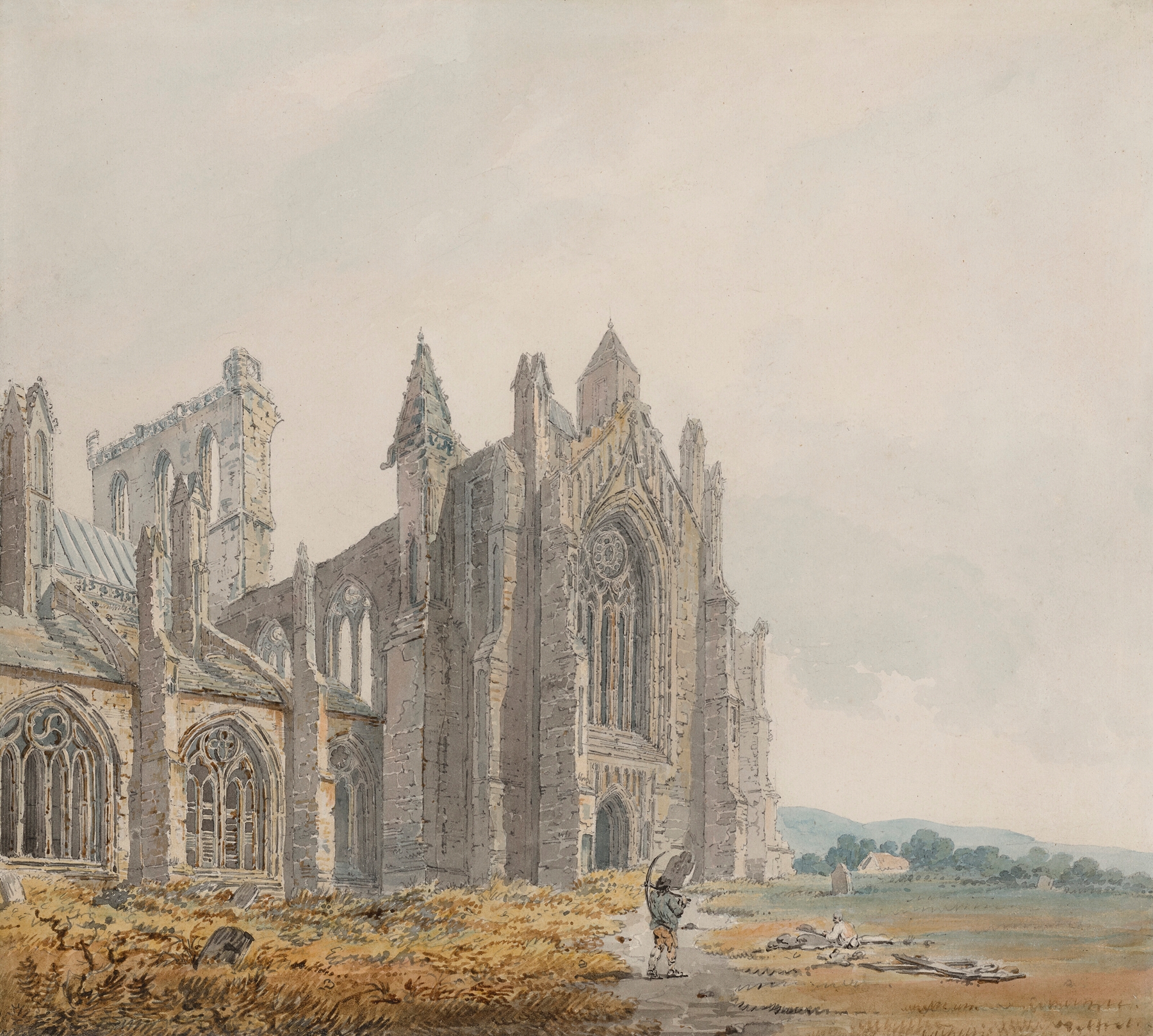
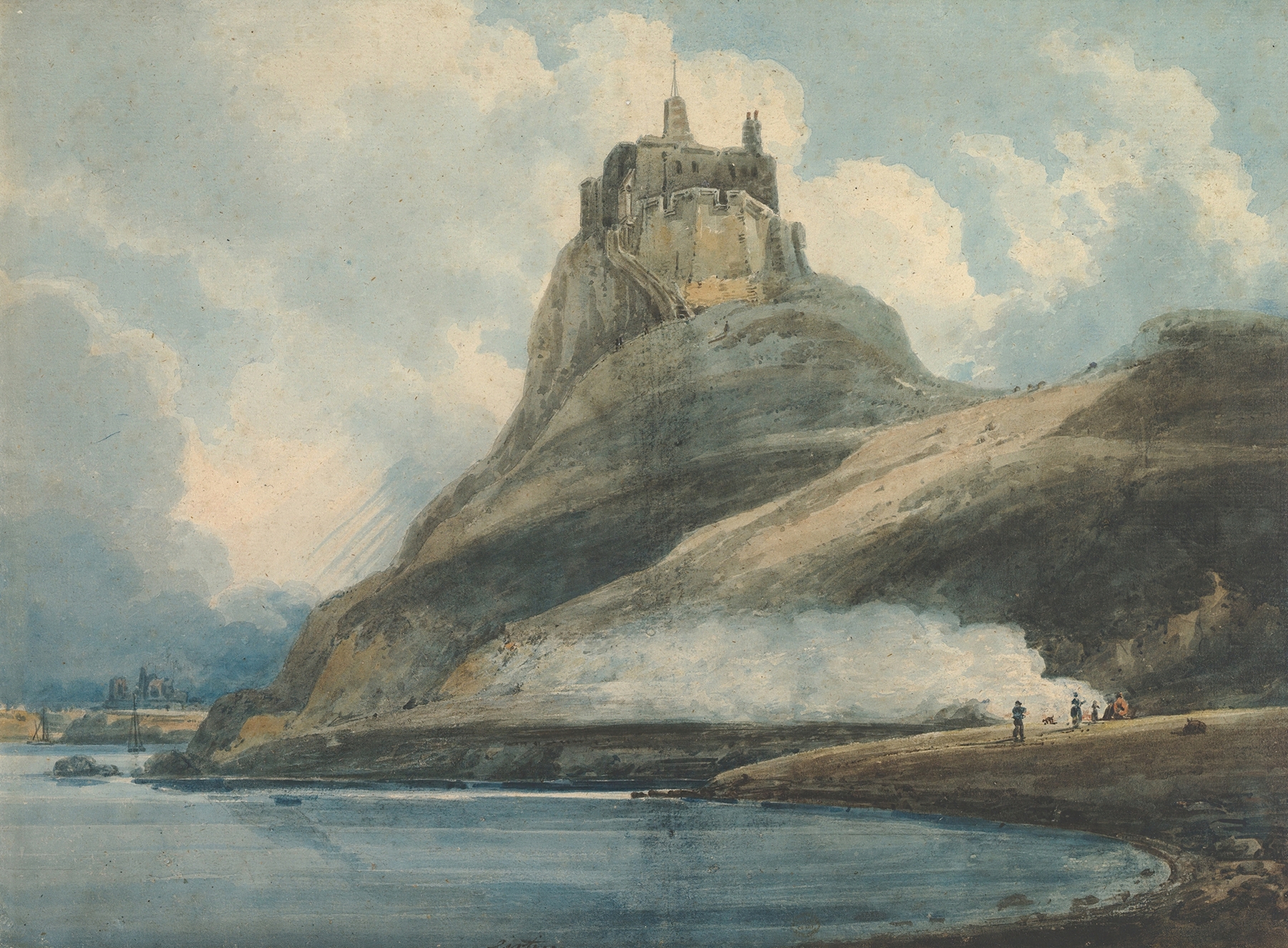
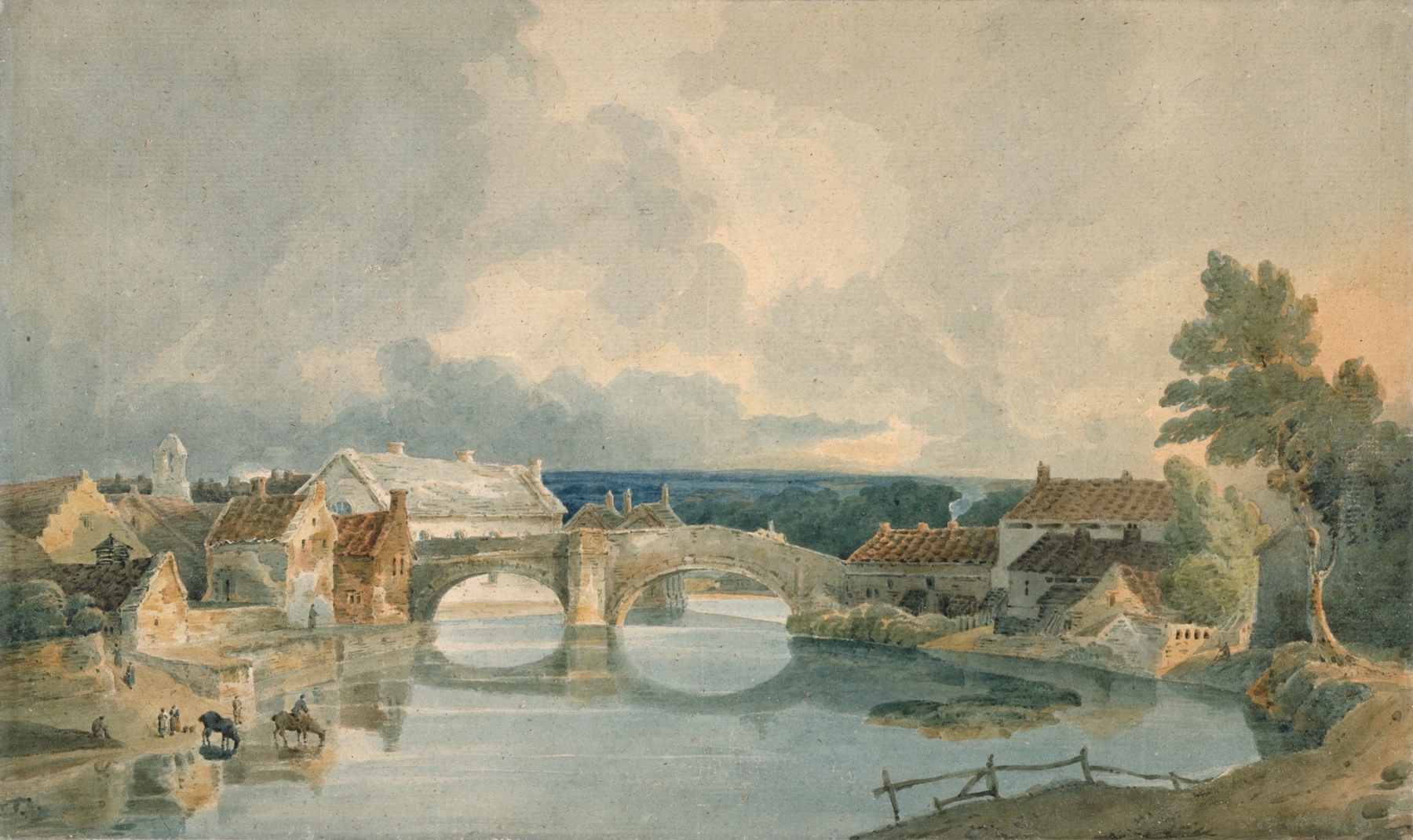
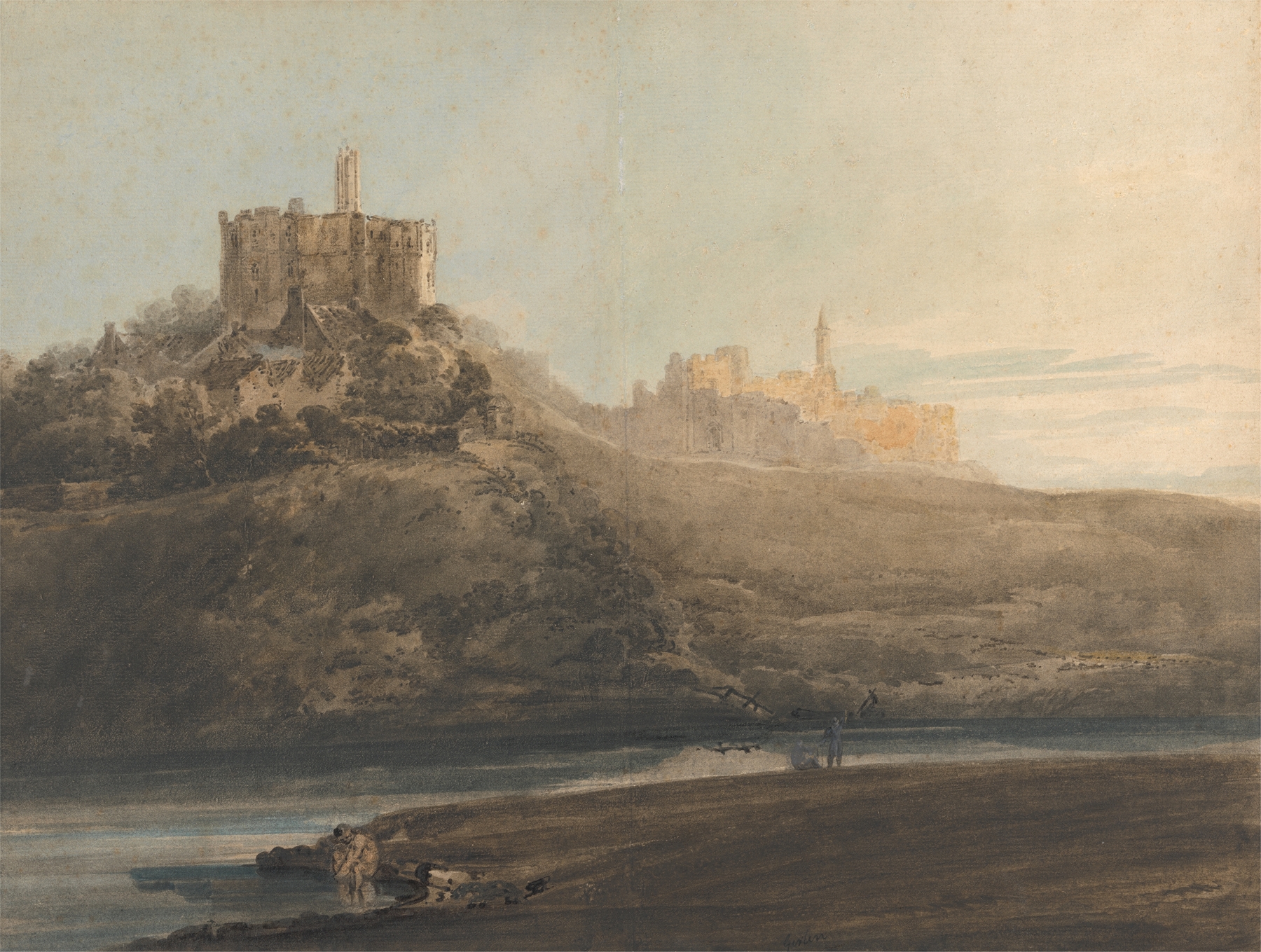
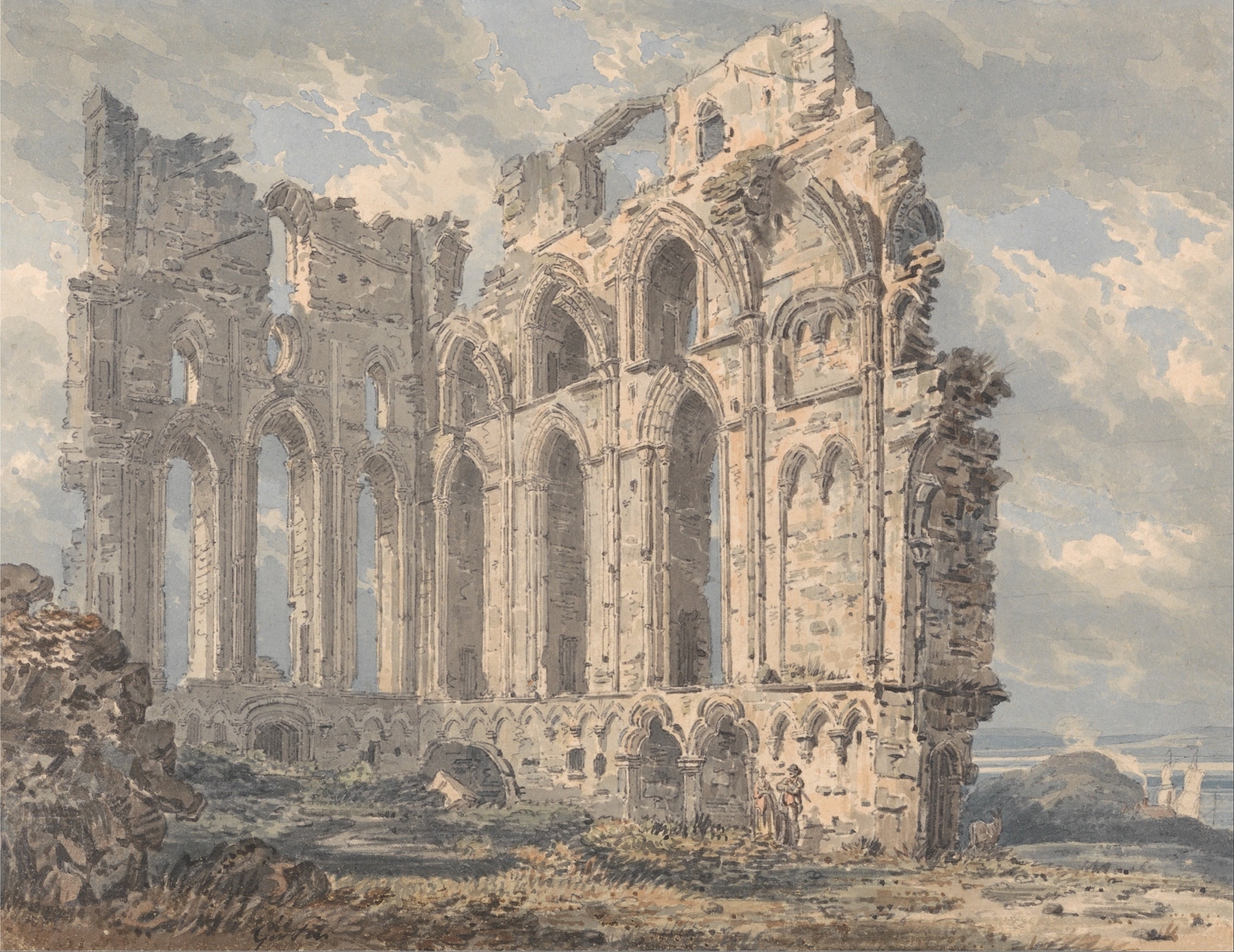
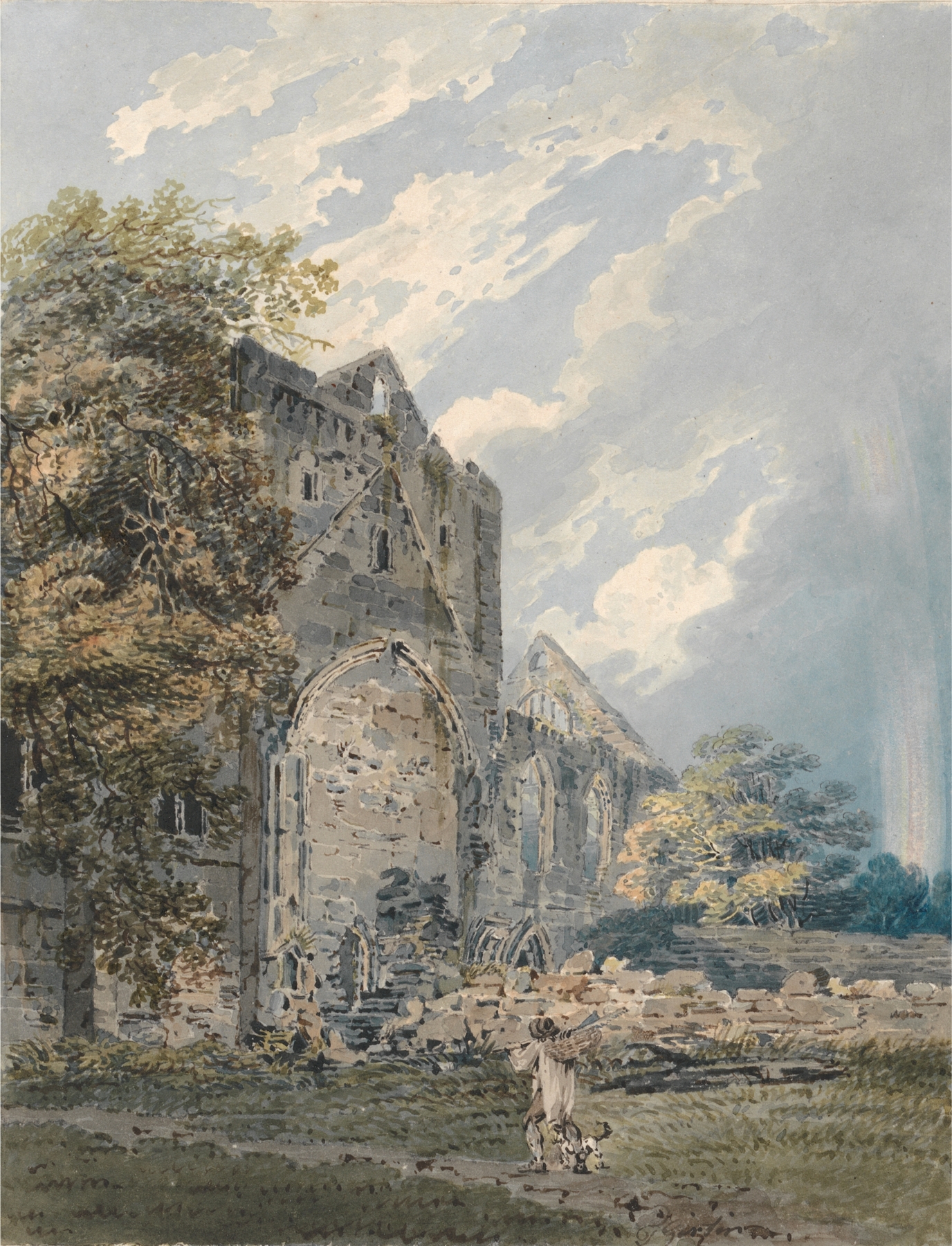
“Under the brush, chaos becomes grace.” A legacy captured in time, where the interplay of light and shadow whispers the stories of ancient stones and forgotten prayers. Focus on the serene silhouette of Valle Crucis Abbey, nestled within lush greenery, as your eyes are drawn to the soft wash of colors that breathe life into the scene. The artist employs delicate watercolor techniques, allowing the subtleties of earth tones to blend fluidly. Notice how the gentle hues of blue and green create a tranquil sky, while the structure stands resolutely, a testament to both decay and endurance.
The way light dances on the abbey’s weathered facade evokes a sense of nostalgia, inviting you to linger in its presence. Within this composition lies a tension between the beauty of nature and the remnants of human endeavor. The abbey, while fading, remains a powerful symbol of spiritual and historical significance, representing the passage of time and the fragility of legacy. The surrounding landscape, vibrant and alive, serves as a poignant reminder of nature's relentless reclaiming, emphasizing both loss and continuity.
Subtle details, like the wisps of clouds or the delicate tree branches, weave together the themes of memory and the impermanence of human creations. Thomas Girtin painted this work in 1799, a time when he was establishing his reputation in the English watercolor movement. Living in London, he was deeply influenced by the Romantic ideals surrounding nature and ruins, showcasing his ability to evoke emotion through the landscape. Amidst a burgeoning appreciation for the picturesque, Girtin's vision bridged the gap between tradition and innovation, securing his legacy as a pioneer in the art of watercolor.