Dutch sailing boats on the Zuyder Zee with a distant windmill — History & Analysis
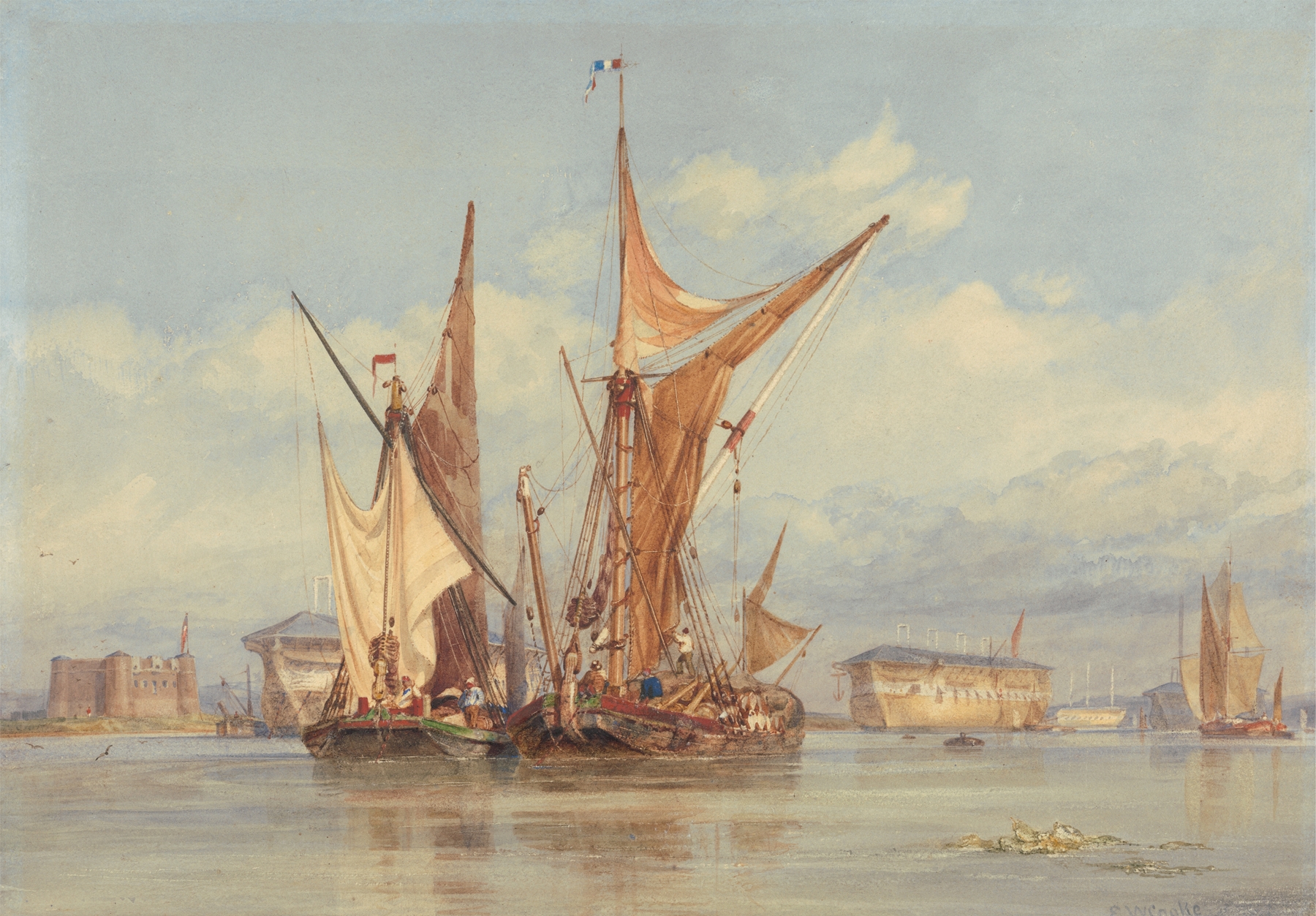
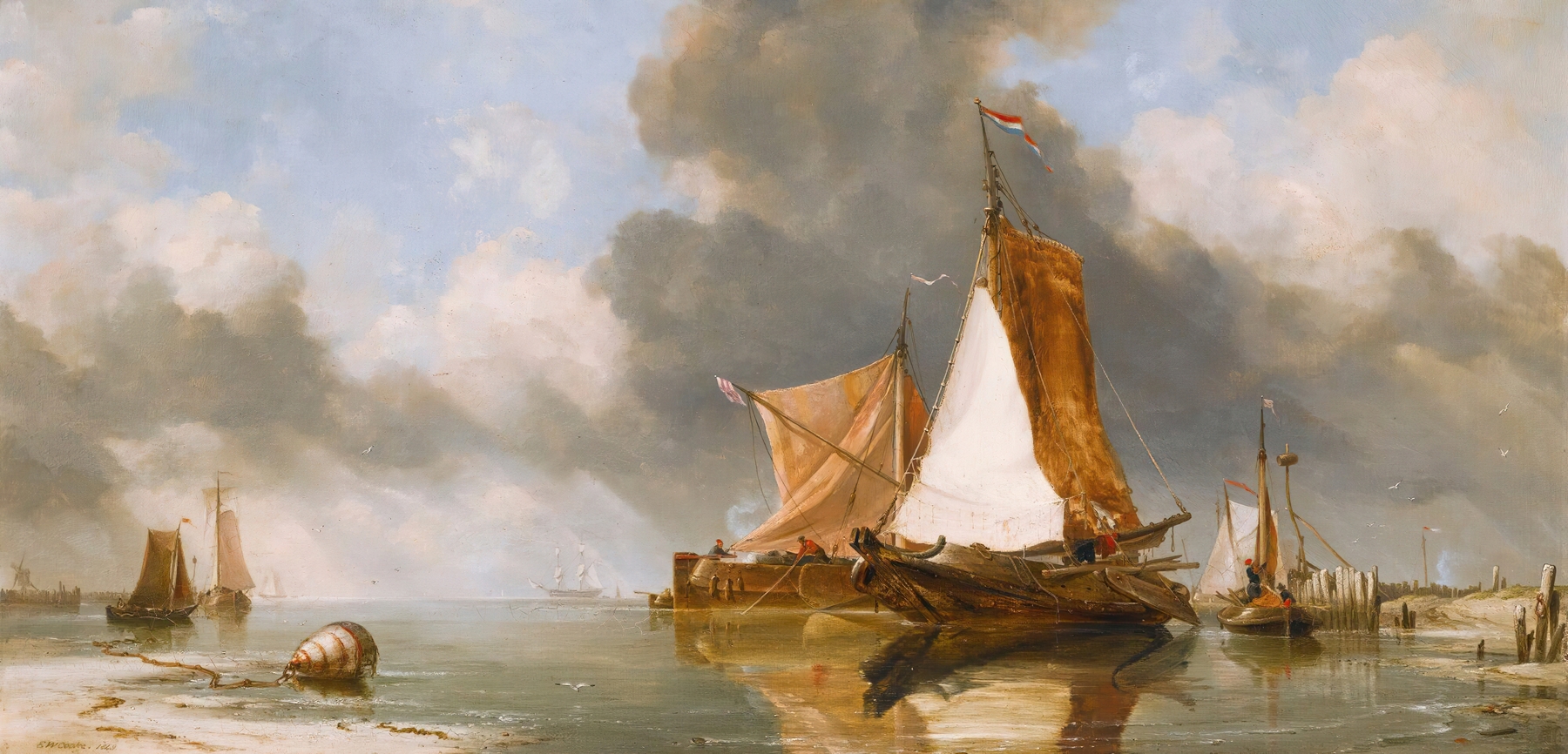
“Between color and silence, truth hides.” In Dutch sailing boats on the Zuyder Zee with a distant windmill, the movement of the water is both palpable and serene, inviting contemplation of the delicate ballet between nature and human endeavor. Look to the left at the sleek silhouettes of the sailing boats, their sails taut against the gentle breeze, catching the eye with a crisp contrast to the soft blues of the water. The windmill, positioned in the background, rises majestically, anchoring the composition and offering a sense of depth. Notice how the artist employs a muted palette to reflect the tranquil atmosphere, while subtle brushstrokes evoke the undulating waves that suggest life and dynamism.
As you absorb the scene, consider the interplay between the boats and the windmill, symbolizing the harmony between man-made structures and the natural world. The tension between the stillness of the distant landscape and the lively movement of the vessels speaks to a transient moment — a reminder of the fleeting nature of life. The gentle ripples in the water mirror the boats' journey, hinting at stories of adventure and connection to the land.
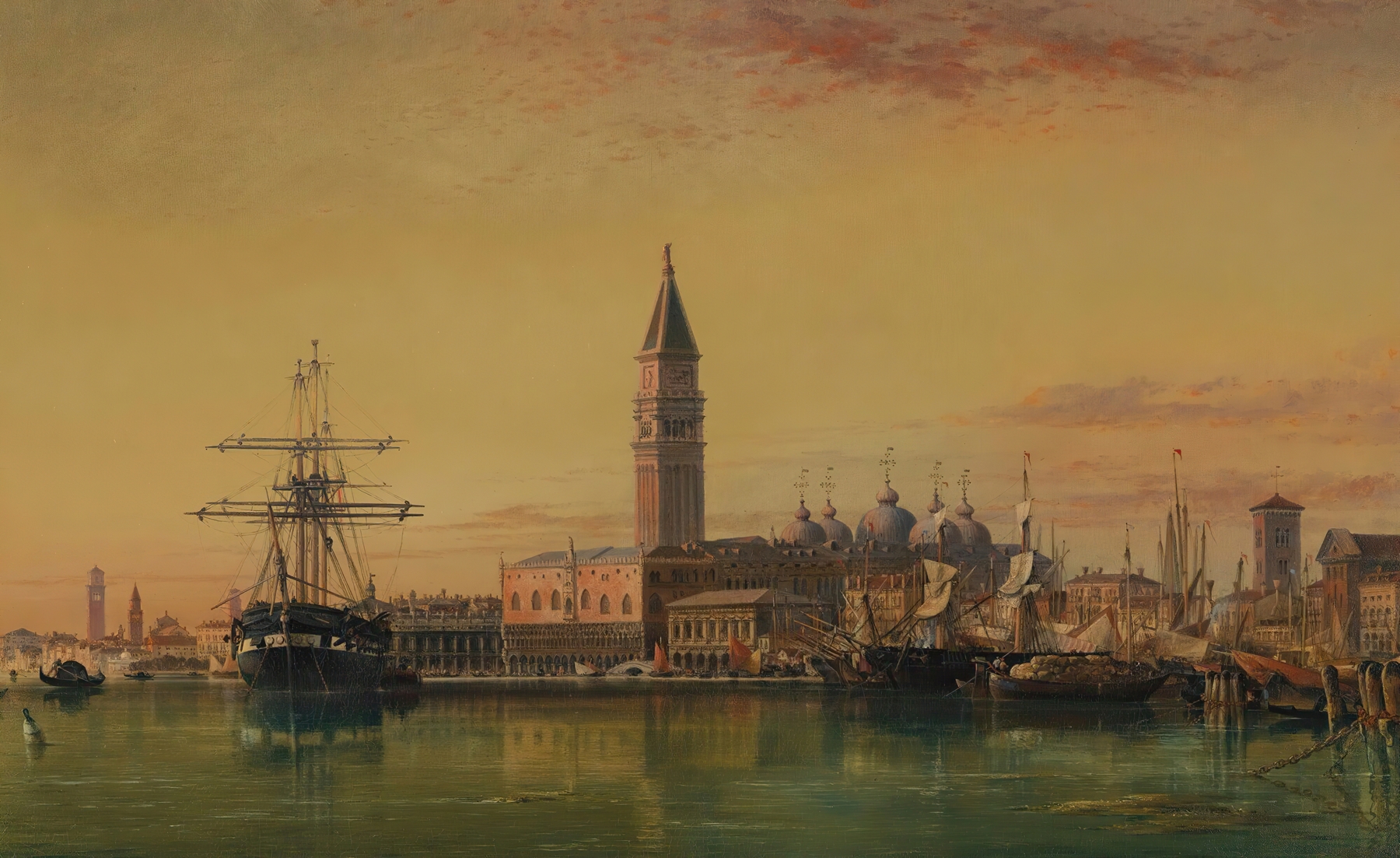
In 1864, Edward William Cooke was immersed in the Dutch landscape, capturing the essence of maritime life. This period saw him experimenting with watercolor techniques and the representation of light, influenced by the growing Romantic movement in art that emphasized emotion and nature. The artist's travels through the Netherlands offered fresh perspectives, allowing him to reflect on the relationship between humanity and its environment.