Early Morning After a Storm at Sea — History & Analysis
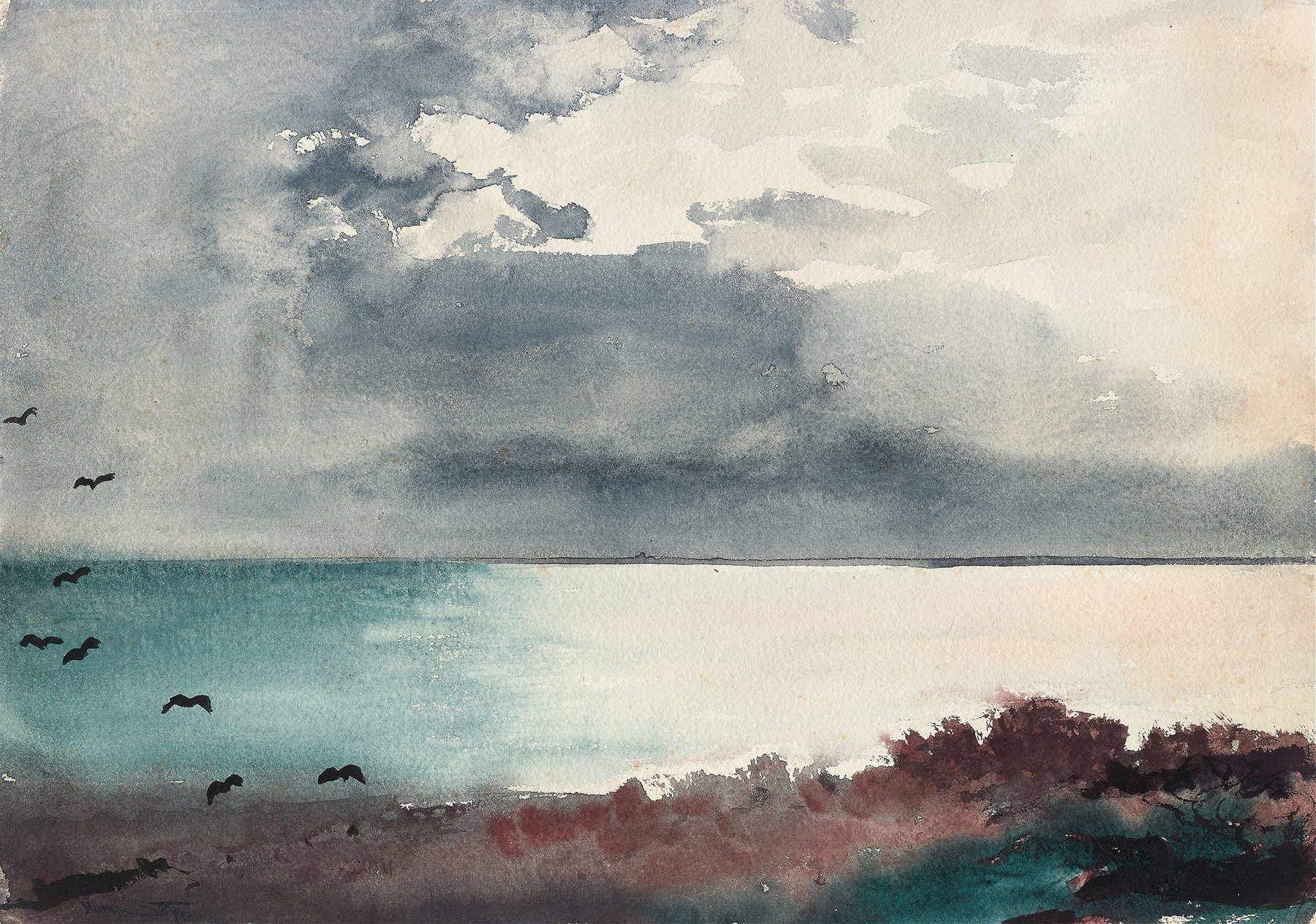
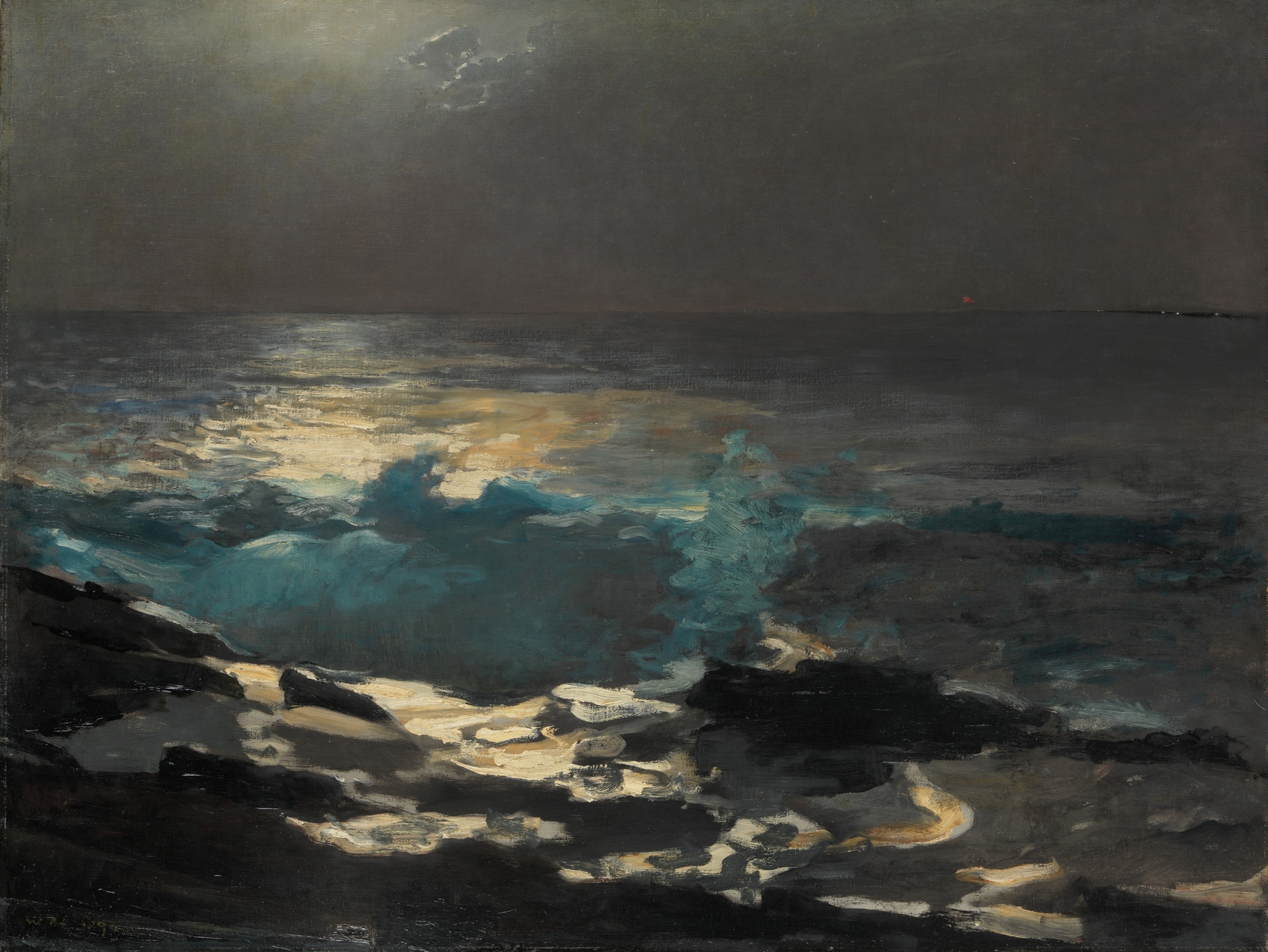
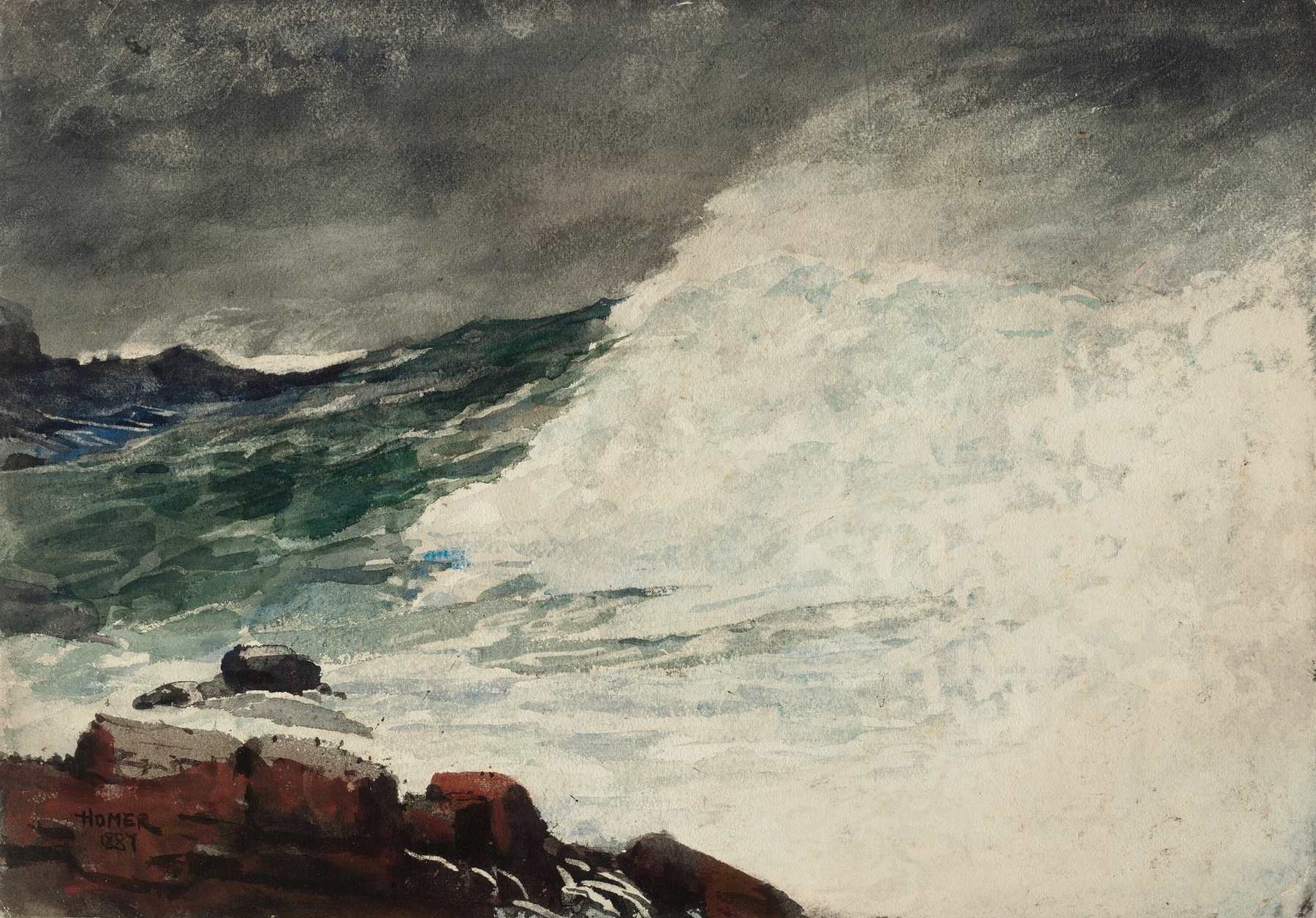
Could a single brushstroke hold eternity? In Winslow Homer's Early Morning After a Storm at Sea, the artist captures not merely a moment but a profound truth, one that resonates through the tumultuous interplay of nature and humanity. Look to the lower right, where the remnants of the storm linger in the churning sea, waves still surging with a hint of chaos. The horizon, painted in soft pastels, gently contrasts with the deep, moody blues of the water, illustrating the transition from turmoil to tranquility.
Notice how the light breaks through the clouds, illuminating the scene as if offering solace after the tempest, drawing the viewer’s eye toward the horizon—a promise of new beginnings. Within this serene aftermath lies a palpable tension. The struggle between the ferocity of the storm and the stillness of the aftermath embodies the duality of existence. The scattered boats, mere silhouettes against the vibrant backdrop, evoke a sense of vulnerability, hinting at the quiet resilience of those who dare to navigate such treacherous seas.
Each brushstroke tells a story of survival, the delicate balance between nature's wrath and its beauty. Homer painted Early Morning After a Storm at Sea between 1900 and 1903, a period marked by personal introspection and artistic evolution. Living in Prouts Neck, Maine, he drew inspiration from the Atlantic's relentless power, reflecting a broader movement in American art that celebrated raw, unfiltered experiences. At this time, he was solidifying his legacy as a master of capturing the intersection of man and nature, forever altering the landscape of American painting.