Enchanting Venice — History & Analysis
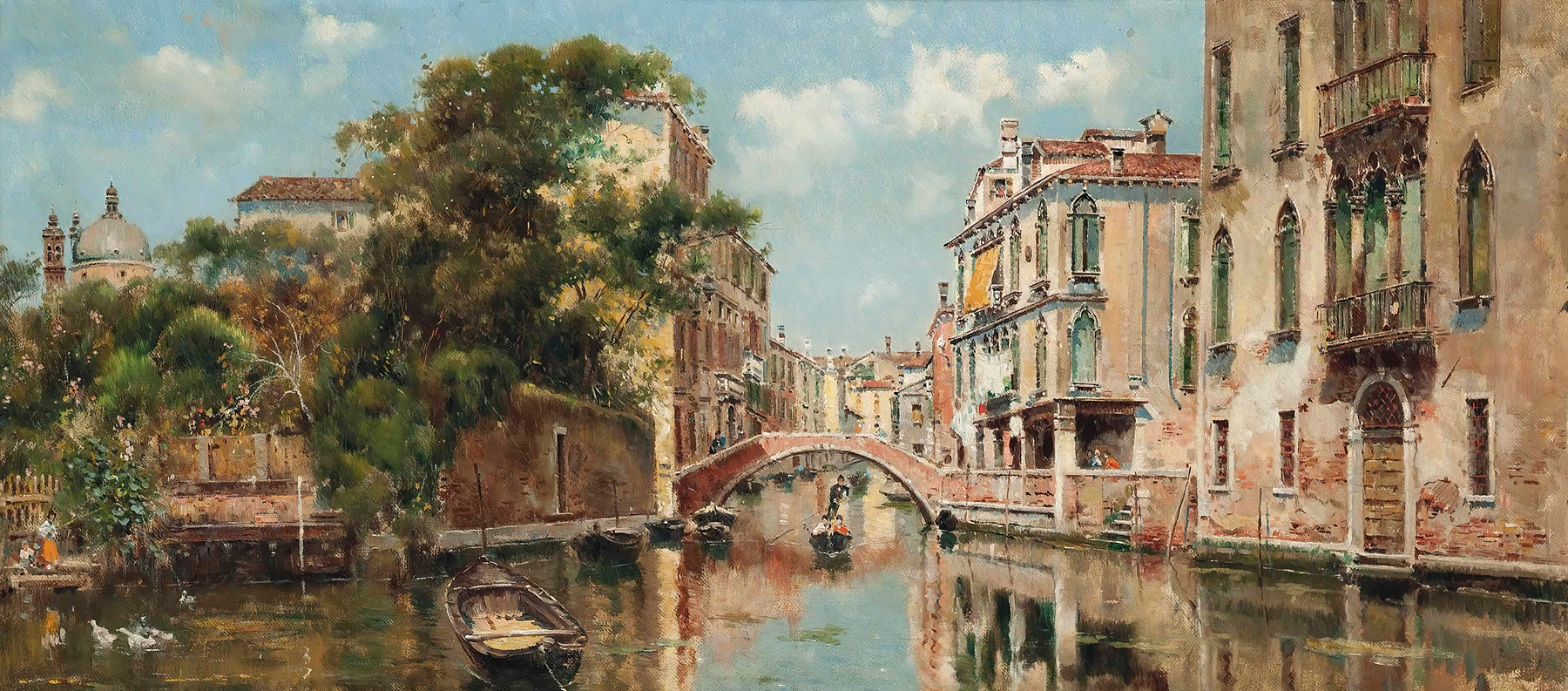
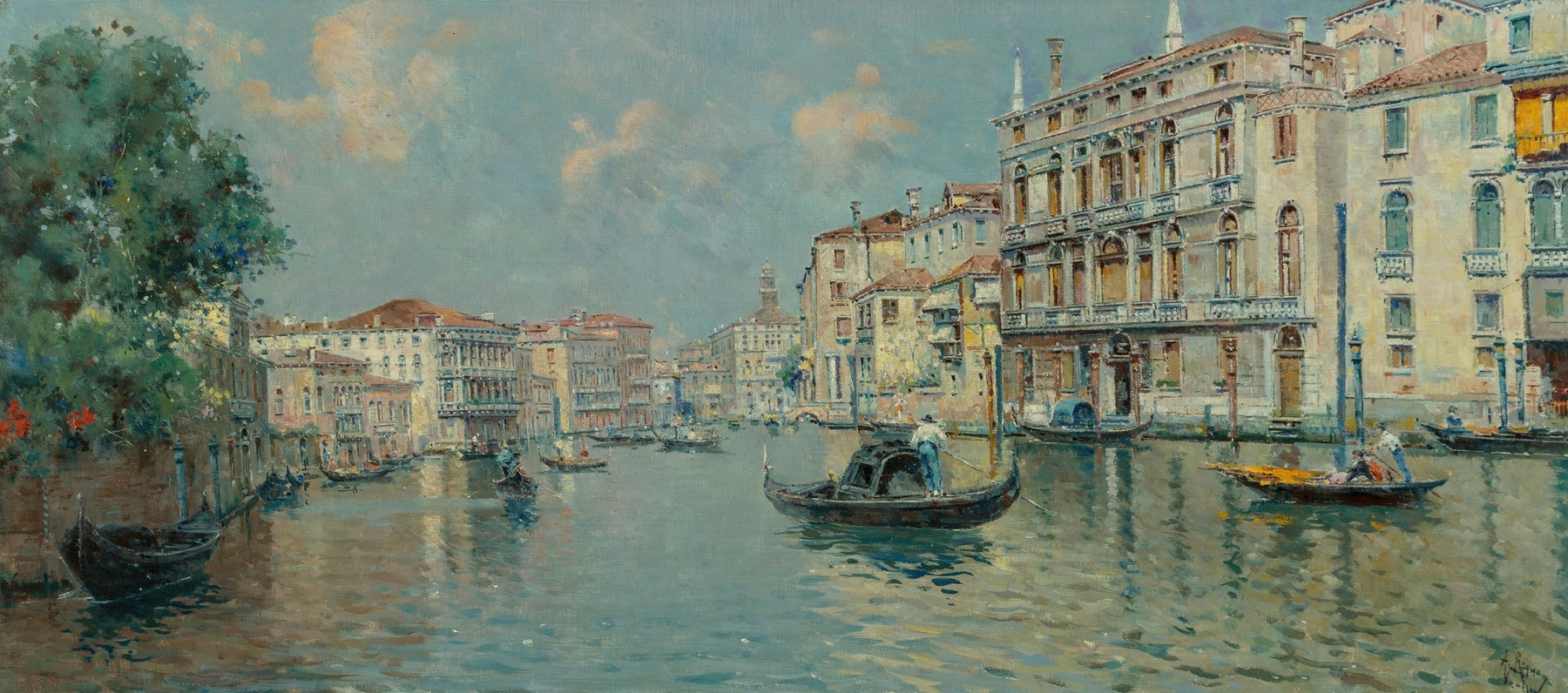
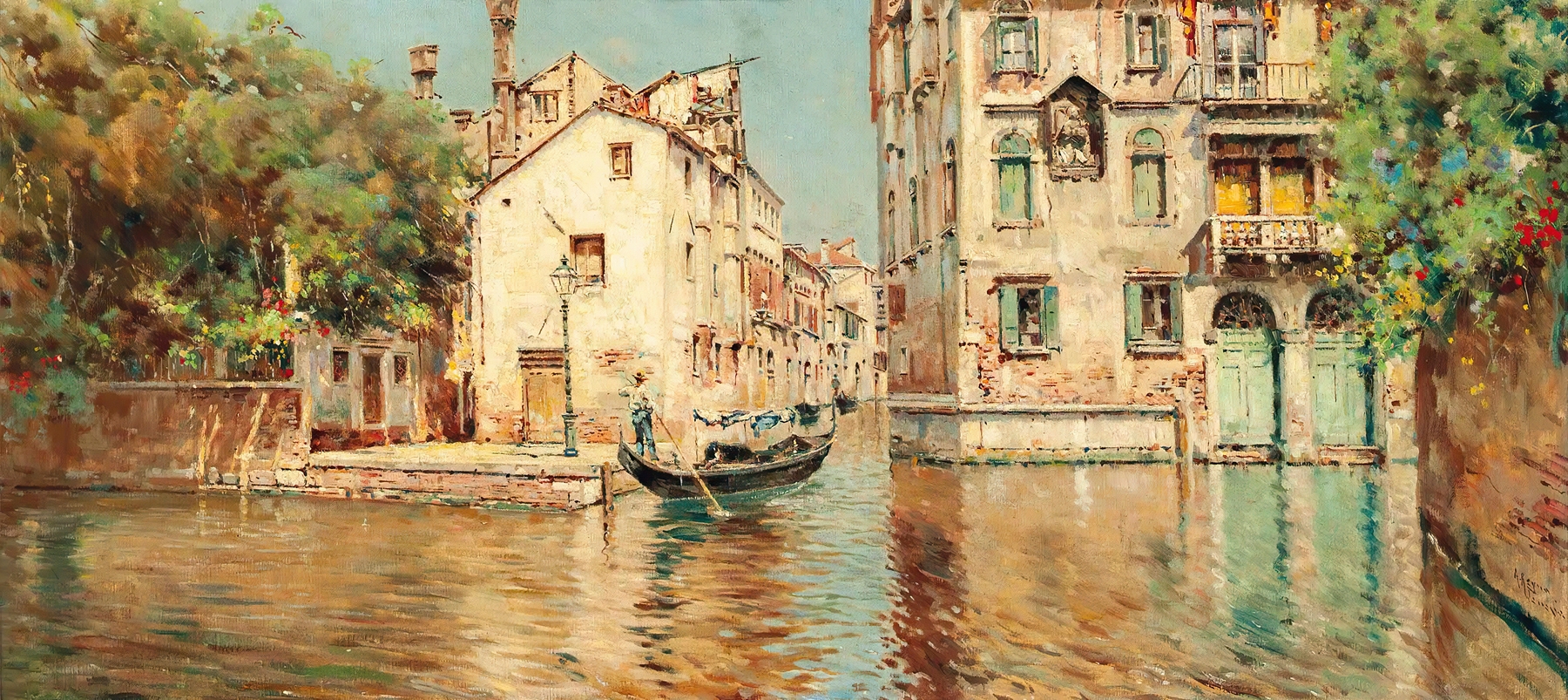
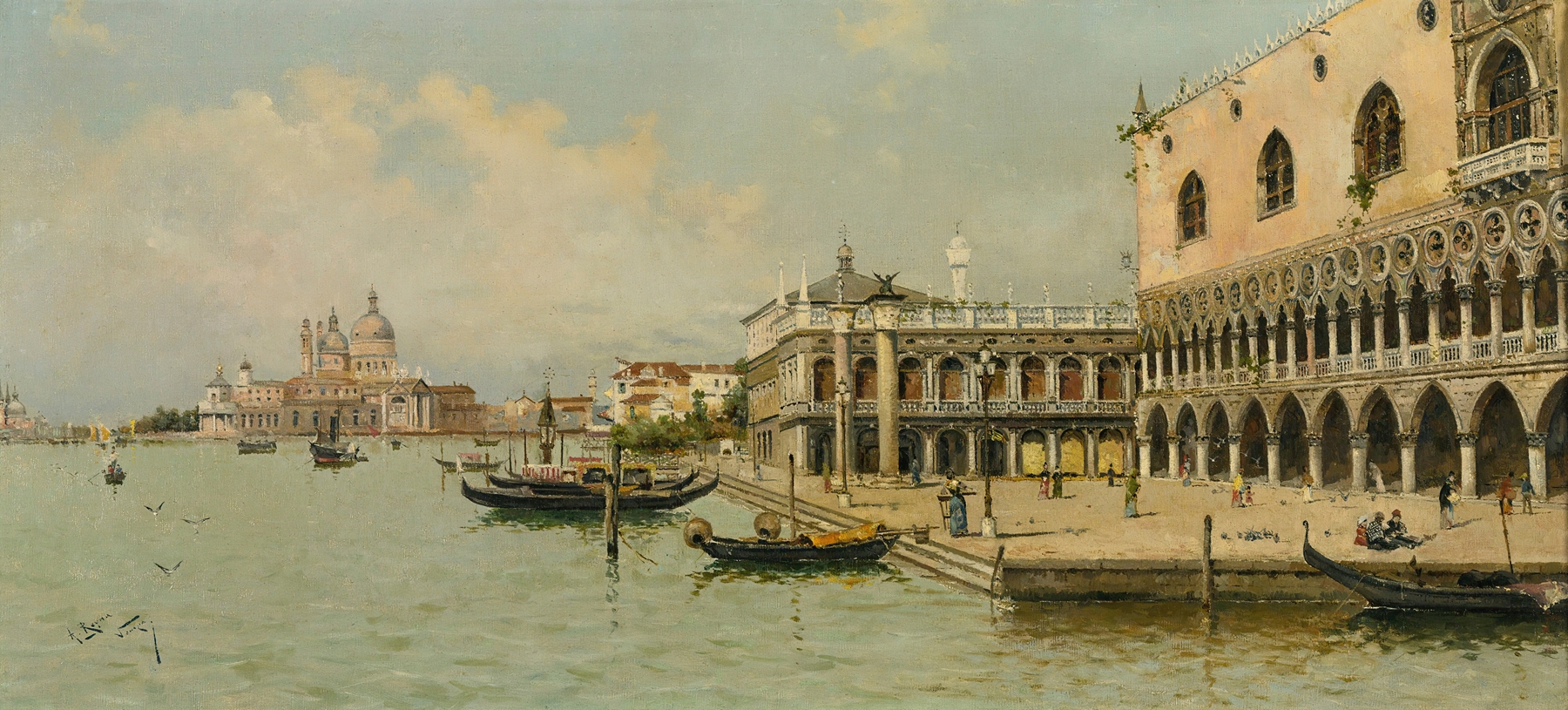
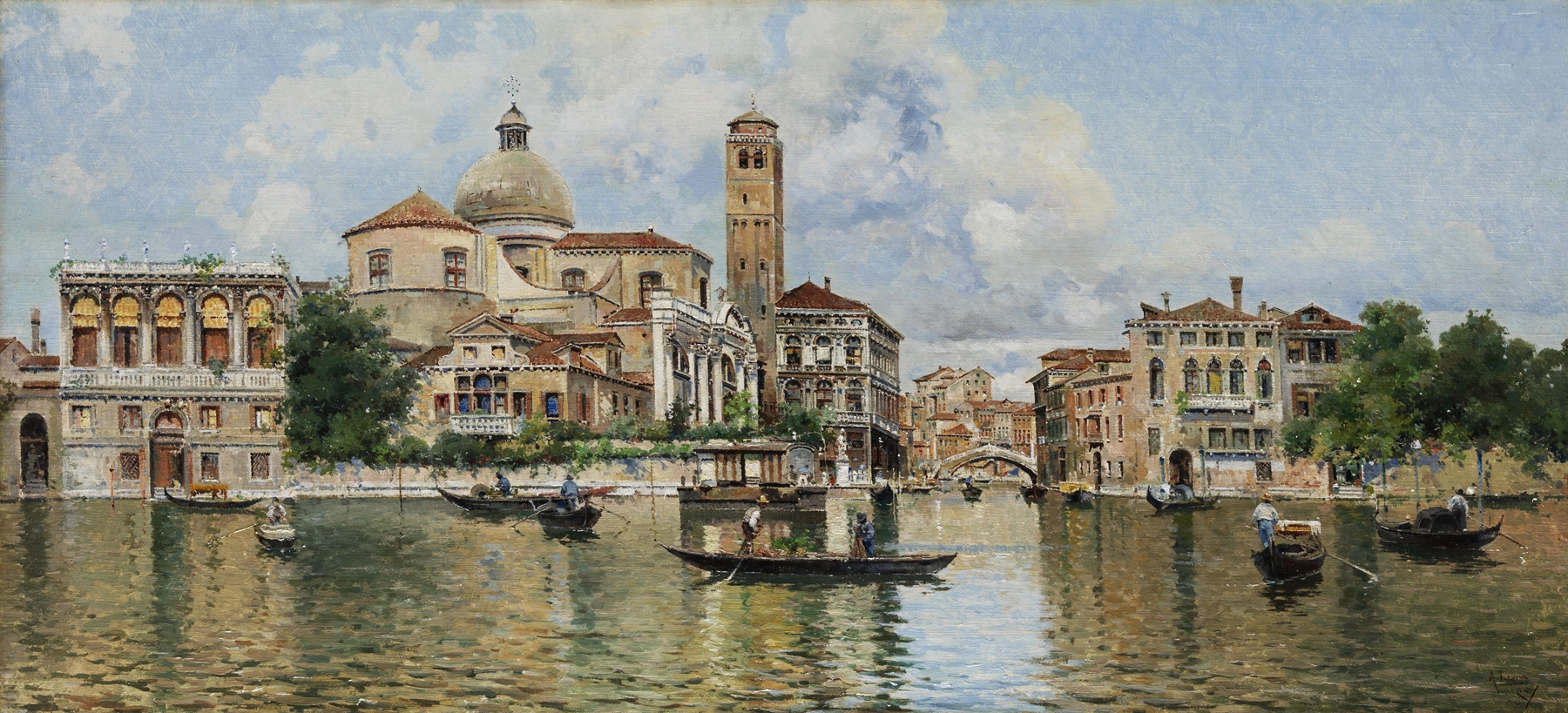
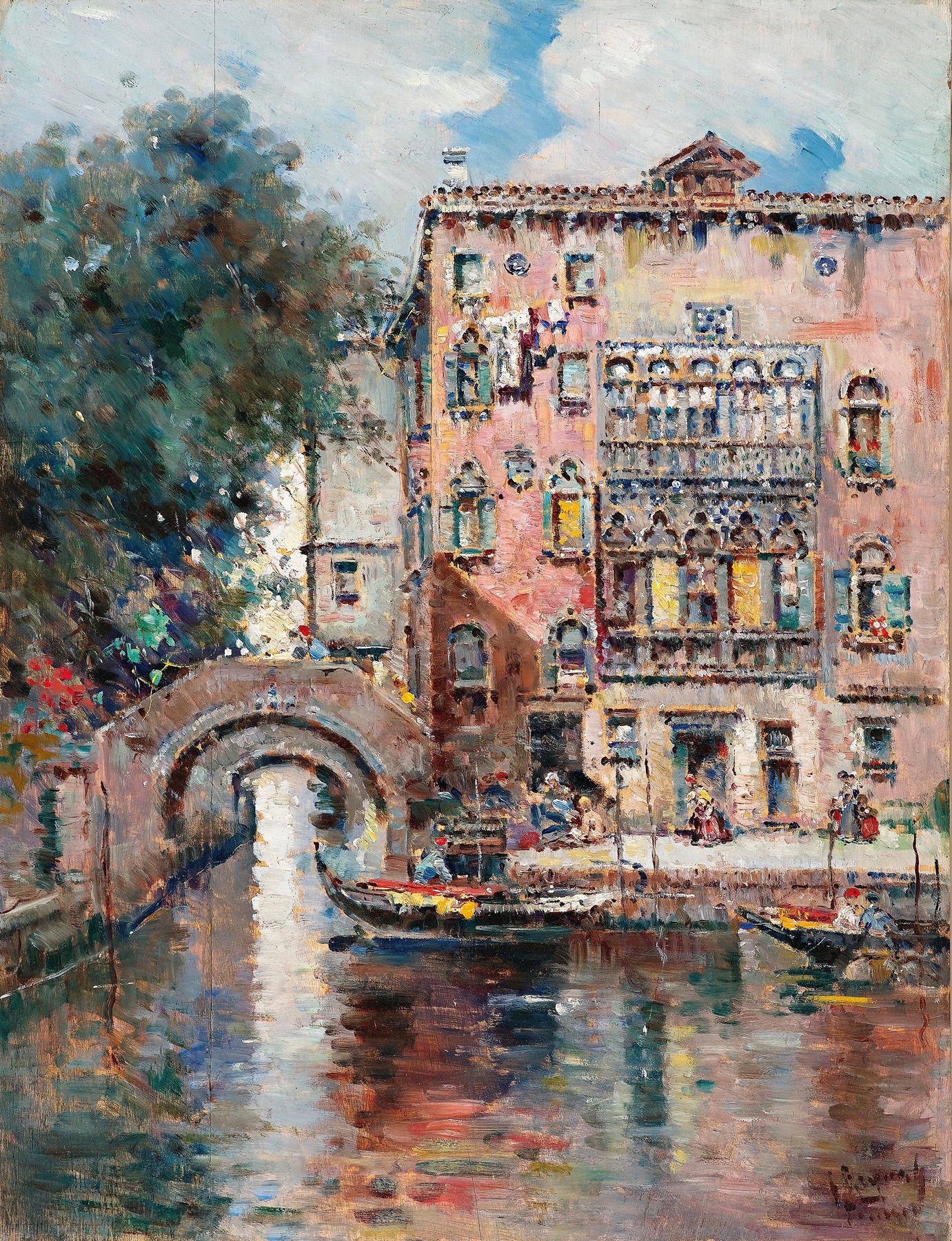
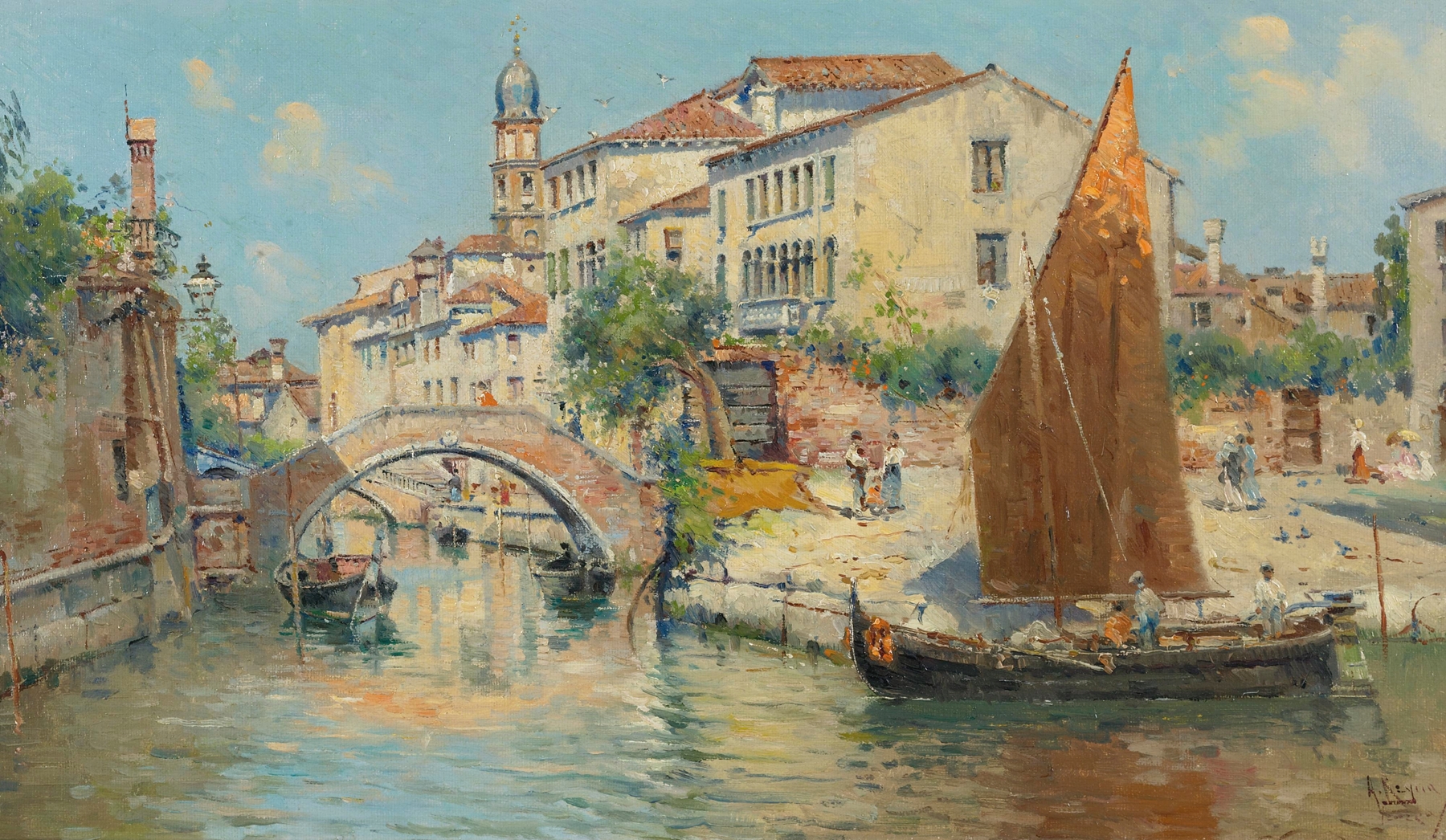
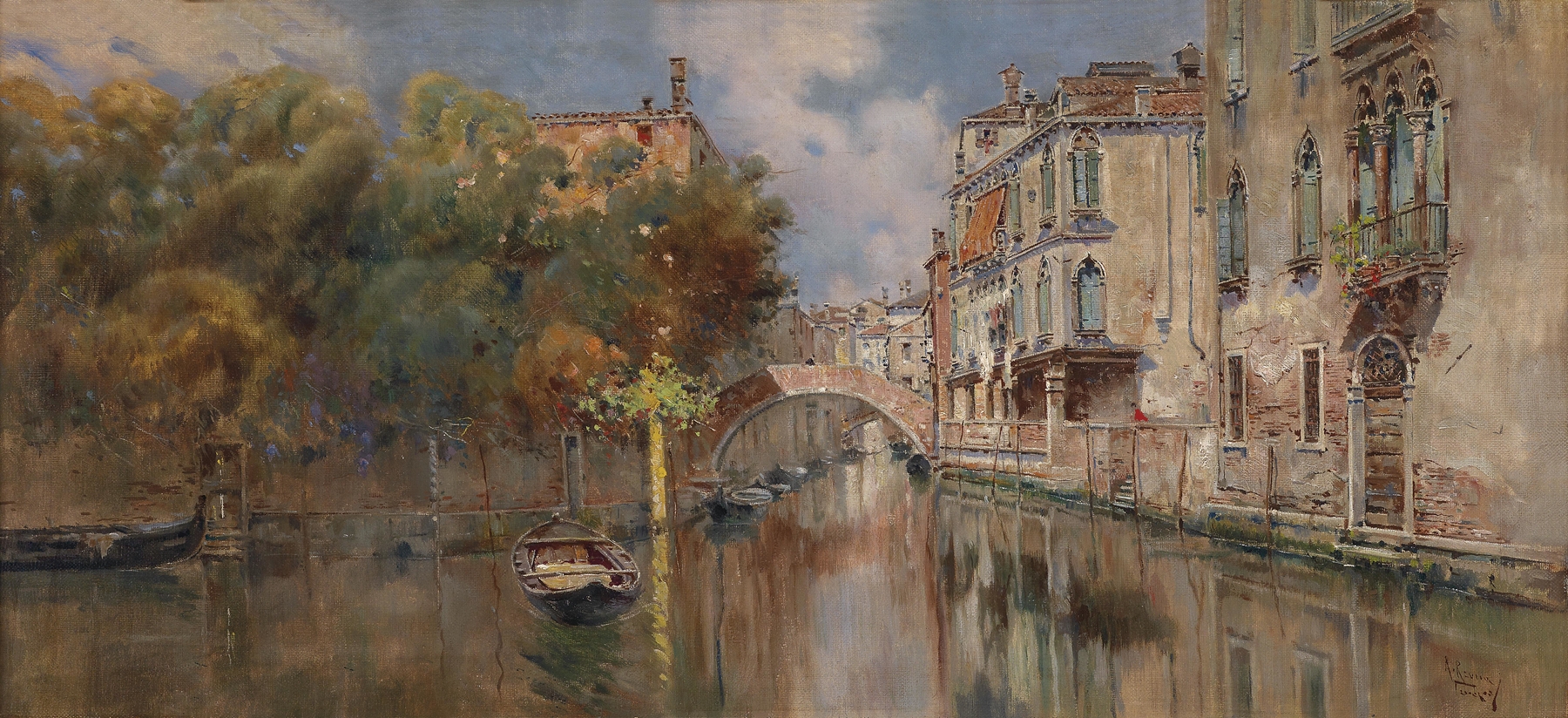
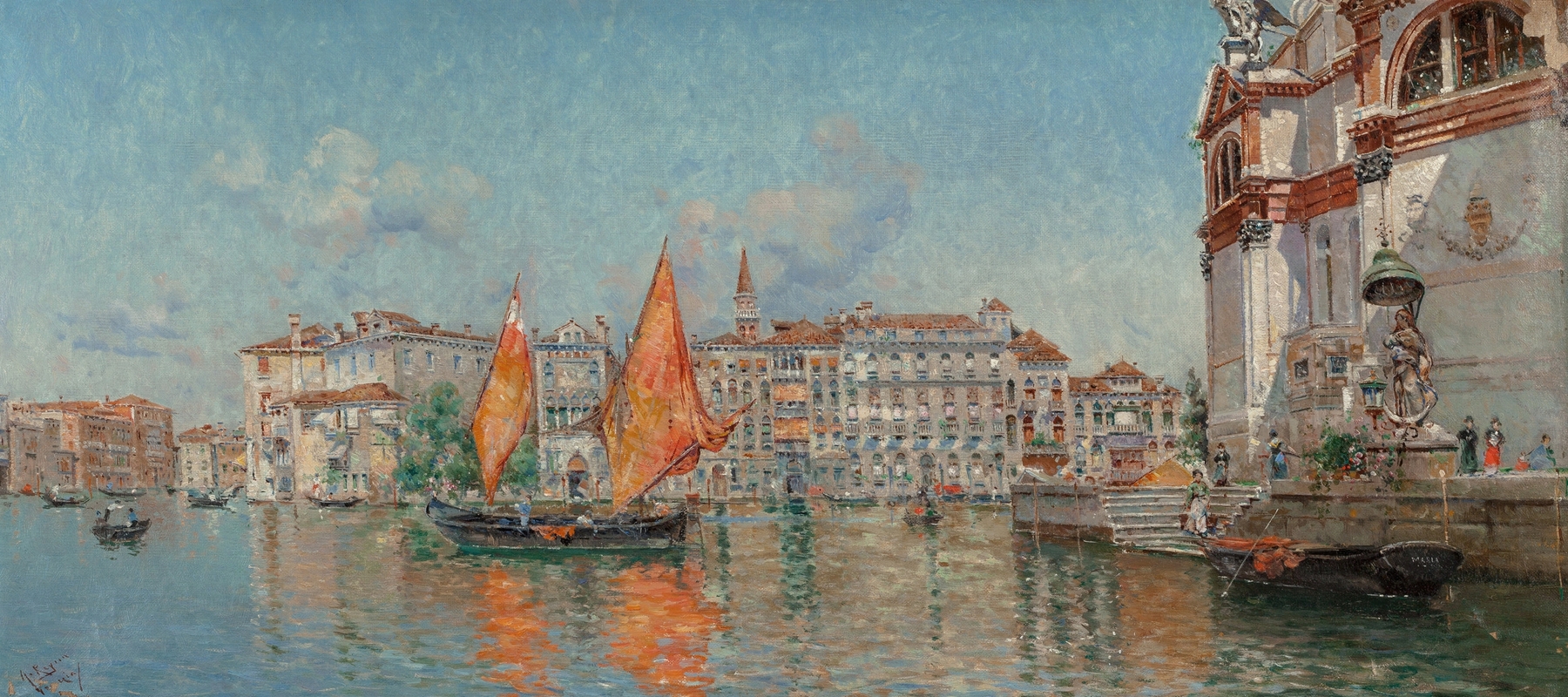
“Every silence here is a confession.” In the midst of vibrant colors and intricate architecture, the illusion of Venice whispers secrets held by the waters, reflecting dreams and stories yet unwritten. Look to the foreground, where a delicate gondola glides quietly through the shimmering canals, its occupants obscured yet palpable in their longing. Notice how the light dances on the water, capturing a kaleidoscope of hues that evoke both warmth and melancholy.
Shadows stretch and blend seamlessly with the luminous buildings, creating a tapestry of textures that invite you to wander deeper into this enchanting scene. As your gaze drifts toward the distant horizon, the contrast between the bustling life of the city and the tranquil waters speaks volumes. The gondolier's presence is both a guide and a spectator, embodying the delicate balance between human wanderlust and the serenity of nature.
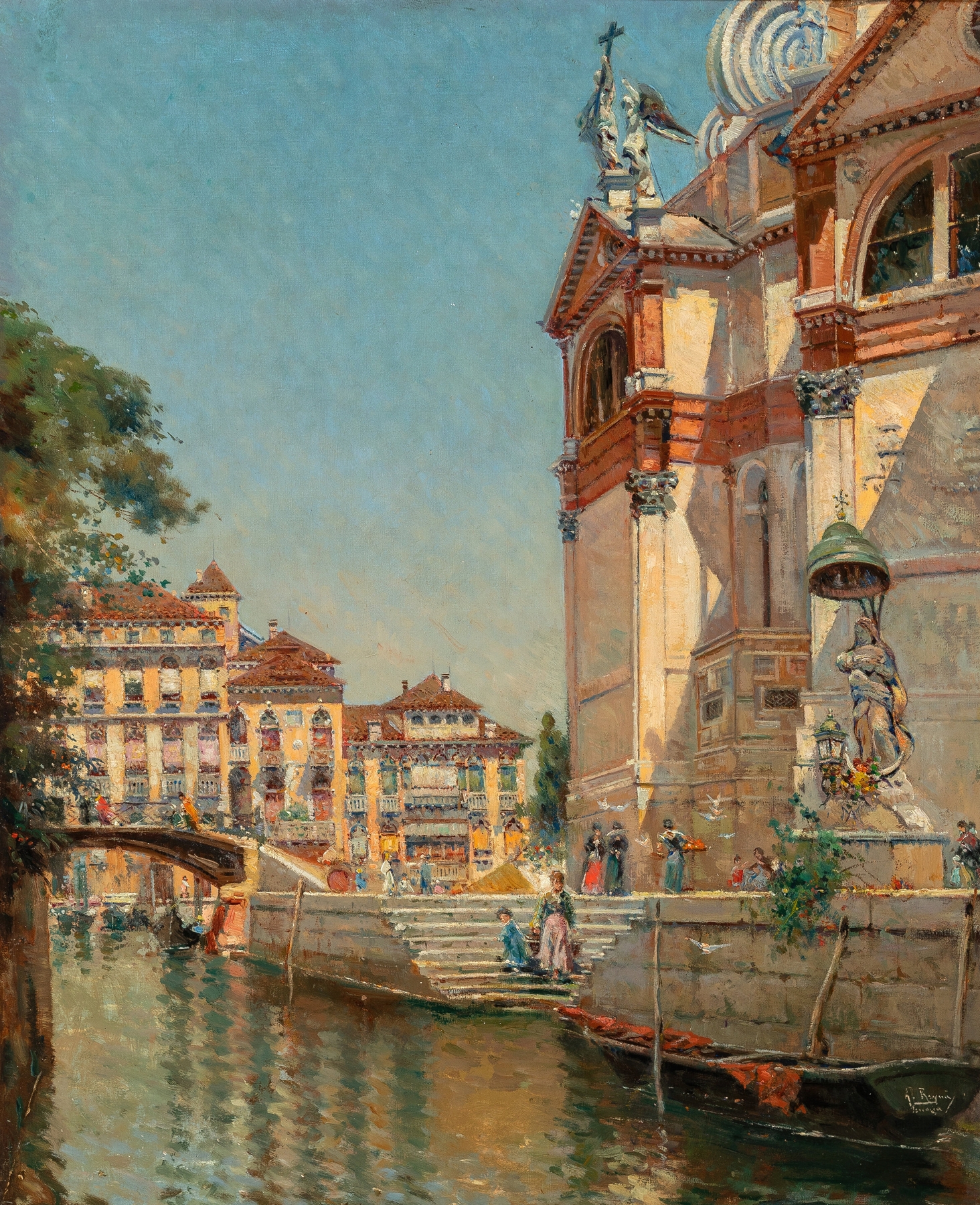
Every brushstroke intertwines illusion and reality, prompting reflection on the ephemeral beauty that Venice represents, a city poised between joy and nostalgia. Antonio María de Reyna Manescau painted this captivating piece during a time when the fascination with Venice was at its zenith, embracing the Romantic movement's themes of wonder and longing. Working in the late 19th century, he navigated an art world increasingly drawn to the mystique of urban landscapes, capturing both the allure and the ephemeral nature of this iconic city in his work.