Vedute von Venedig — History & Analysis
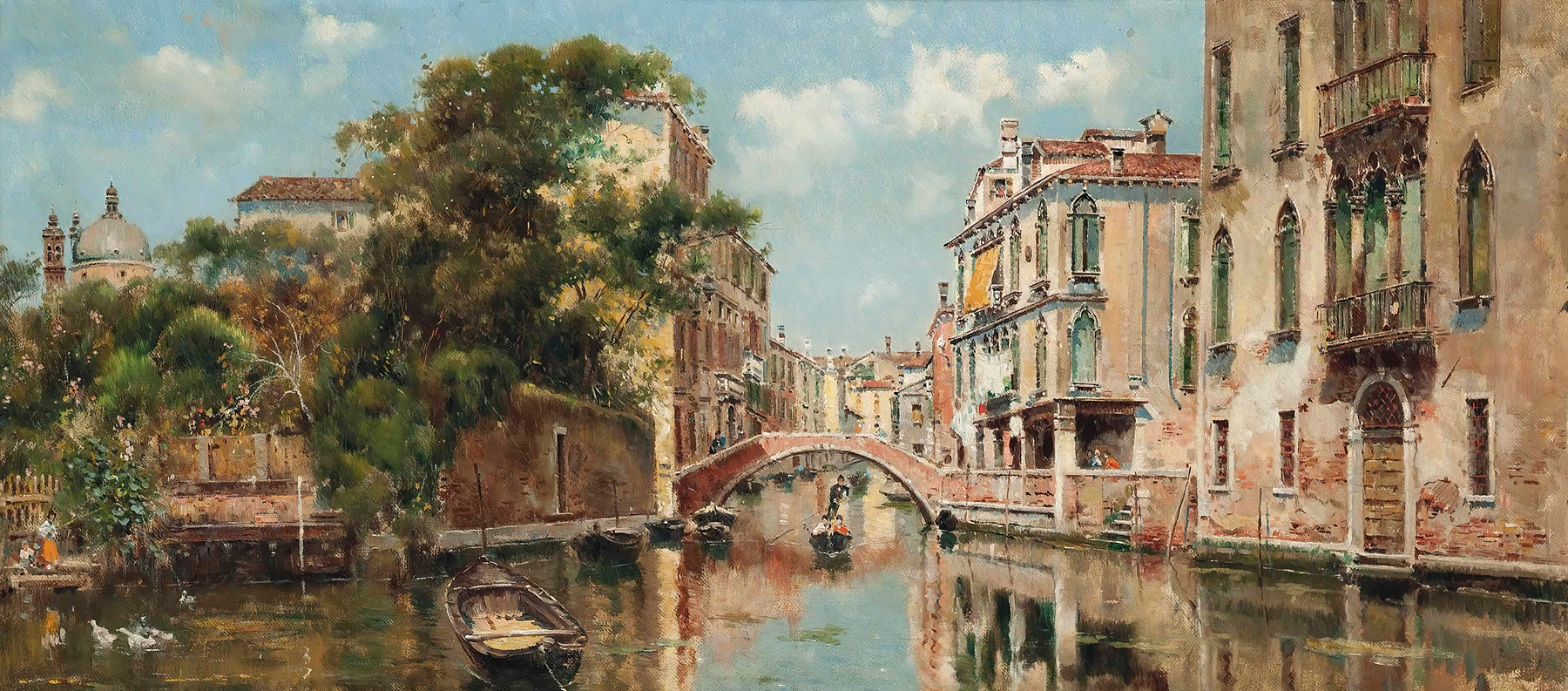
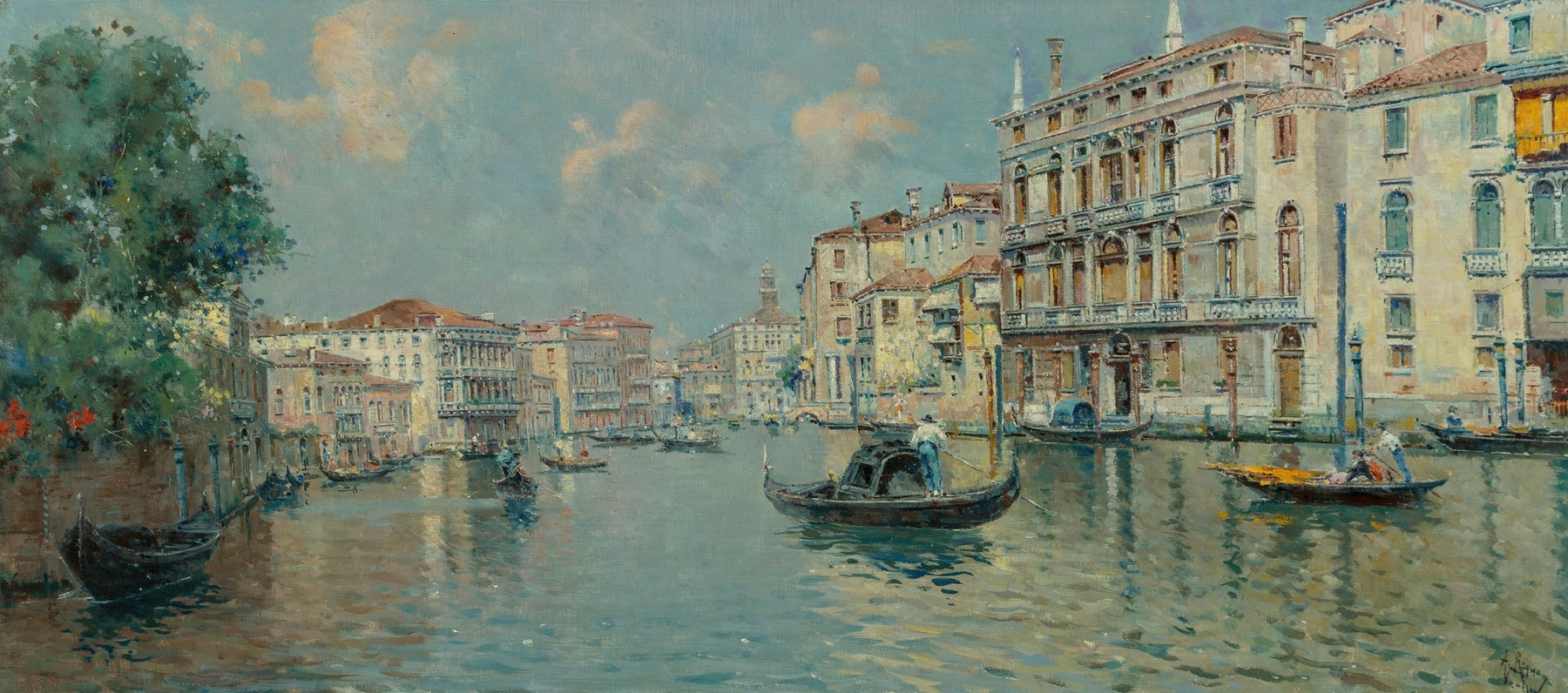
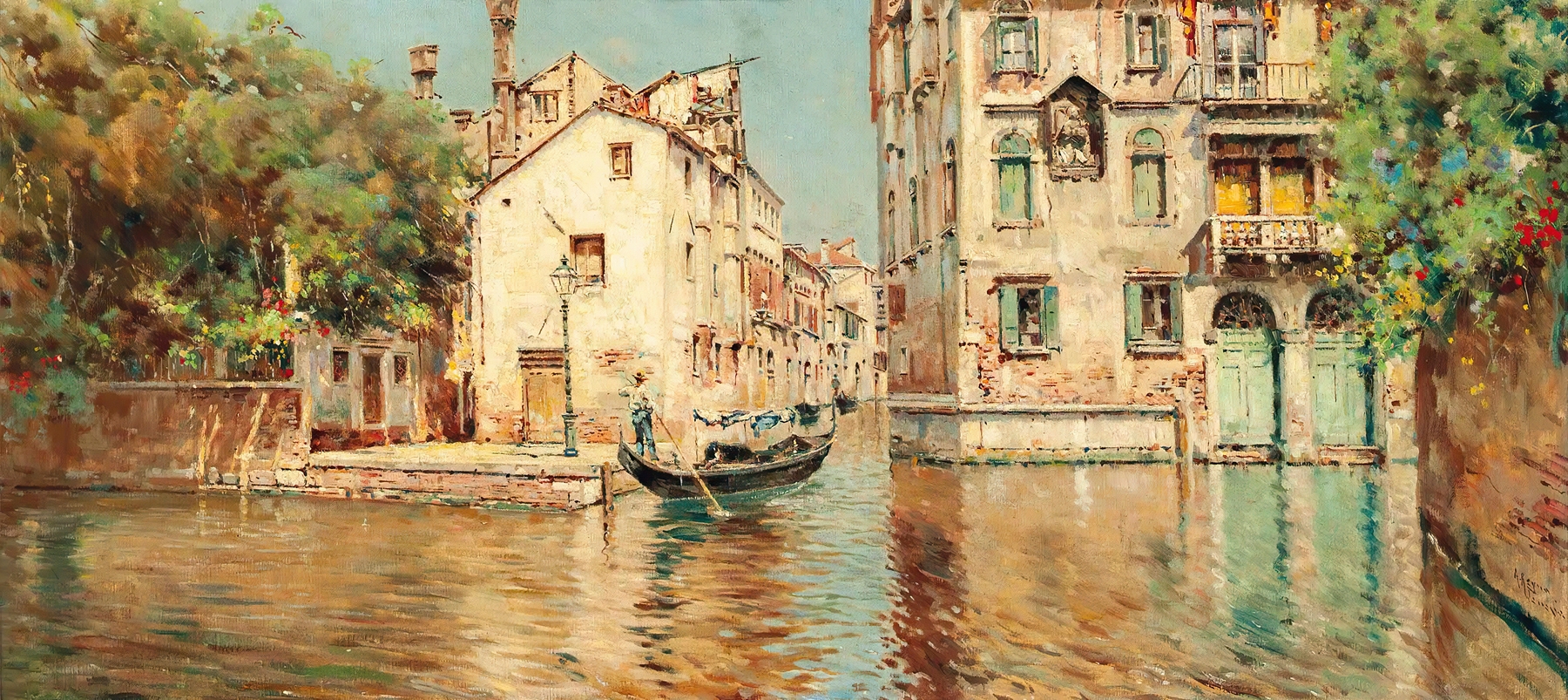
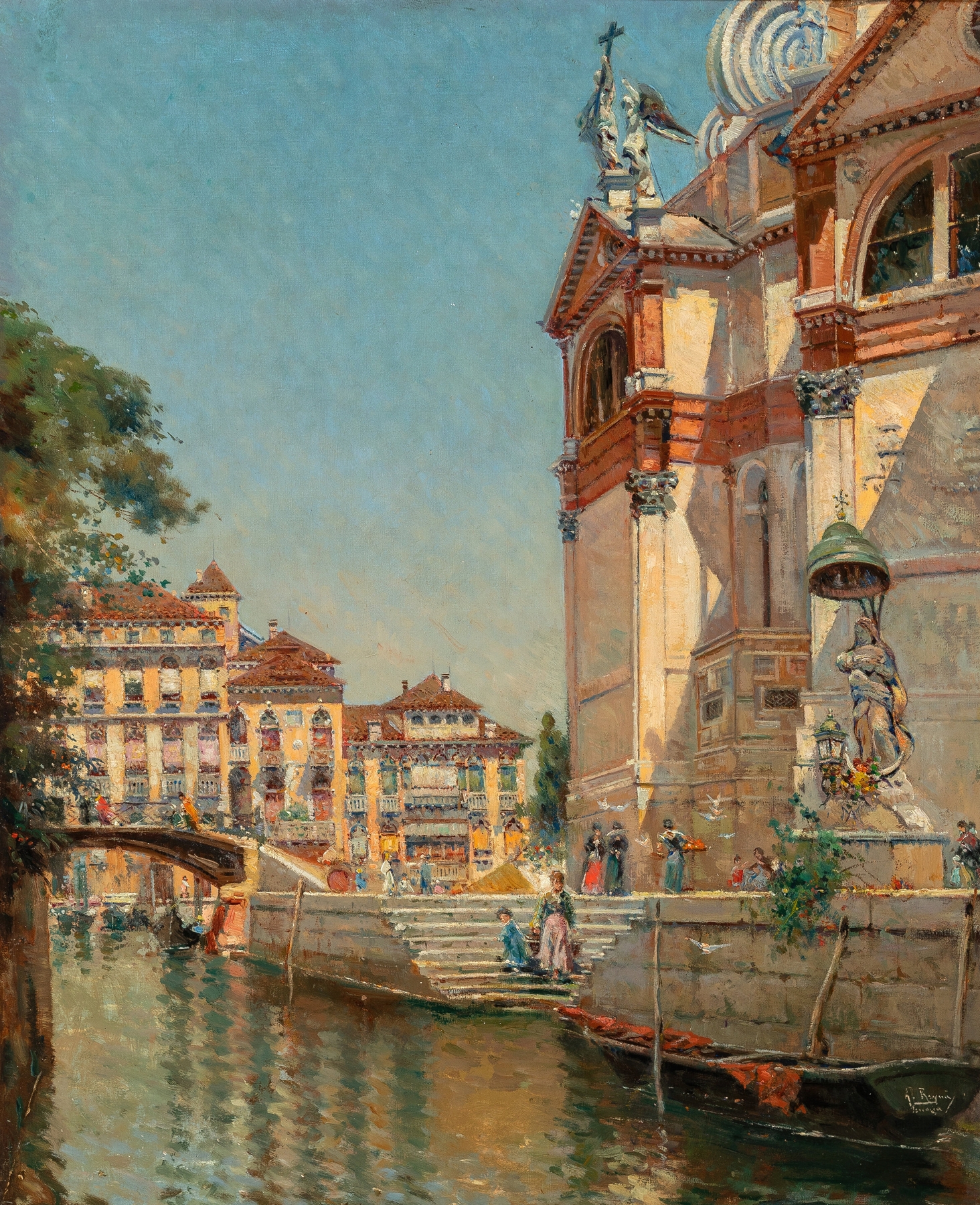
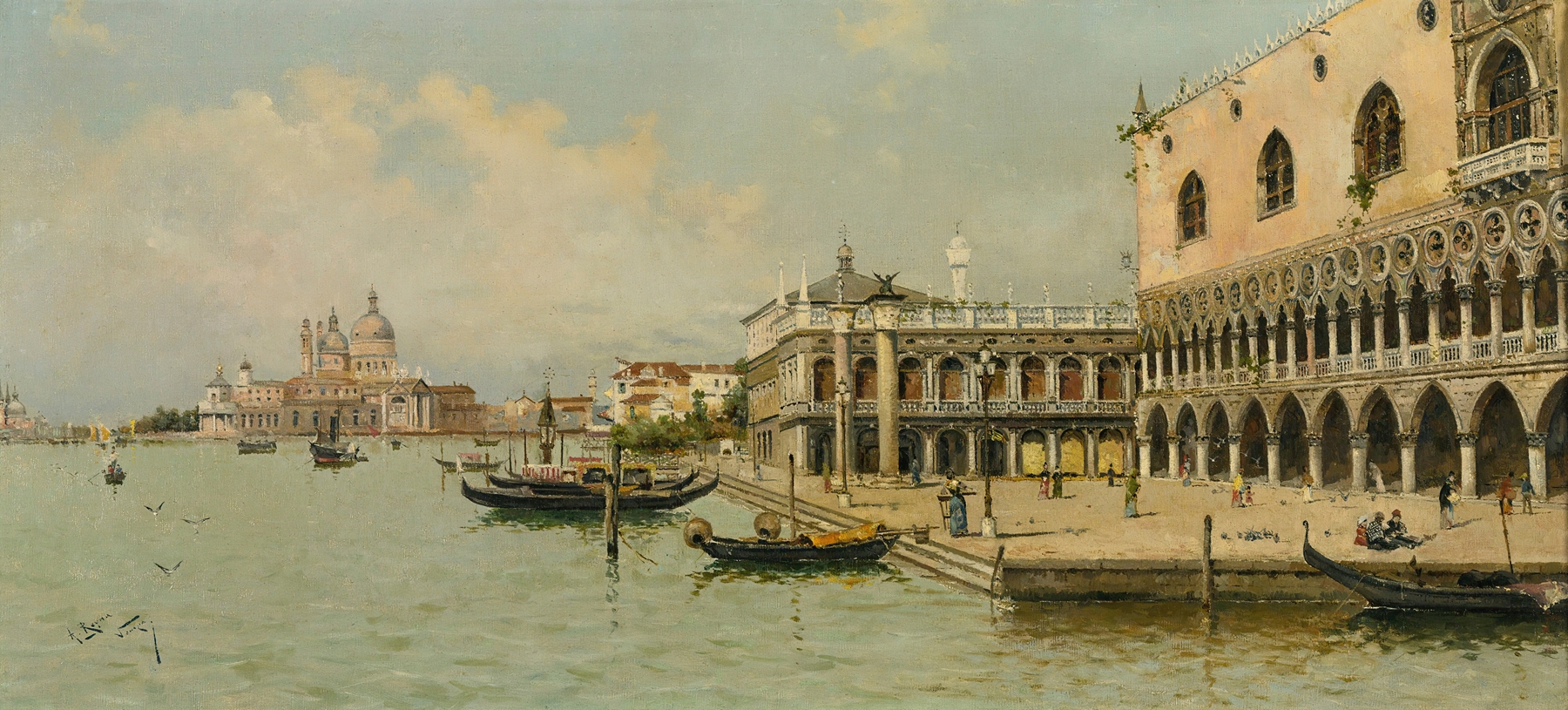
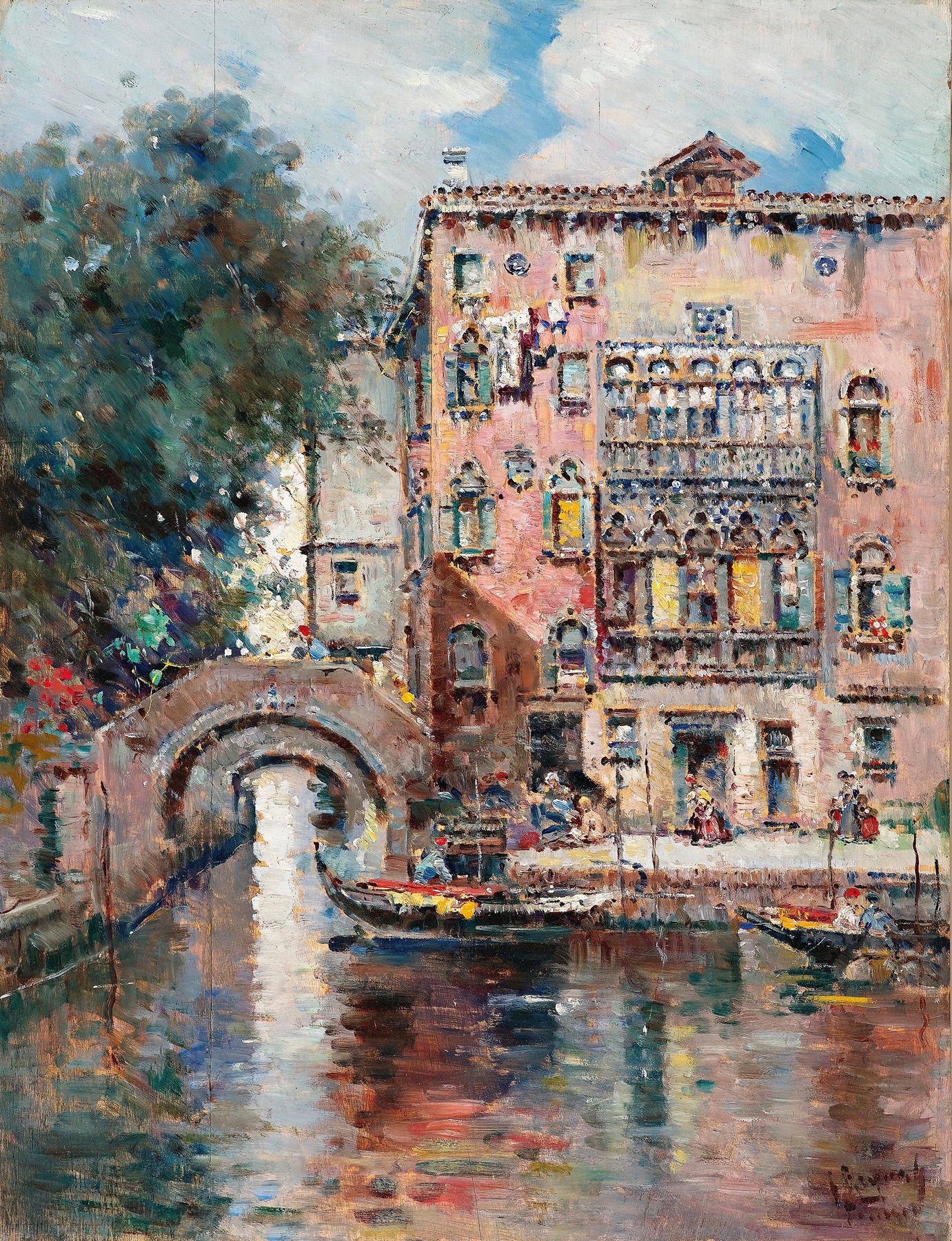
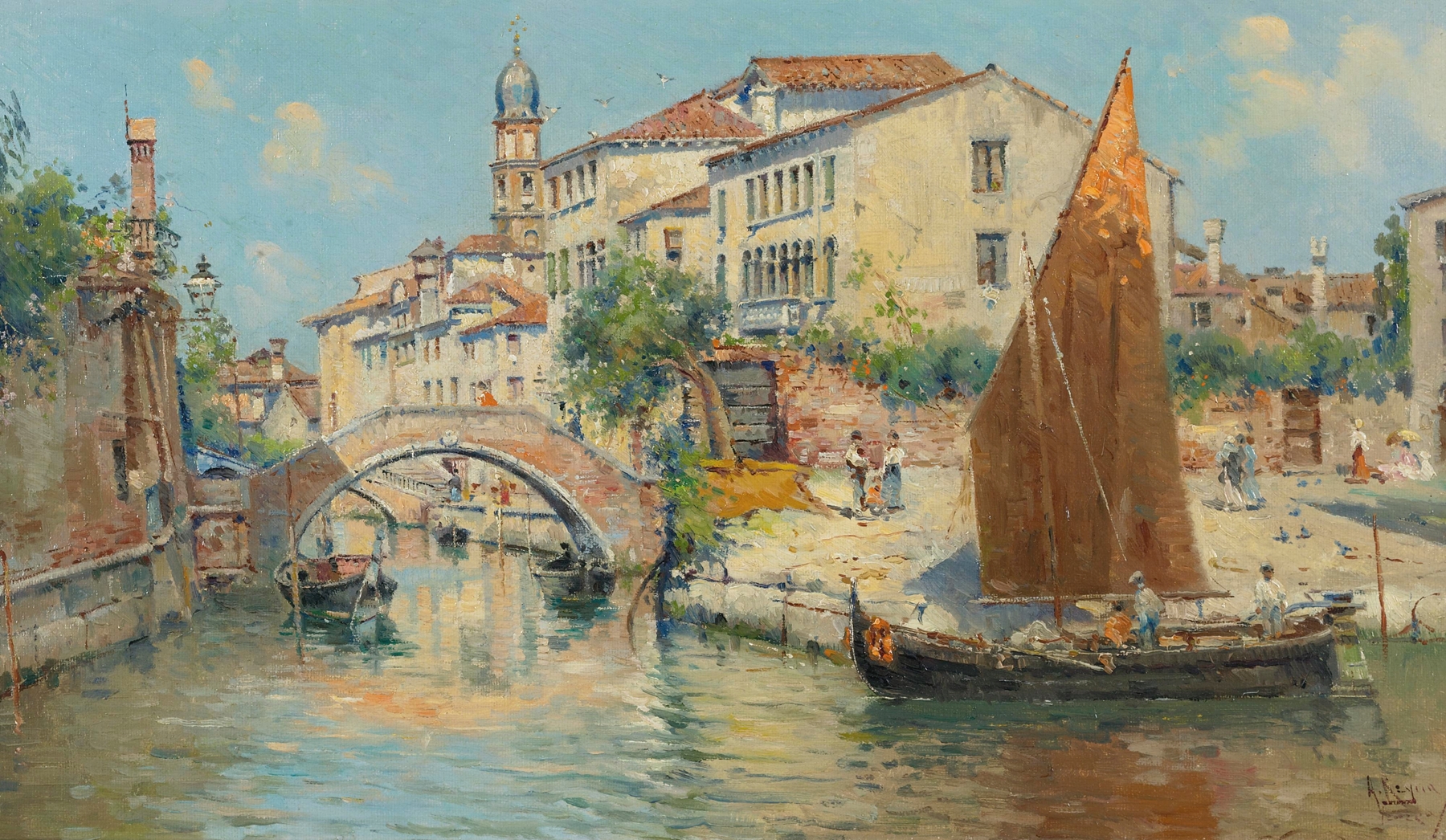
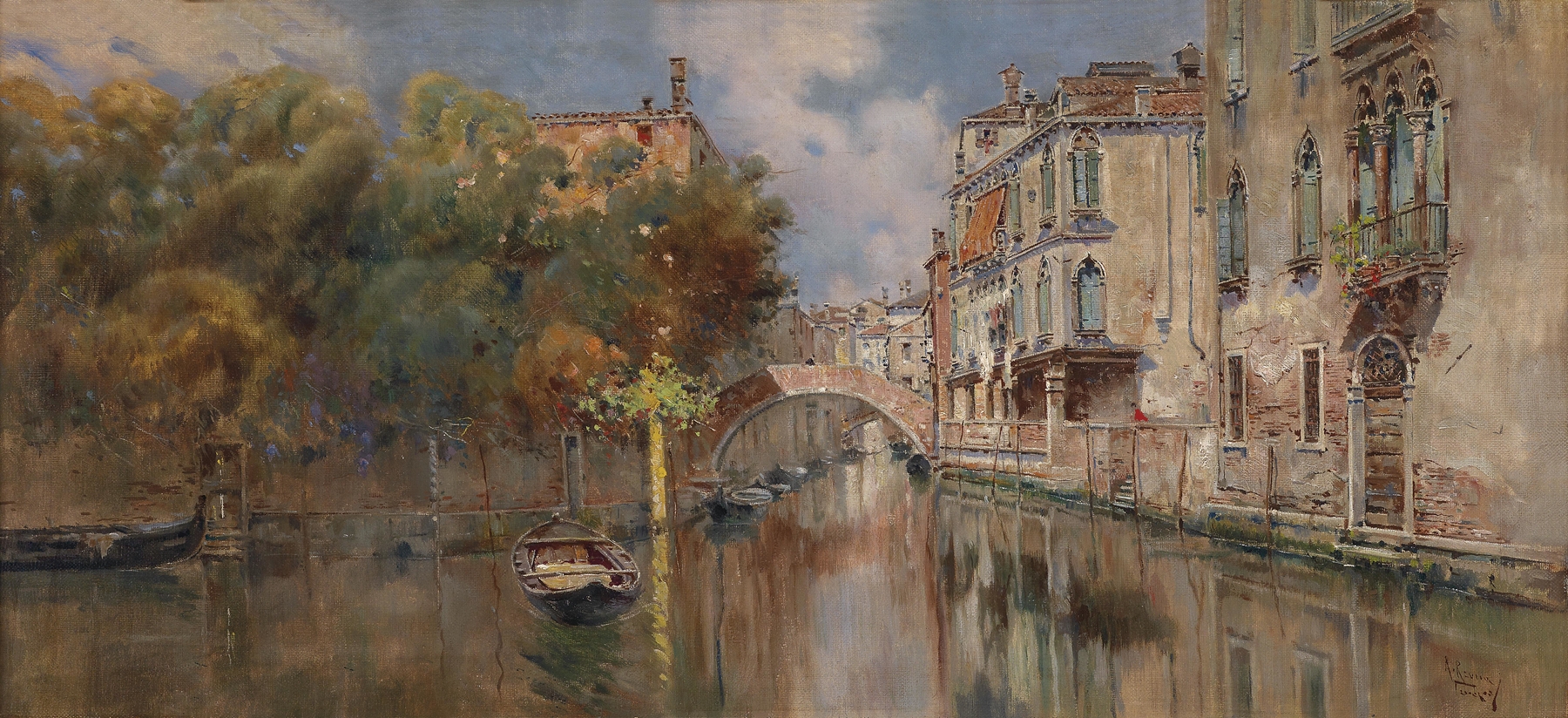
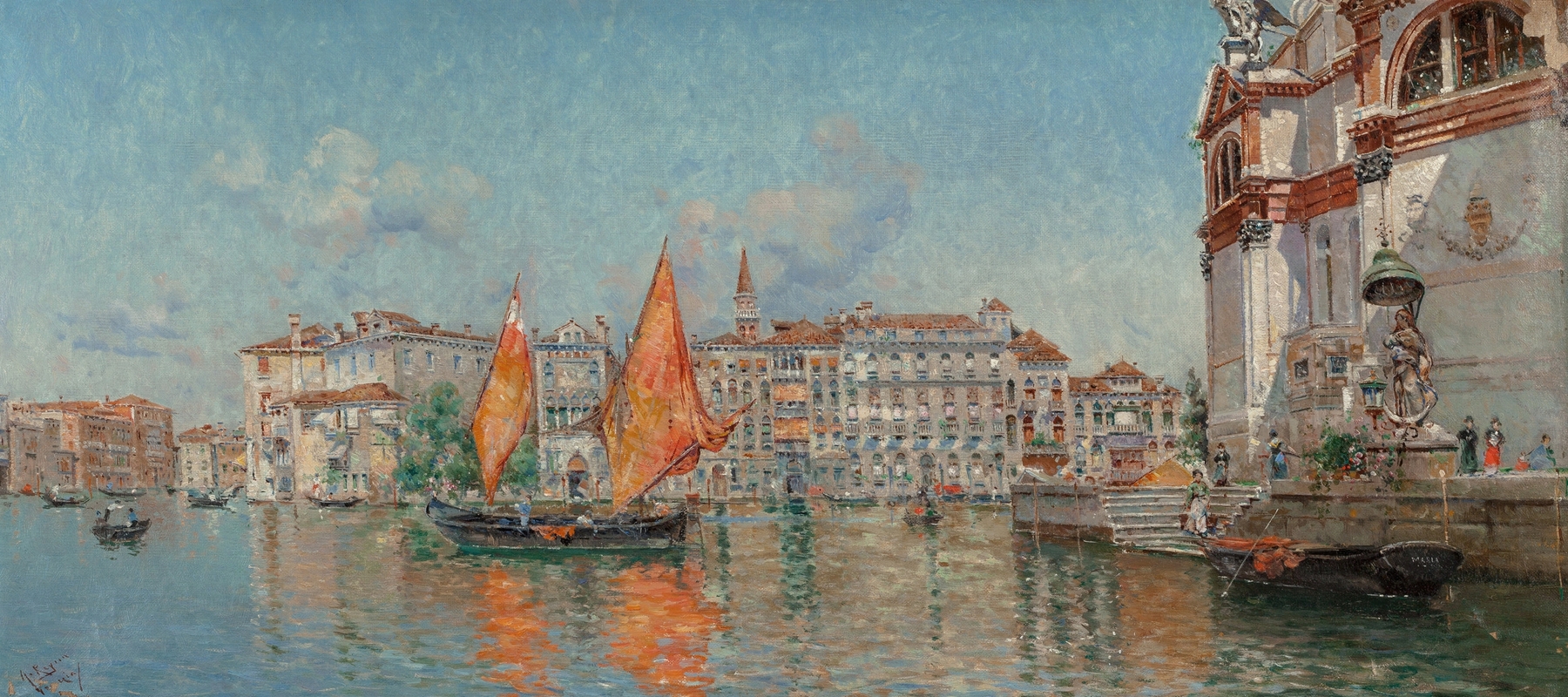
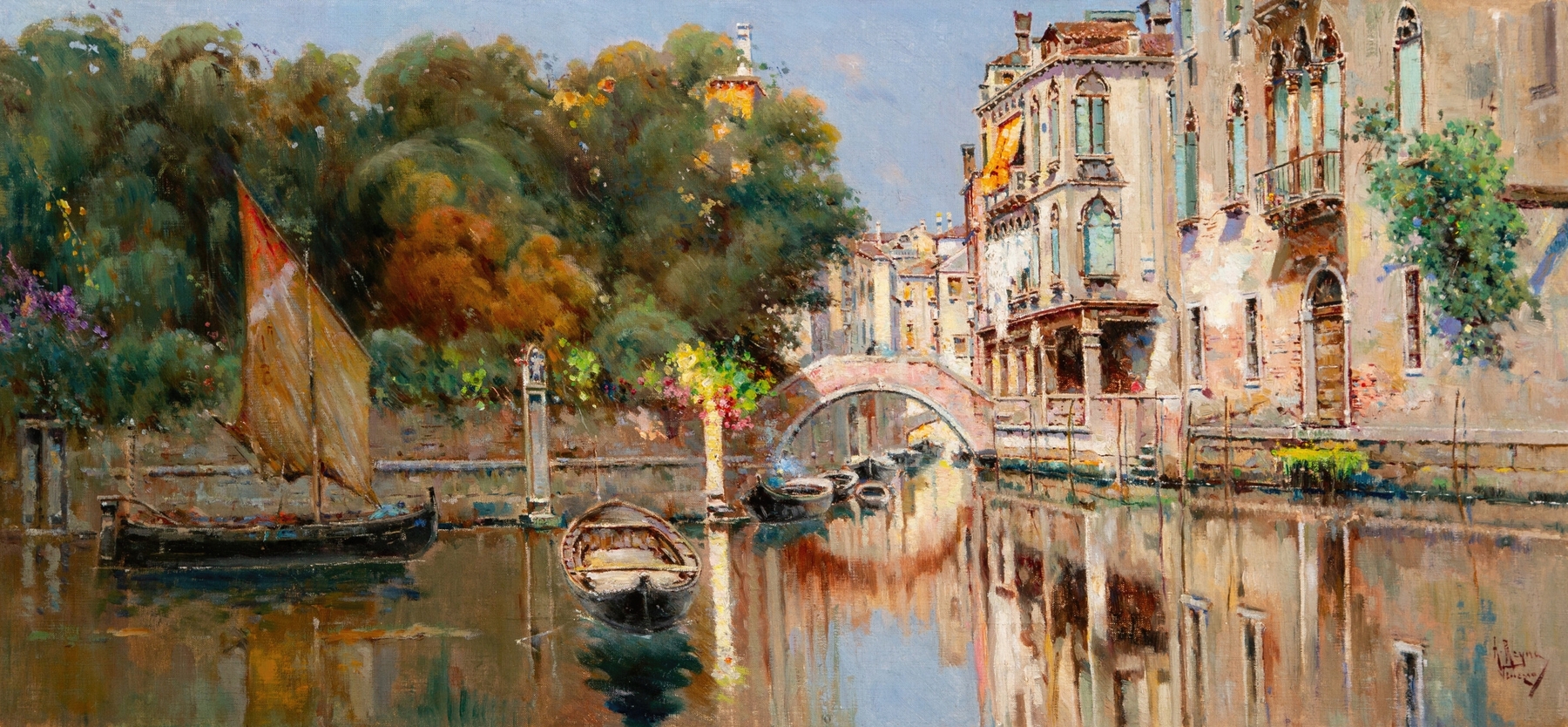
Did the painter know this moment would outlive them? In capturing the ethereal beauty of Venice, a certain sense of grief lingers beneath the surface, a recognition that beauty is both fleeting and eternal. Look to the left at the shimmering canal, where delicate reflections dance upon the water's surface. The brush strokes, both precise and flowing, evoke the gentle movement of the waves as they cradle the iconic architecture.
Notice how the soft pastels of the sky blend seamlessly into the vibrant hues of the buildings, creating a harmonious balance that draws the eye toward the horizon. Beneath the surface of this picturesque scene lies a poignant contrast—the serene atmosphere masked by an undercurrent of melancholy. The empty gondola, poised yet still, speaks to absence and longing, while the distant figures, mere silhouettes, suggest the passage of time and the transience of existence. Each element, meticulously placed, contributes to a narrative that grapples with both beauty and loss.
The artist crafted this piece during a time when the enchantment of Venice was fading, as modernization began to encroach upon its storied canals. Active in the late 19th century, he sought to immortalize the city’s iconic vistas against a backdrop of personal and social change. In these works, the painter not only documented a beloved landscape but also confronted the bittersweet nature of memory and the inevitability of change.