Gondeln in Venedig — History & Analysis
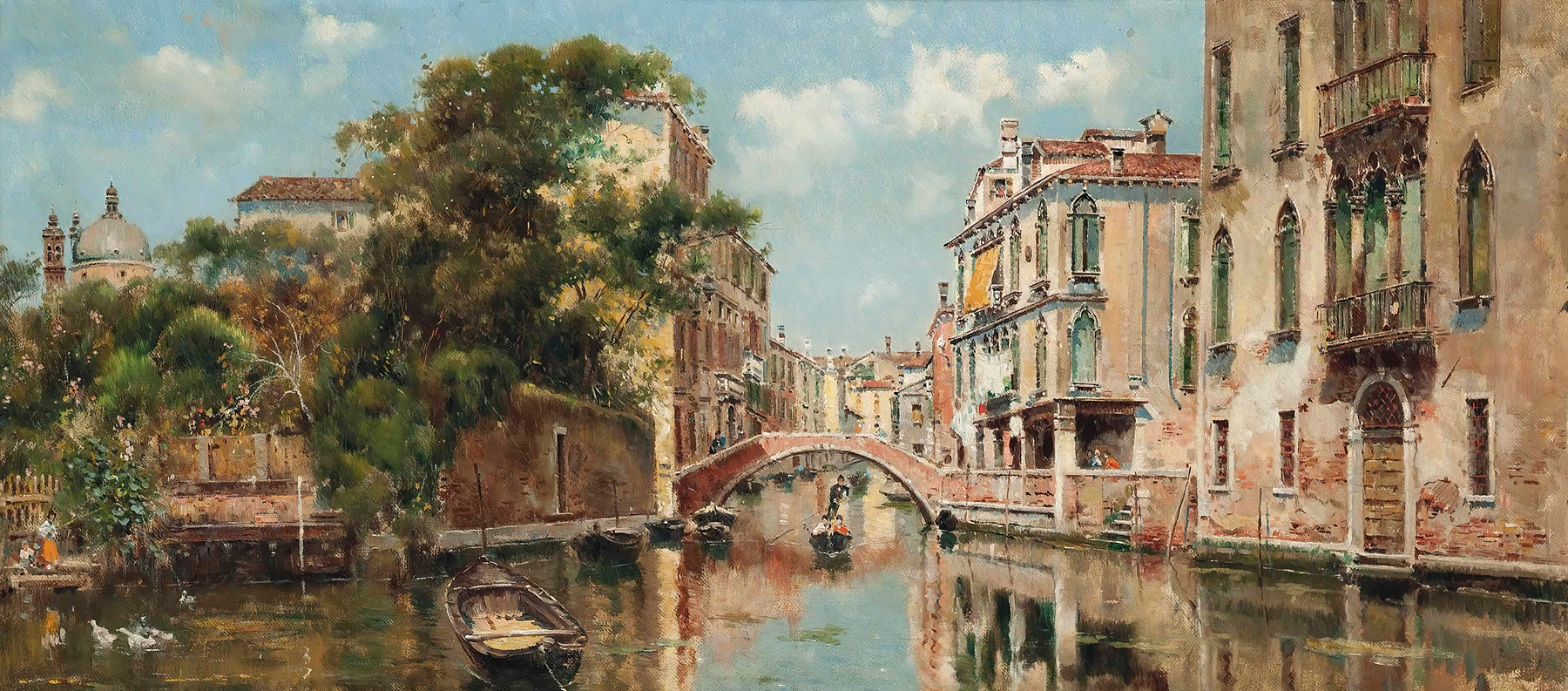
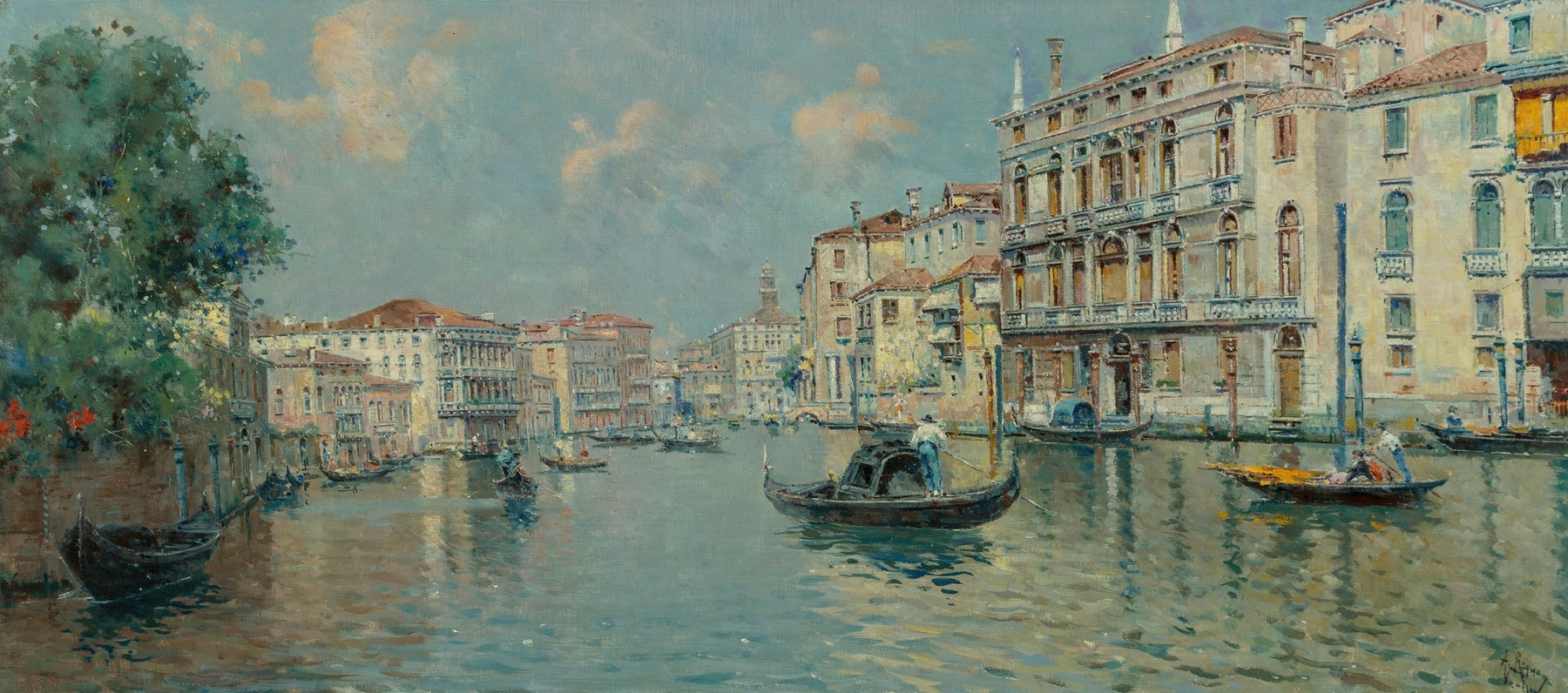
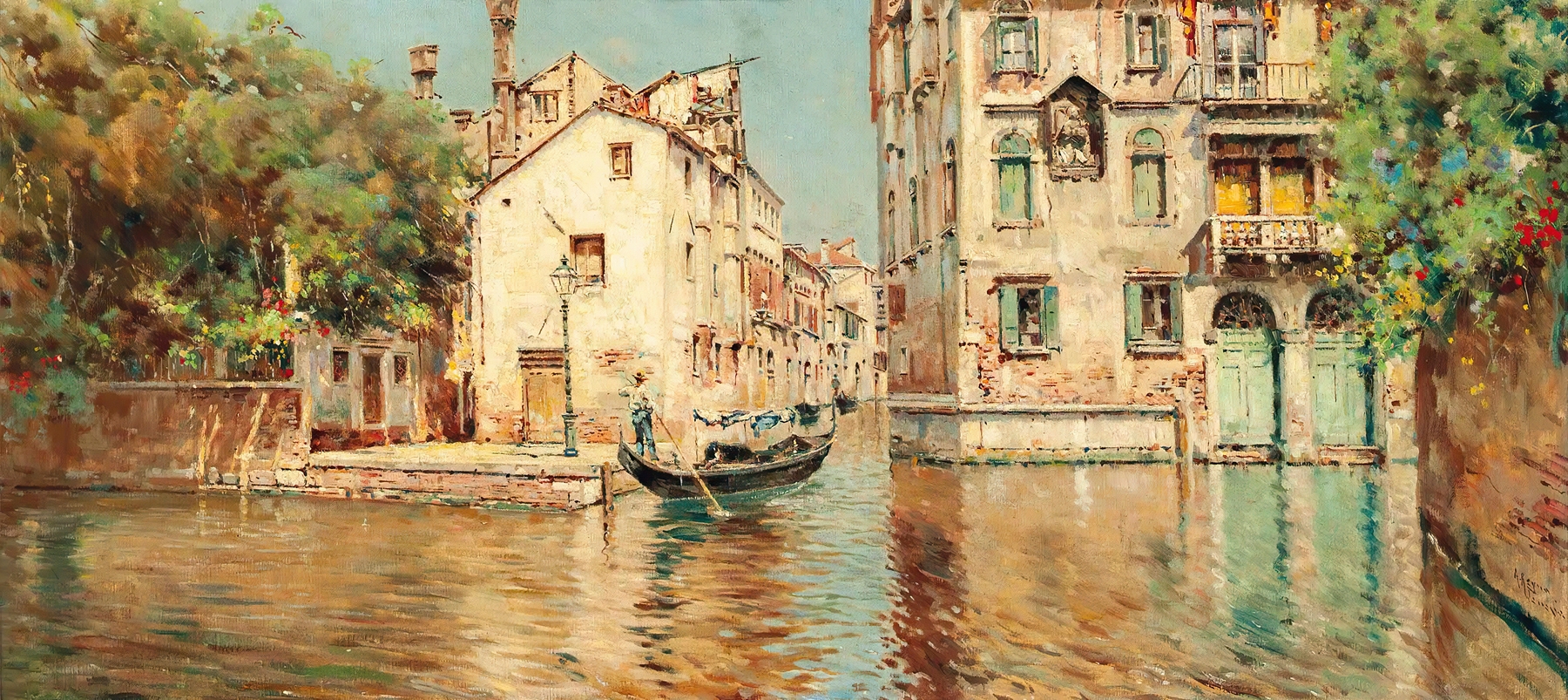
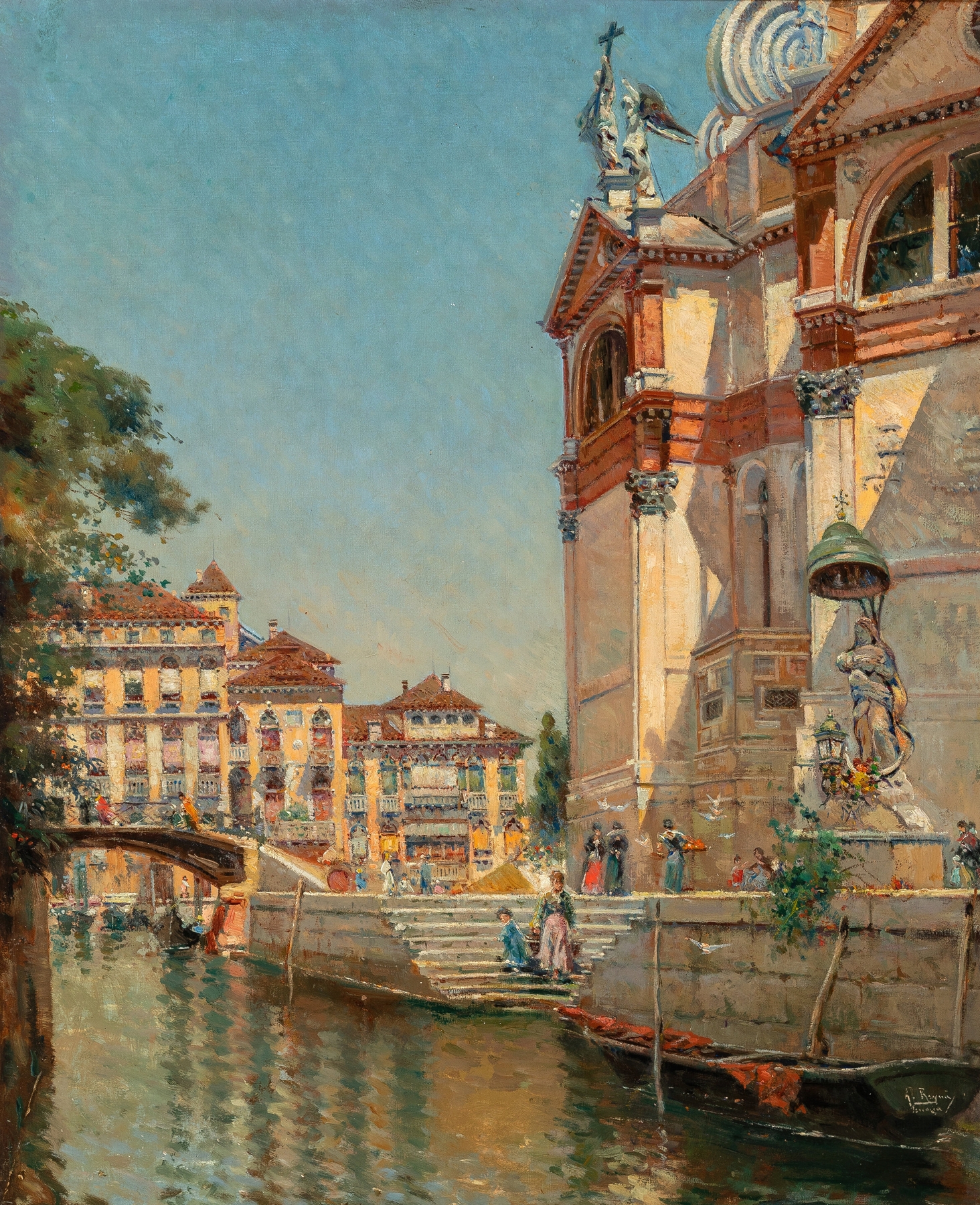
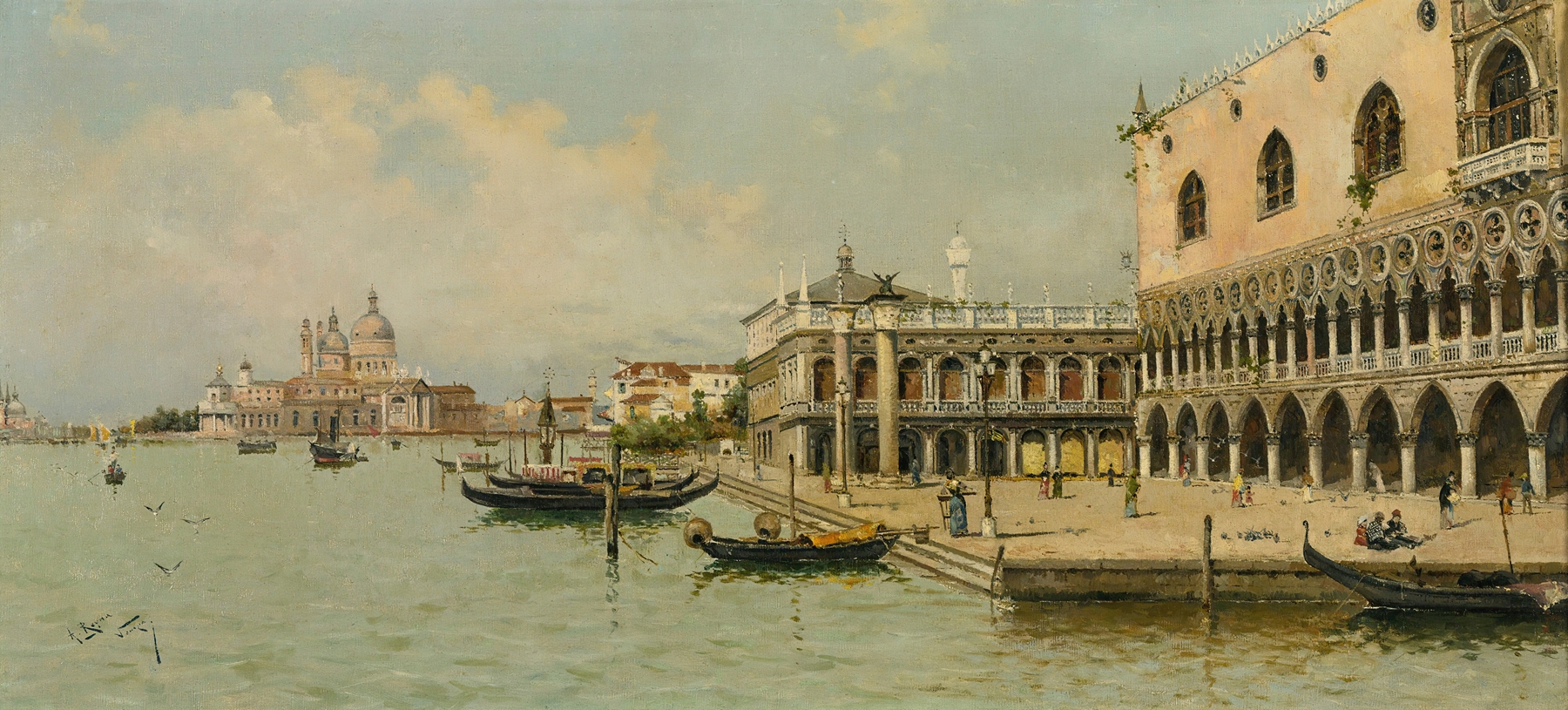
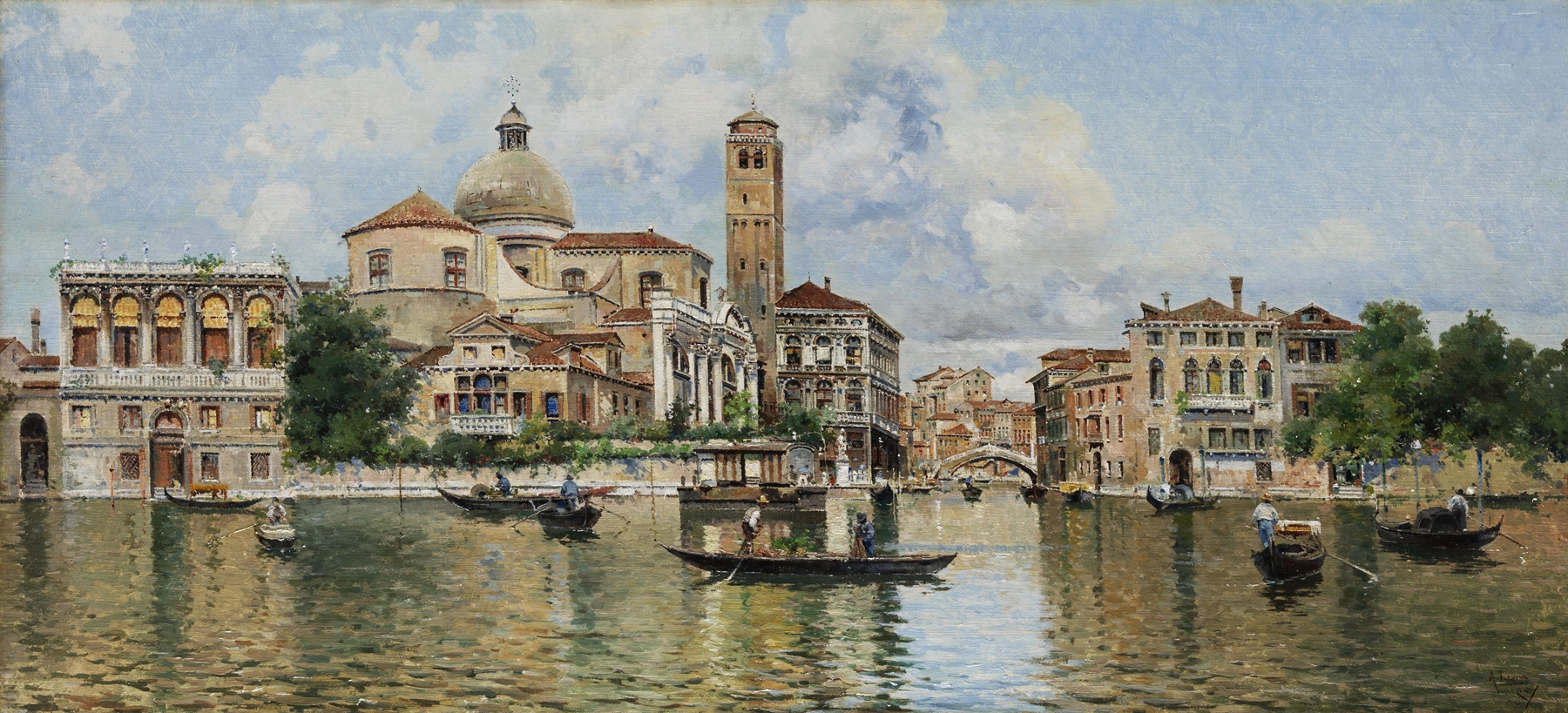
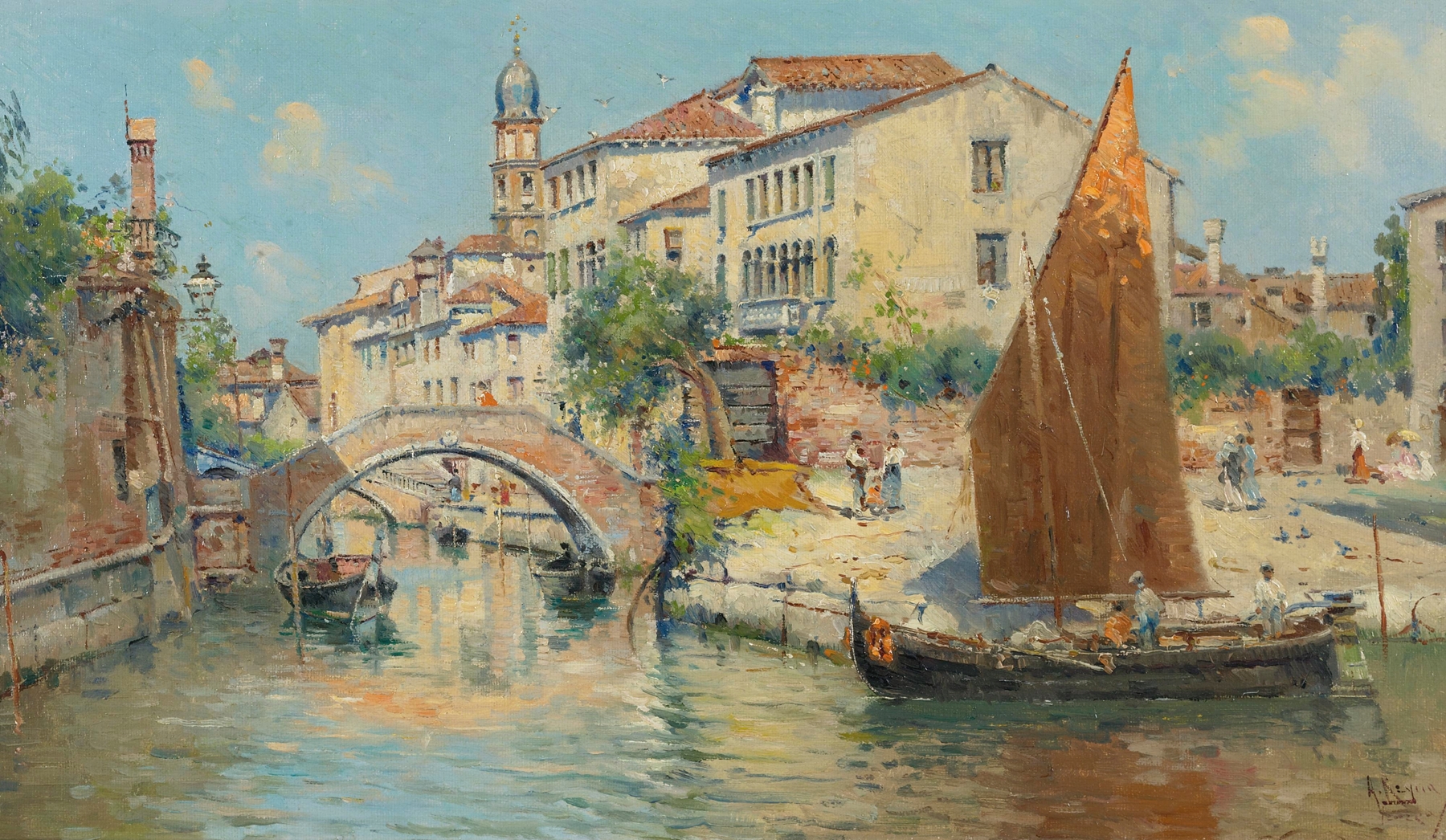
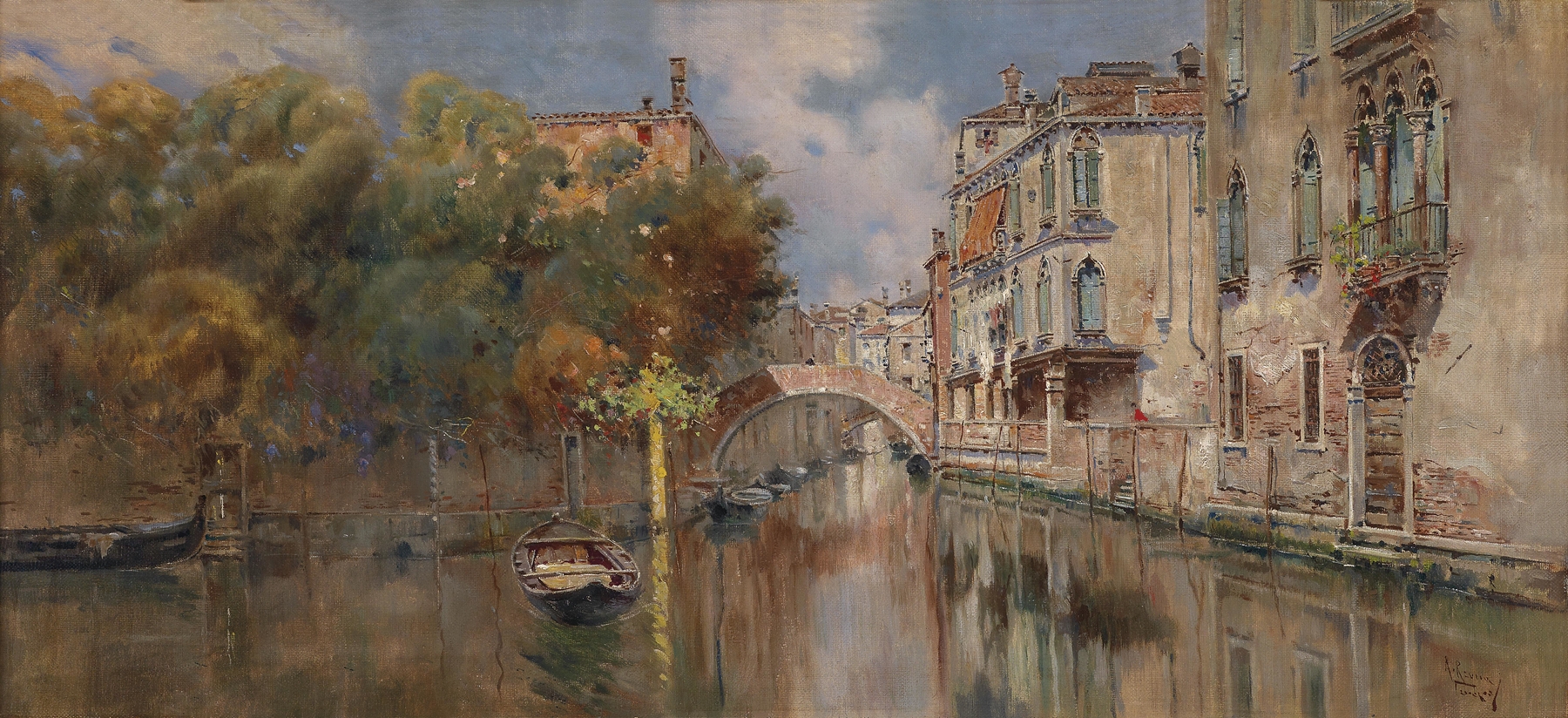
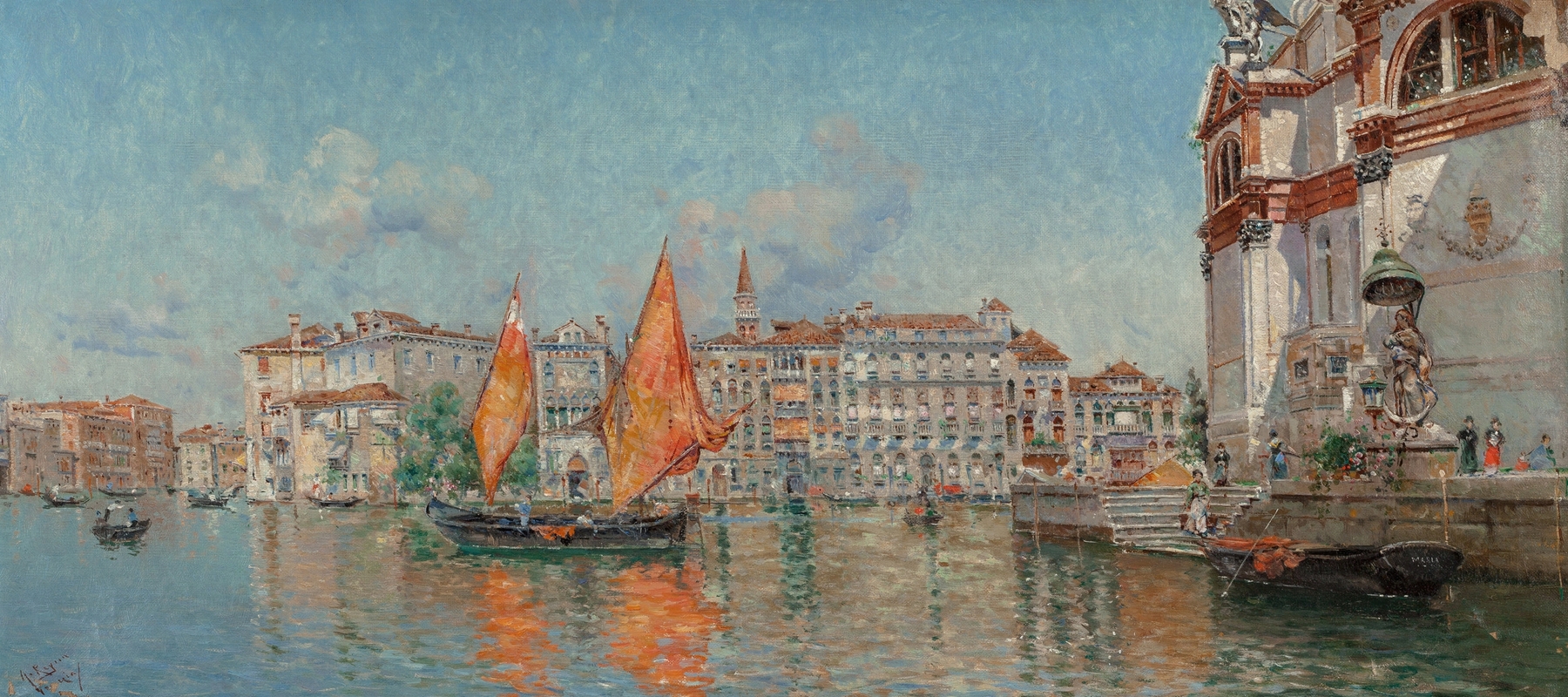
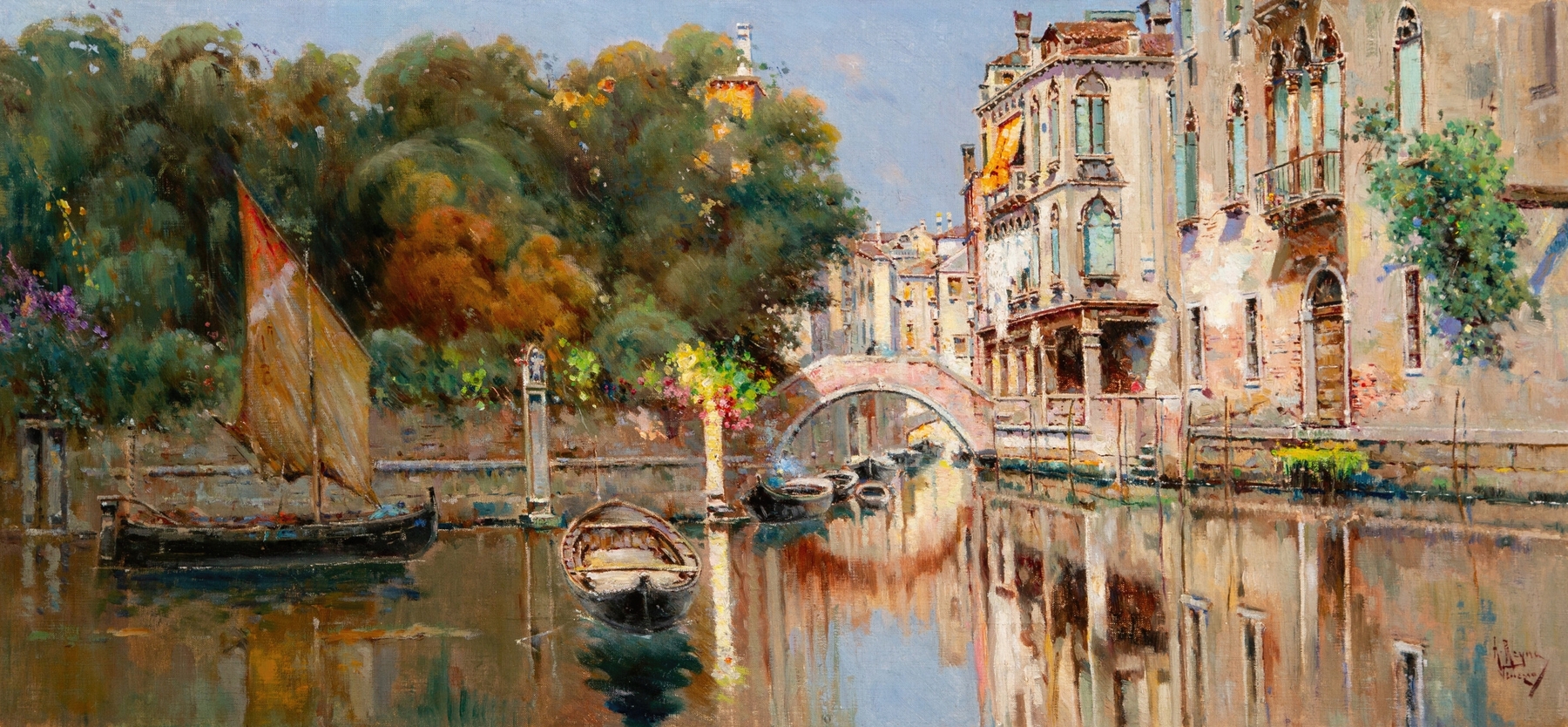
“Every brushstroke is a heartbeat remembered.” In the delicate dance of color and light, faith weaves itself into every inch of the canvas, as if calling to us to look closer and listen deeper. Begin by examining the gentle ripples of water, where shades of blue and green harmonize to create a shimmering surface reflecting the vibrant gondolas above. Notice how the painter's technique captures the essence of movement, with each boat gliding gracefully through the scene. Look closely at the gondoliers, their figures poised yet animated, as they navigate through the intricate labyrinth of canals, inviting you to feel the rhythm of the city itself.
Beneath the surface of this lively tableau lies a profound contrast between human activity and the serene backdrop of Venice. The vibrant colors of the gondolas against the muted tones of the buildings invoke a sense of optimism amidst the stillness of the water. The light plays a crucial role, casting reflections that suggest a deeper connection between the earthly and the divine, hinting that faith is found in both the chaos of life and the tranquility of nature.
In this unnamed period, Antonio María de Reyna Manescau painted this idyllic scene, likely in the early 20th century while immersed in the rich artistic currents of Europe. At the time, Venice was a melting pot of traditions and modernity, influencing the artist's approach to capturing the city's enchanting essence. The work reflects his engagement with both reality and imagination, as he invites viewers to explore the spiritual undercurrents of everyday life.