Grand Canal, Venice — History & Analysis
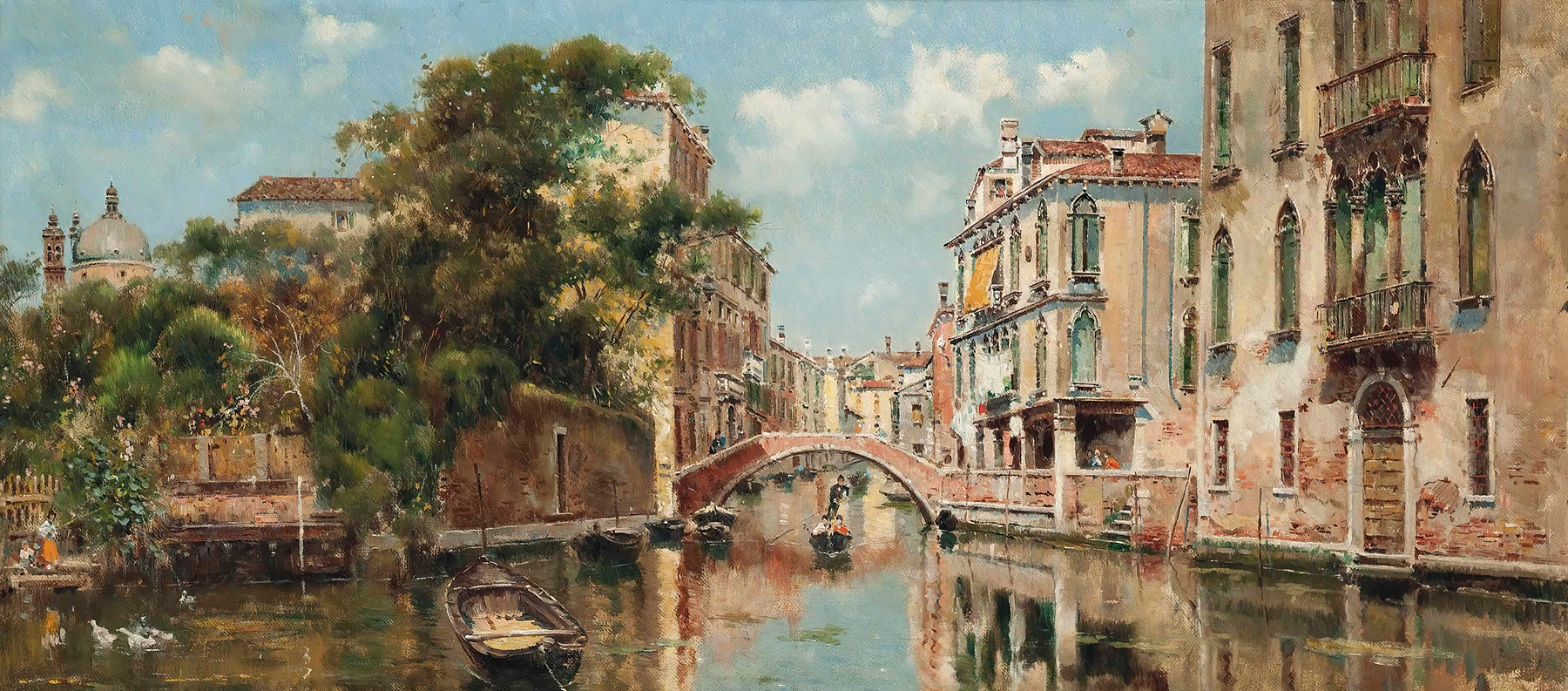
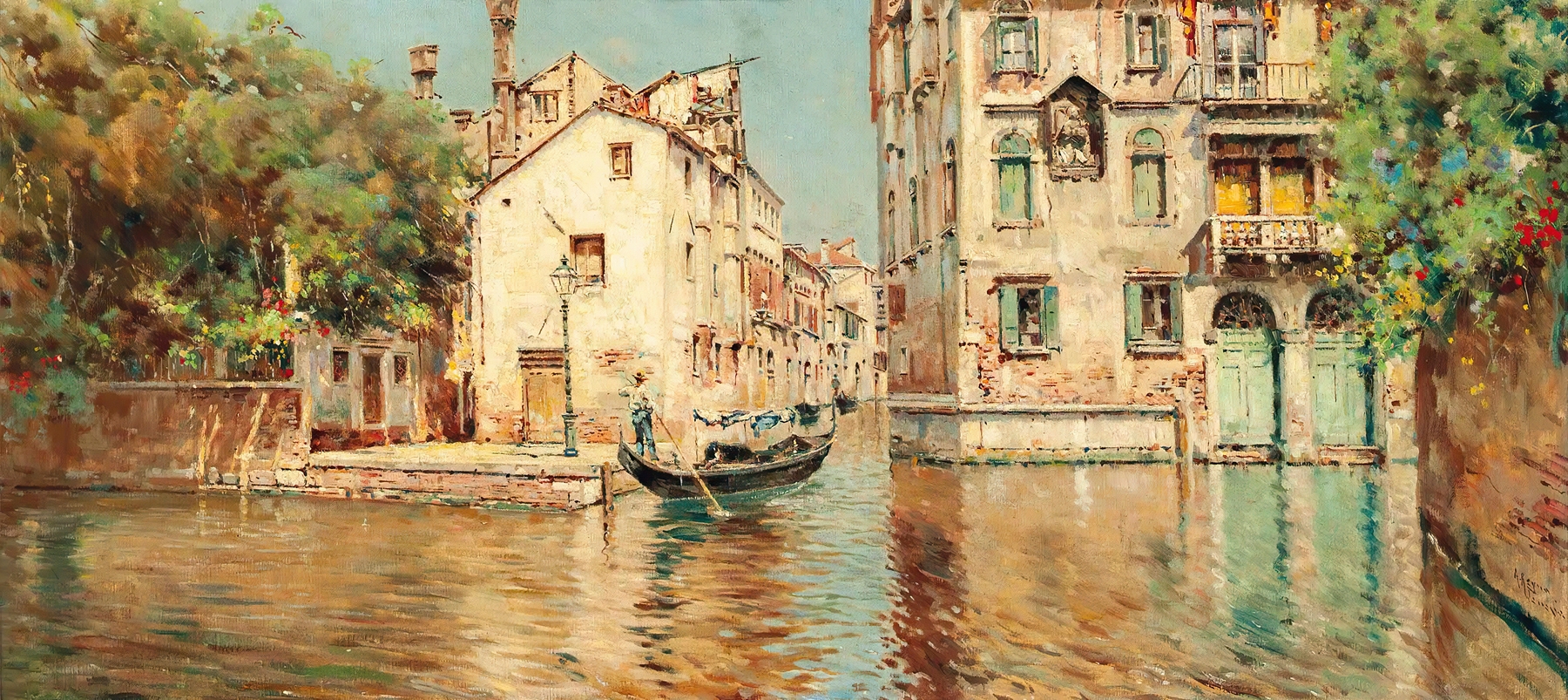
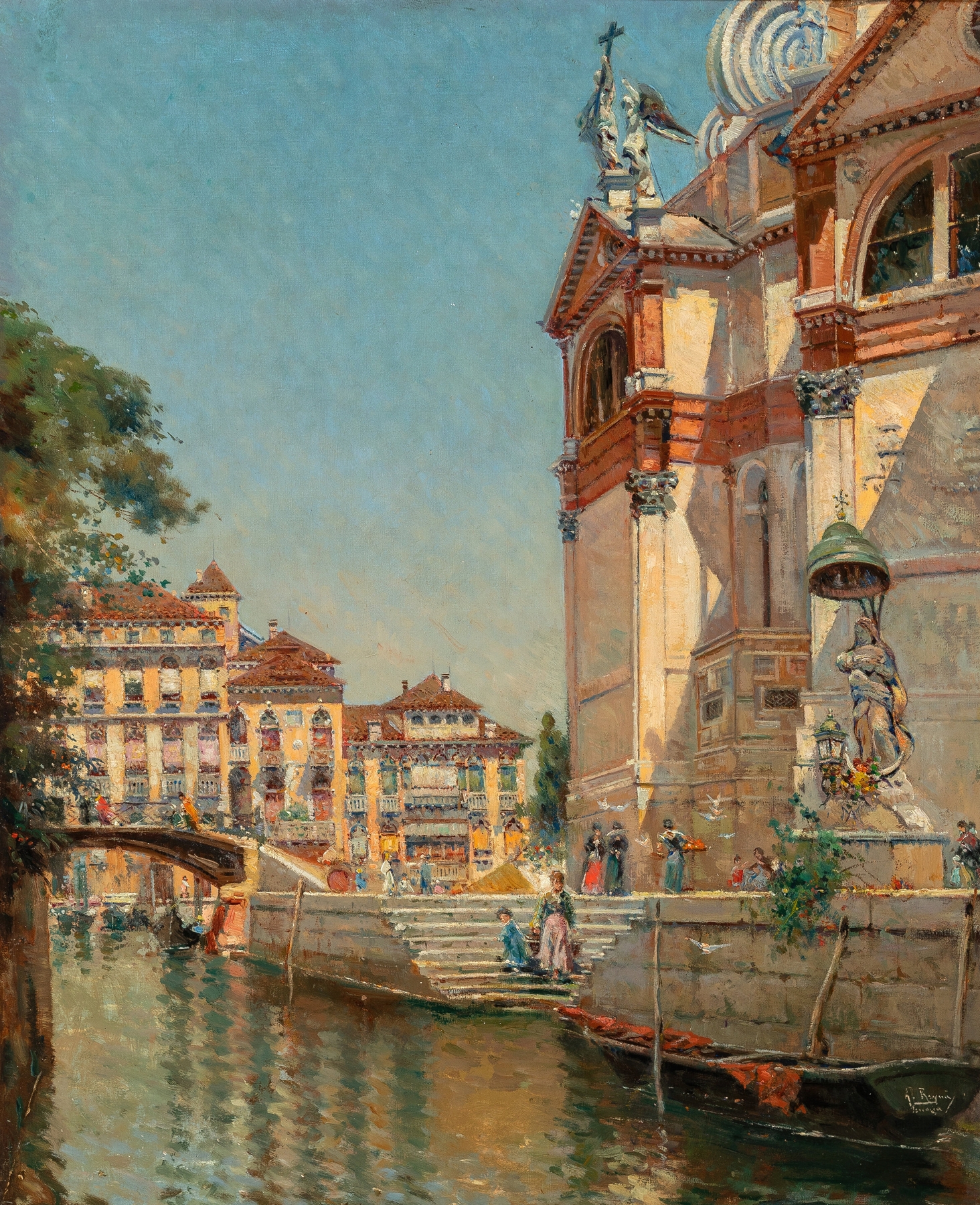
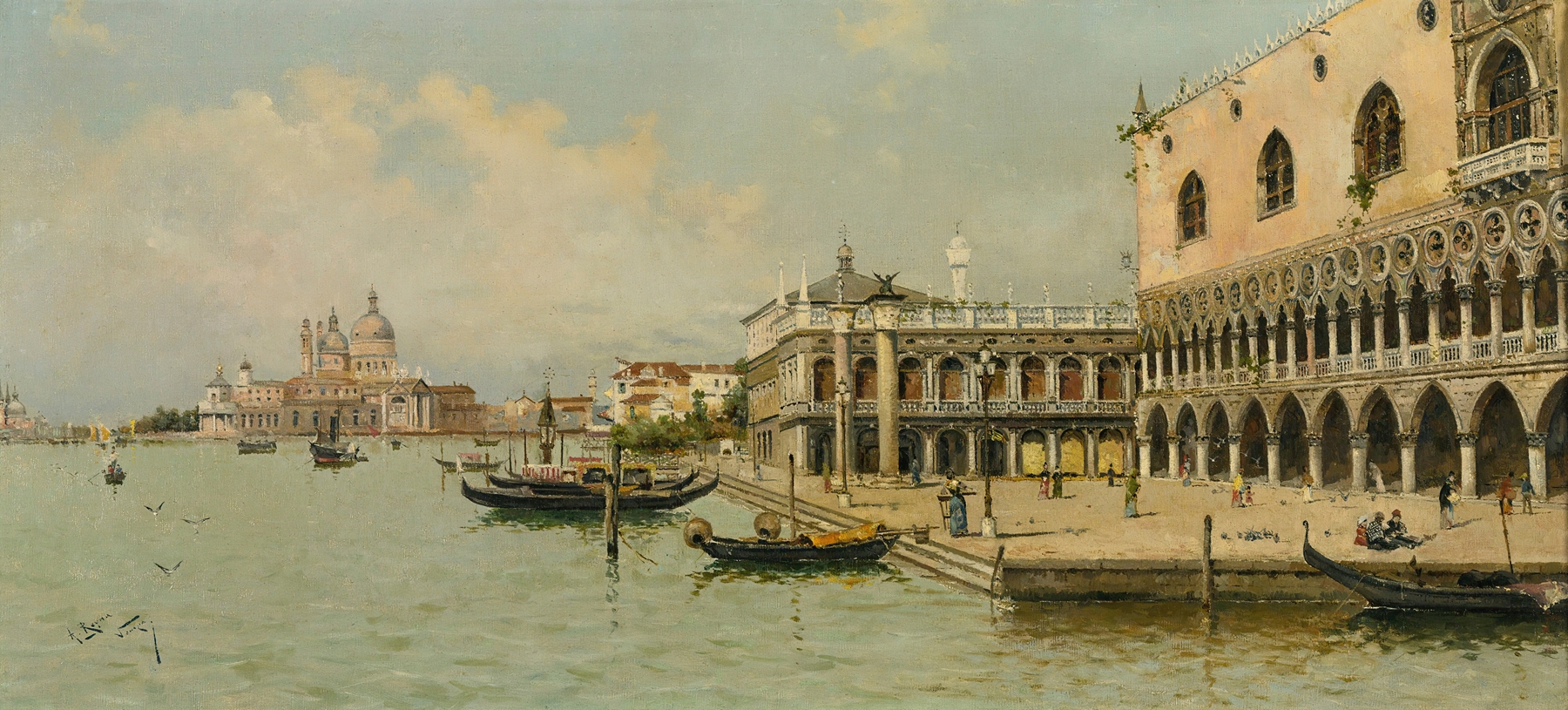
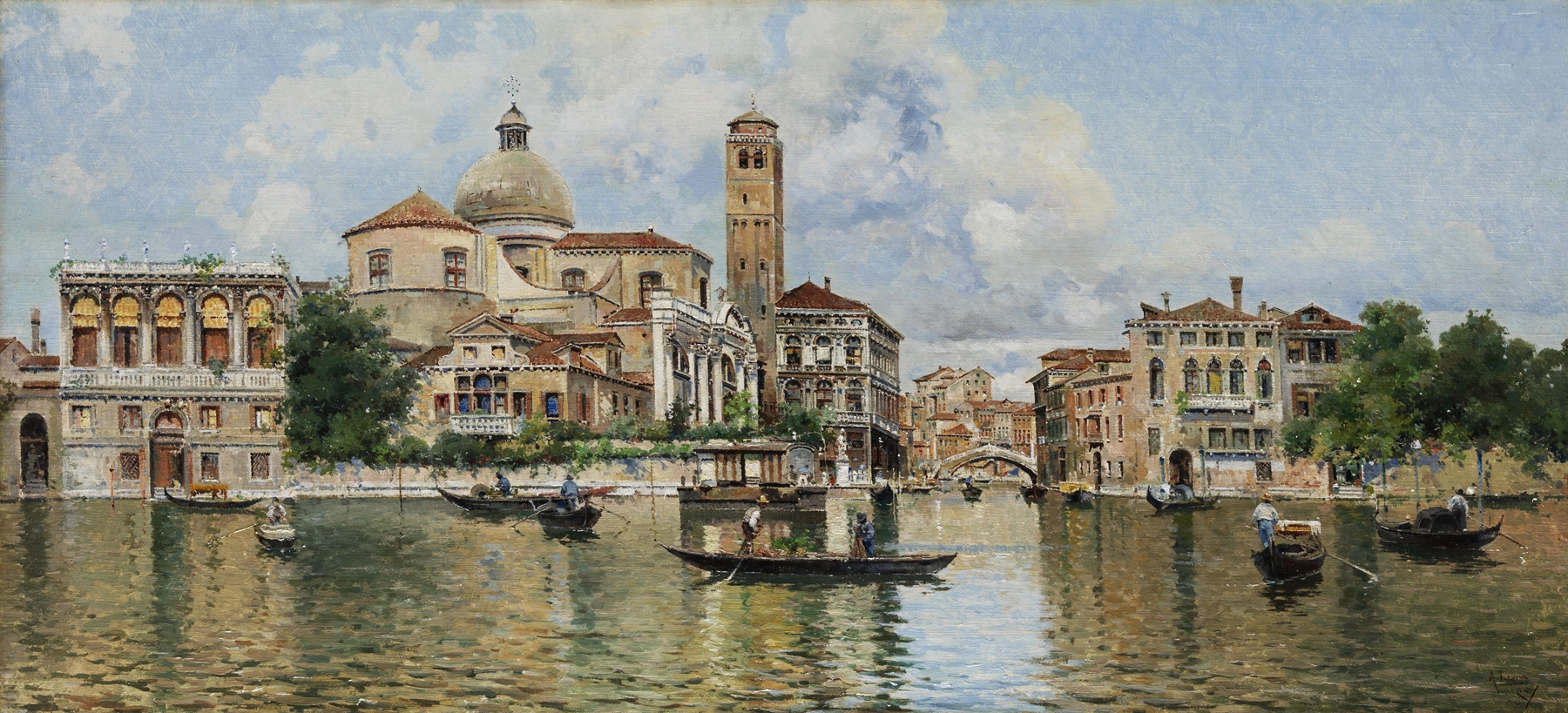
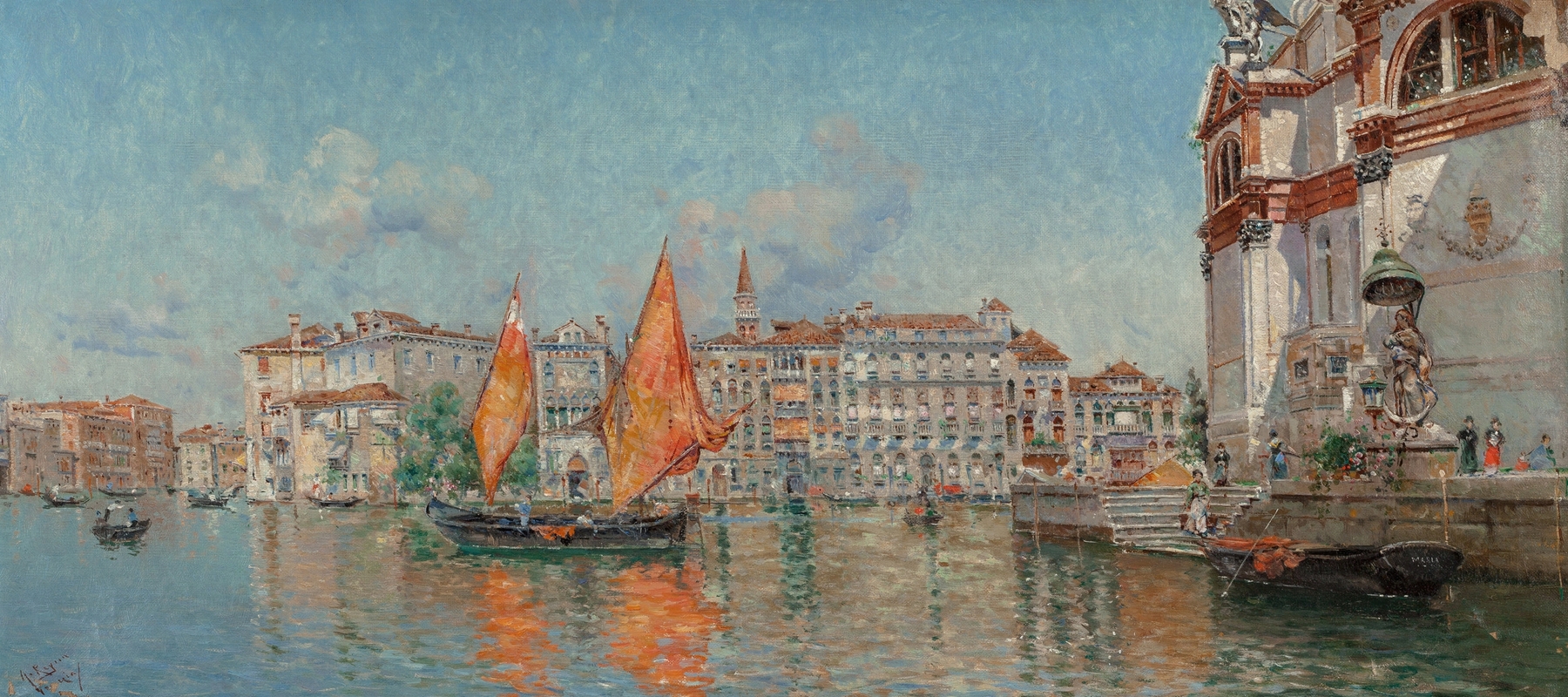
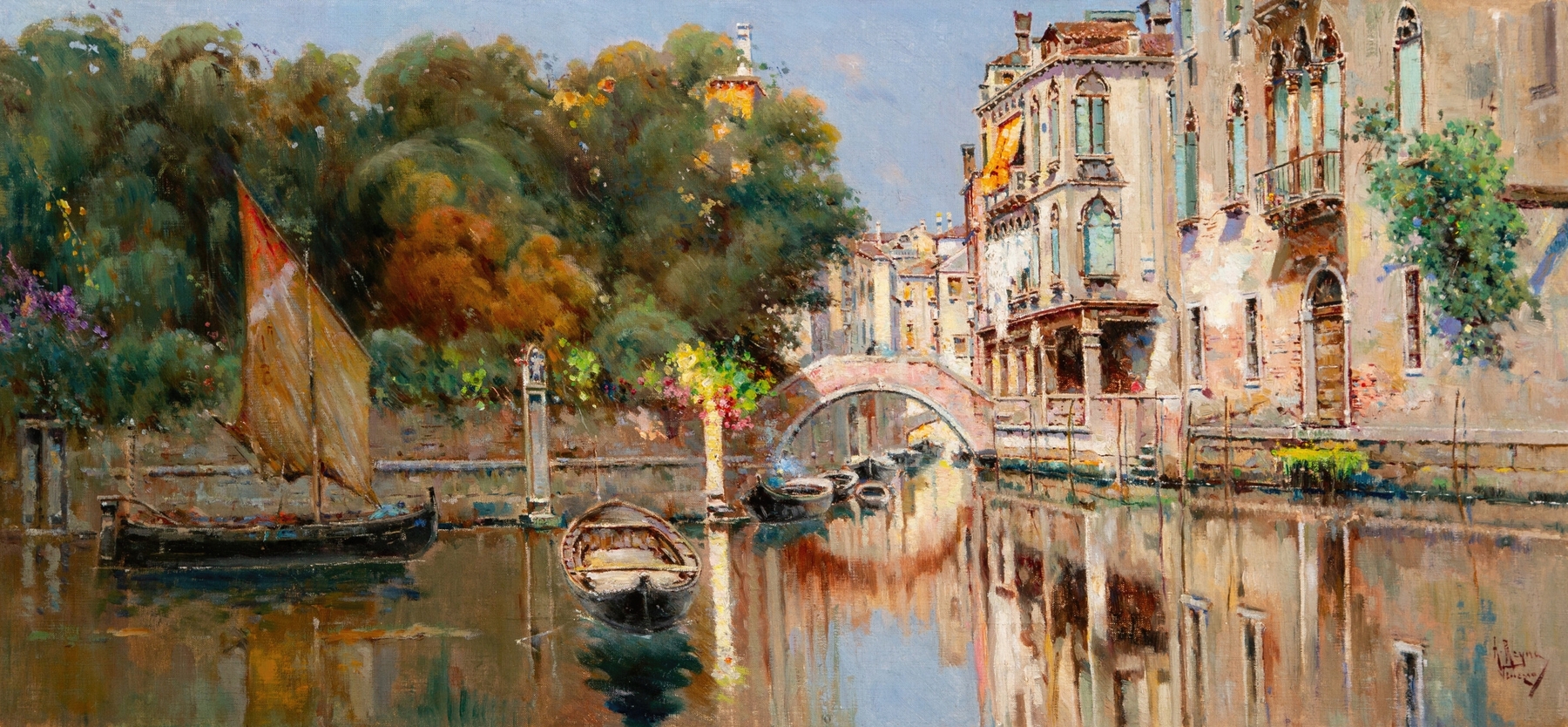
Is this a mirror — or a memory? The Grand Canal reflects the delicate balance between the past and present, where every ripple of water whispers tales of a city steeped in romance and decay. Look to the left at the soft glow of the buildings that line the canal, their facades bathed in the warm hues of sunset. Notice how the sky transitions from gold to deep indigo, casting a serene backdrop for the bustling boats that glide effortlessly through the water.
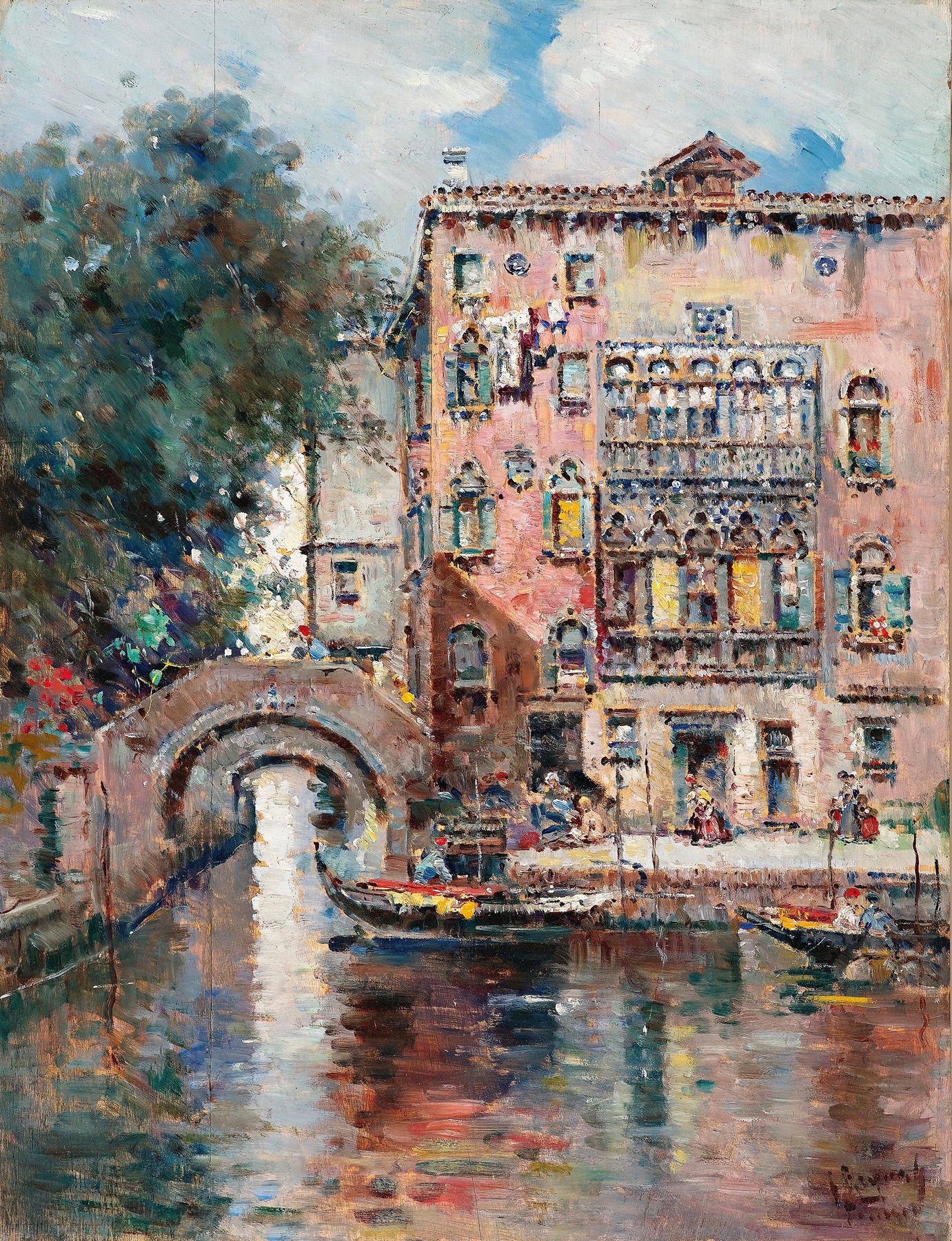
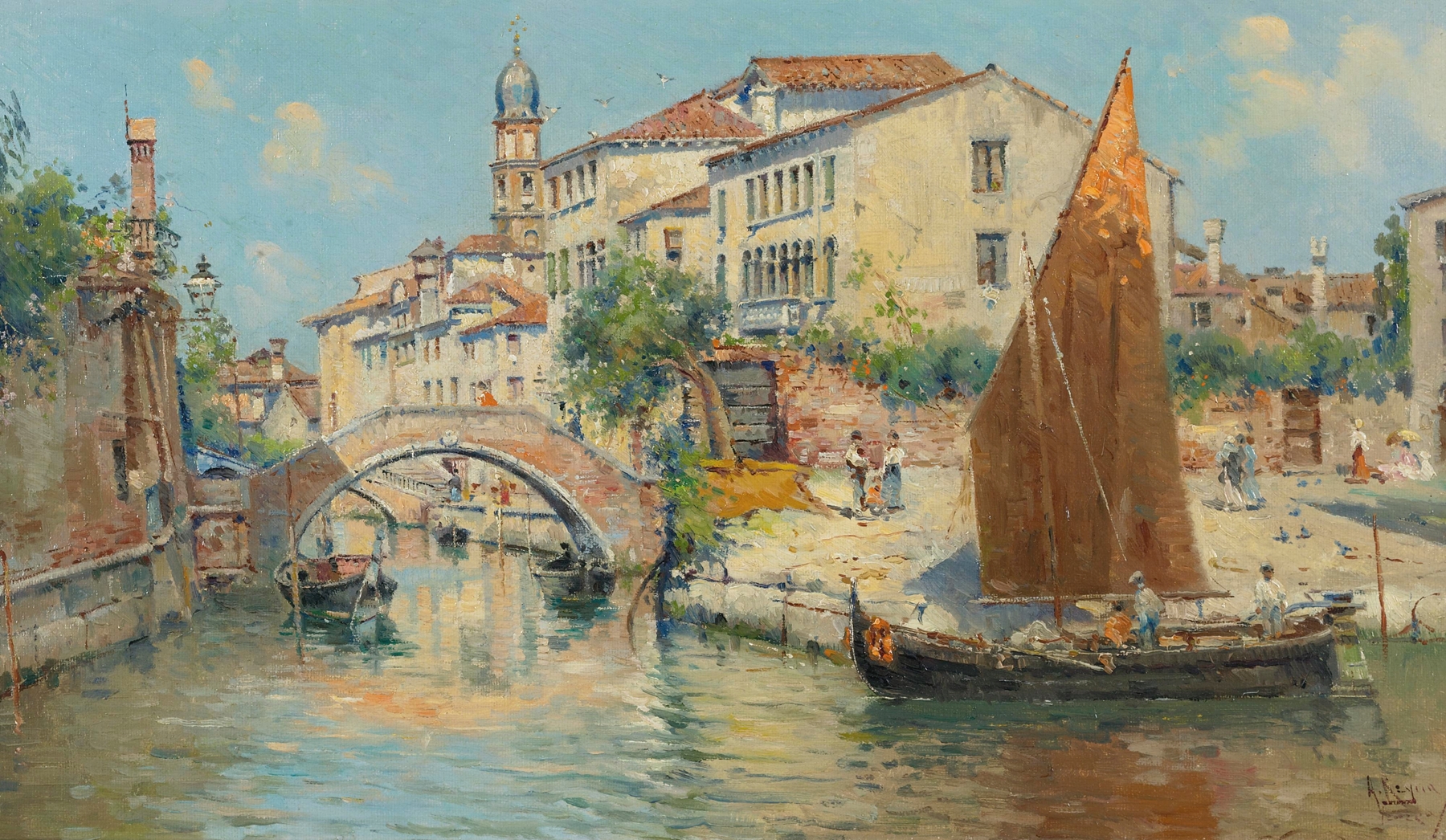
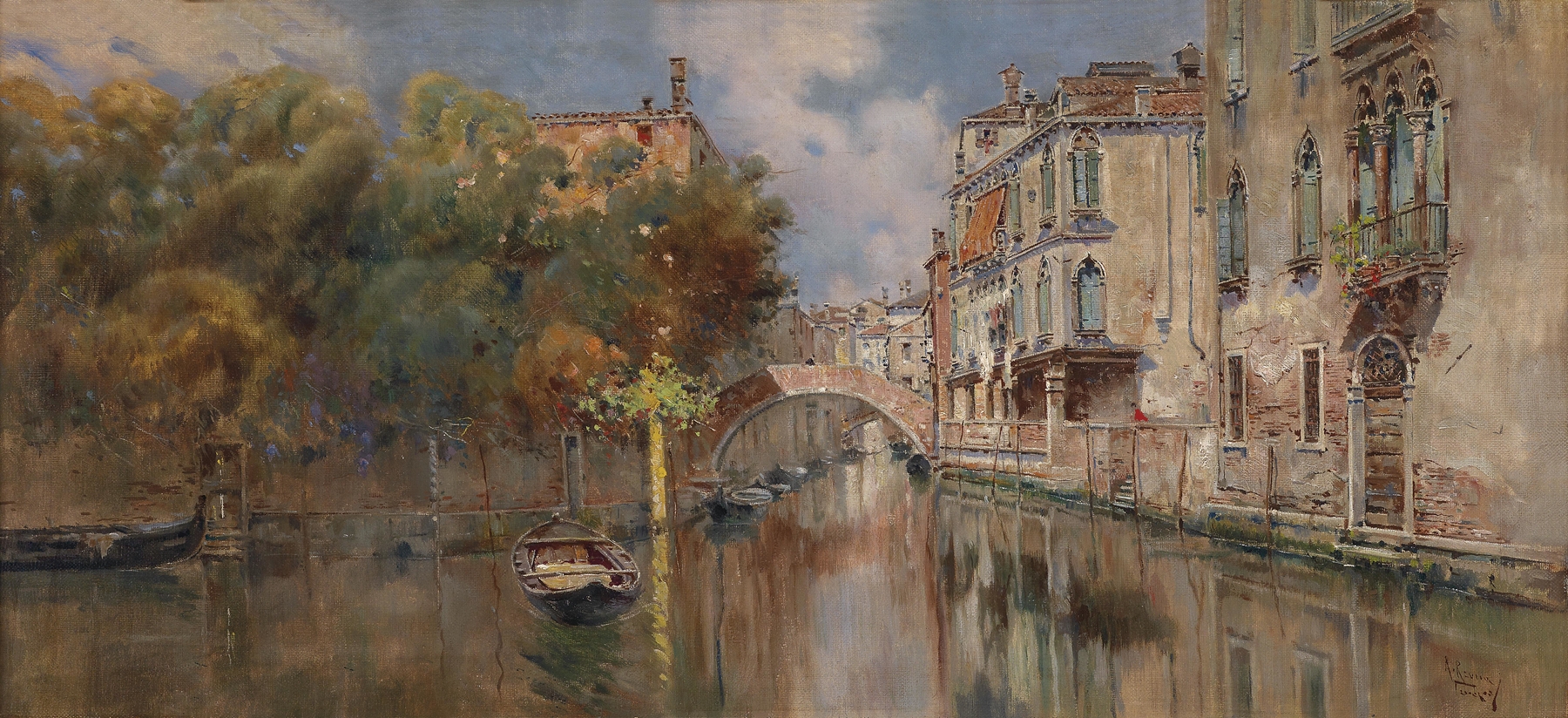
The artist employs a meticulous technique, with brushstrokes that blend the environment into a fluid tapestry, inviting the viewer to linger at the edges of this dreamlike scene. Beneath the serene surface lies a tension between tradition and change. The lively boats suggest a vibrancy that juxtaposes the quiet elegance of the historical architecture, hinting at the ever-evolving identity of Venice. Each element — from the intricately detailed gondolas to the almost ethereal reflection in the water — reveals a harmony that celebrates both the ephemeral and the enduring, suggesting that even in constant motion, balance can be found.
The artist created this piece during a time when Venice was both a tourist destination and a fading jewel of the past, likely in the late 19th century. As a painter, he navigated between the influences of Romanticism and the burgeoning Impressionism movement, reflecting a world caught between nostalgia and modernity. This artwork serves not only as a visual record but also as a conversation about the delicate equilibrium that defines this iconic city.