Entrée d’une carrière à Montmartre — History & Analysis
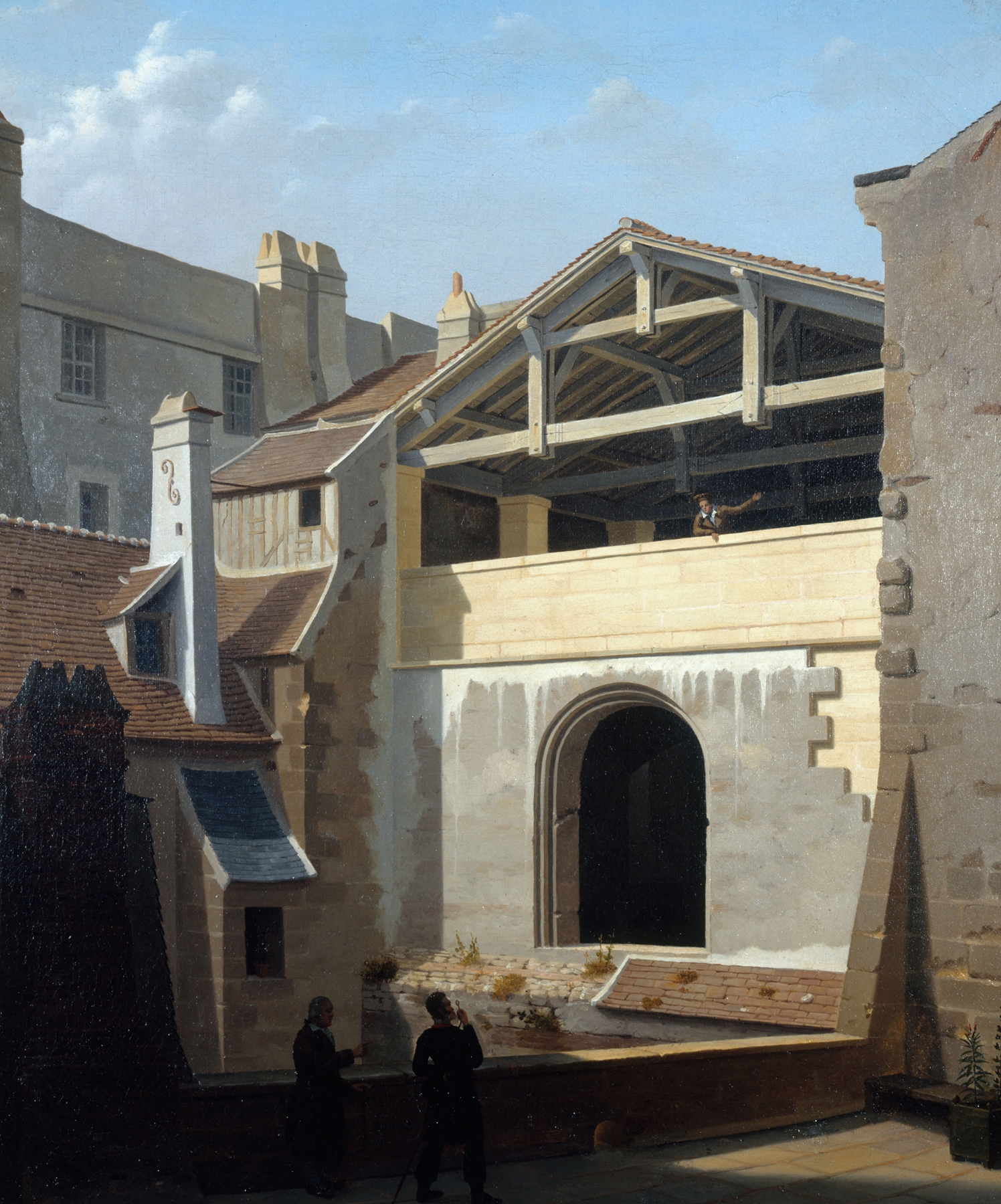
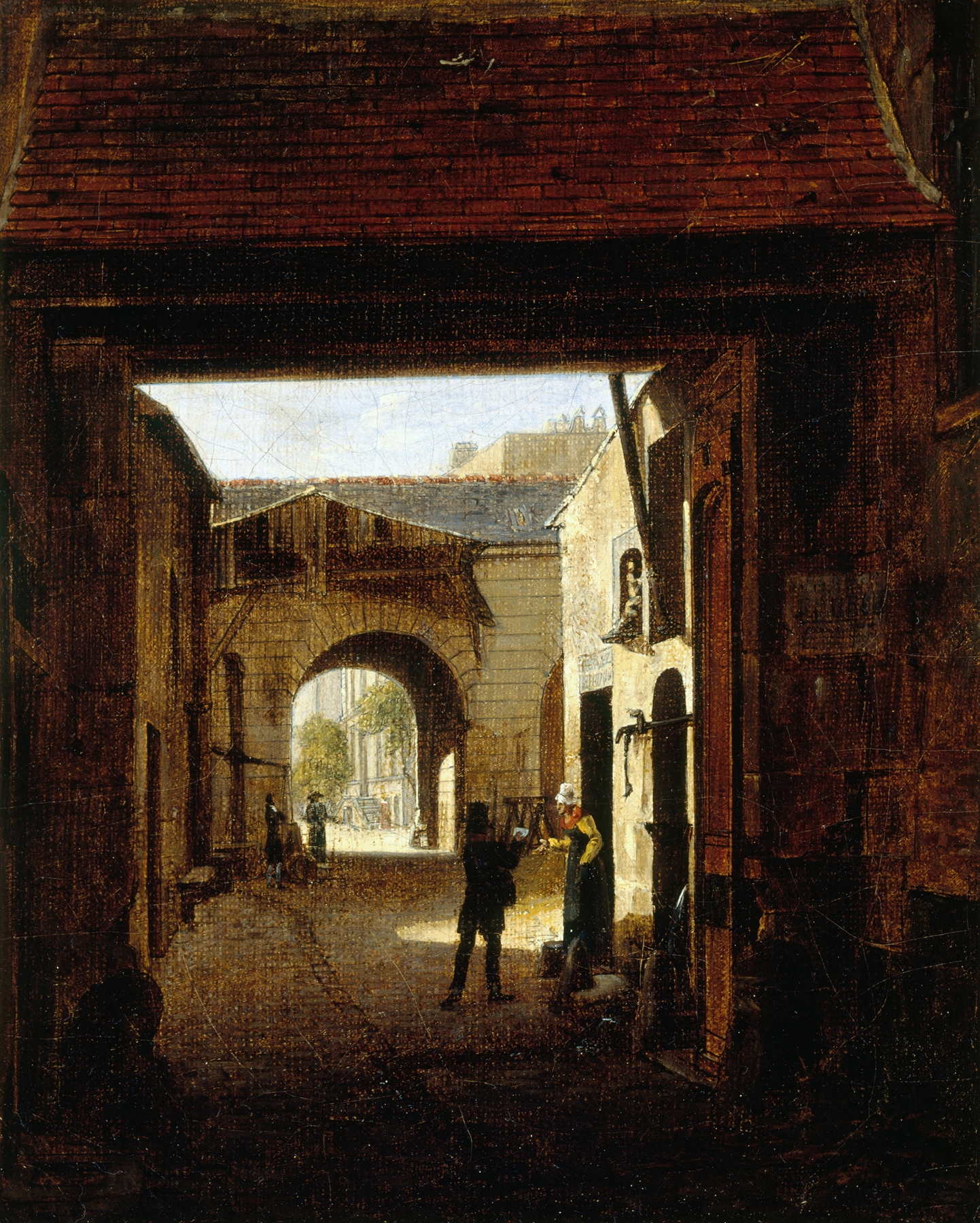
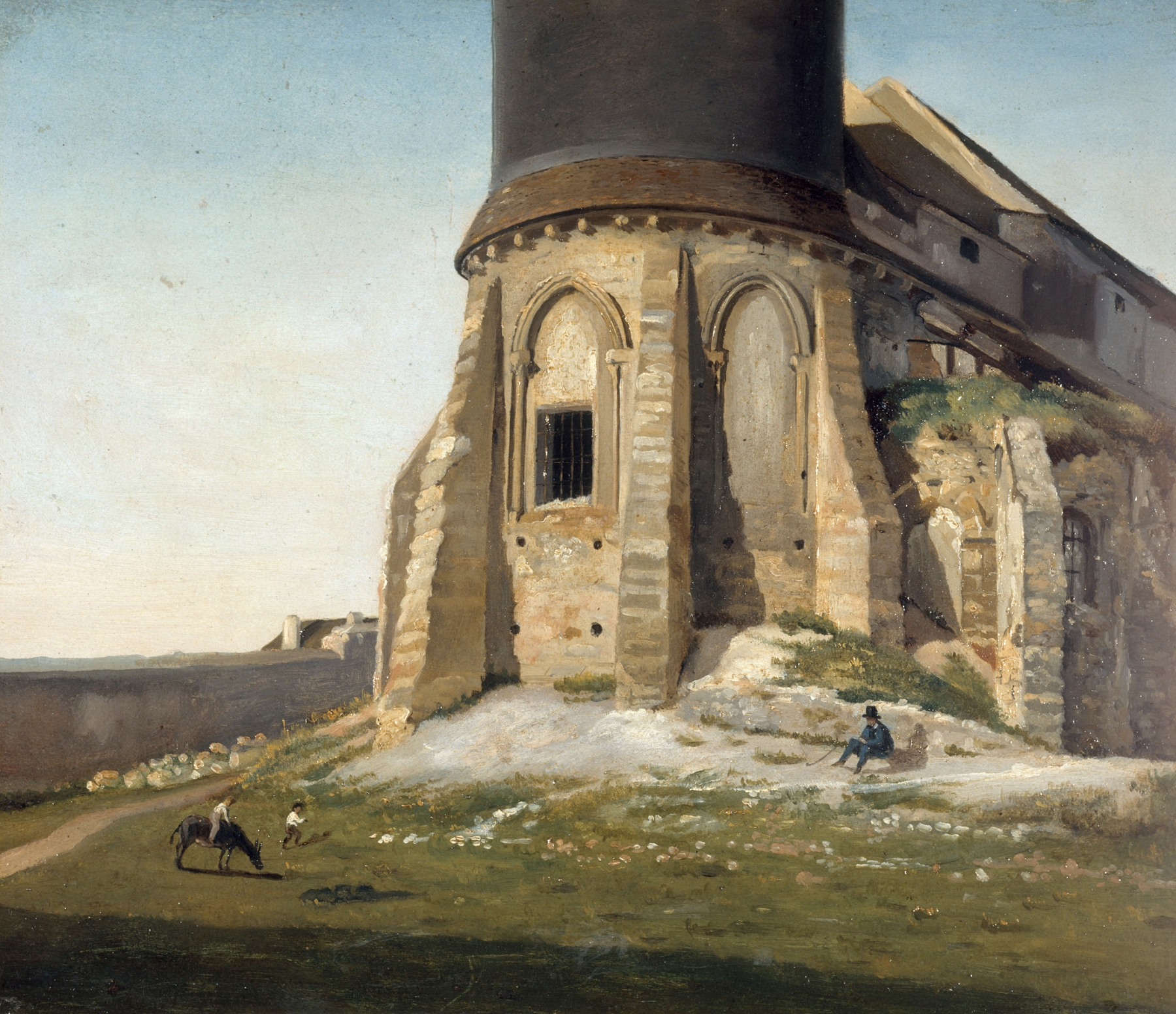
Can paint confess what words never could? The chaotic beauty of Entrée d’une carrière à Montmartre reveals the tumultuous dance of humanity and nature in a moment suspended between creation and decay. Look to the left of the canvas, where shadowy figures emerge from the depths of a quarry, their forms rendered in earthy tones that reflect both the toil of labor and the weight of the earth surrounding them. Notice how the sunlight filters through the trees, casting dappled patterns upon the rugged terrain, illuminating the tension between the workers and the stark landscape.
The delicate brushwork and muted palette suggest a world in constant flux, hinting at both the resilience of the human spirit and the inevitable encroachment of nature upon their endeavors. The juxtaposition of light and dark in this scene serves as a metaphor for the chaos of life; the figures seem dwarfed by the towering cliffs, yet their presence is undeniable. Each detail—the rough-hewn edges of the rocks, the tension in the workers’ postures—creates a deeper resonance with the viewer, evoking a sense of urgency and struggle amidst the serene beauty of Montmartre.
This harmony and discord capture the complex relationship between man and his environment, reflecting both ambition and vulnerability. In 1816, Etienne Bouhot painted this work during a period marked by Romanticism's rise in France, where artists sought to express the raw emotions of their subjects. Living amidst a burgeoning art scene and societal change, he found inspiration in the landscapes and everyday lives of the working class, capturing their stories through a lens of intimacy and depth that would resonate long beyond his time.