Le Jardin et le palais des Tuileries, vus du quai d’Orsay. — History & Analysis
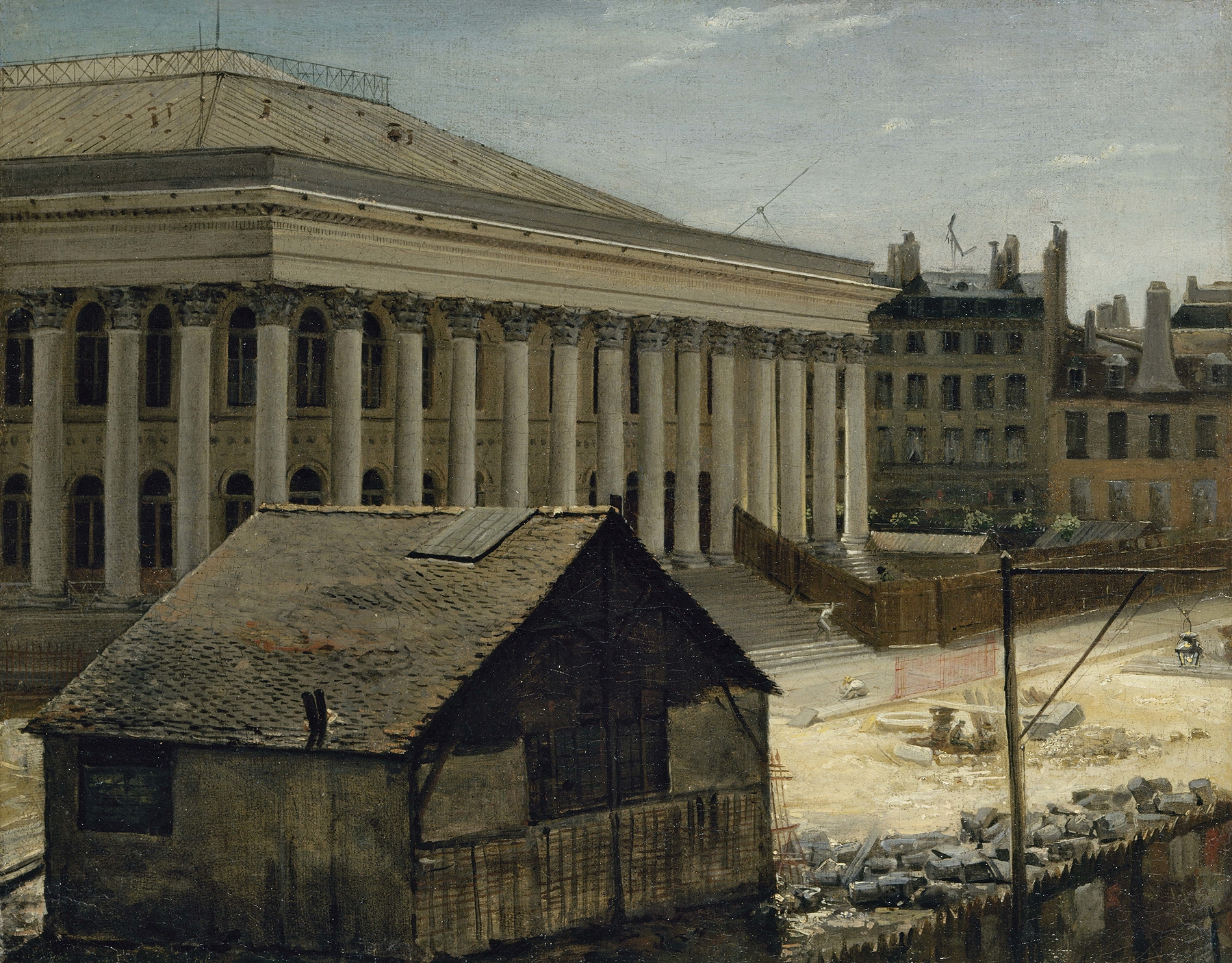
Is this a mirror — or a memory? The tranquil gardens of the Tuileries, a serene oasis amidst the chaotic pulse of Paris, evoke a sense of nostalgia, reminding viewers of the delicate balance between nature and civilization. Focus on the lush greenery enveloping the palace, where the vivid strokes of green contrast sharply against the soft, muted hues of the palace's stone facade. Notice how light dances across the surface of the water in the foreground, reflecting the architecture and trees, creating an interplay of solidity and fluidity.
The composition draws your eye from the foreground to the majestic buildings, guiding you along the serene pathway as you breathe in the peacefulness of this urban refuge. Yet, beneath the tranquil surface lies a tension — the chaos of a city that refuses to be stilled. The contrast between the ordered beauty of the garden and the looming presence of the palace suggests a deeper commentary on the political climate of the time. The gardens, often a gathering place for revolutionaries and artists alike, echo the whispers of history, where beauty intertwines with the unrest simmering just outside the frame.
In 1813, as Le Jardin et le palais des Tuileries, vus du quai d’Orsay was created, Bouhot found himself in a Paris experiencing the aftershocks of the Napoleonic Wars. This period was marked by both the splendor of the Empire and the growing discontent among its citizens. Bouhot, influenced by the Neoclassical movement, sought to capture not only the physical beauty of the gardens but also the complex social fabric of a city in flux.