Cour d’une maison de roulage, rue Saint-Denis, dite cour Sainte-Catherine. — History & Analysis
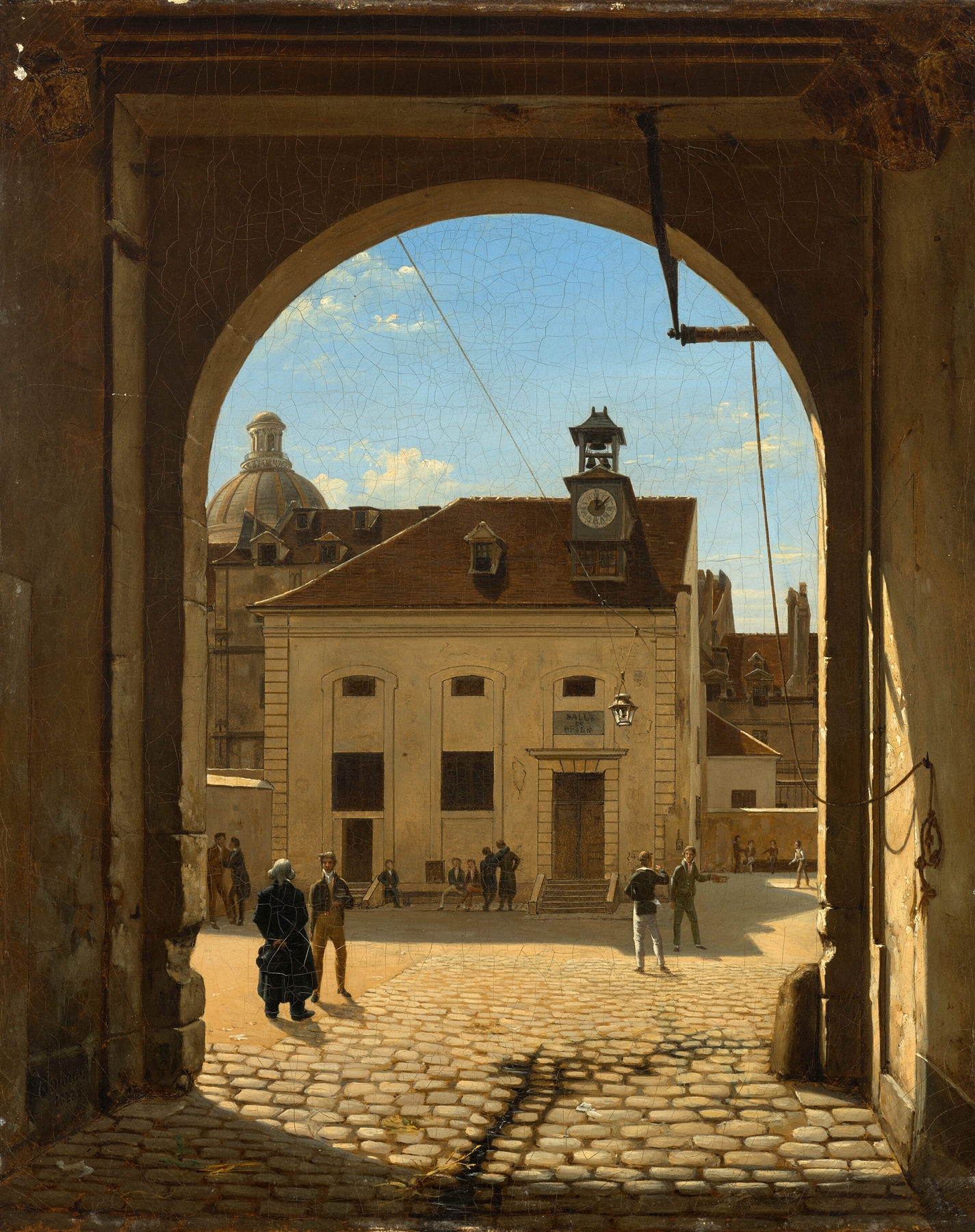
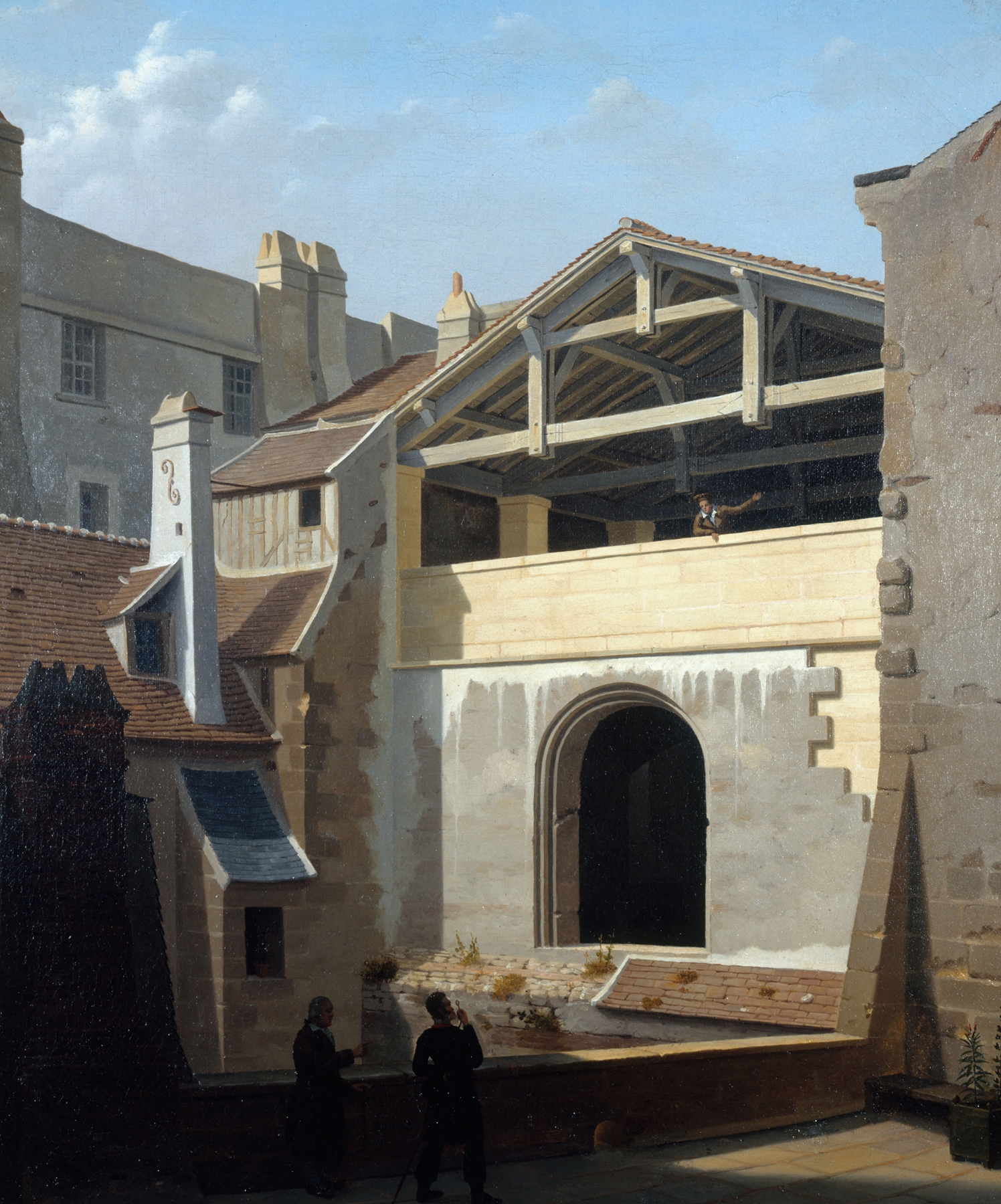
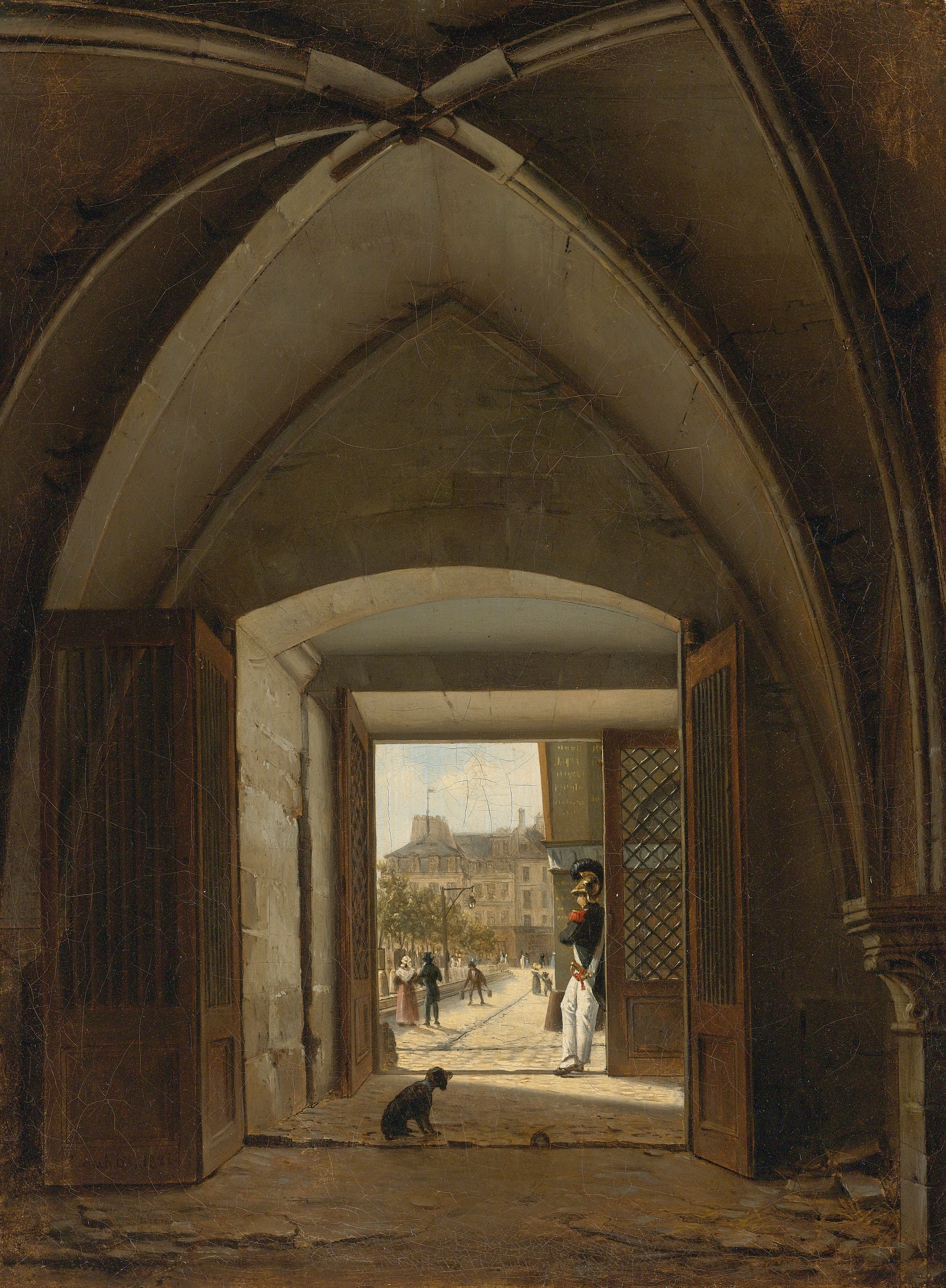
What if beauty was never meant to be finished? In the delicate interplay of light and shadow, a world unfolds, inviting reflection on its transient allure and unfulfilled longing. Focus on the central courtyard, where cobblestones shimmer with a muted glow beneath the soft, dappled light. Notice how the buildings rise on either side, their weathered facades telling stories of time and memory, while the archway frames a secretive glimpse into the lives within.
The painter’s meticulous attention to detail brings the scene to life, with subtle variations in color that conjure warmth and intimacy, drawing the viewer deeper into this moment caught between reality and reverie. The interplay of domesticity and solitude resonates throughout the work. The empty courtyard speaks of absence, evoking emotions of nostalgia and yearning for connection. The ever-present yet unseen figures hinted at in the shadows amplify this tension, suggesting lives lived and stories untold.
Each stroke captures a fleeting emotion, emphasizing that beauty often resides not in completion but in the poignant gaps that invite our imagination. Etienne Bouhot created this piece in 1815 while living in Paris, a time when French art was experiencing a shift towards realism. Emerging from the neoclassical traditions, artists began to explore everyday life, and Bouhot’s engagement with urban settings reflects this movement. The historical context of post-revolutionary France also infused his work with a sense of introspection, as the nation grappled with its identity and the remnants of its past, seeking beauty amid the chaos of transformation.