Vue des Thermes de Cluny, prise de la rue de la Harpe — History & Analysis
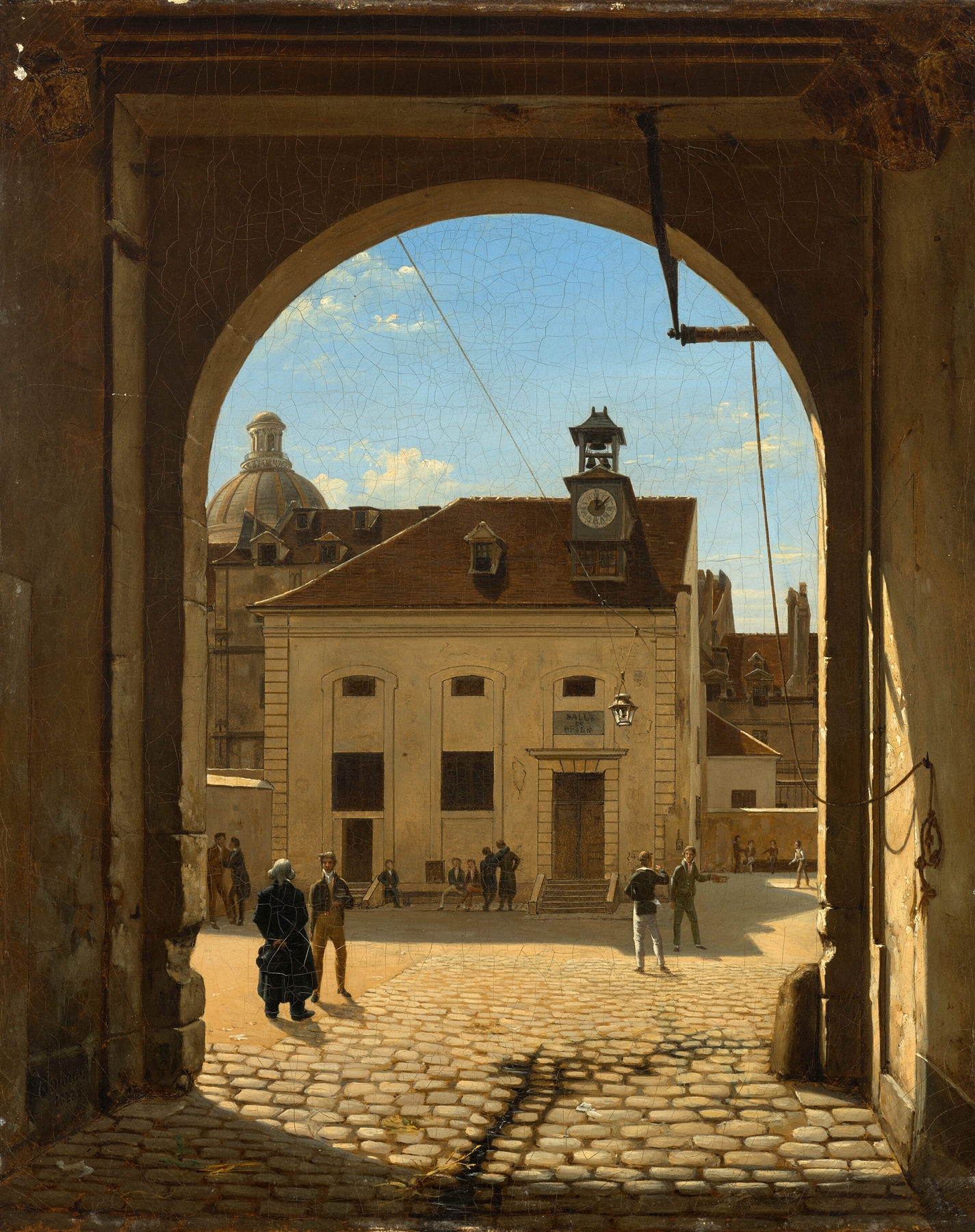
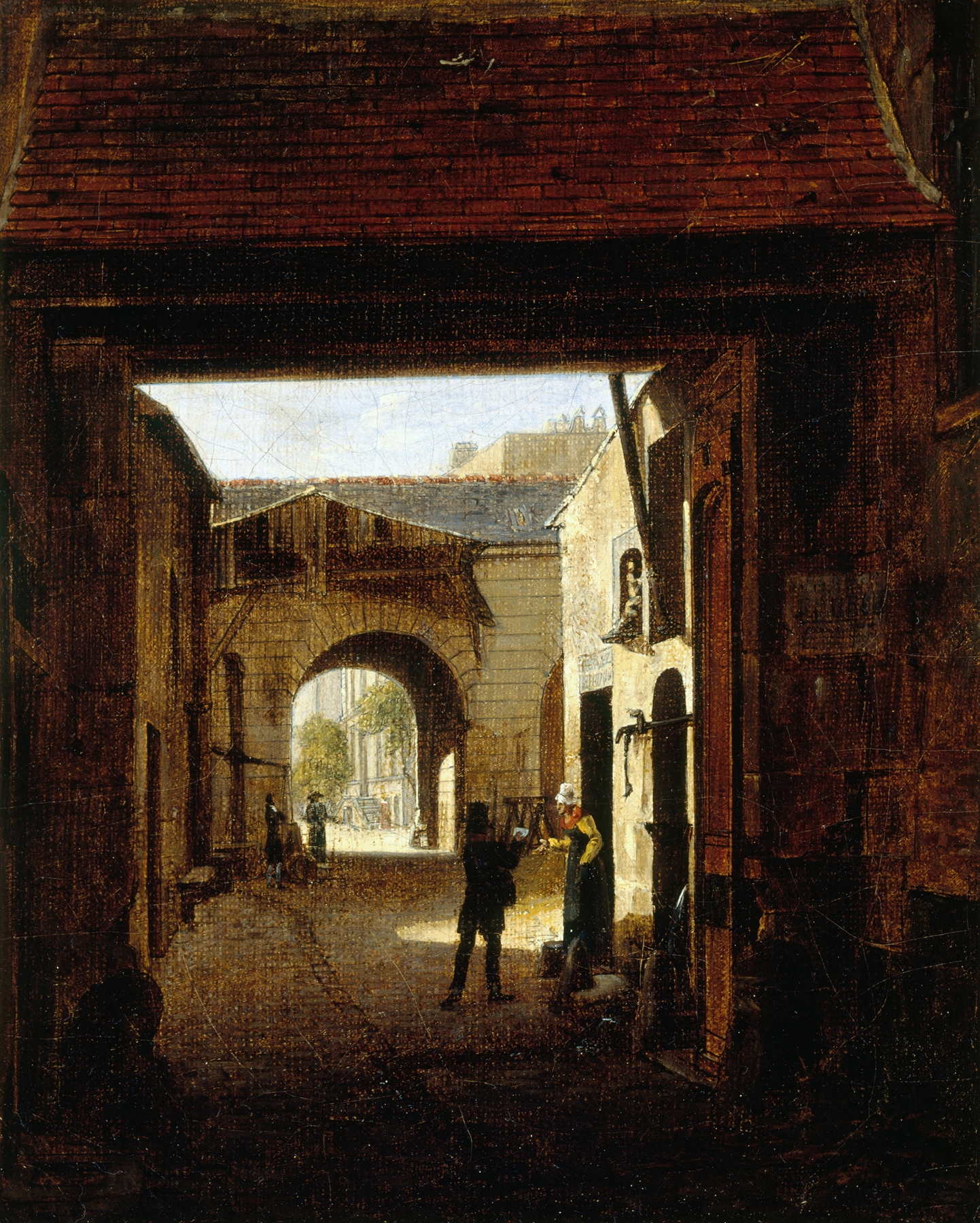
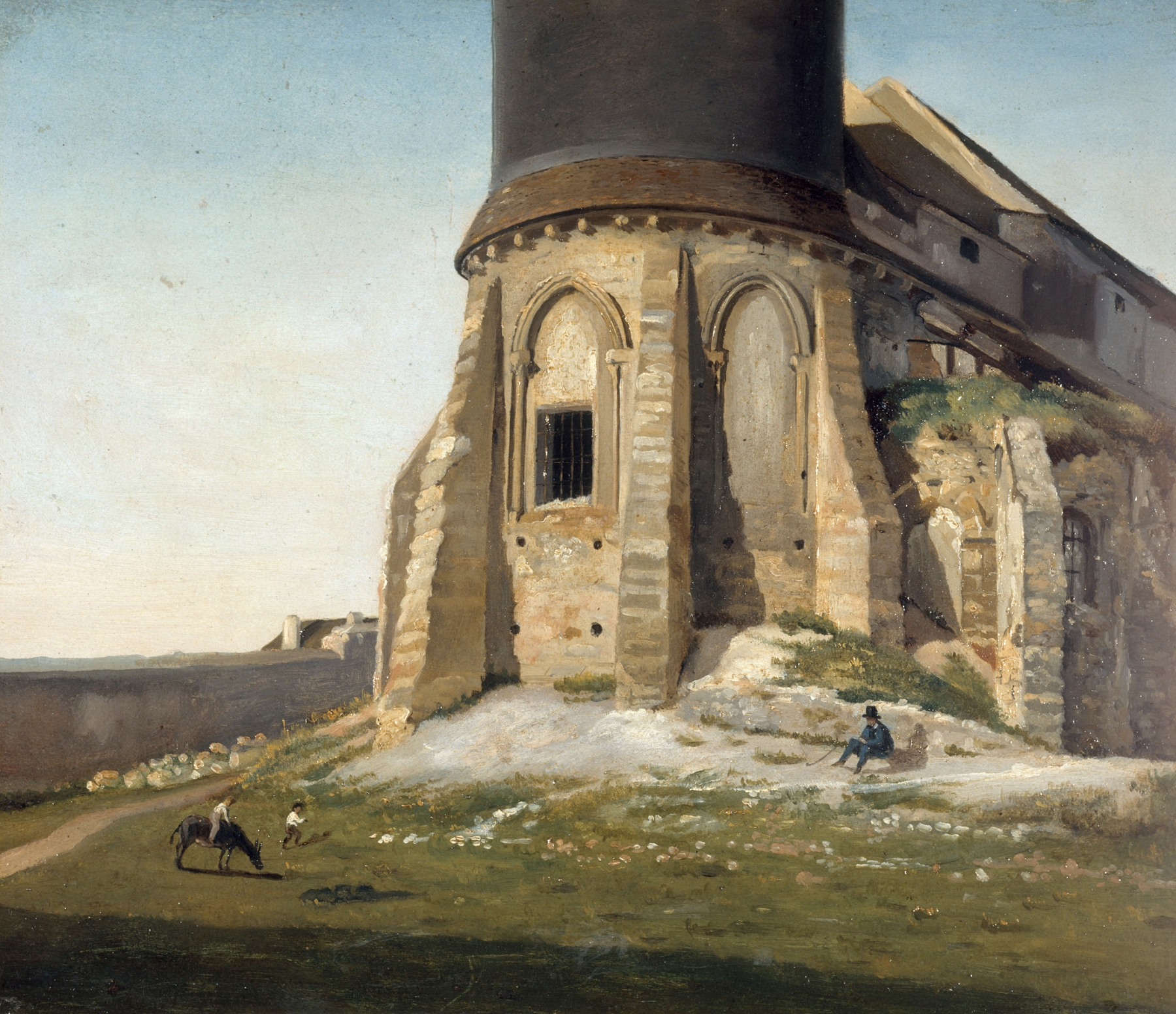
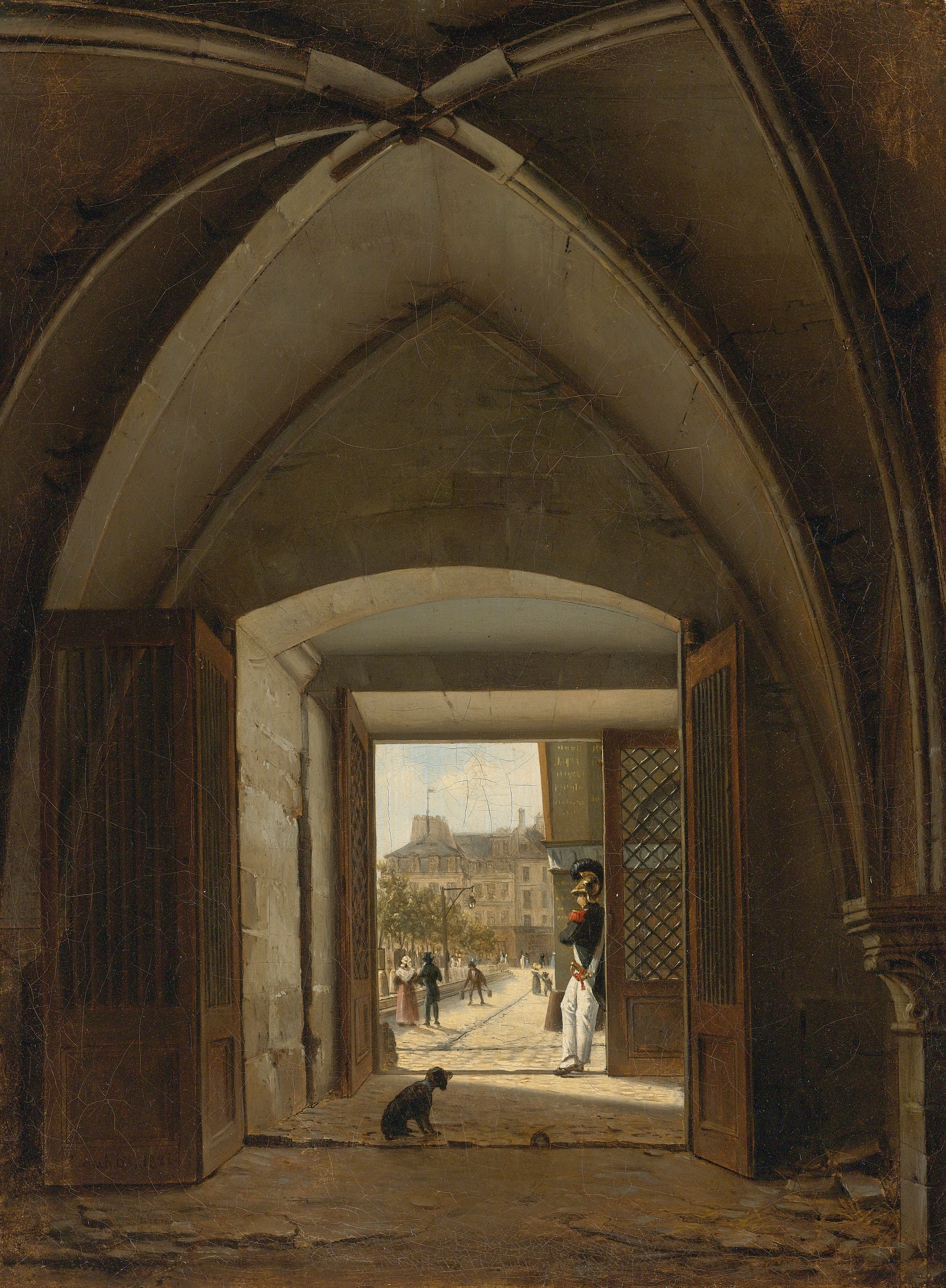
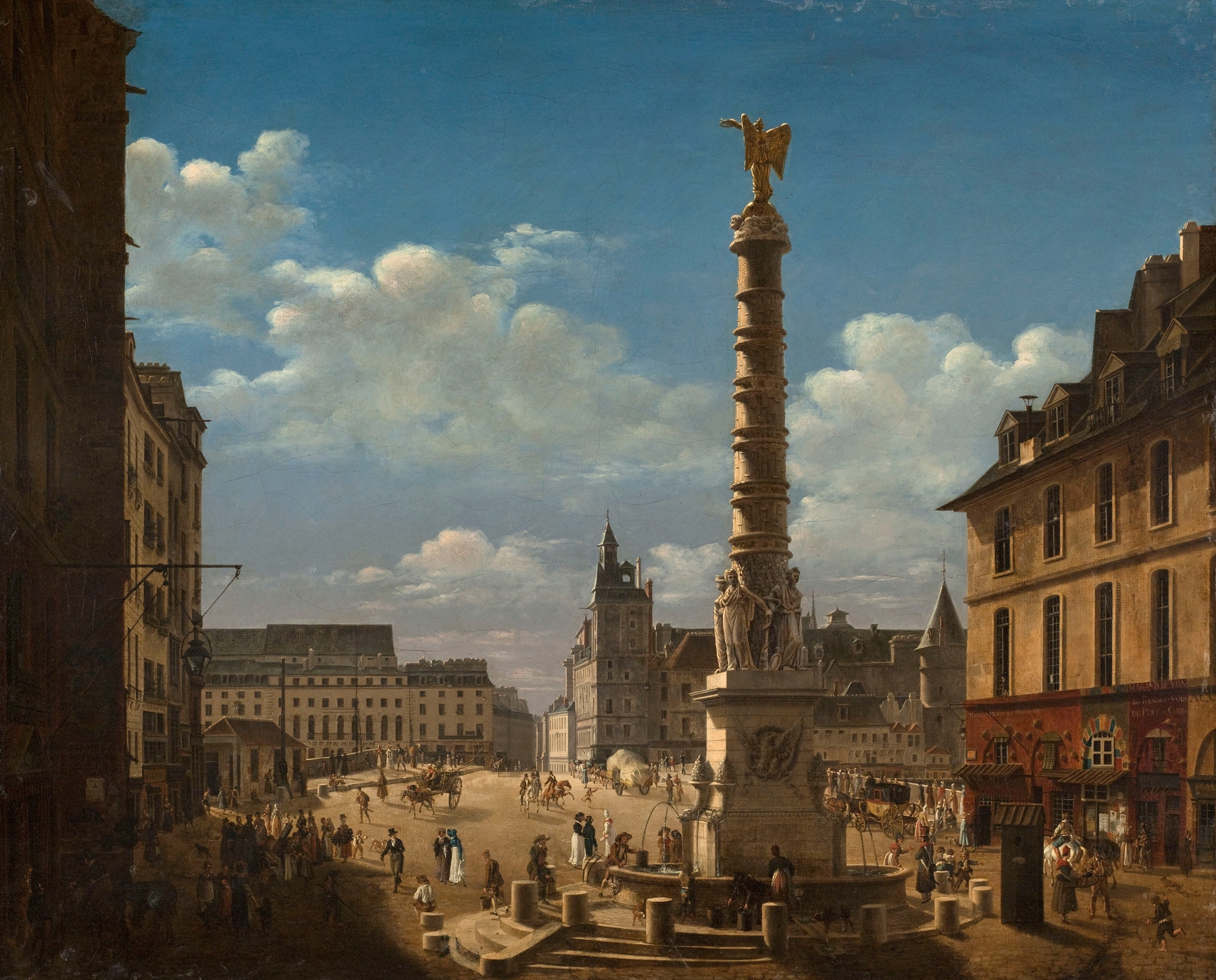
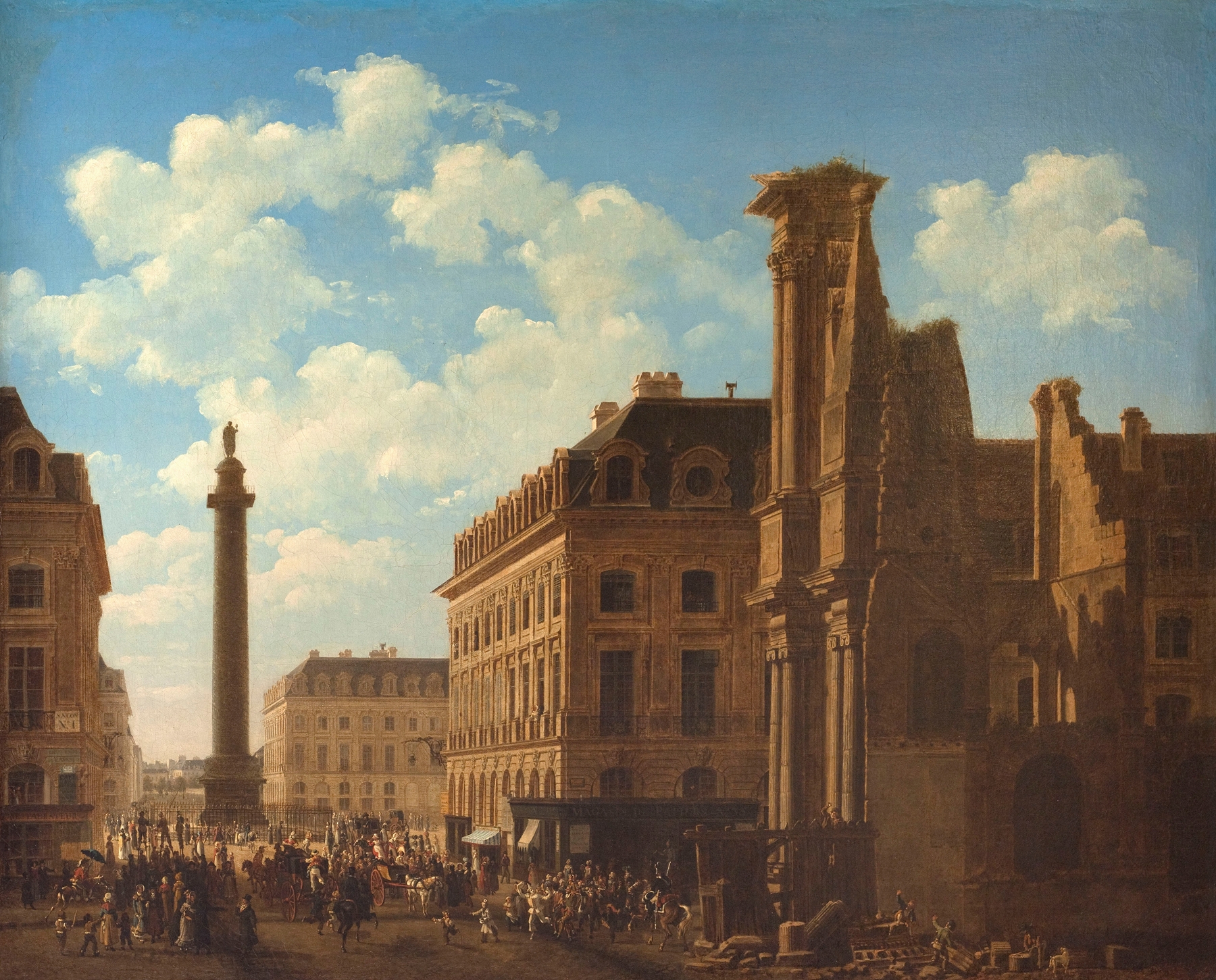
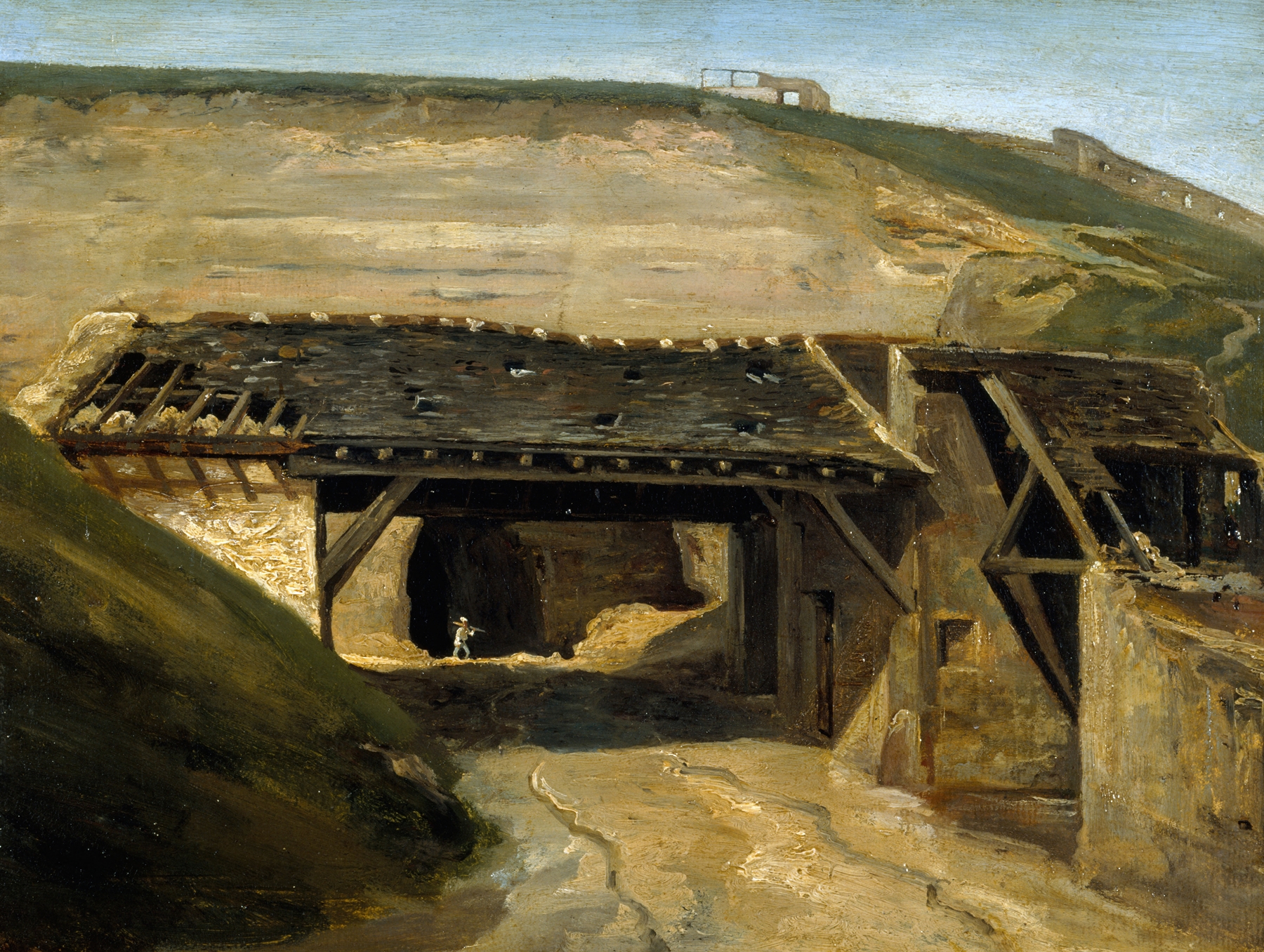
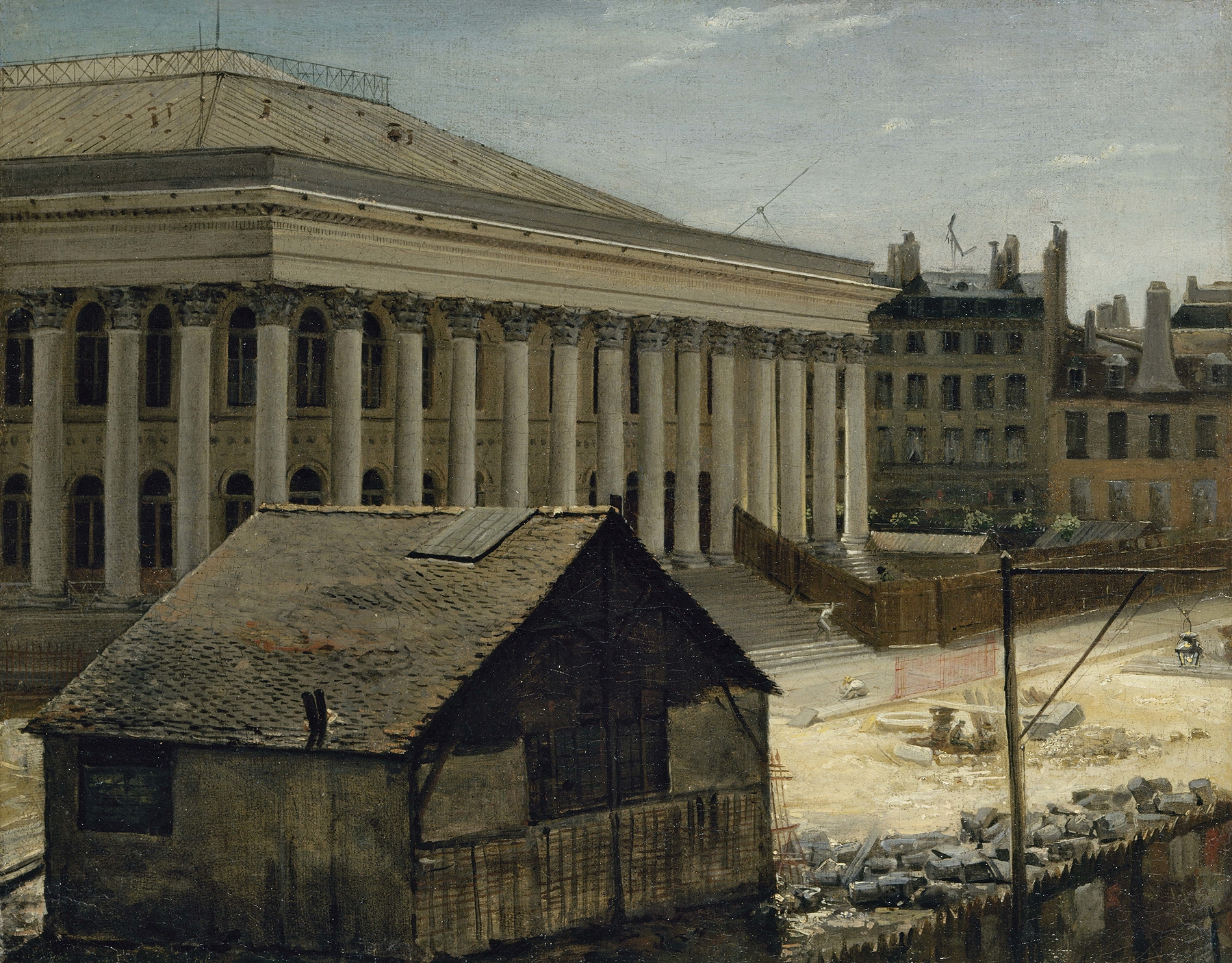
“Sometimes beauty is just pain, disguised in gold.” The phrase echoes through the corridors of time, as if the past always holds its breath, waiting to reveal its secrets. In the midst of Paris, where history lingers like a whisper, one can find a moment frozen in the warmth of a golden glow. Focus on the left of the canvas, where the structure of the Thermes de Cluny rises with dignified elegance, its medieval stones softened by the sun's embrace. The light falls gently across the scene, casting delicate shadows that dance between the intricate architectural details and the lively figures milling about.
Notice the juxtaposition of the well-dressed individuals in the foreground, their vibrant colors contrasting with the muted earth tones of the ancient building behind them, inviting you to explore the relationship between past and present. As you delve deeper, consider the hidden narratives within the painting. The bustling street speaks to a world alive with possibility, yet the ancient ruins signify a haunting reminder of time’s relentless passage. This tension between the vibrancy of life and the solemnity of history creates a dialogue, urging viewers to reflect on what we inherit from those who came before.
The small details, like the worn cobblestones, hint at countless stories, both joyous and sorrowful, telling us that beauty often conceals deeper truths. In 1835, Etienne Bouhot painted this scene during a period of profound change in France, as the country was transitioning from the aftermath of the July Monarchy. The Romantic movement was in full swing, infusing art with a sense of nostalgia and reverence for the past. Bouhot’s focus on architecture and everyday life was a testament to the growing interest in realism and the exploration of identity within the cultural landscape of Paris, bridging the gap between history and contemporary experience.