La Bourse en construction — History & Analysis
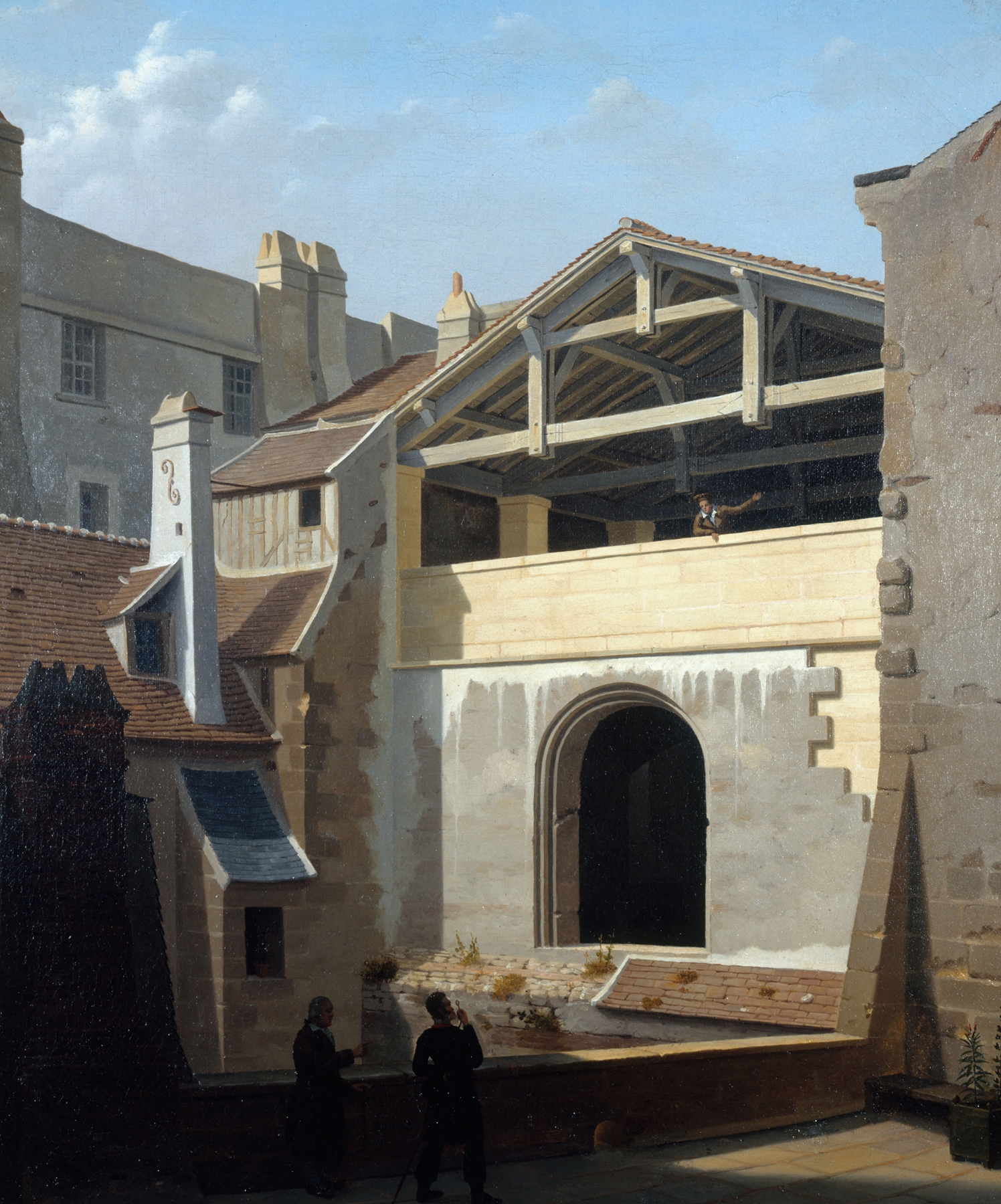
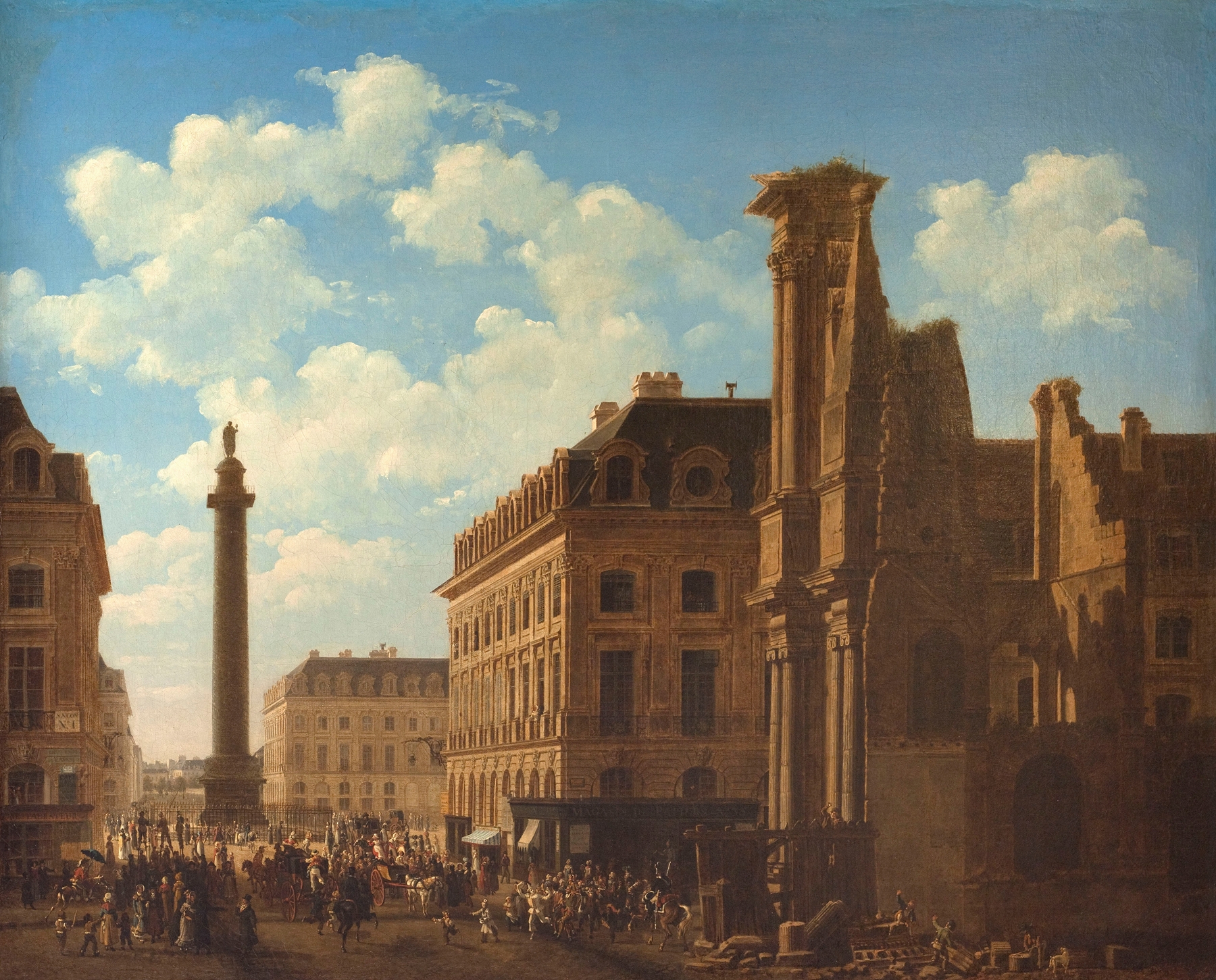
Did the painter know this moment would outlive them? As the sun rises over the burgeoning city, a delicate dance between man and architecture unfolds, echoing the divine aspiration of creation. Focus first on the towering scaffolding that rises prominently in the center, a testament to human ambition and ingenuity. The soft hues of ochre and warm browns envelop the scene, while gentle strokes define the figures in labor, their movements both purposeful and graceful.
The light filters through the unfinished structure, casting ethereal shadows that animate the canvas, inviting the viewer into this world of transformation. Beneath the surface, the painting speaks to the tension between nature and civilization. Notice how the workers, though laboring diligently, appear almost like guardians of the site, caught between earthly toil and celestial inspiration. The juxtaposition of the raw materials of construction against the serene sky suggests an ongoing struggle for meaning in the human experience—a quest for divinity in the mundane acts of life.
Created in 1820, this work emerged during a period of rapid industrialization in France. Bouhot meticulously portrayed the construction of the Paris Bourse, reflecting both the economic ambitions of the time and the artist's own desire to capture a moment that symbolized progress and the transformative power of architecture. As the world around him evolved, he rendered this scene with an eye for detail and a heart for the ephemeral, immortalizing a time of profound change.