Evening Landscape — History & Analysis
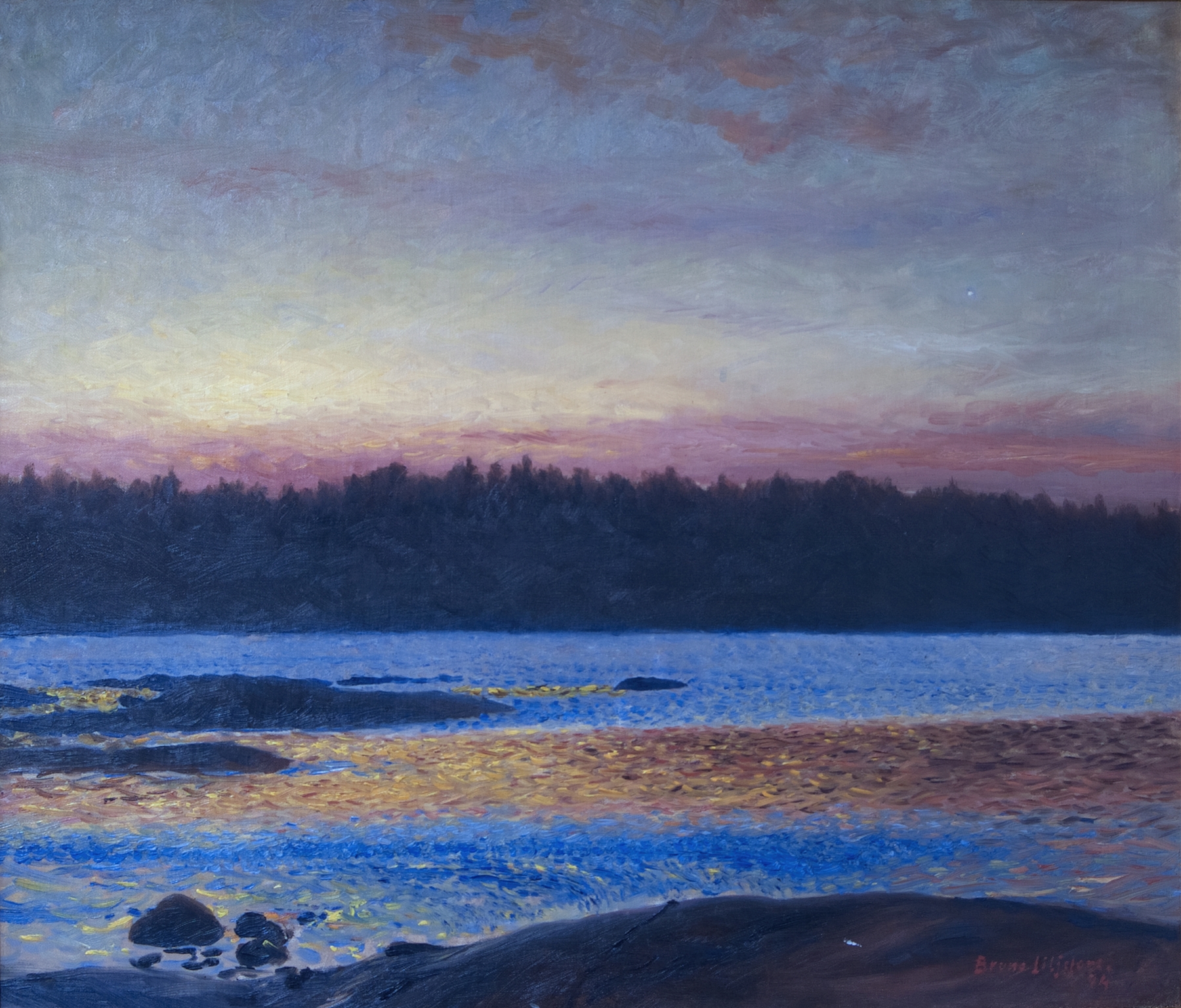
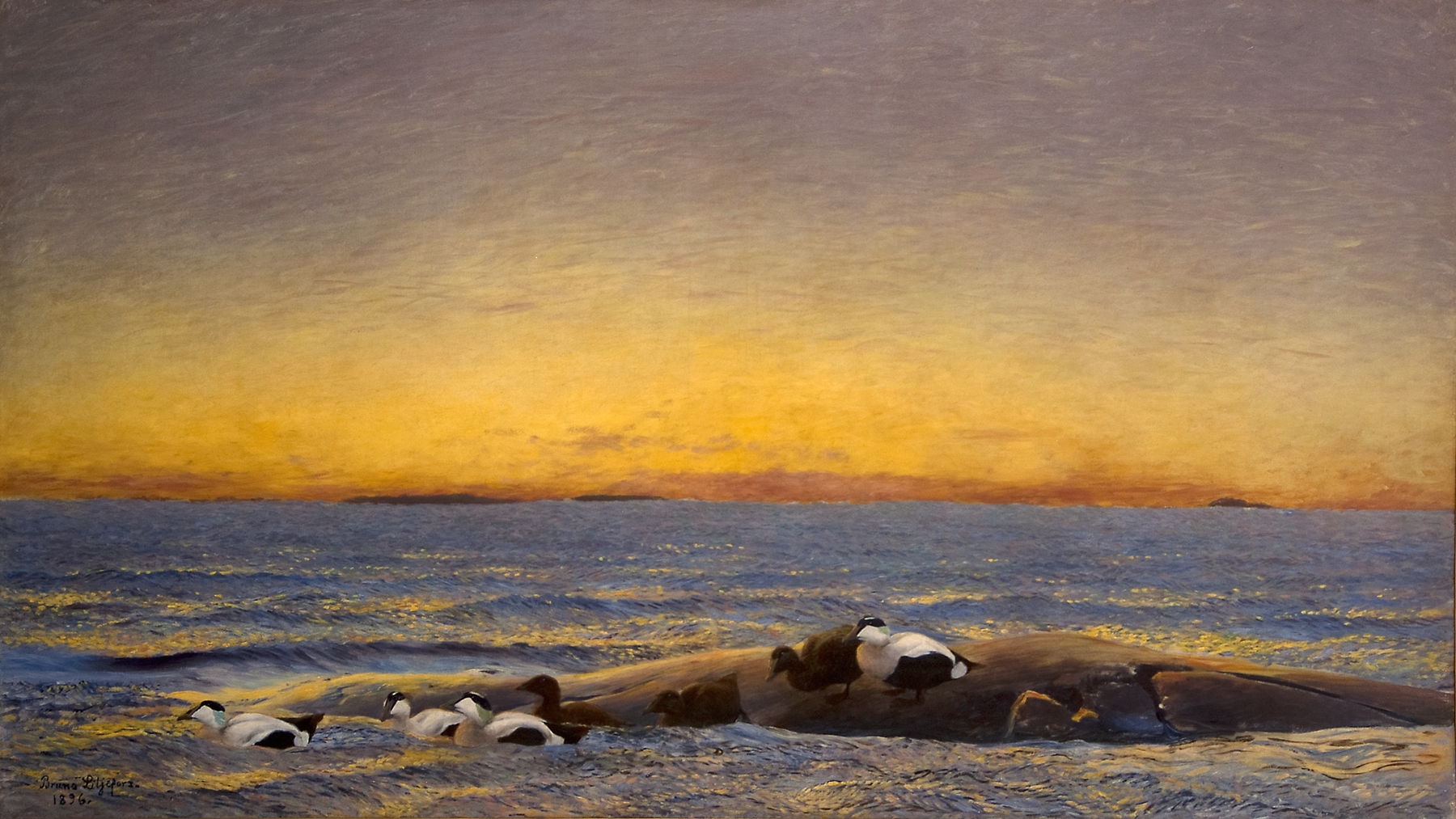
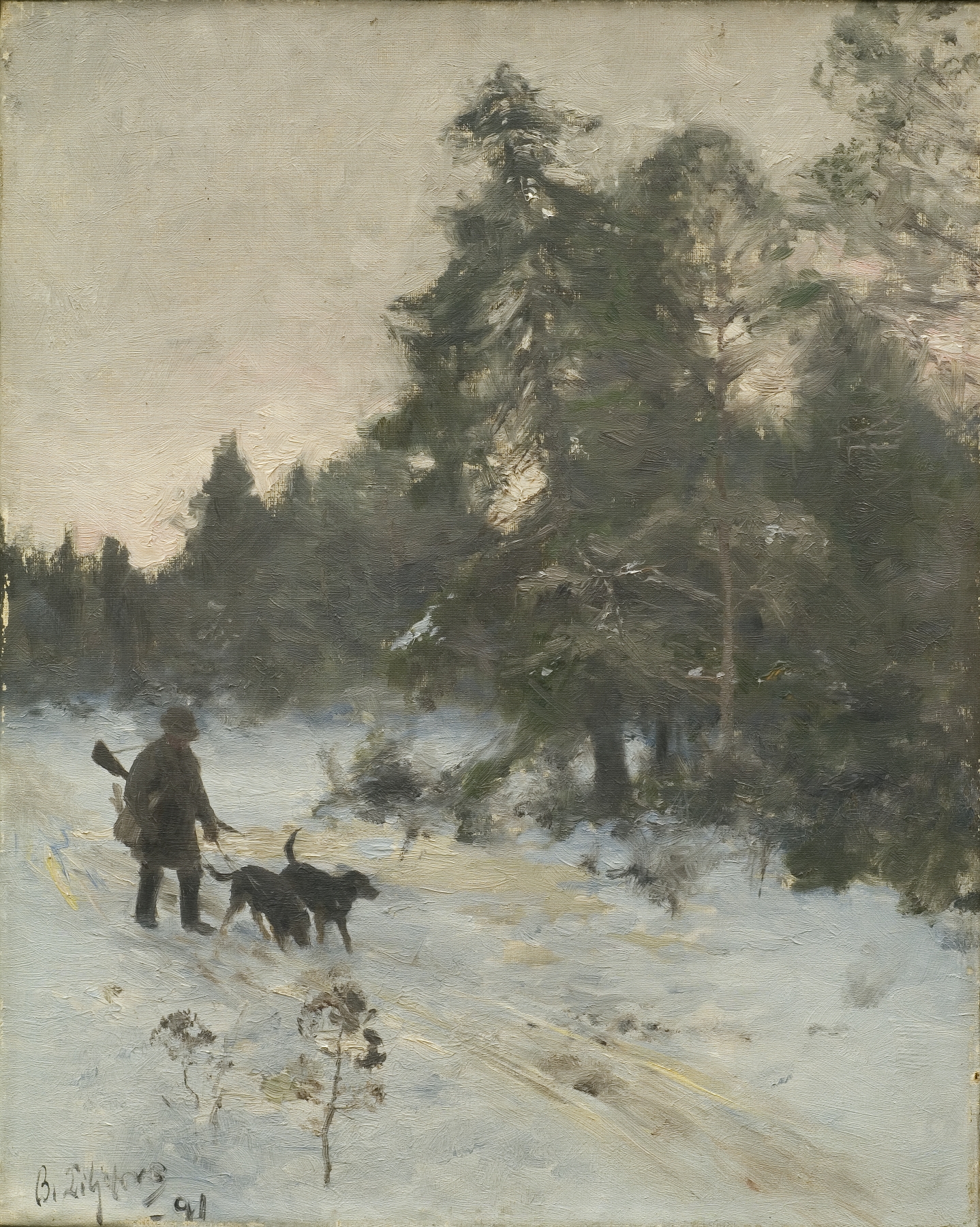
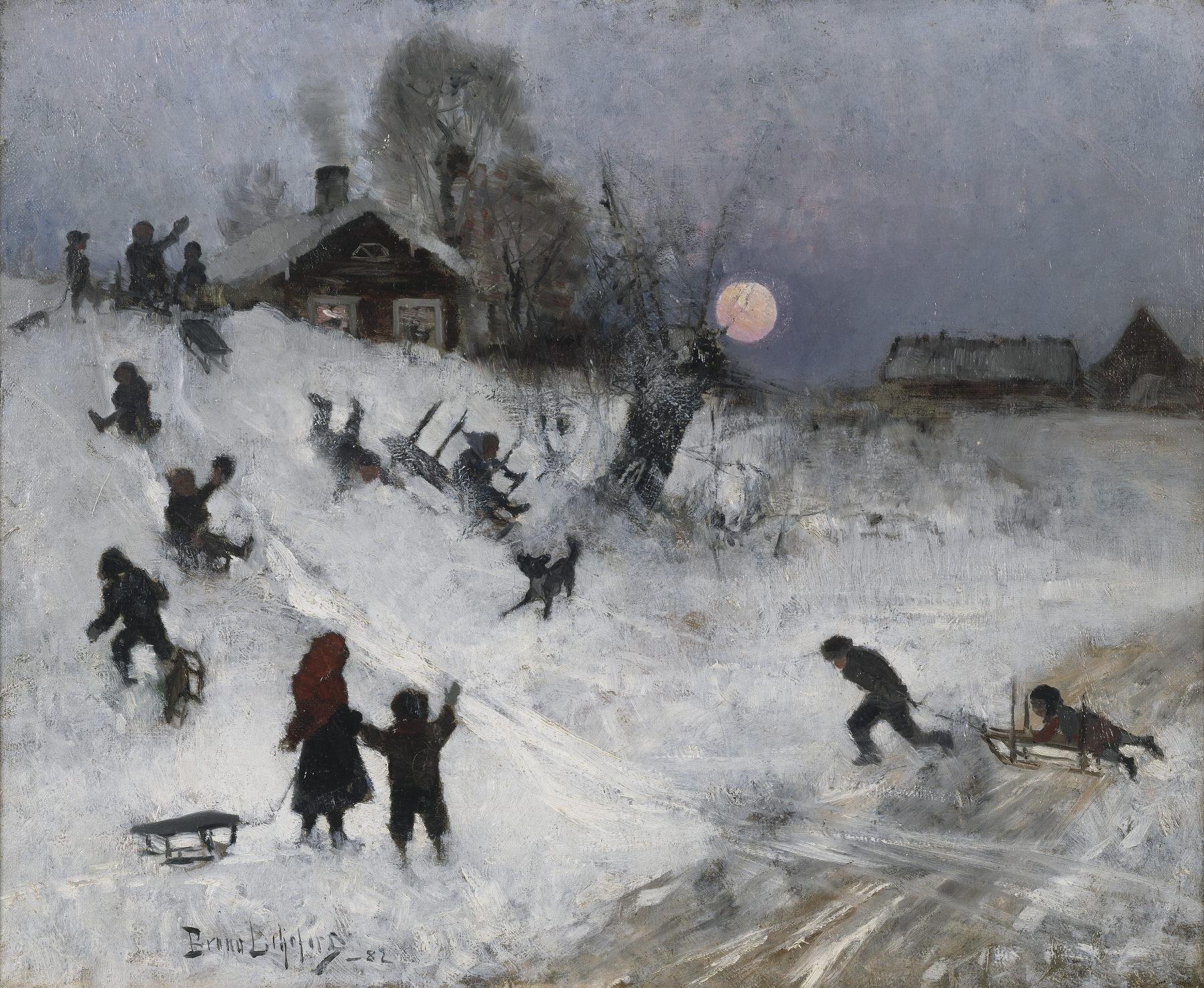
“Every brushstroke is a heartbeat remembered.” In the quiet embrace of twilight, a world unfolds where nature breathes its history into the landscape, whispering stories of legacy and time. Look to the horizon, where dusky hues of violet and amber blend seamlessly, creating a mesmerizing sky that cradles both day and night. The silhouettes of trees stand tall, their dark forms punctuating the ethereal glow. Notice how the light dances across the gentle ripples of a nearby body of water, reflecting the colors of the sky and inviting the viewer to lose themselves in this tranquil moment.
Each stroke is deliberate, capturing the fleeting beauty of dusk with a luminous quality that evokes both solitude and serenity. Delve deeper into the canvas, where the contrast between the vibrant sky and the deepening shadows hints at the passage of time. The trees, often symbols of wisdom and endurance, anchor the fleeting moment, suggesting a connection to the past and the cycle of life. This tension invites contemplation on the legacy of nature itself, as well as the artist’s own place within this continuum.
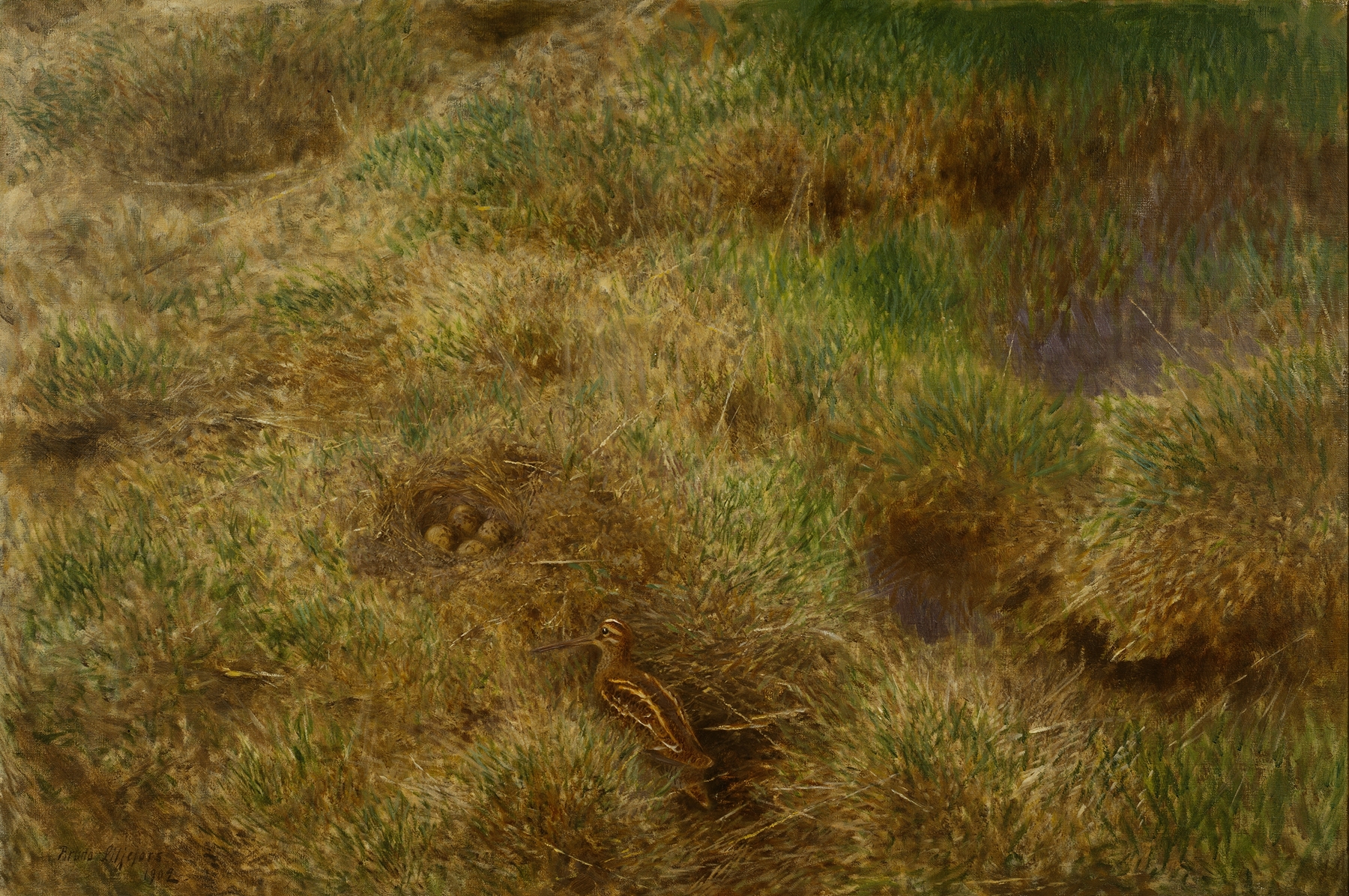
Every element is interwoven, a testament to the harmony that exists between light and shadow, presence and absence. In 1902, Bruno Liljefors was at the pinnacle of his career, living in Sweden, where the natural landscape profoundly influenced his work. This period was marked by a growing interest in capturing natural light and the atmospheric effects of the environment. As art movements evolved, Liljefors embraced these changes, forging a path that would leave an indelible mark on the world of landscape painting, resonating with generations to come.