Farizeeën willen Christus stenigen — History & Analysis
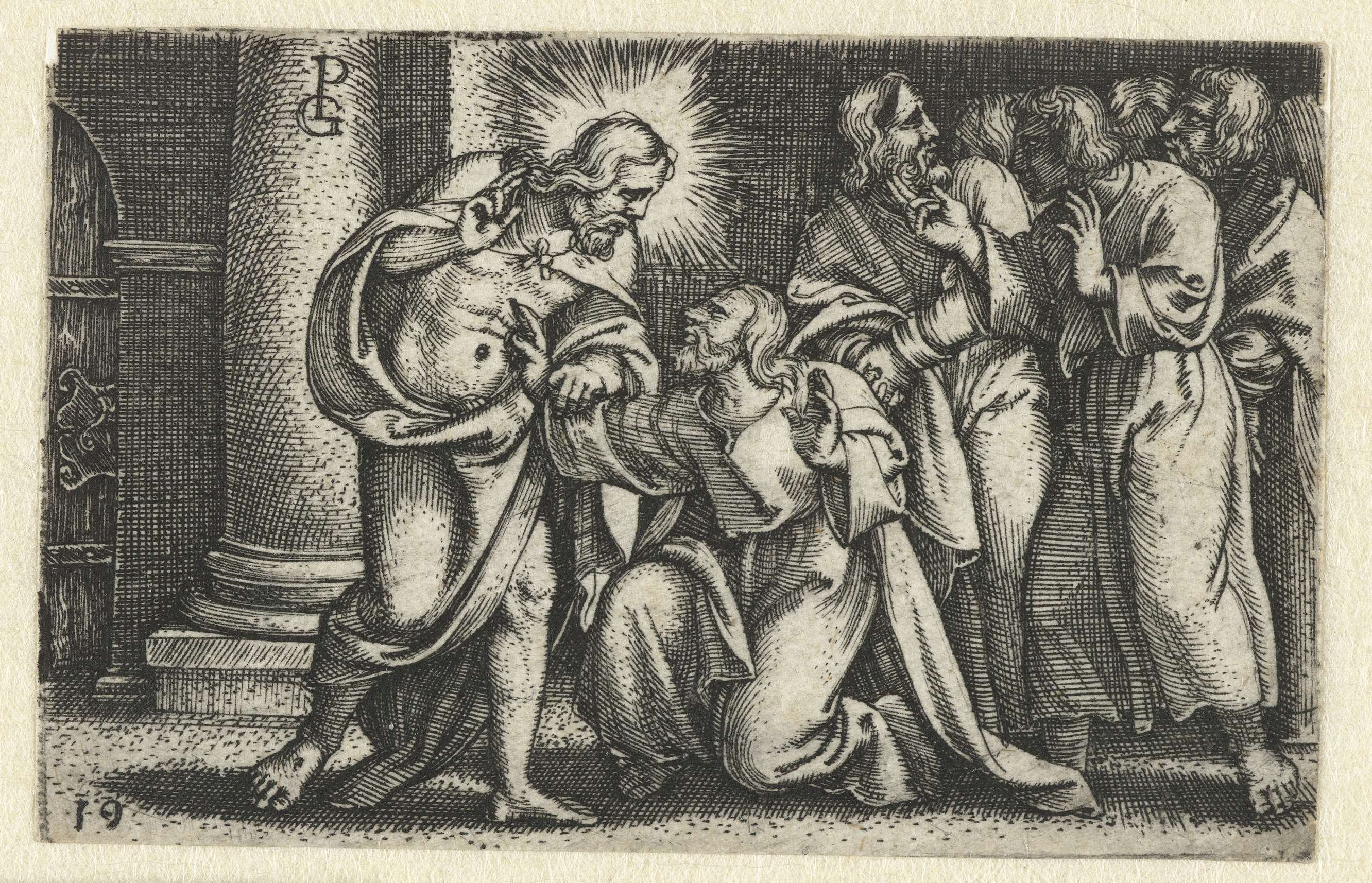
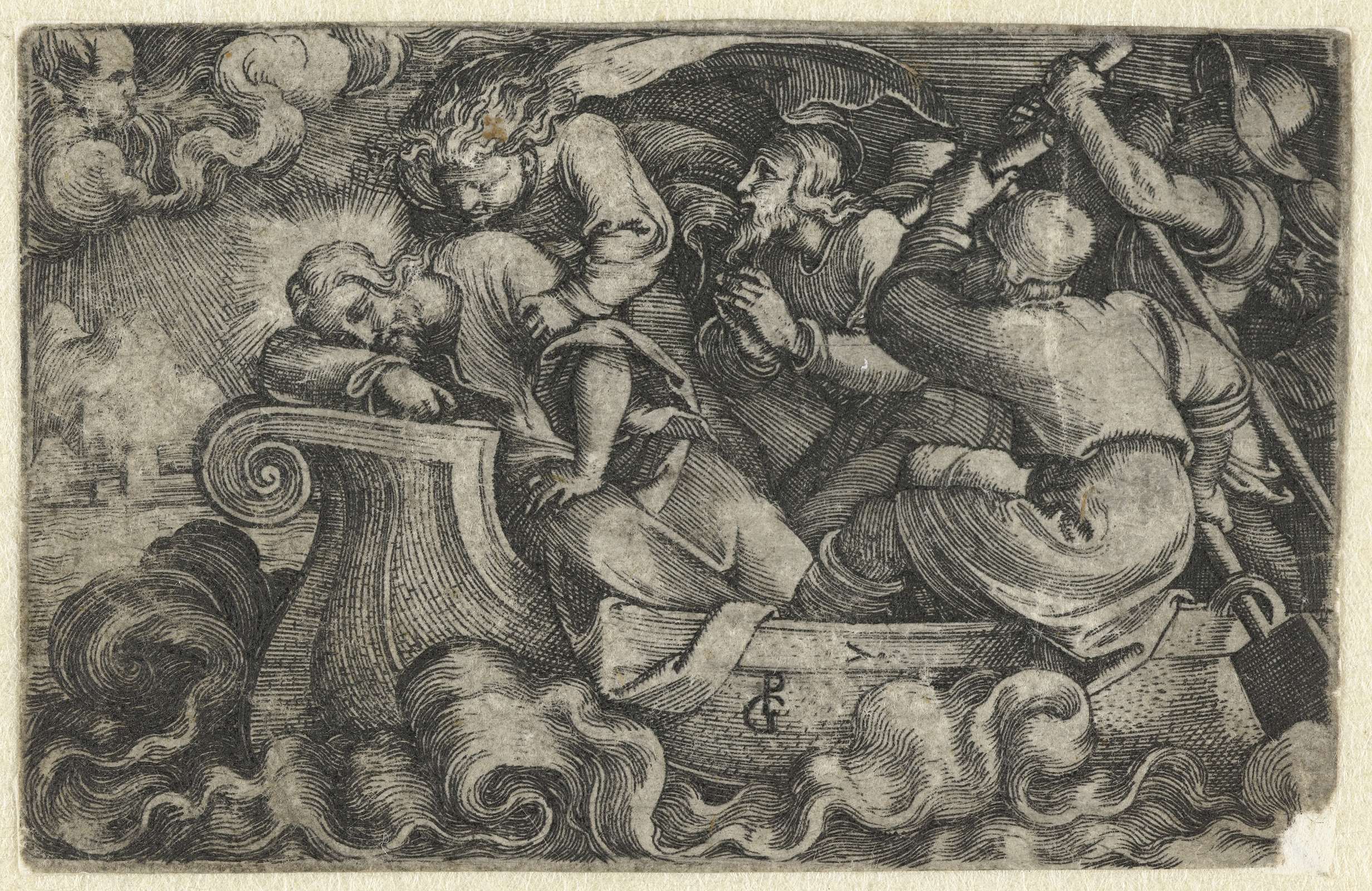
What if silence could speak through light? In Farizeeën willen Christus stenigen, the tension of impending violence hangs palpably in the air, encapsulated in a moment just before chaos erupts. Look to the left of the canvas, where the figures of the Pharisees cast long shadows, their faces etched with disdain and fury. The chiaroscuro technique highlights their rigid postures while illuminating the central figure of Christ, whose calm demeanor contrasts sharply with the aggression surrounding him.
Notice how the soft, golden light seems to cradle Christ, creating a sanctuary amidst hostility. The color palette is intentionally muted, allowing the viewer's eye to be drawn to the unfolding drama rather than the background. The emotional tension in the painting arises not just from the physical confrontation but also from the profound transformation represented by Christ’s presence. The stark contrast between the dark figures of the accusers and the soft luminosity surrounding Christ suggests a battle between despair and hope.
Small details, such as the clenched fists of the Pharisees and the serene yet resolute expression on Christ’s face, imbue the scene with layers of conflict — a struggle not just against flesh, but against the very essence of belief and truth. Georg Pencz created this work during a vibrant period in 16th-century Germany, a time marked by religious upheaval and the Reformation. Working in Nuremberg between 1534 and 1535, Pencz was influenced by both Northern Renaissance ideals and the evolving dialogue surrounding faith and moral interpretation. This artwork stands as a poignant reflection of the artist's own struggles with the societal transformations of his era.