Farmers and cattle by a river — History & Analysis
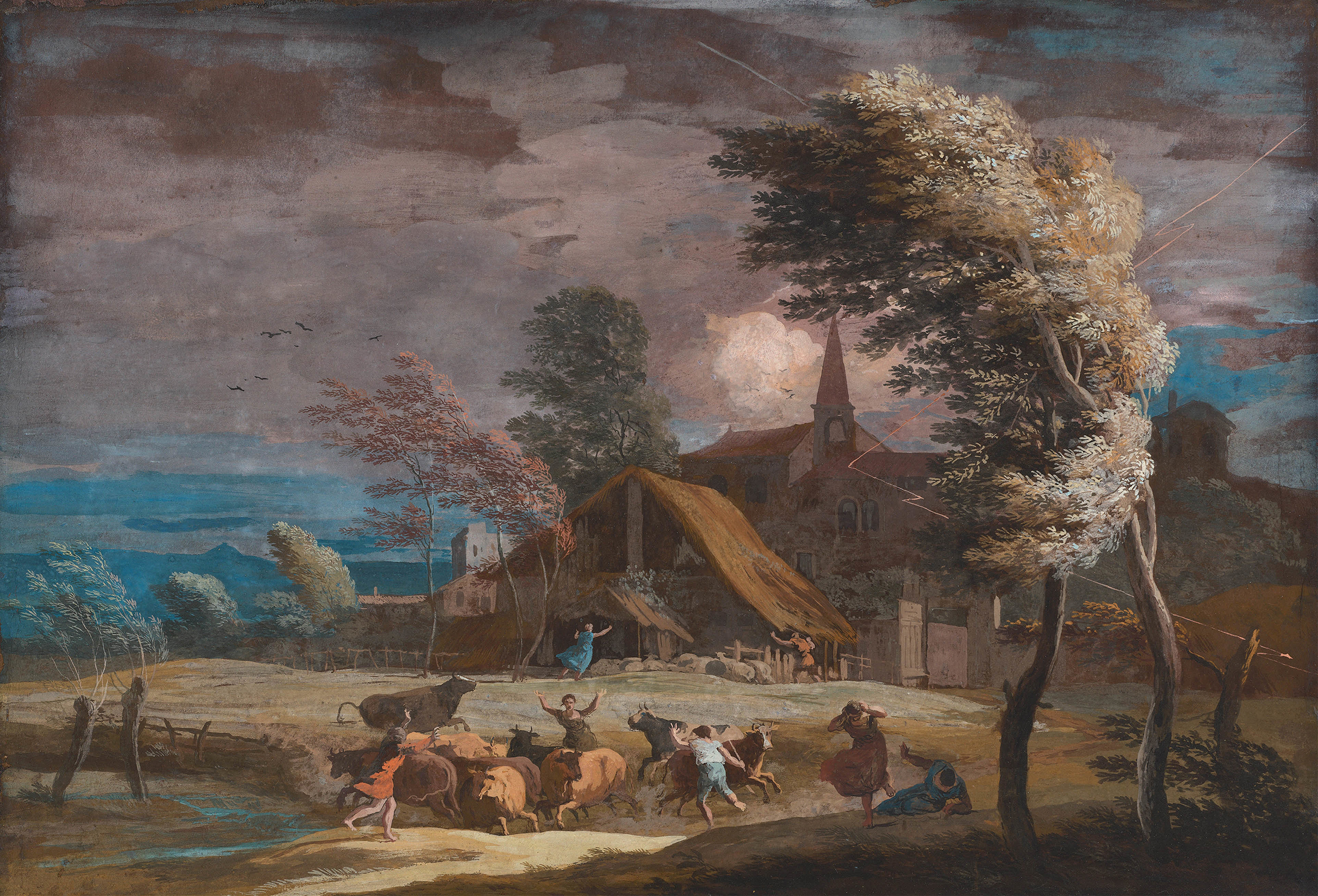
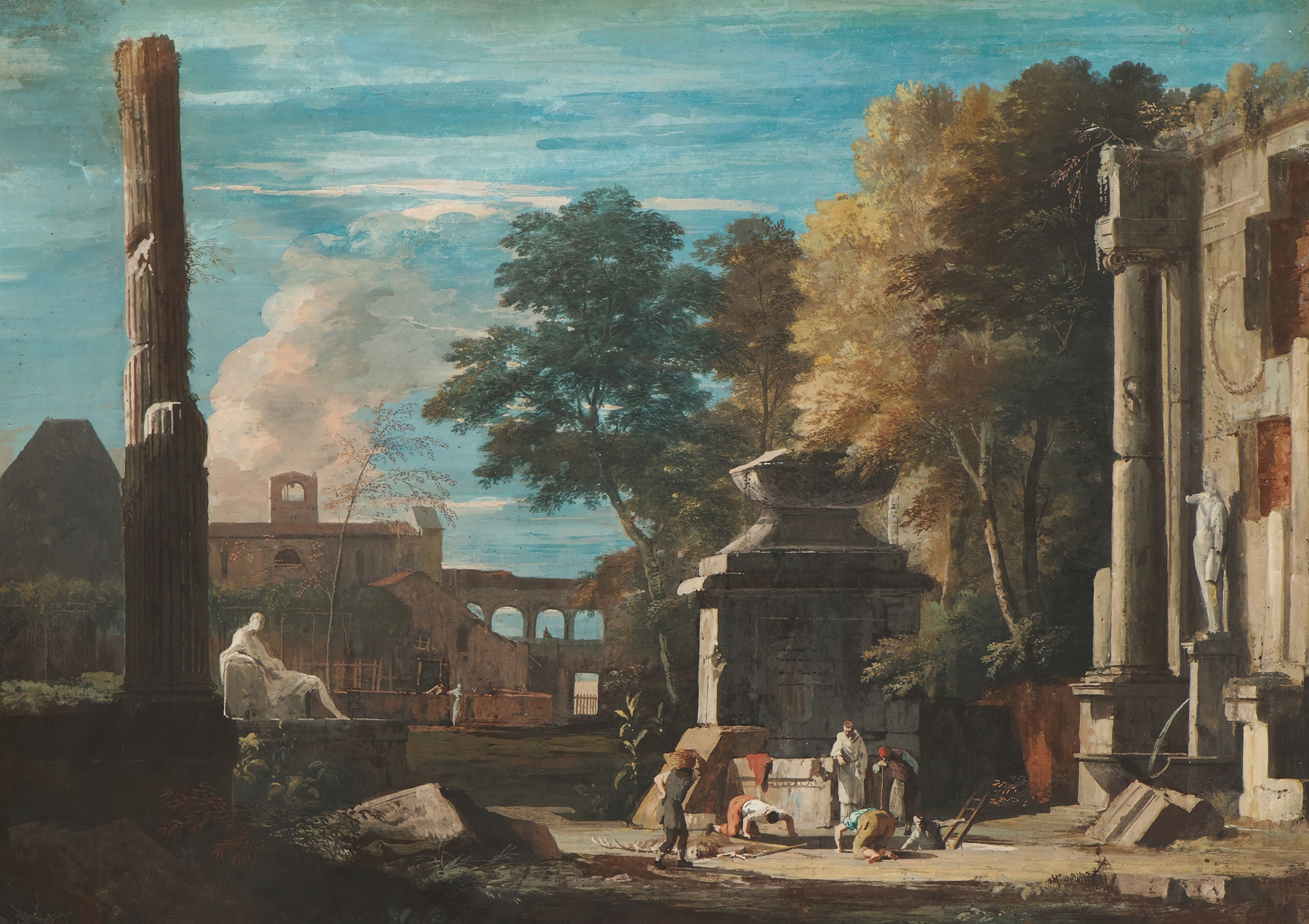
“Sometimes beauty is just pain, disguised in gold.” This sentiment resonates profoundly within the delicate brushstrokes and pastoral tranquility of a serene landscape. The contrast between the idyllic setting and the underlying melancholy invites contemplation on the fragile balance between nature and human toil. Look to the left, where gentle waves of the river ripple under the soft caress of twilight. The light dances across the water, capturing a fleeting moment poised between day and night. Notice the earthy browns and muted greens that dominate the scene, yet subtly blend into the golden hues that spill across the horizon, evoking a sense of warmth laced with longing.
The placement of farmers and their cattle near the river creates a harmonious composition, yet hints at the burden of labor that shapes their existence. Amidst the enchanting visuals lie deeper tensions. The stillness of the river contrasts sharply with the rough pastures, symbolizing serenity intertwined with struggle. The farmers, with their weary postures, reflect a tireless pursuit of survival, while the cattle serve as silent witnesses to both beauty and hardship.
These elements weave a narrative of life’s duality, where moments of peace are often overshadowed by unrelenting toil. During the period when this piece came to life, Marco Ricci was immersed in the shifting currents of the late Baroque era. Working primarily in Italy, he was influenced by the emerging Rococo style, yet his own interpretations often leaned toward a more melancholic tone. The world was experiencing upheaval, and Ricci's art captured the essence of human experience—beautiful yet fraught with the weight of existence—making it profoundly relevant to his time.