Felsweg in der Schweiz — History & Analysis
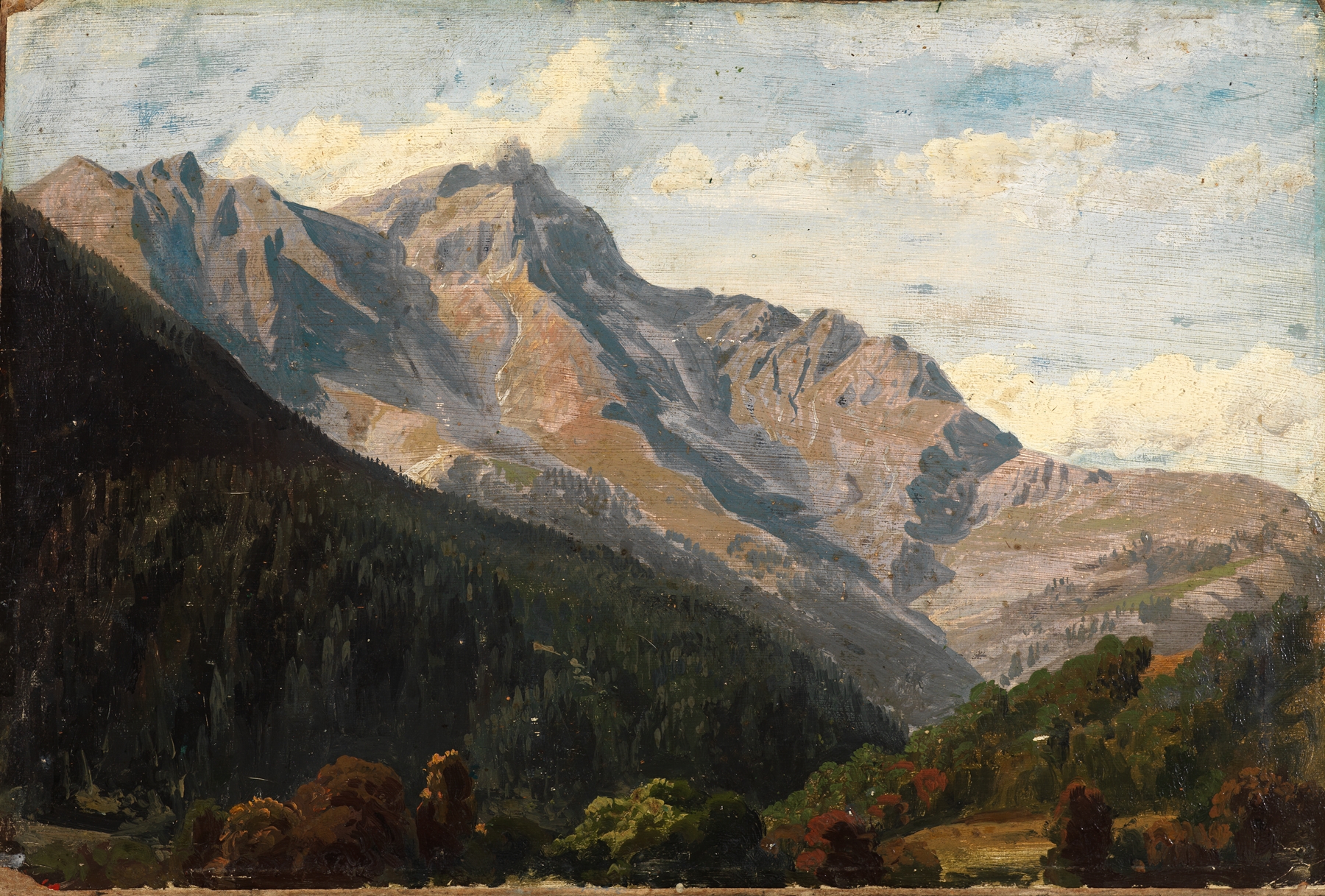
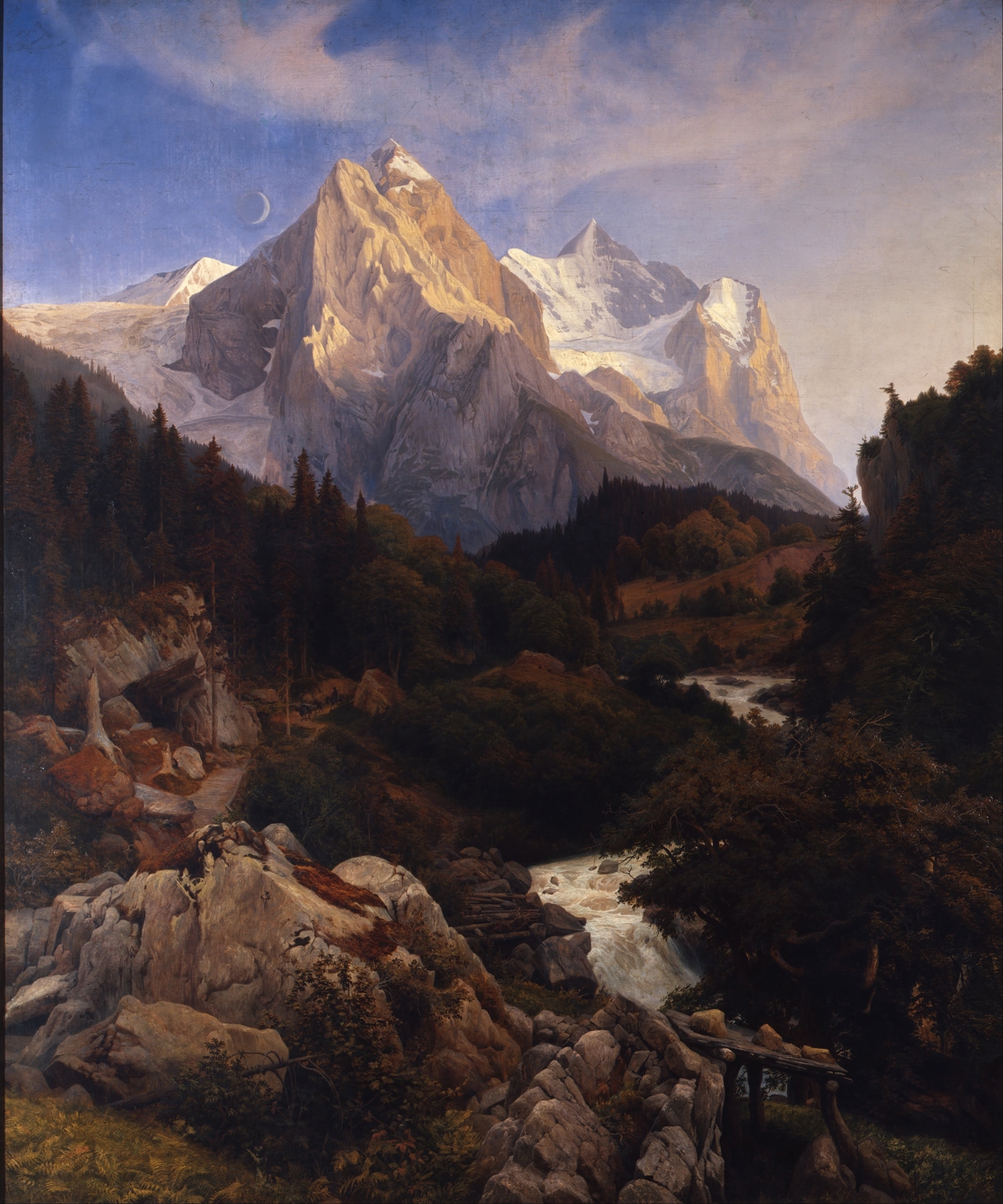
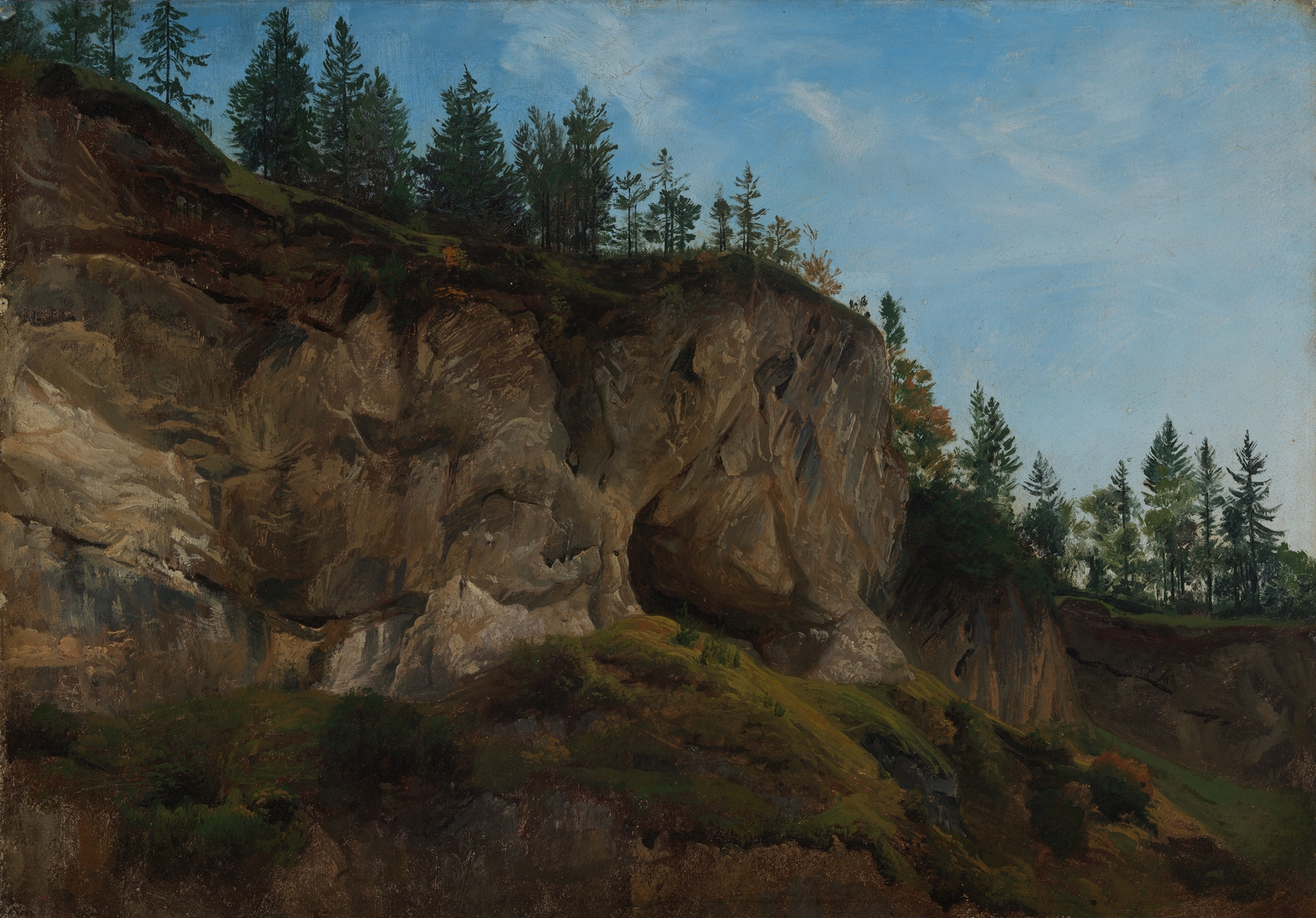
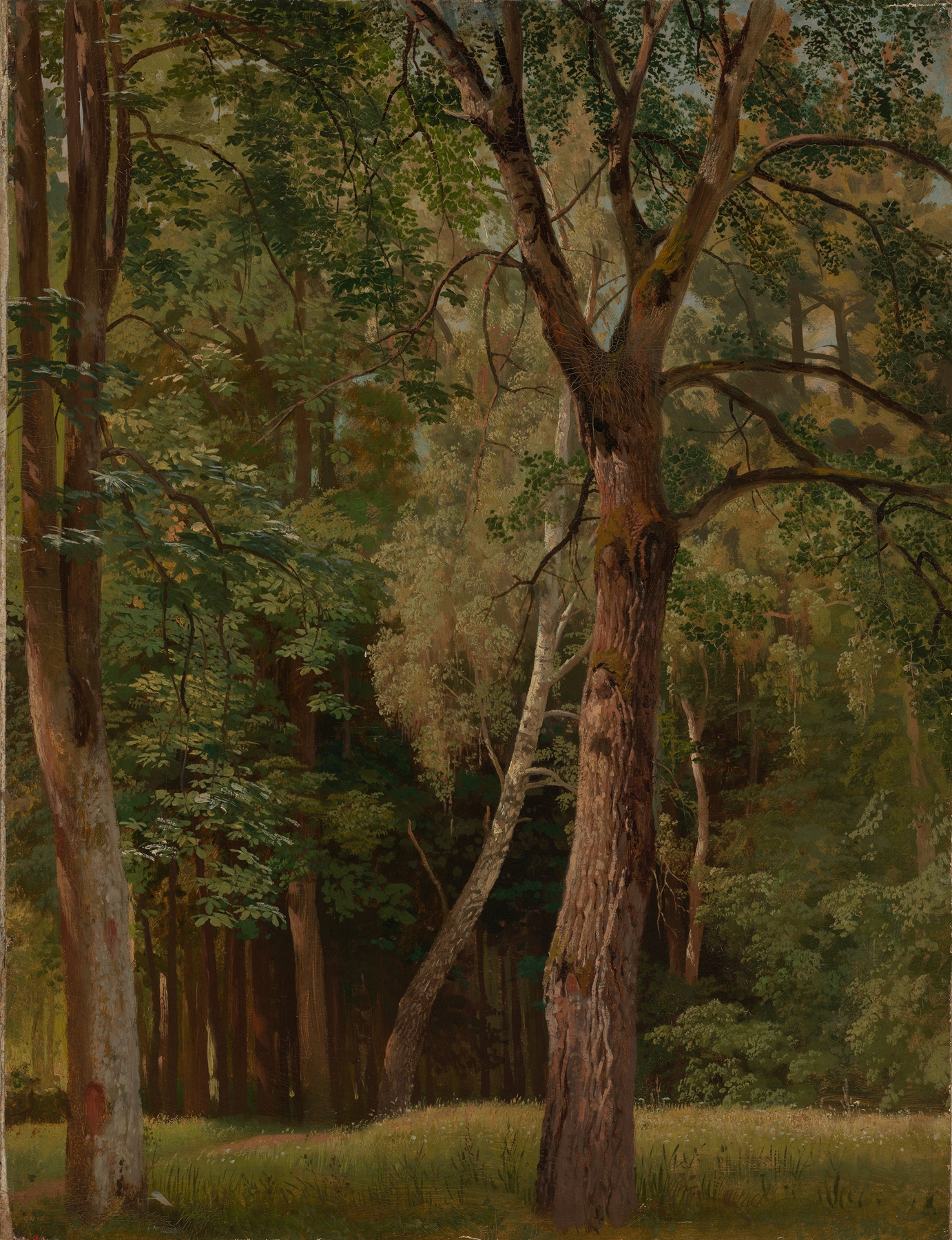
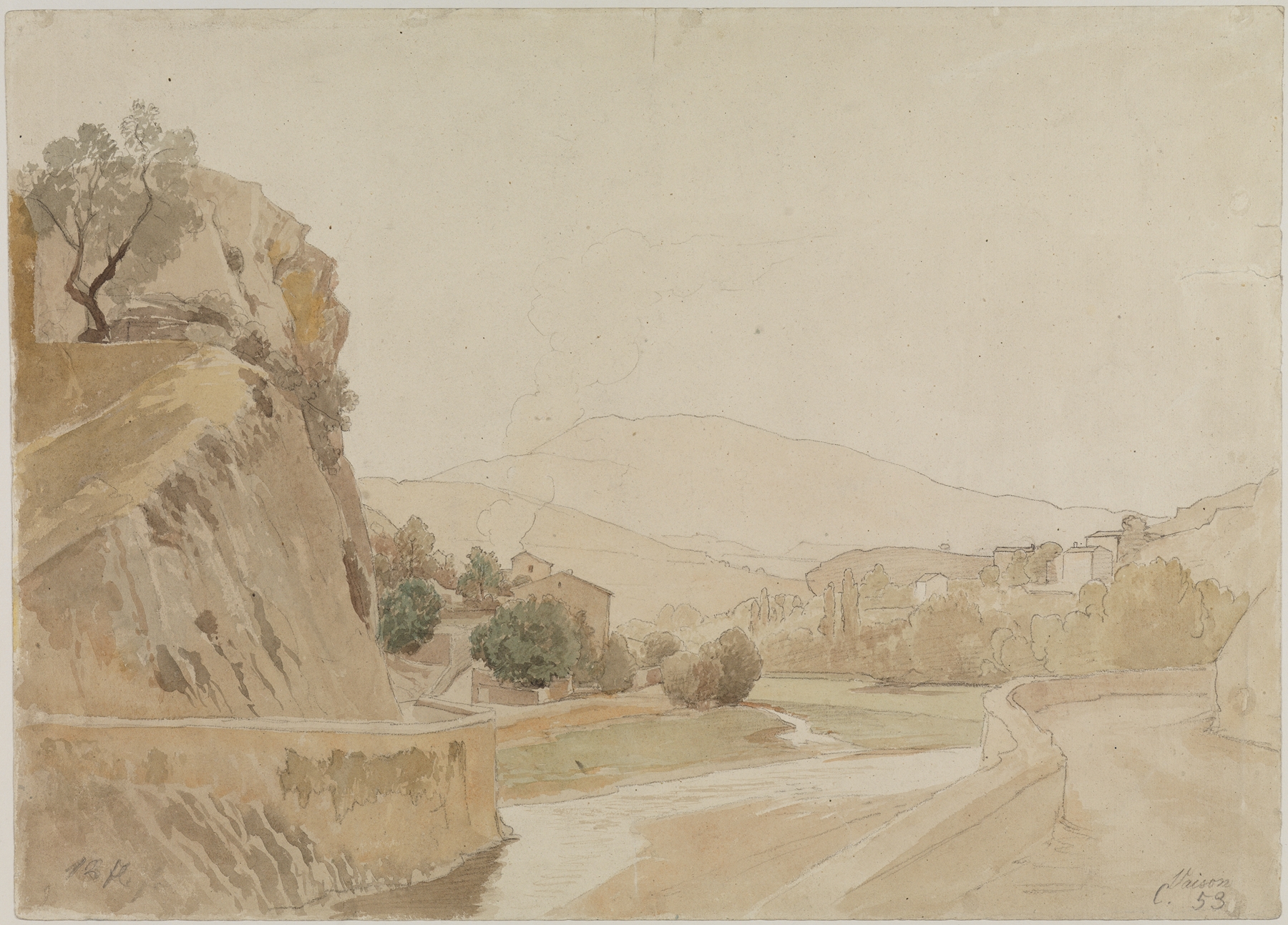
“Every brushstroke is a heartbeat remembered.” In Felsweg in der Schweiz, the pulse of nature is captured in a way that evokes deep awe within the viewer. Look to the left at the towering cliffs, their rugged faces illuminated by the soft, golden light of the setting sun. Notice how Schirmer skillfully blends hues of ochre and deep green to create a lush foreground, drawing you into the tranquil path that snakes through the landscape. The composition leads your eye upwards, where the mountains rise majestically against a sky brushed with wispy clouds, hinting at adventures yet to be explored.
Each stroke is deliberate, capturing the essence of the serene yet untamed wilderness. As you delve deeper into the painting, consider the contrasting elements present: the stark solidity of the rocks against the fluidity of the path that invites exploration and discovery. The gentle interplay of light and shadow creates a sense of depth and dimensionality, while the scattered foliage speaks to the resilience of nature amidst the grandeur of the mountains. This balance of the formidable and the inviting conveys a duality that reflects our own relationship with the wild — both reverent and yearning.
Johann Wilhelm Schirmer created this artwork in the years leading up to 1835, during a time when the Romantic movement was reshaping perceptions of nature in art. Living in Germany, he was influenced by the sublime landscapes of the Swiss Alps, which sparked a growing fascination among artists and intellectuals alike. As Europe grappled with industrialization, Schirmer's work emerged as a testament to the beauty and purity of the natural world, reminding viewers of the awe that such landscapes inspire.