Waldlandschaft mit Blick auf Olevano und den Monte Cavo — History & Analysis
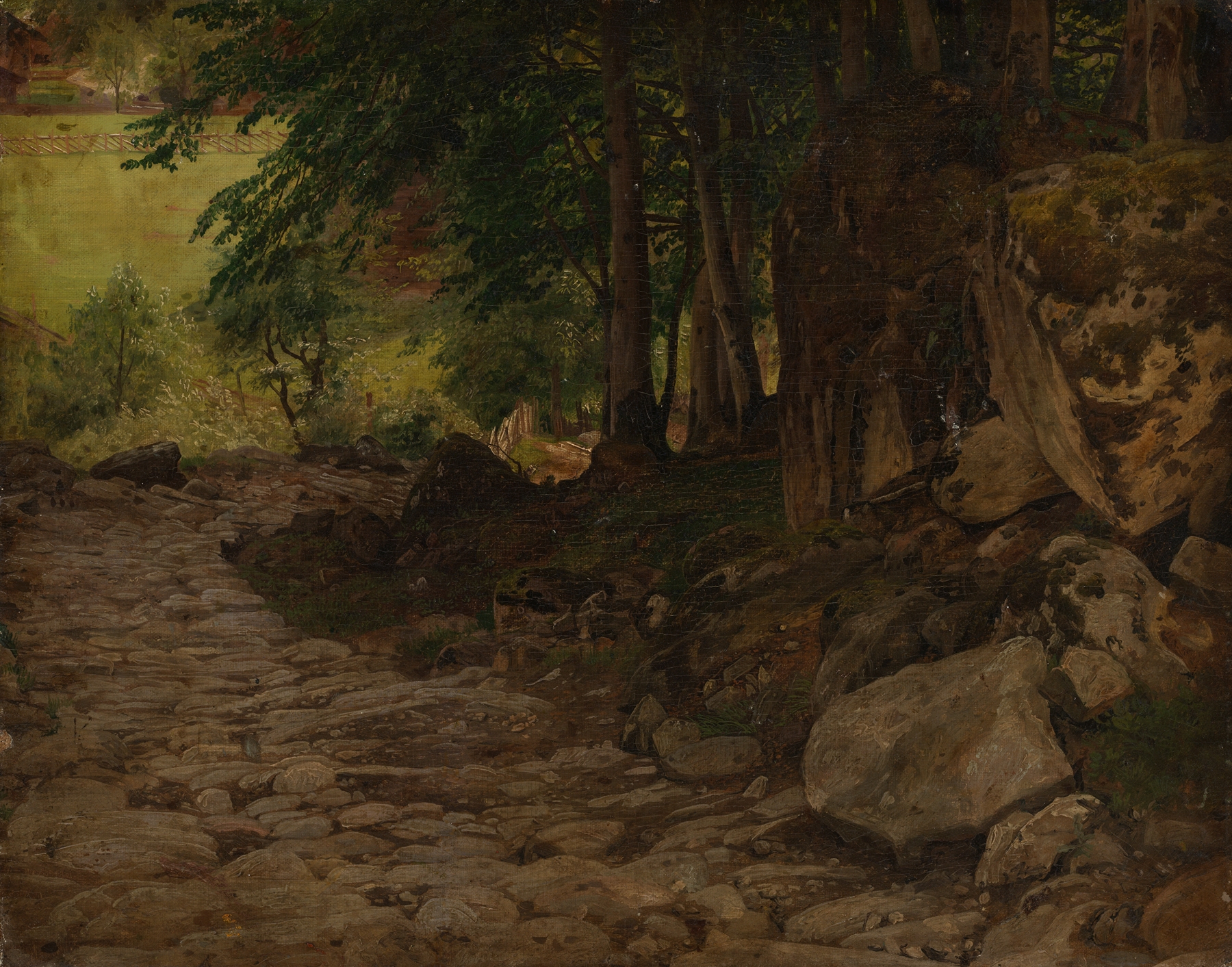
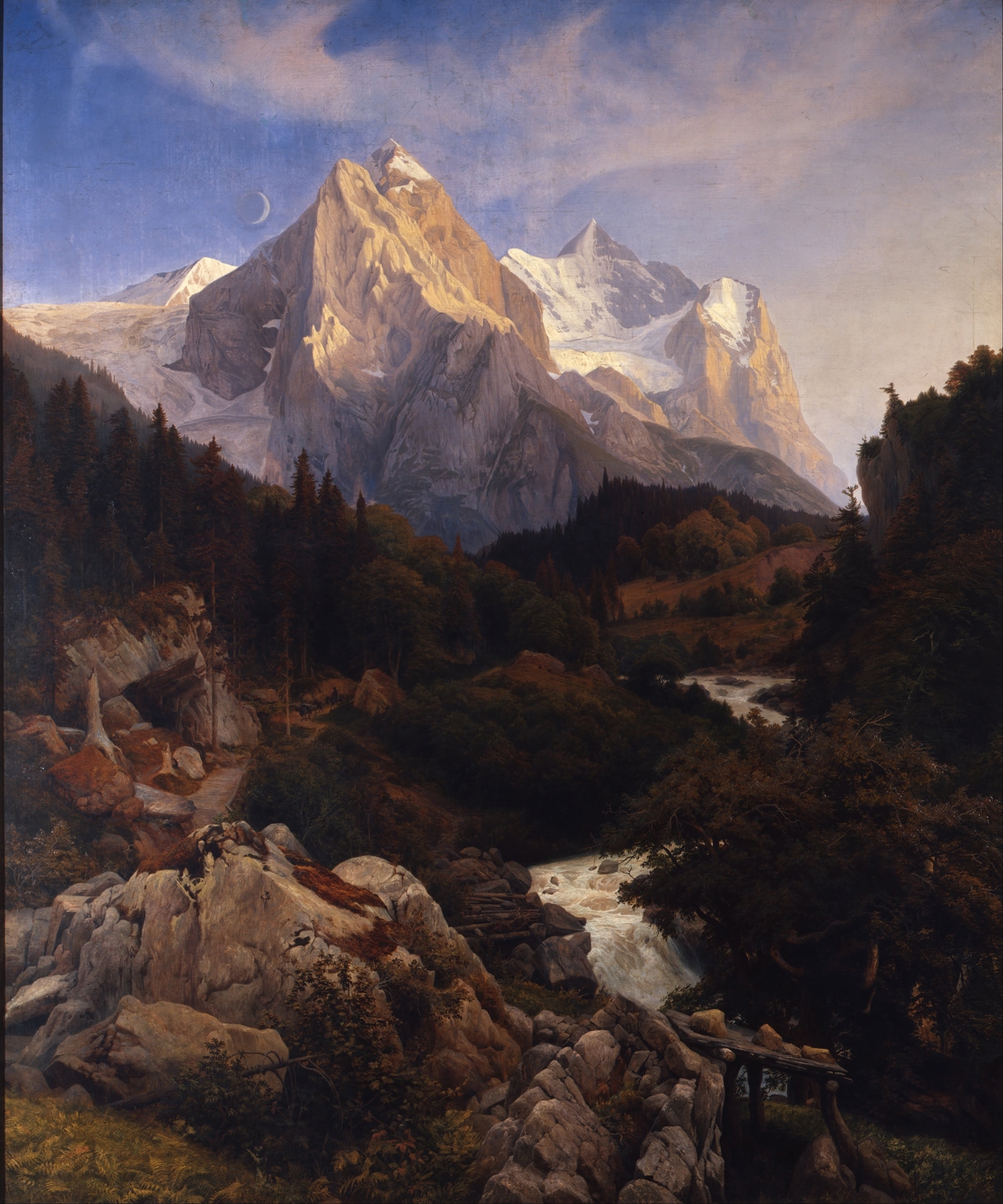
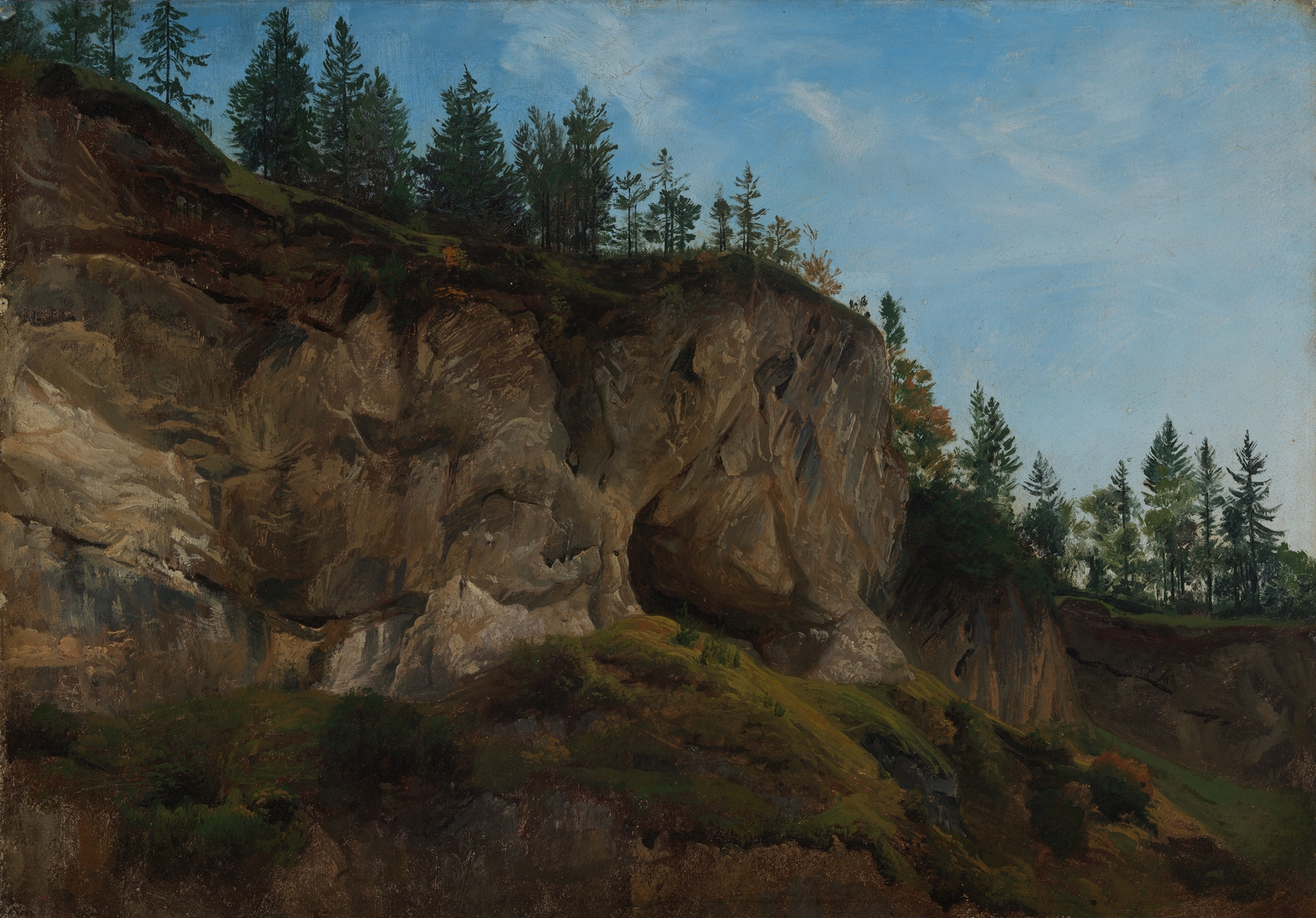
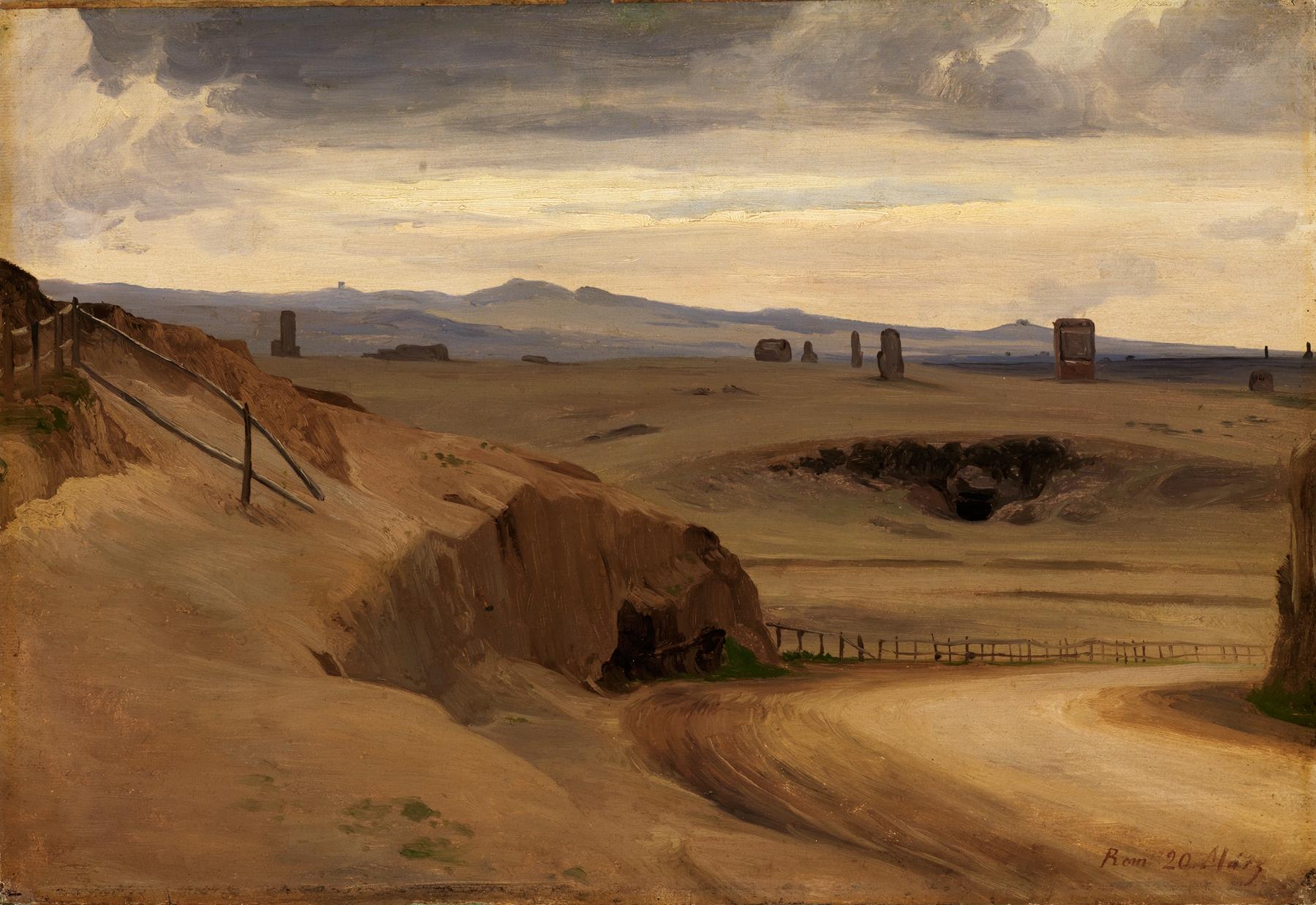
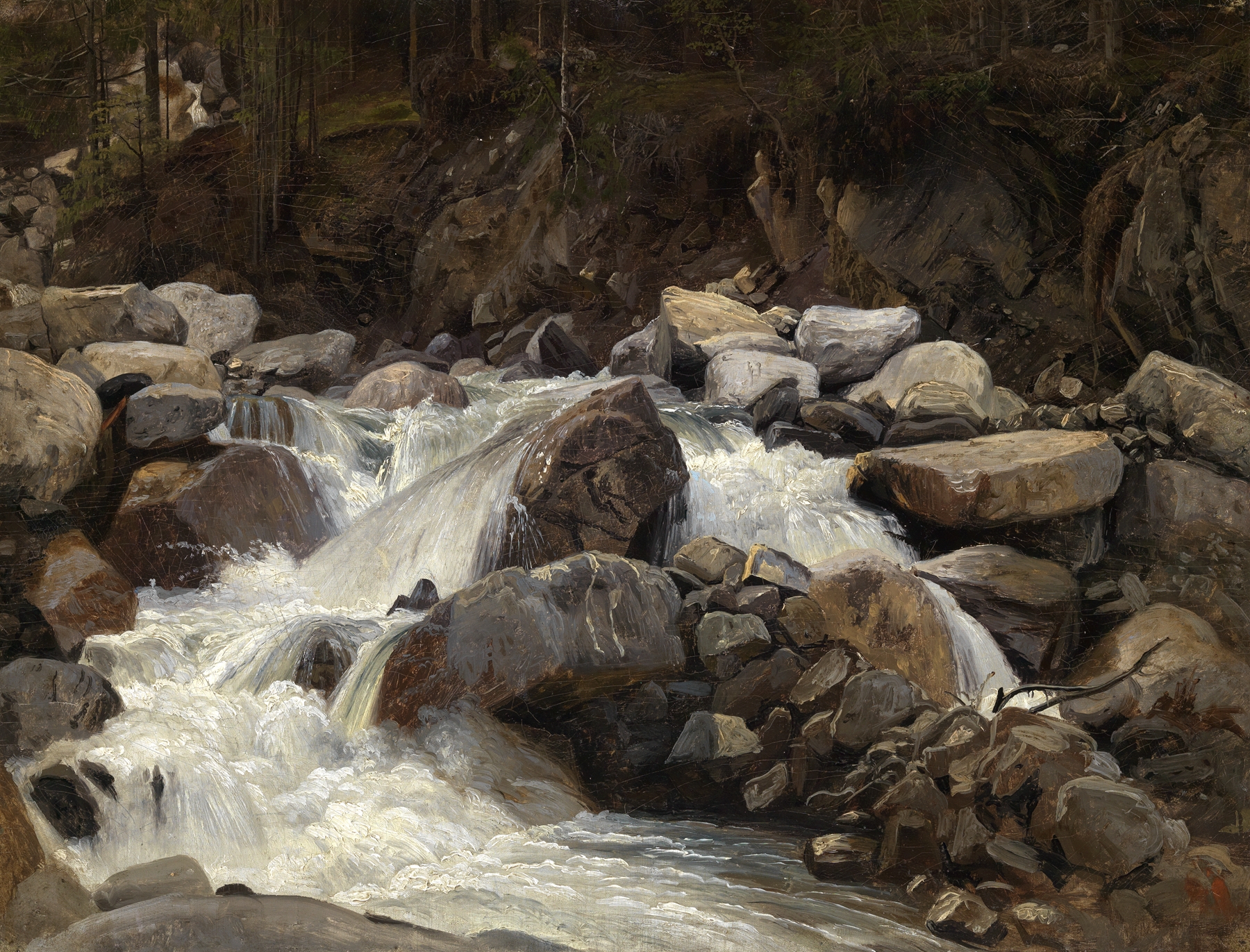
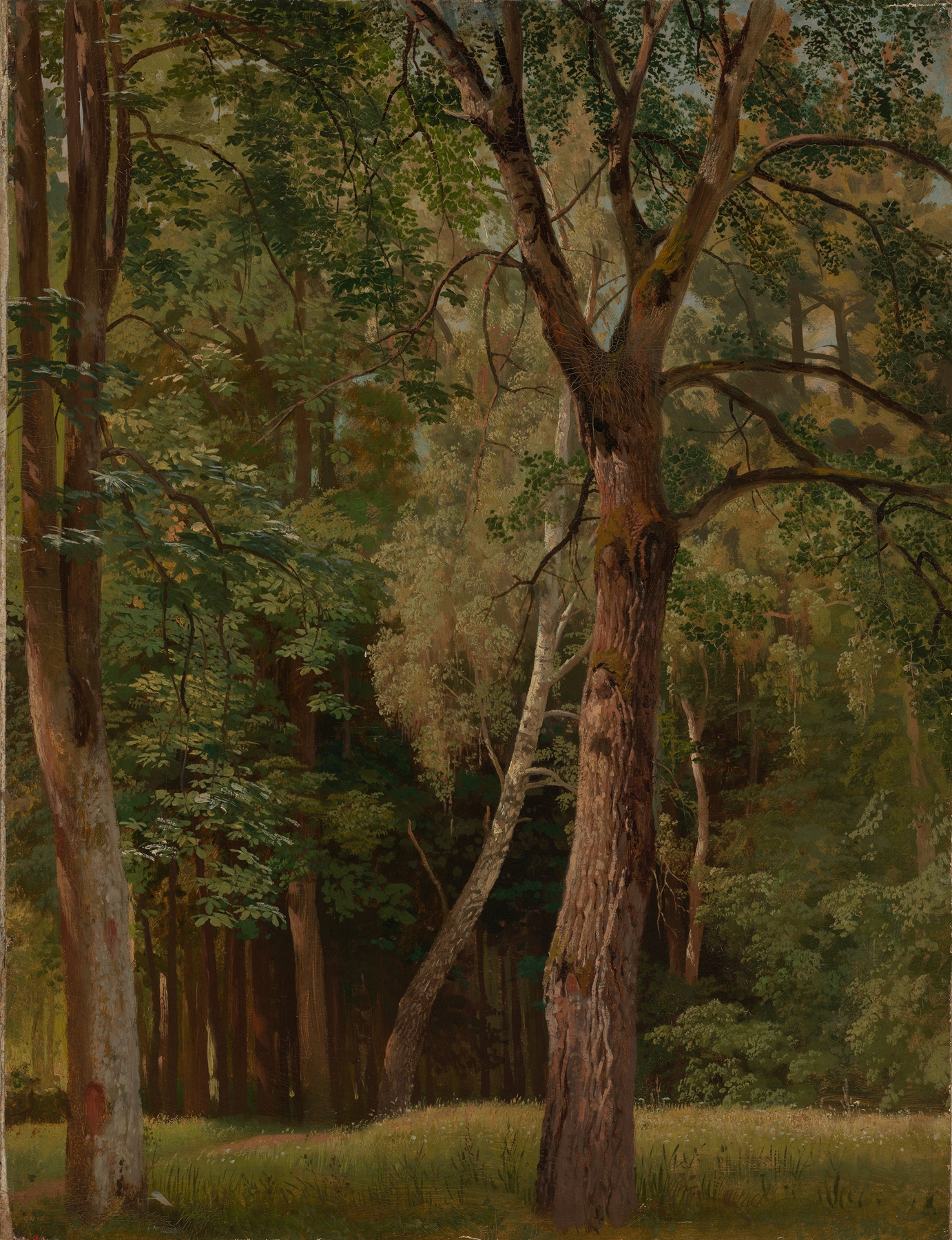
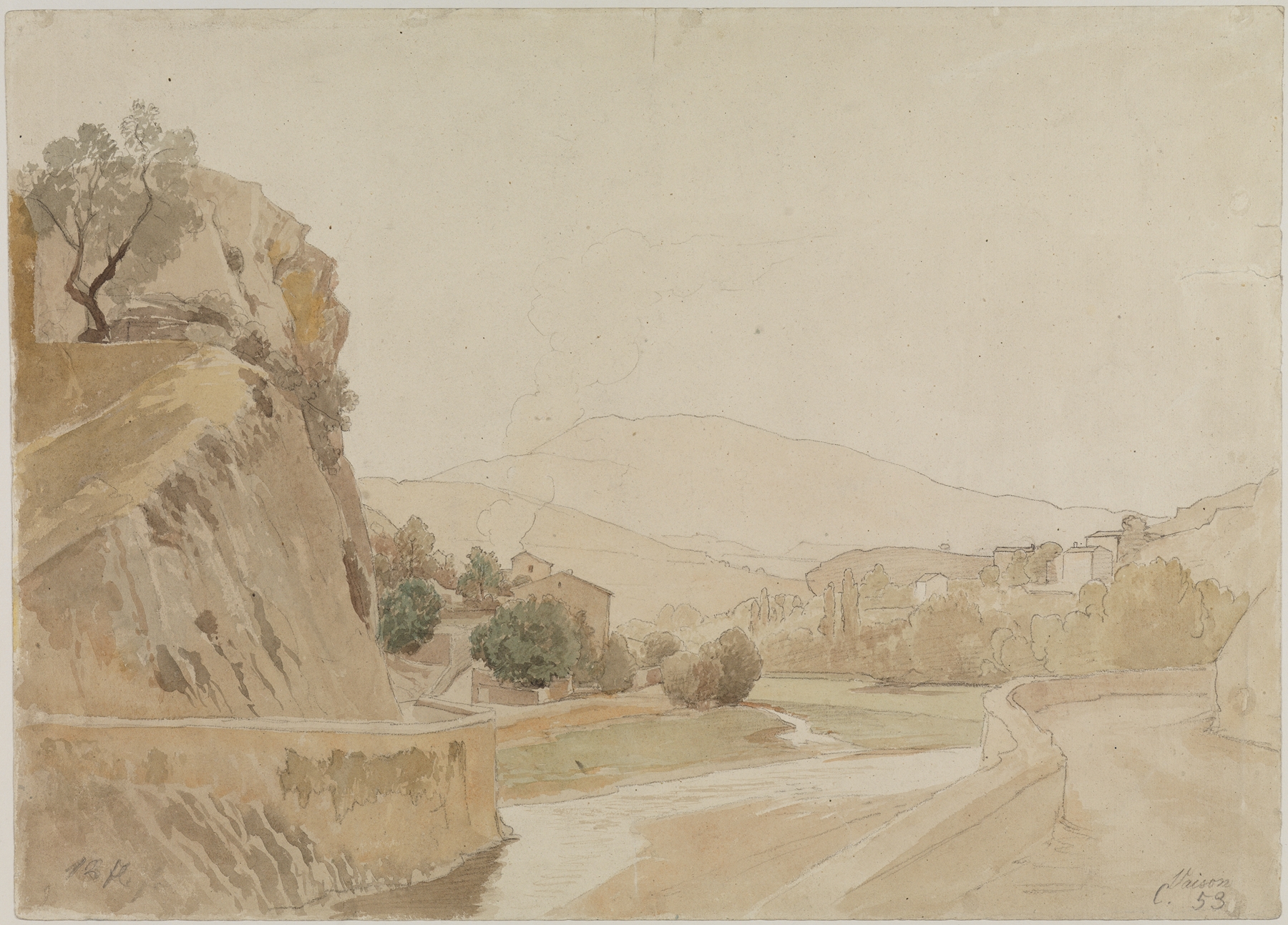
Did the painter know this moment would outlive them? A whisper of melancholy lingers in the air, as if the landscape itself holds its breath, capturing a fleeting eternity. Look to the left at the layers of soft greens and browns, where the hills gently roll into the horizon. The composition invites your eyes to traverse from the foreground, dotted with delicate wildflowers, to the serene village of Olevano nestled below the looming Monte Cavo.
Notice how the light dances upon the trees, illuminating their textures and casting long shadows that add depth to this tranquil vista. The artist's brushstrokes reveal a masterful blend of realism and romanticism, evoking a sense of peace and contemplation. Yet, beneath this idyllic surface lies a tension between the timeless beauty of nature and the ephemeral nature of human existence. The delicate interplay of light and shadow serves as a metaphor for life's fleeting moments, while the distant mountains remind us of our own insignificance amidst the grandeur of the world.
Small details, like the winding path leading into the village, evoke a journey that may be both literal and metaphorical—one that invites introspection and a sense of longing. In 1839, this piece emerged from Schirmer’s studio in Düsseldorf, a city thriving in the Romantic movement. As he painted, Europe was steeped in political upheaval and artistic revolution. Schirmer's work, marked by a deep appreciation for nature, reflects a growing desire to escape the chaos of urban life, seeking solace in landscapes that resonated with both beauty and profound melancholy.