Waldinneres mit Hirschen am Wasser — History & Analysis
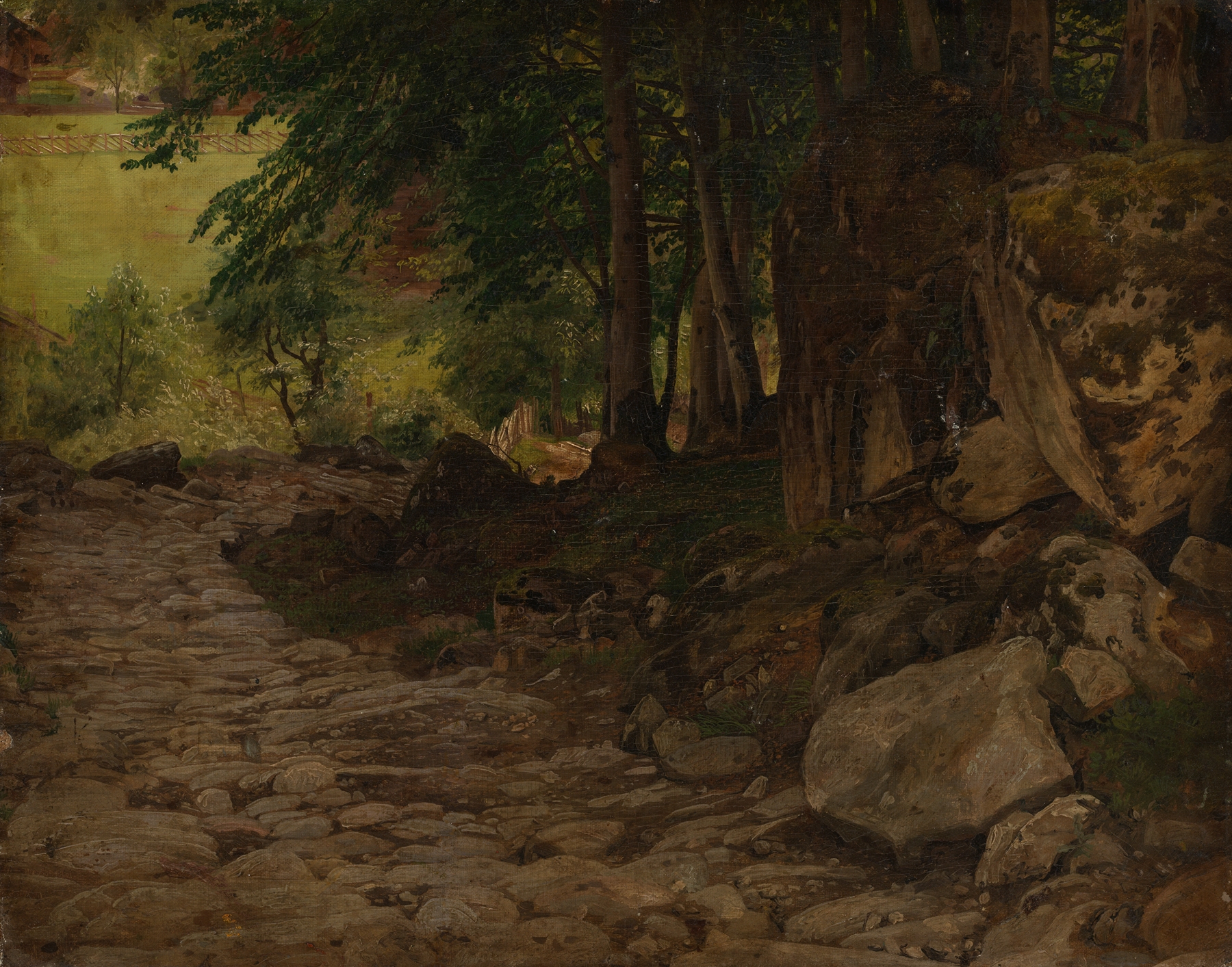
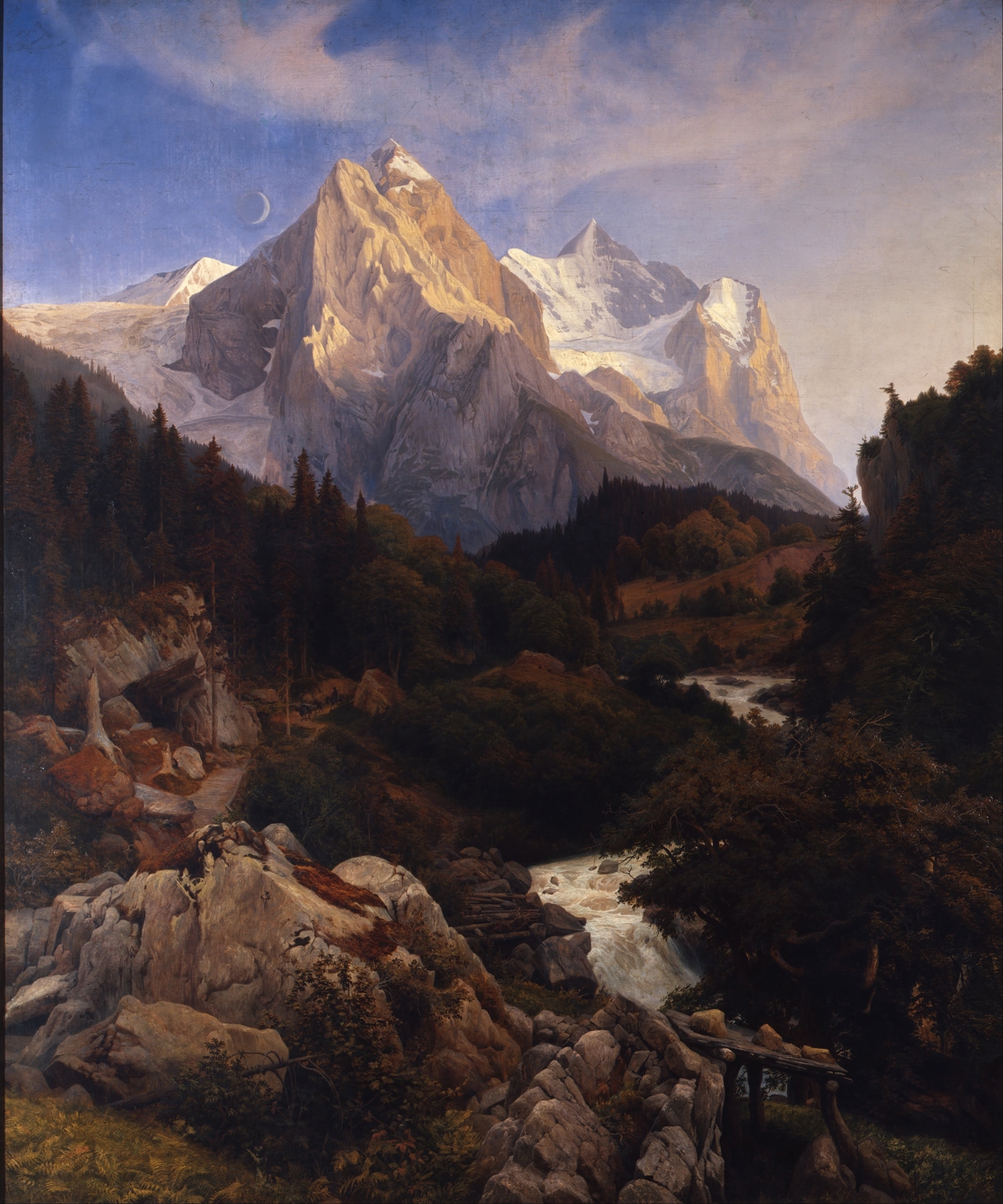
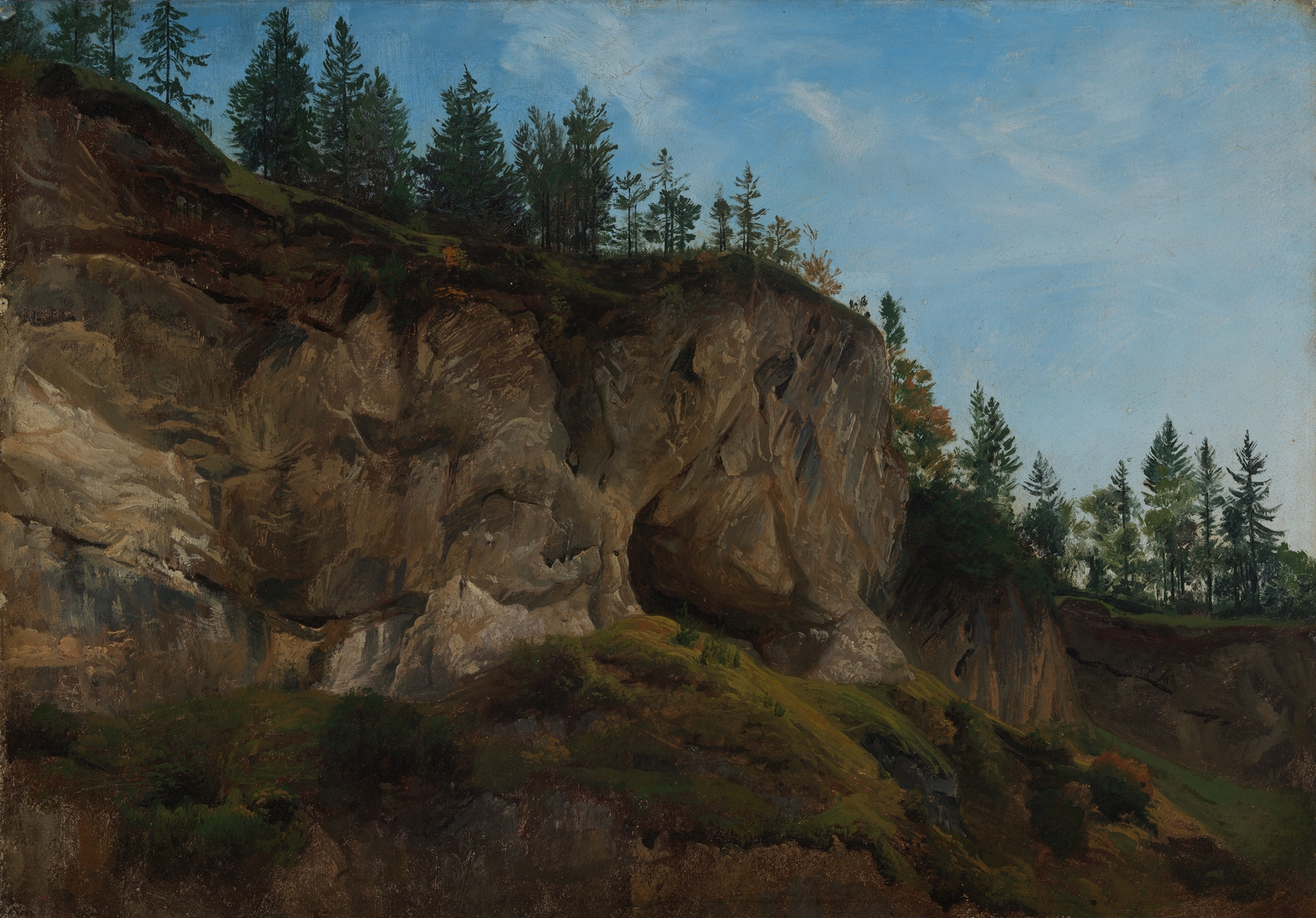
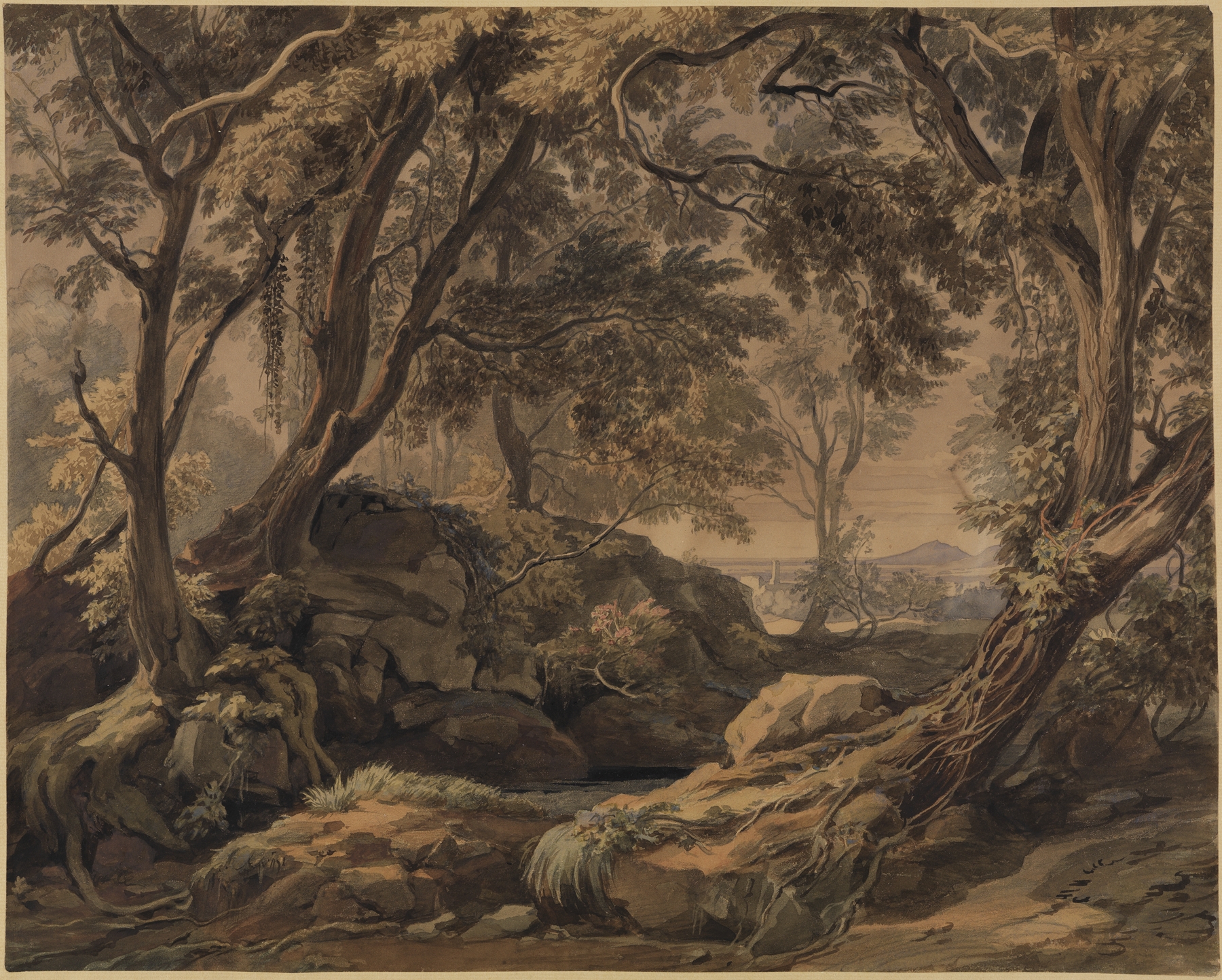
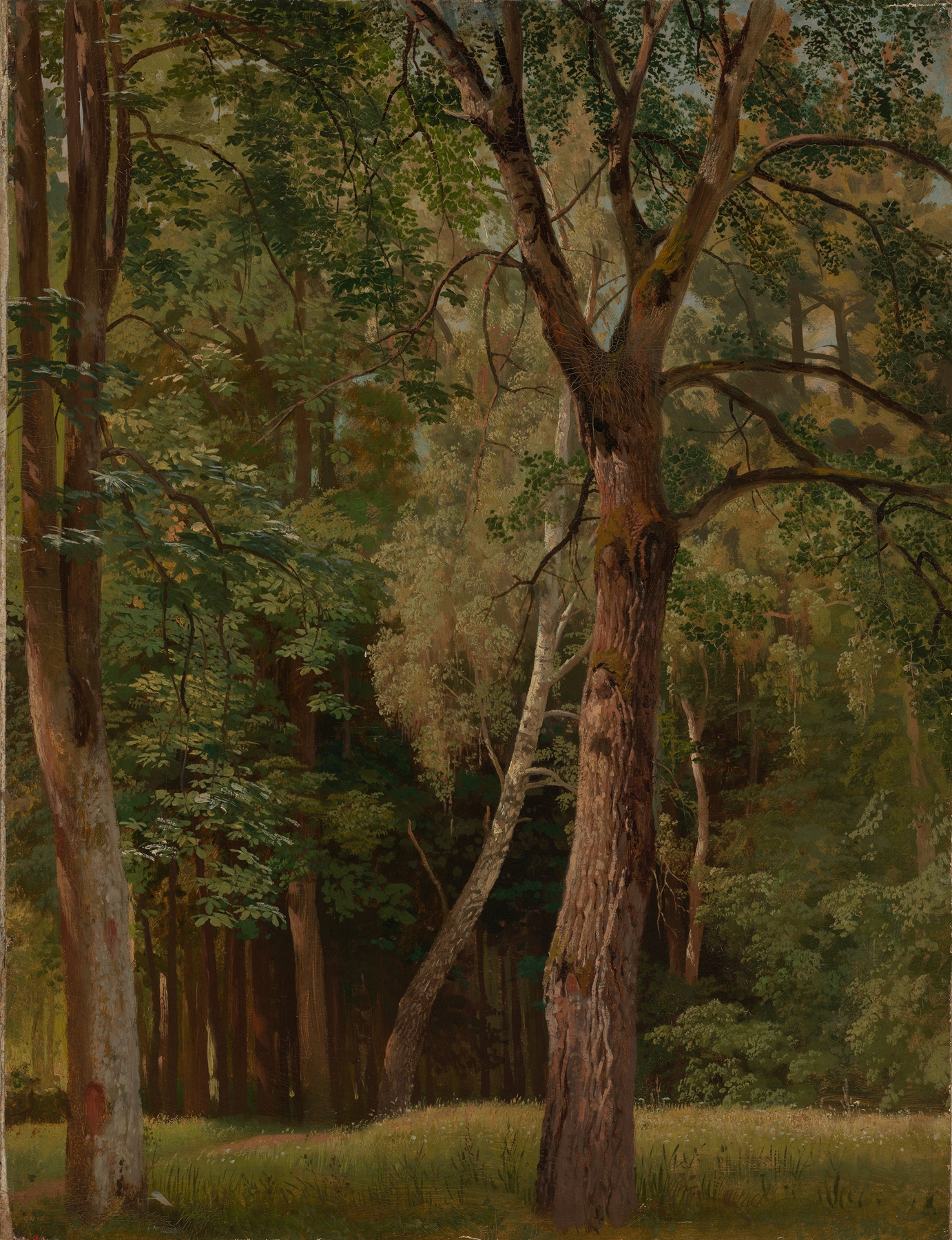
What secret hides in the quiet of the canvas? In Waldinneres mit Hirschen am Wasser, tension lurks beneath the serene surface, echoing the whispers of fear nestled deep within nature's stillness. Look to the left where the soft contours of the forest plunge into shadow, a tapestry of greens and browns speaking to both life and the unknown. The water glimmers faintly, reflecting the muted hues of the landscape, drawing the eye toward a serene gathering of deer.
Their gentle poses contrast with the dark pine trees that loom overhead, suggesting a realm where beauty coexists with the lurking dread of unseen threats. Notice the delicate balance struck between light and dark; the interplay of illumination creates a sense of momentary tranquility, yet the shadows hint at the fear that lies in wait. Each deer, poised as if sensing something amiss, embodies a tension—a primal instinct that suggests they are more than mere subjects. The artist captures not just a snapshot but a visceral feeling of anticipation, where nature’s beauty is intertwined with an undercurrent of anxiety.
Johann Wilhelm Schirmer painted this piece during the 19th century, a time marked by the Romantic movement’s exploration of nature and emotion. Creating works that emphasized the sublime and the untamed, he sought to reflect humanity's complex relationship with the wild. While the exact date of this artwork remains unknown, it encapsulates the artist's endeavor to illustrate both the beauty and the latent fear found within the natural world.