Schweizer Gebirgsbach — History & Analysis
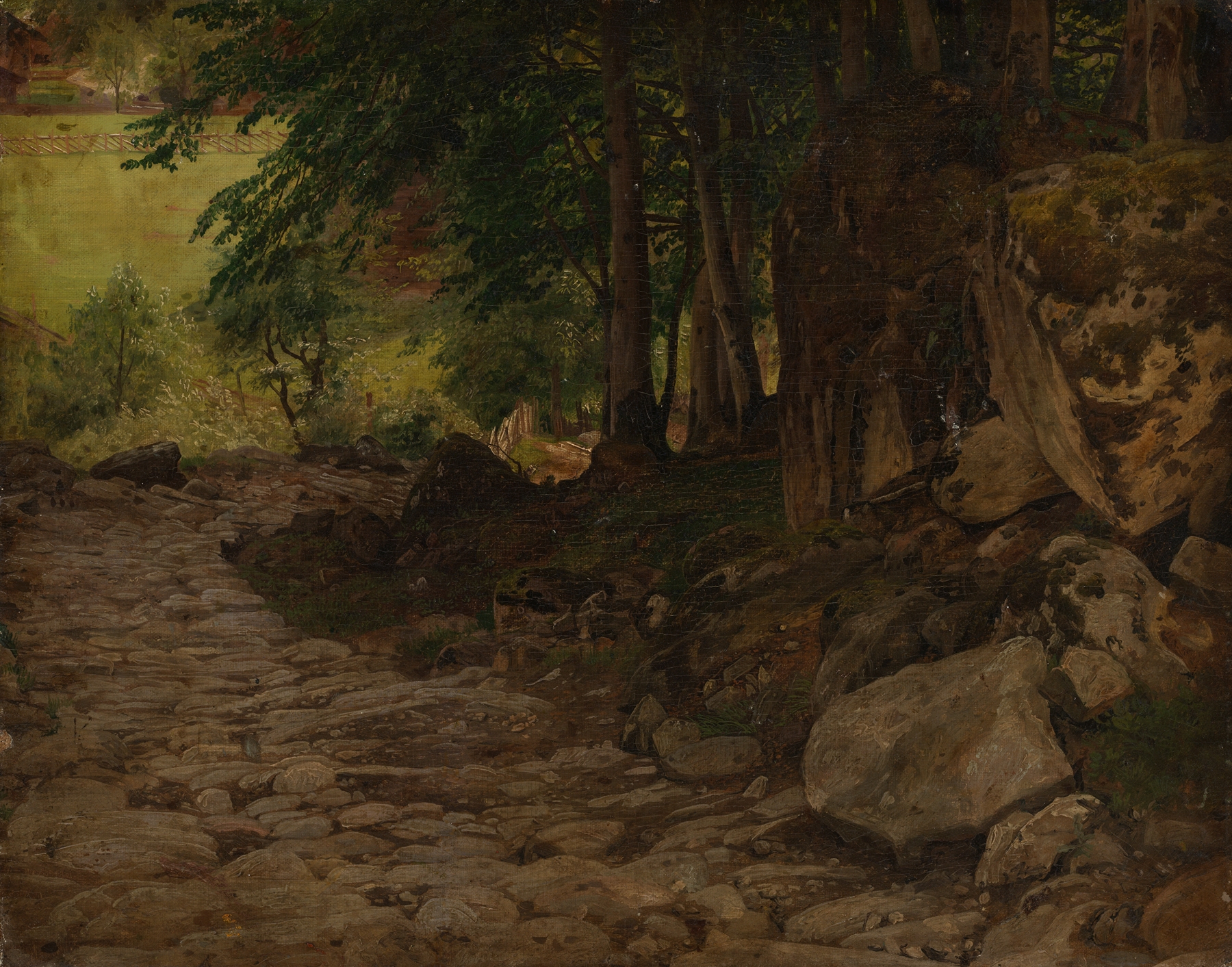
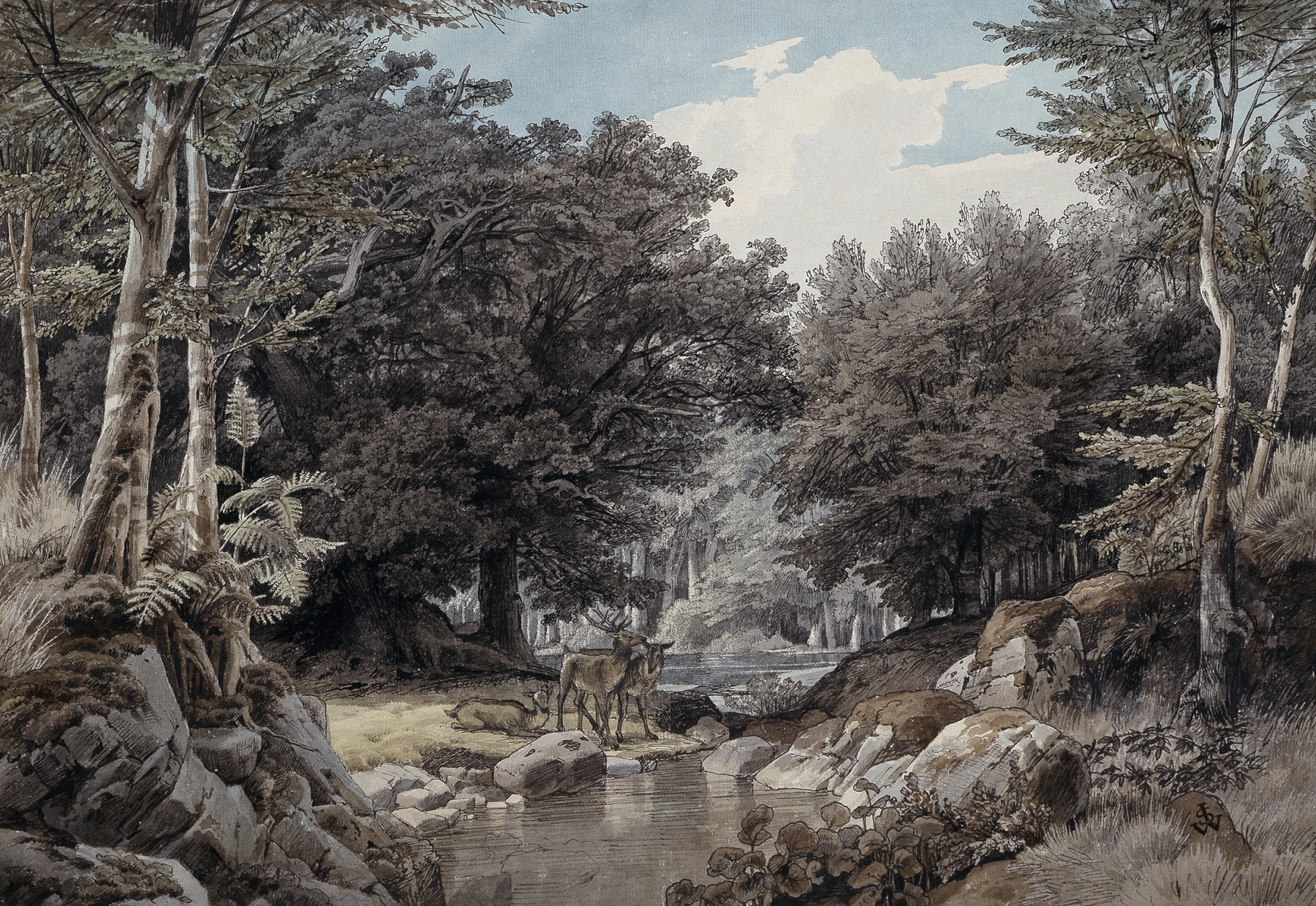
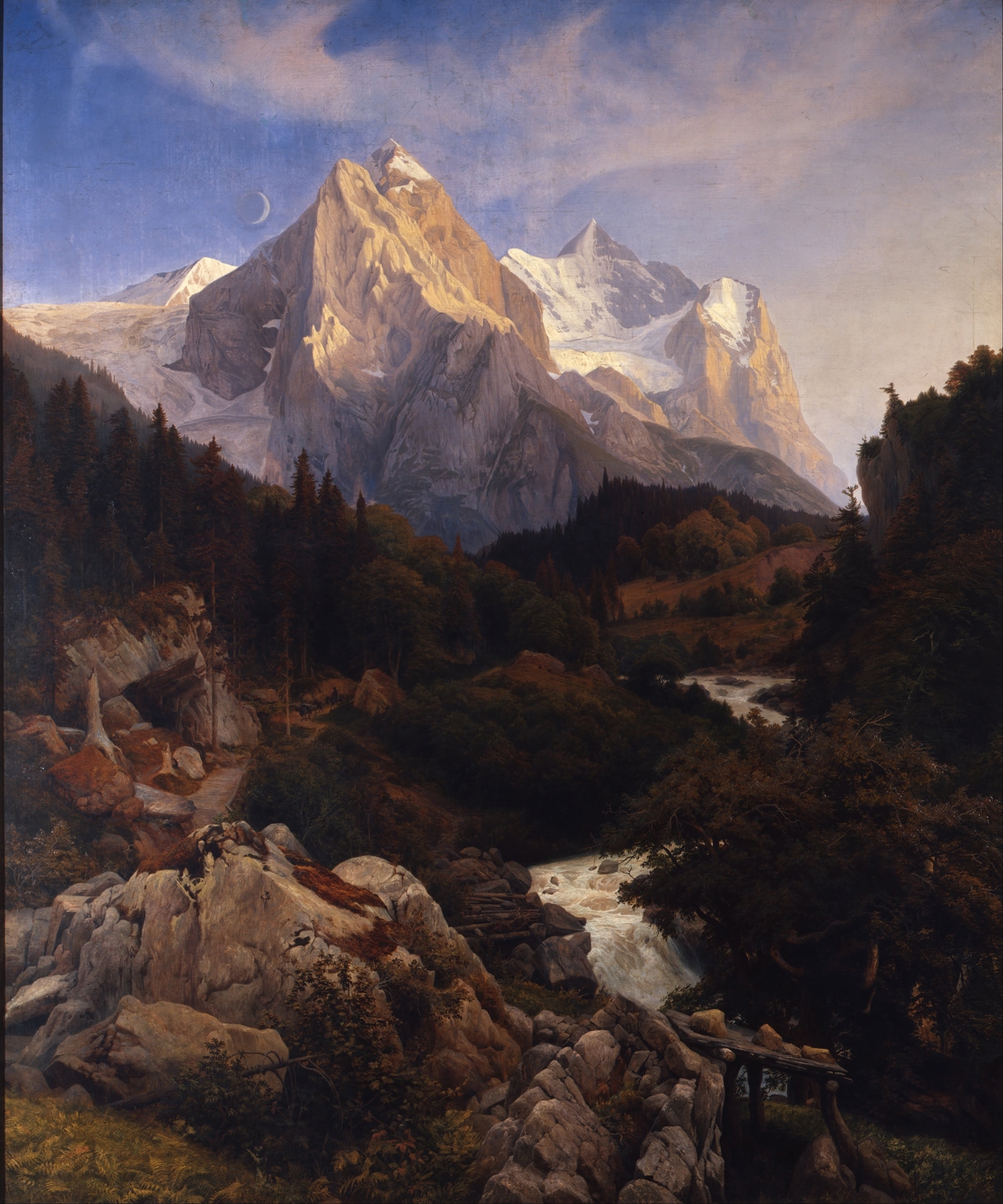
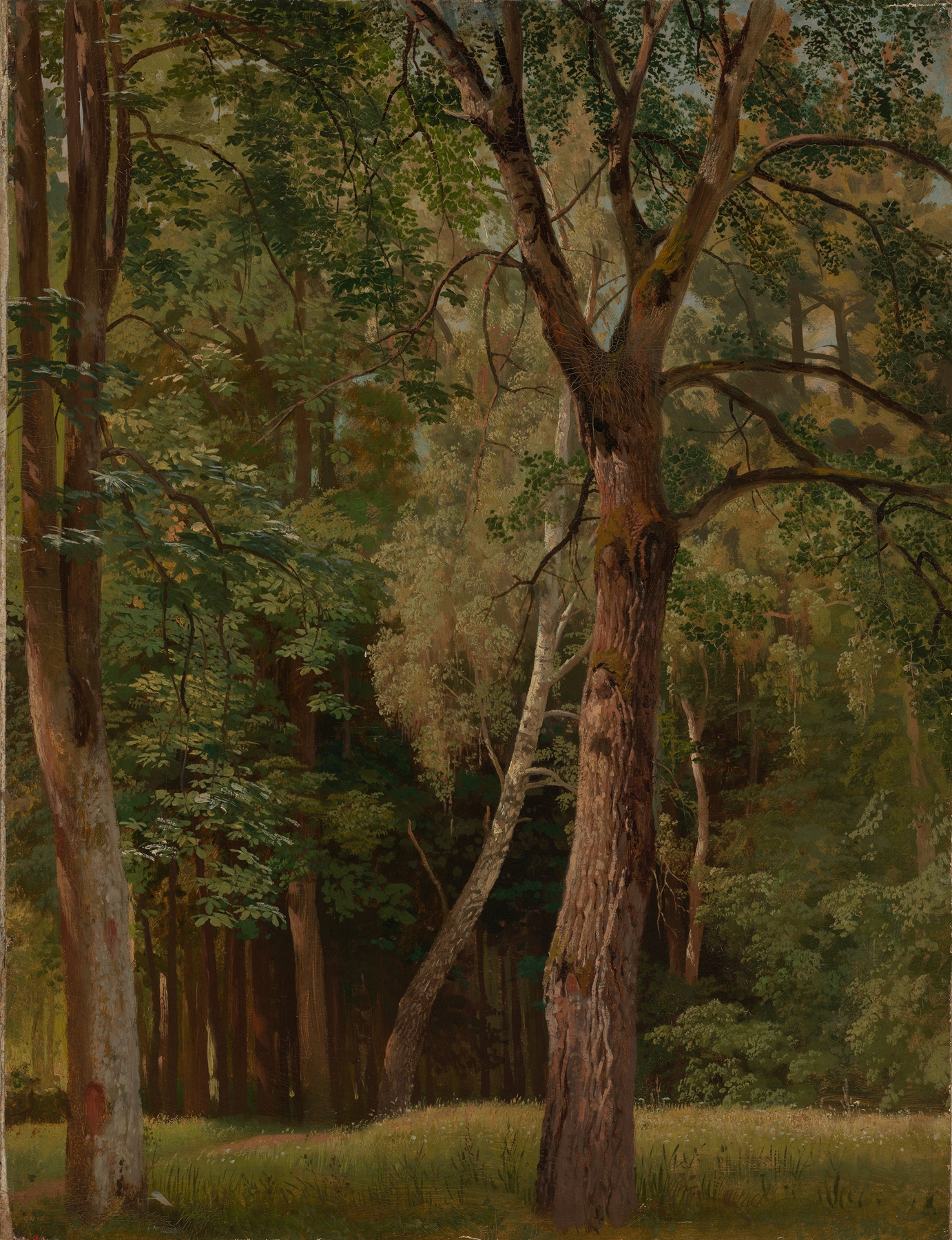
What if beauty was never meant to be finished? The essence of memory lingers in the strokes of the brush, capturing a fleeting moment that dances between reality and reverie. Look to the left at the shimmering waters, where the river reflects the soft blues and greens of the alpine landscape. Notice how the delicate brushwork conveys the gentle ripples, each wave a whisper of nature’s voice.
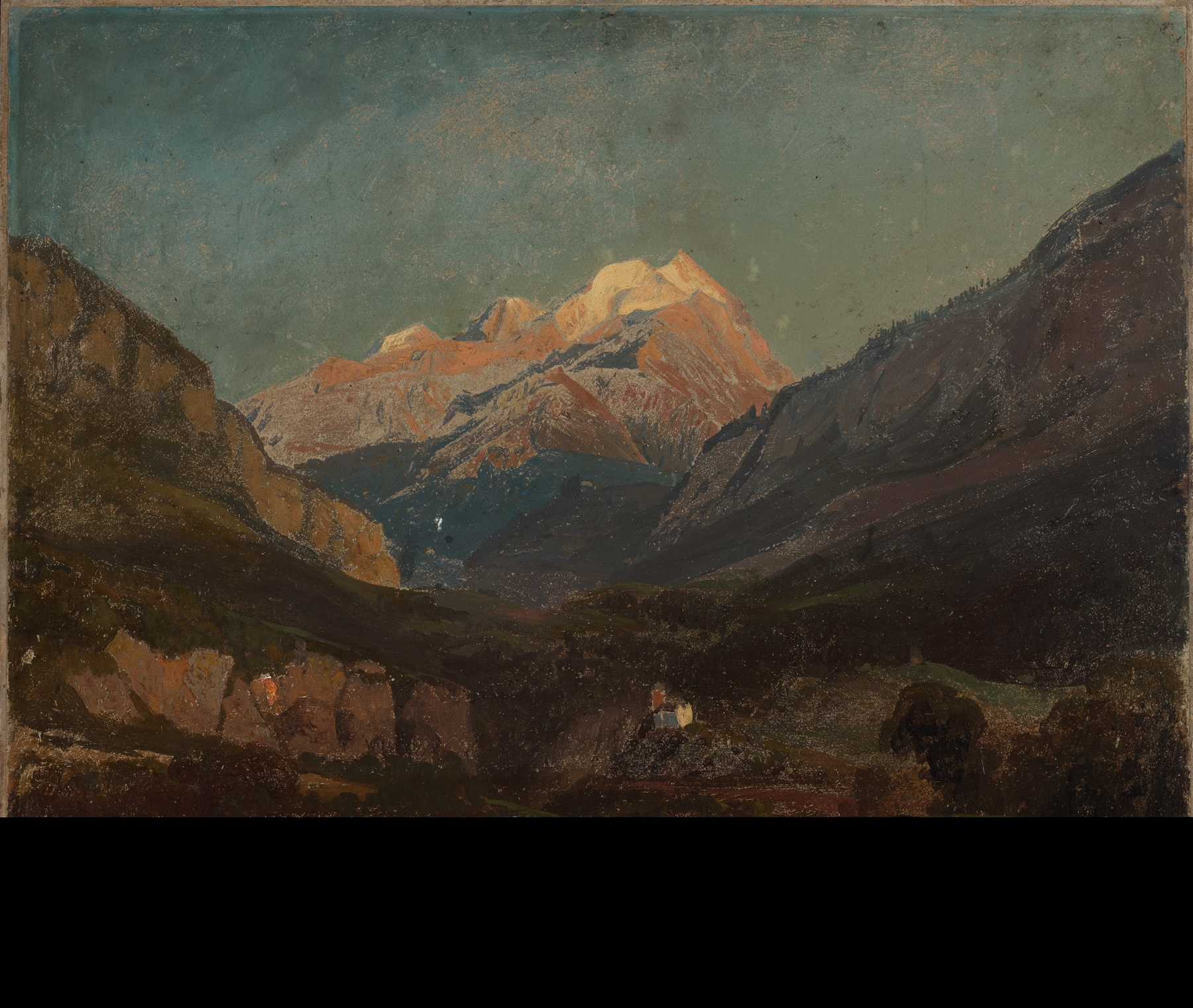
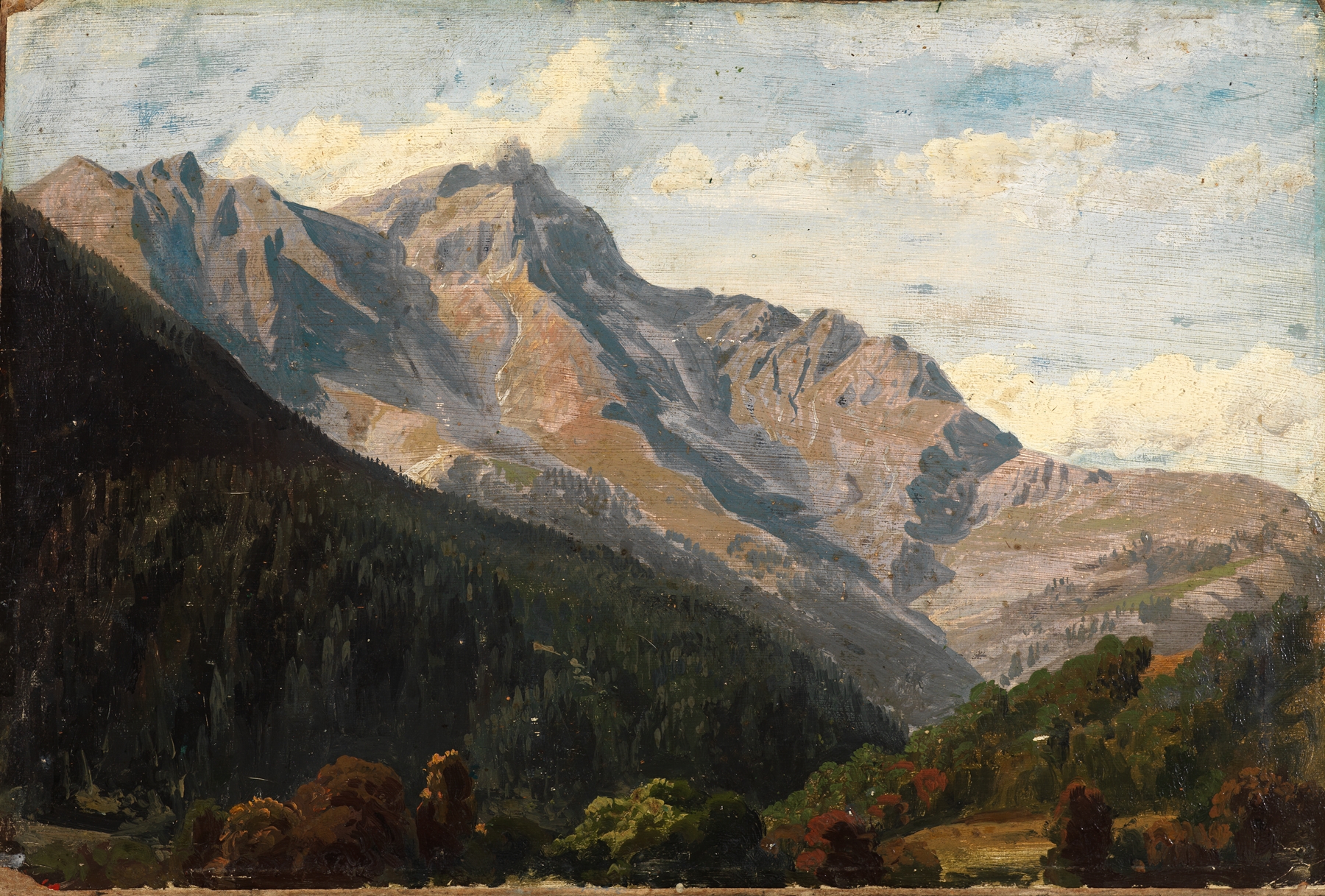
The surrounding mountains rise majestically in the background, their peaks dusted with snow, while the warm sunlight bathes the scene in golden hues, inviting the viewer to lose themselves in this serene tableau. As you explore further, pay attention to the juxtaposition of serenity and movement. The tranquil water flows steadily, yet it vibrates with life, drawing attention to the underlying tension between stillness and the passage of time. The trees, poised on the banks, appear to lean into the current as if listening to its song, grounding the ephemeral beauty of nature.
Such contrasts echo the complexities of memory—how moments can be vivid yet transient, holding layers of emotion just beneath the surface. In 1837, while residing in Germany, Johann Wilhelm Schirmer painted Schweizer Gebirgsbach. This period marked a transition in his career, shifting from the constraints of academic tradition toward a more personal, expressive style. The Romantic movement was in full swing, and Schirmer sought to connect viewers with nature's raw beauty, reflecting his profound engagement with the sublime in a world dominated by industrialization.