Schweizer Gebirgslandschaft mit Kapelle und fernem Schneegipfel — History & Analysis
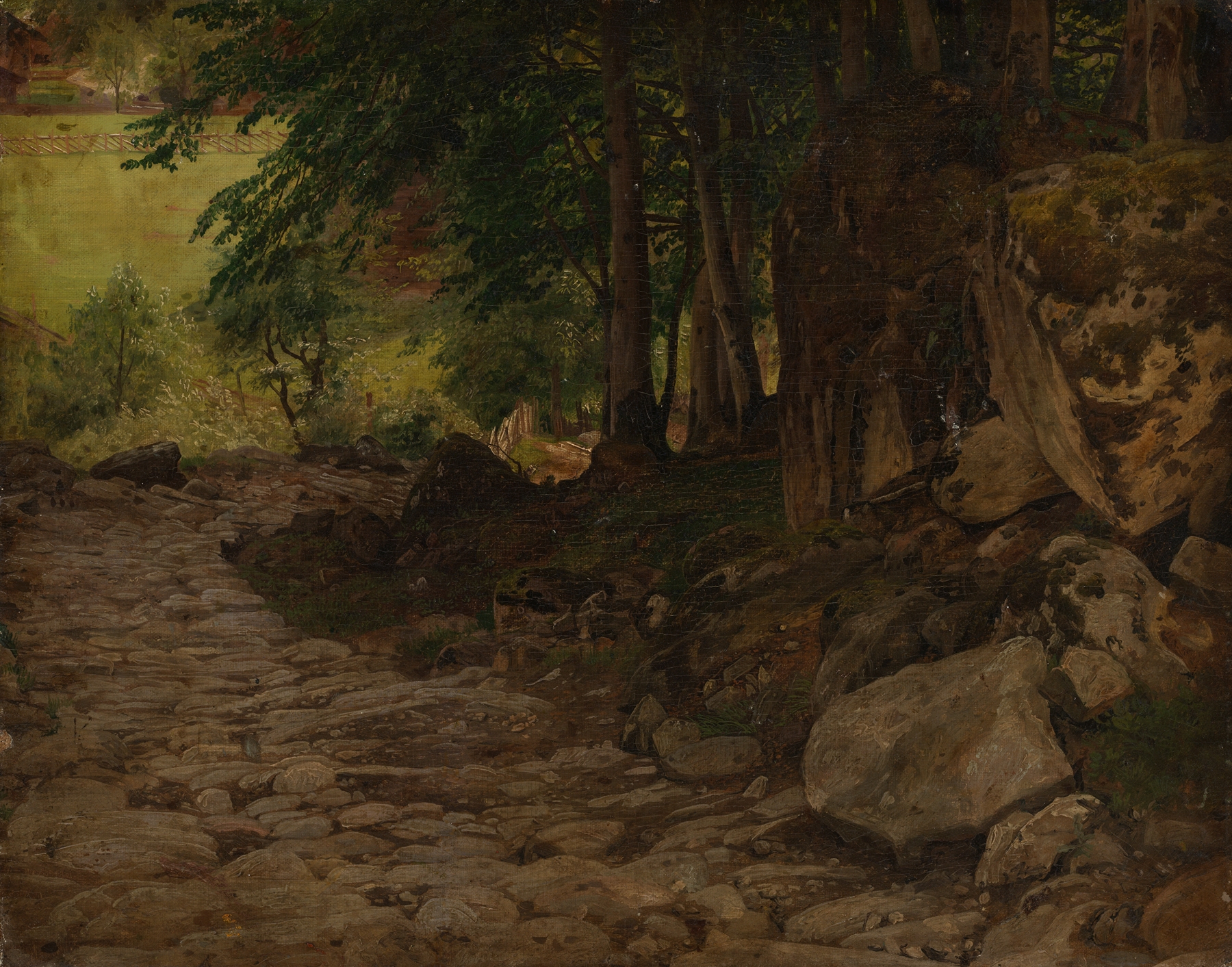
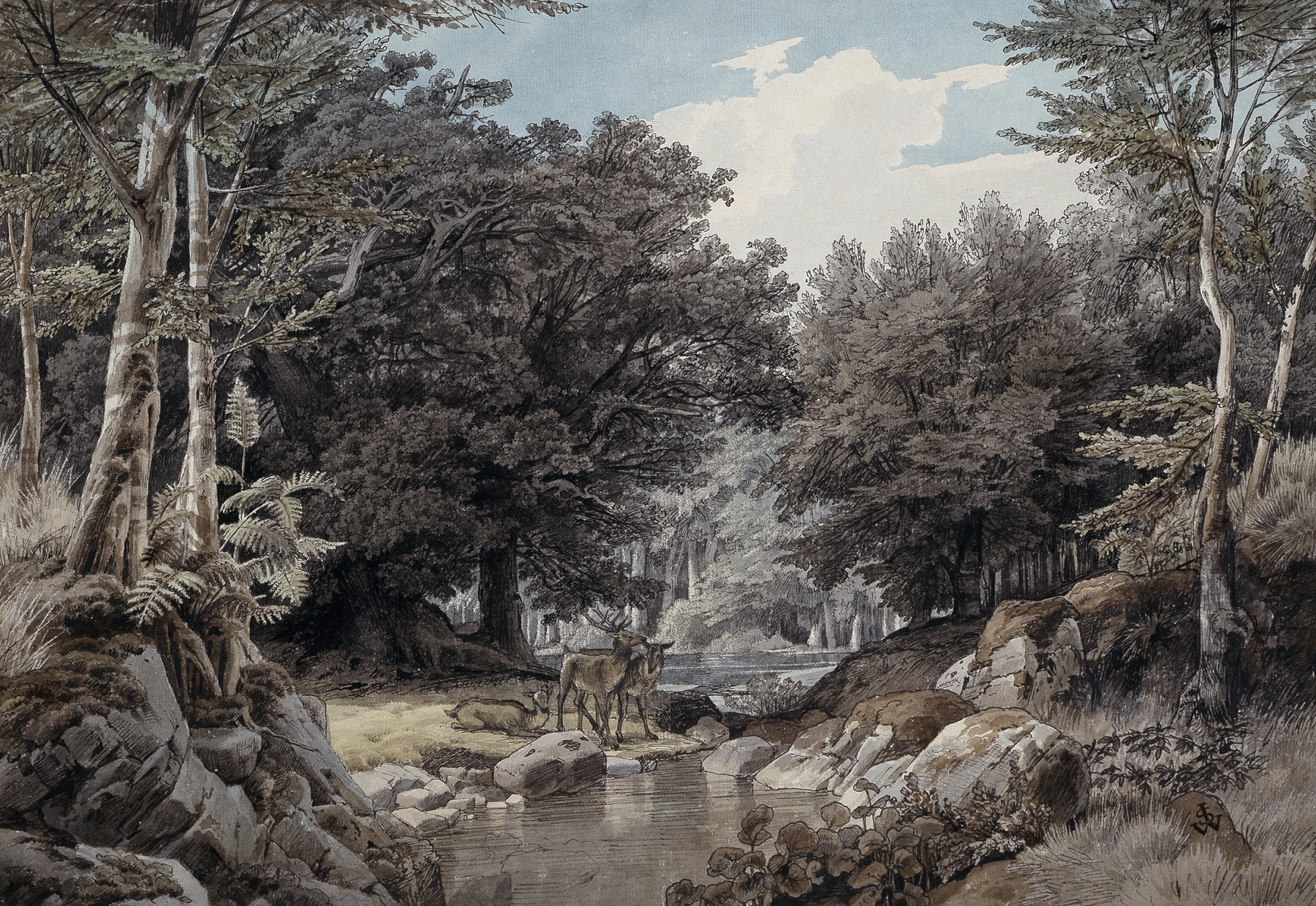
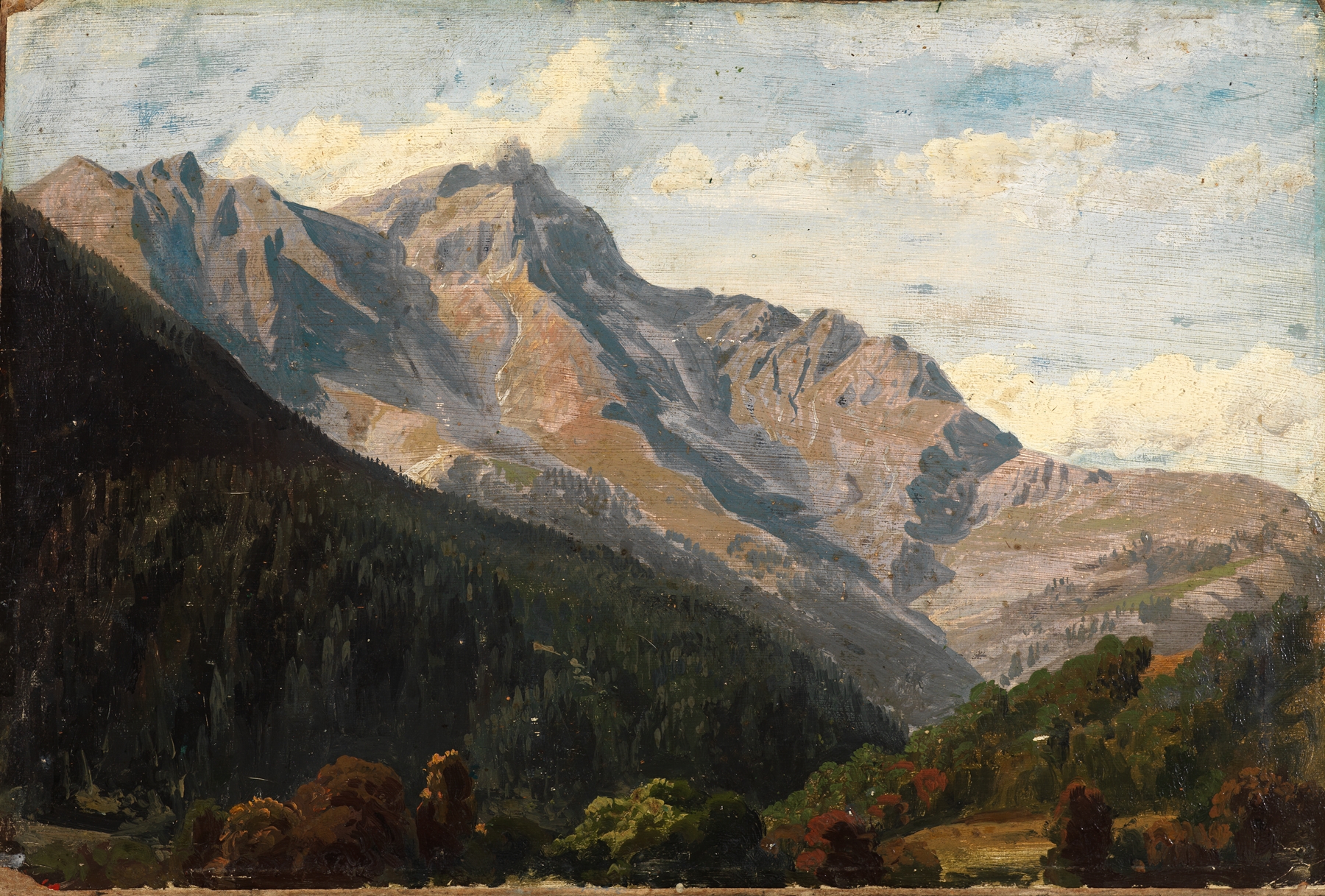
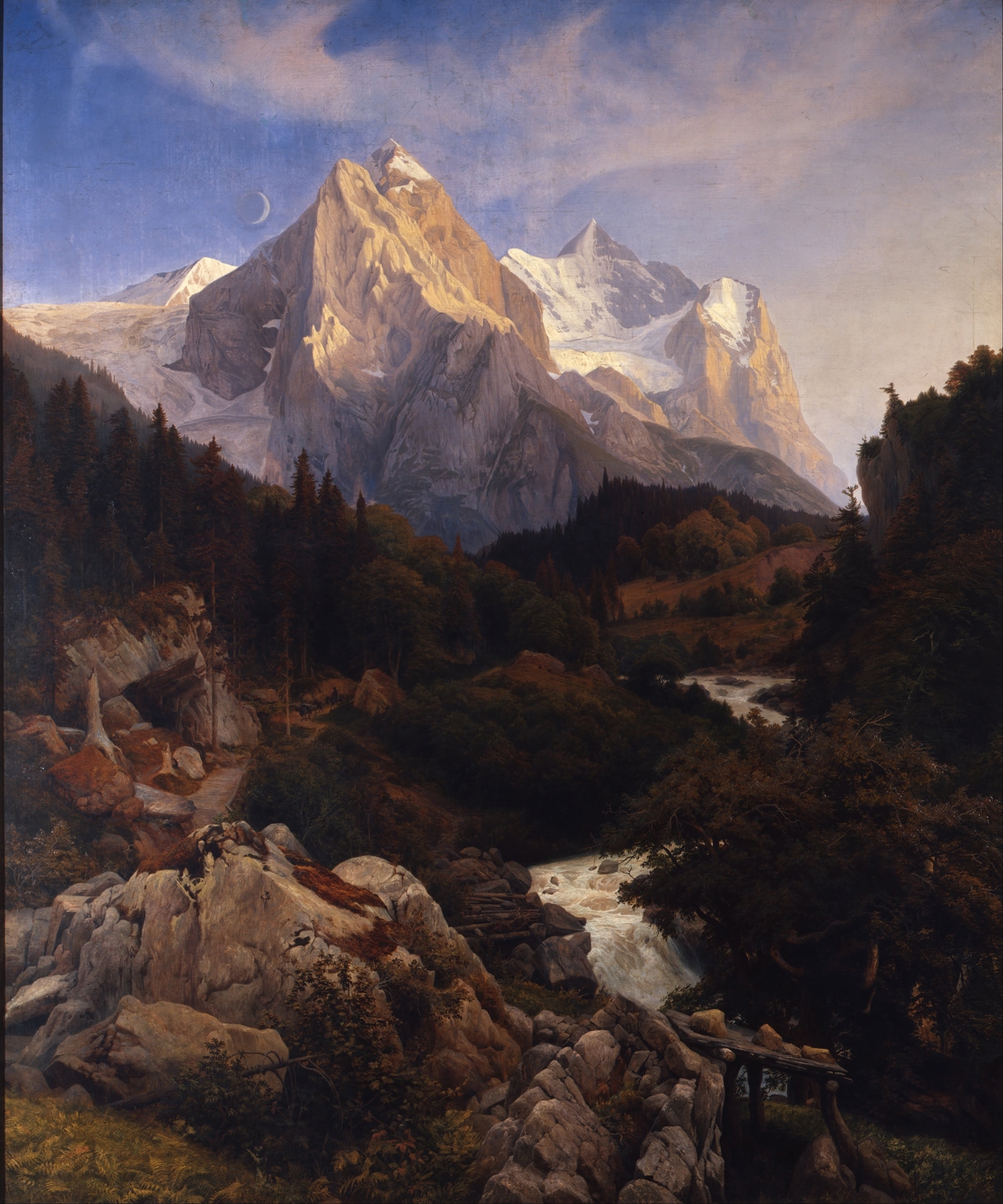
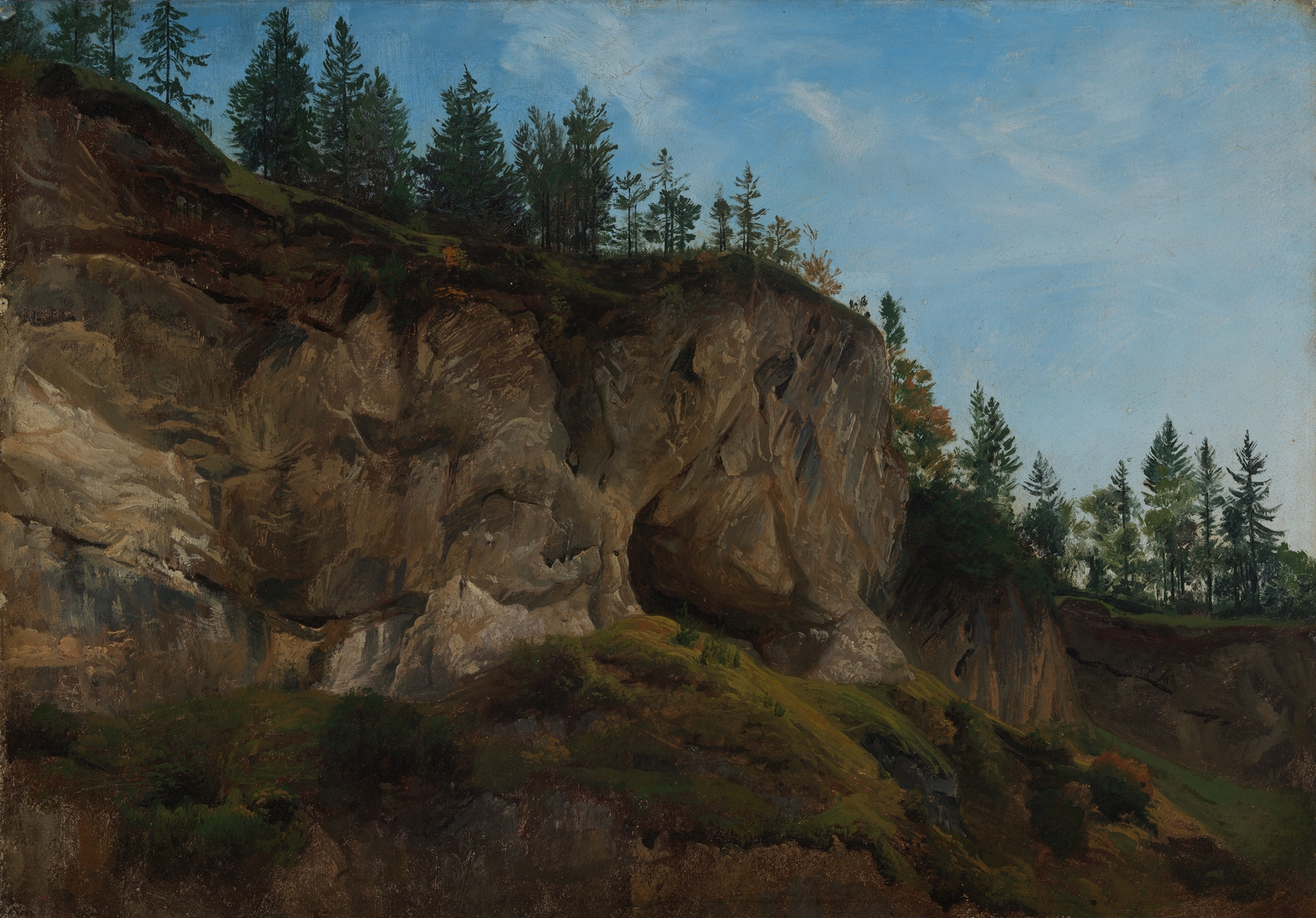
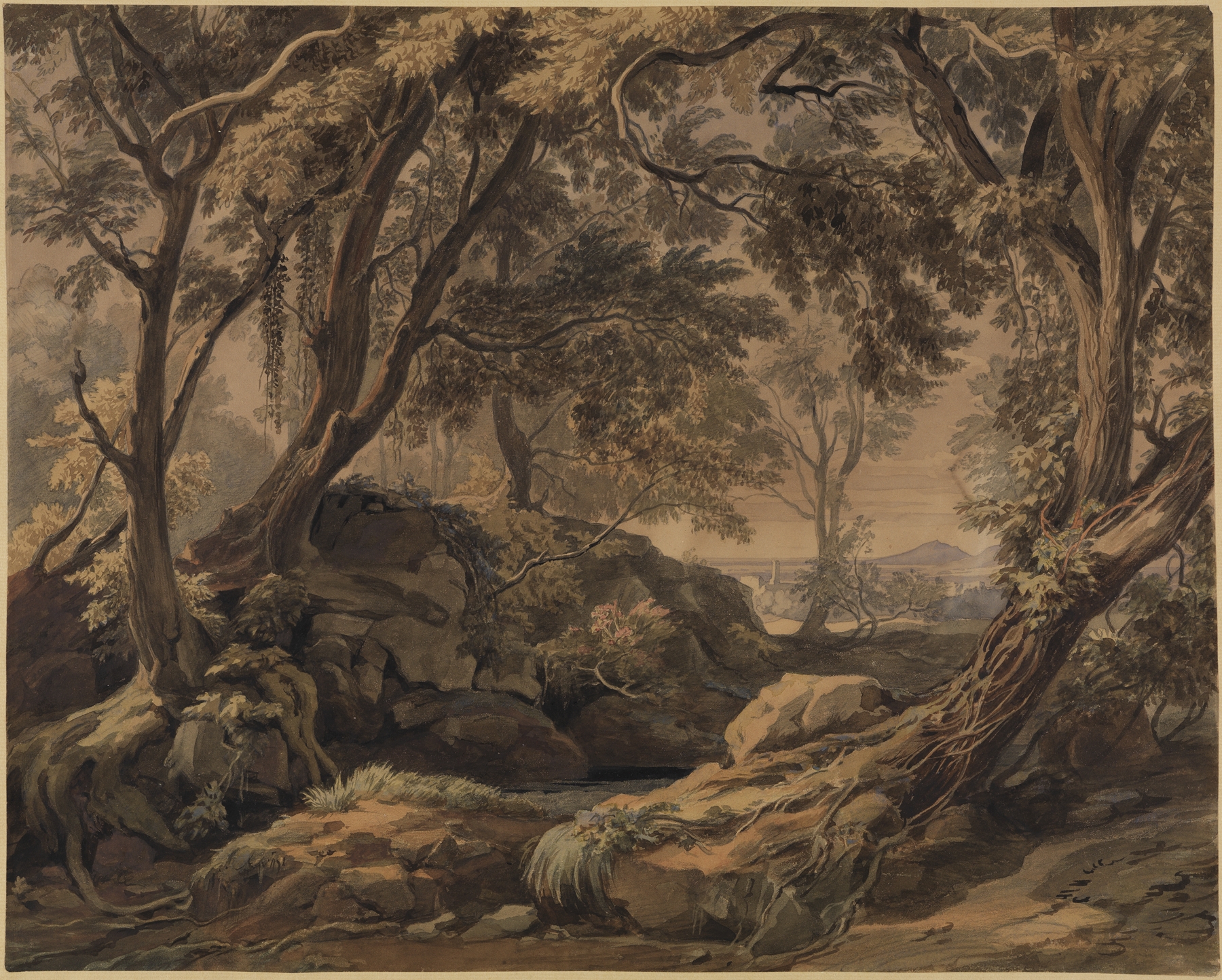
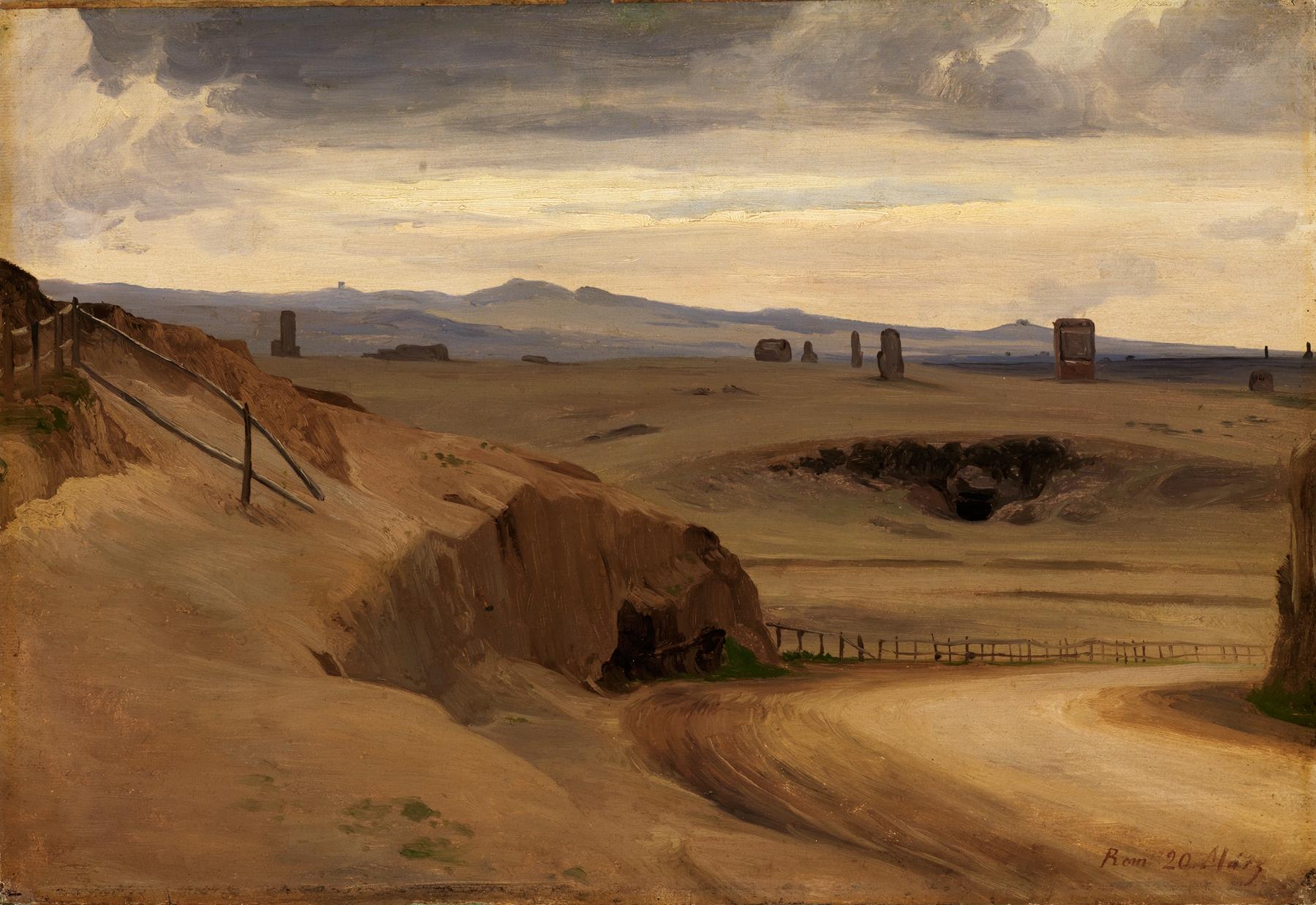
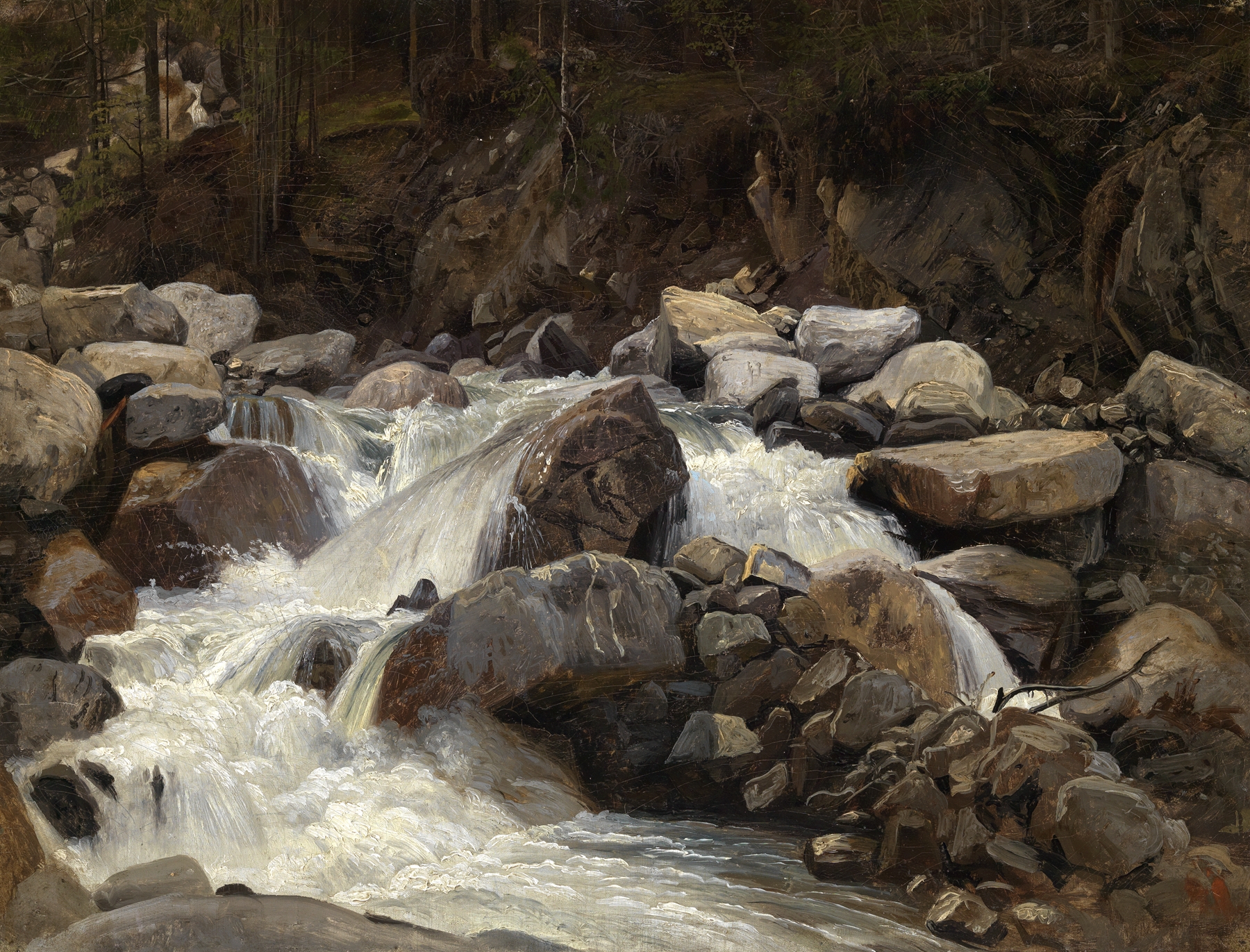
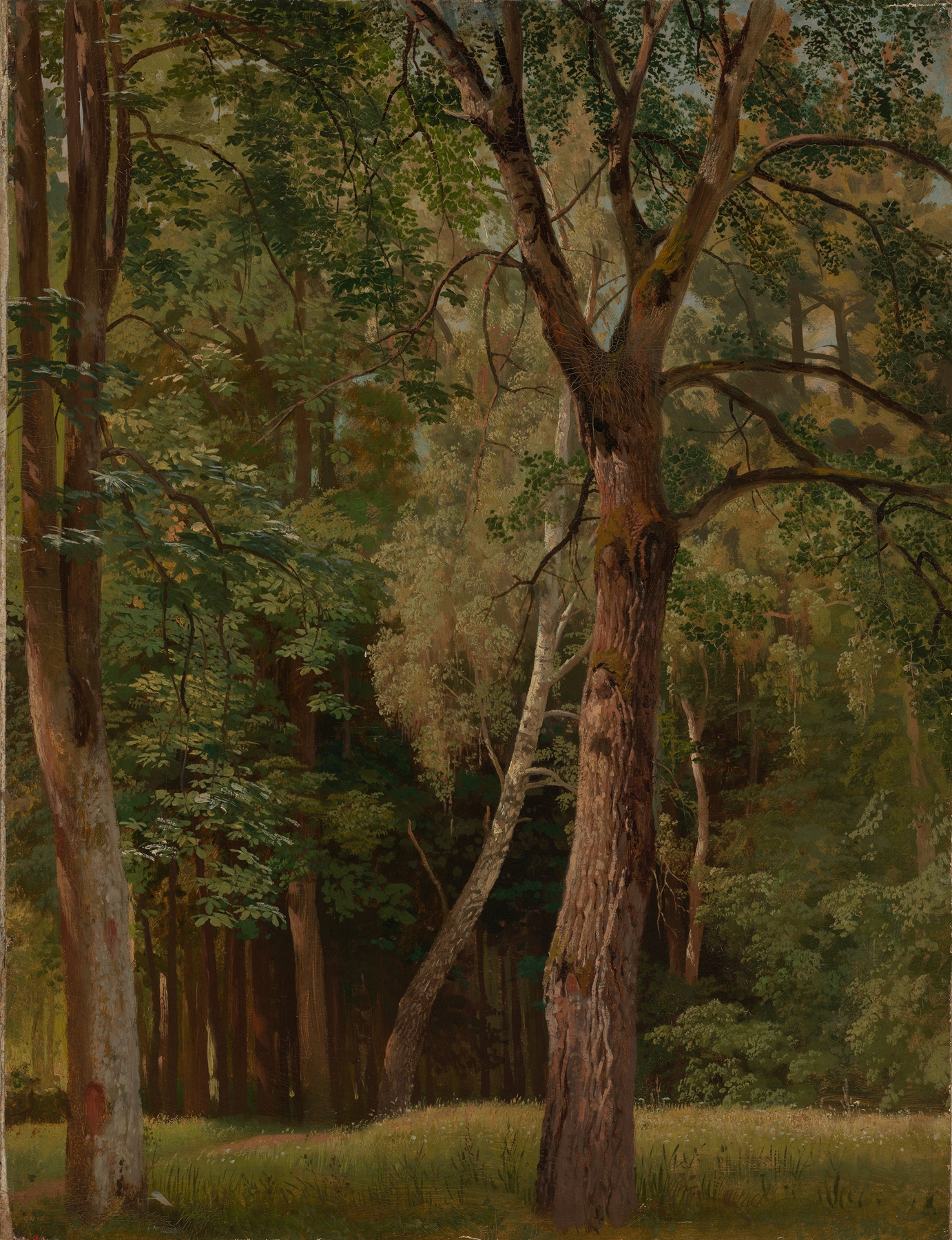
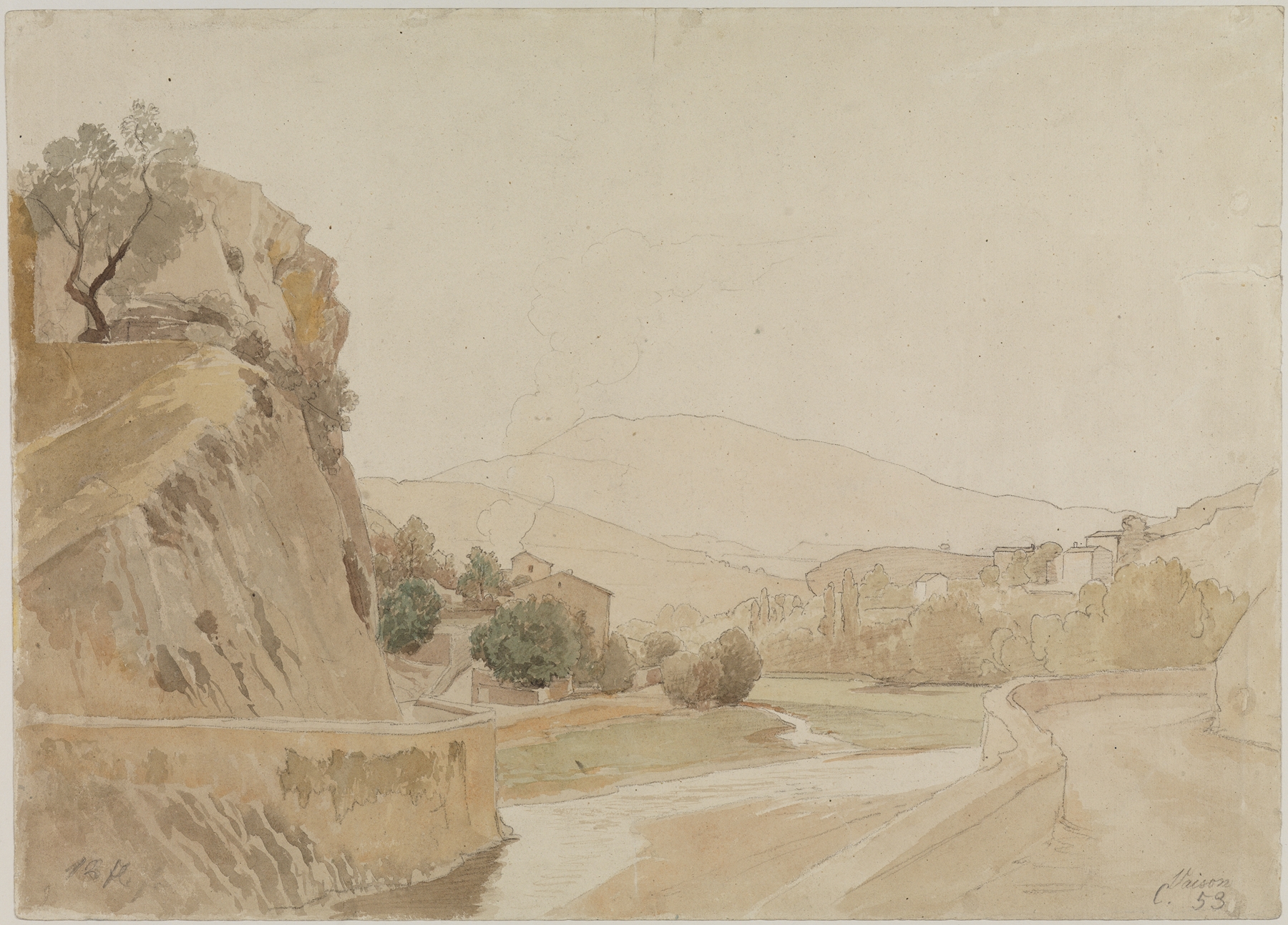
Can paint confess what words never could? In Schweizer Gebirgslandschaft mit Kapelle und fernem Schneegipfel, the yearning for serenity and transcendence pulses through the canvas, inviting viewers into an embrace of nature’s beauty and solitude. Look to the left, where a quaint chapel nestles among the lush greenery, its weathered stones harmonizing with the surrounding earth tones. The peaks loom majestically in the background, their snow-capped summits piercing the azure sky.
Notice how the artist employs delicate brushwork to create a sense of depth, the rhythmic undulations of the landscape leading the eye toward the distant mountains, evoking a sense of both longing and peace. The subtle interplay of light and shadow enriches the scene, imbuing it with an ethereal glow that transforms the ordinary into the sublime. In this work, contrasts abound—the humble chapel juxtaposed with the towering peaks symbolizes the interplay between human aspiration and nature’s grandeur. The soft greens of the foliage against the stark whites of the snow-capped mountains evoke an emotional tension, a dialogue between tranquility and the wild, untamed spirit of the Alps.
Each element is meticulously rendered, suggesting a deeper narrative about humanity’s place within the vastness of creation, a longing to connect with the divine through the beauty of the natural world. During a period of significant artistic development in the mid-19th century, Schirmer created this piece while grappling with the Romantic ideals that permeated Europe. Living in Germany, he was part of a movement that sought to capture the sublime essence of landscape and the human condition. In this context, his exploration of nature not only reflected personal sentiment but also resonated deeply with the collective yearning for transcendence prevalent in the art of his time.