Felsabhang in der Schweiz — History & Analysis
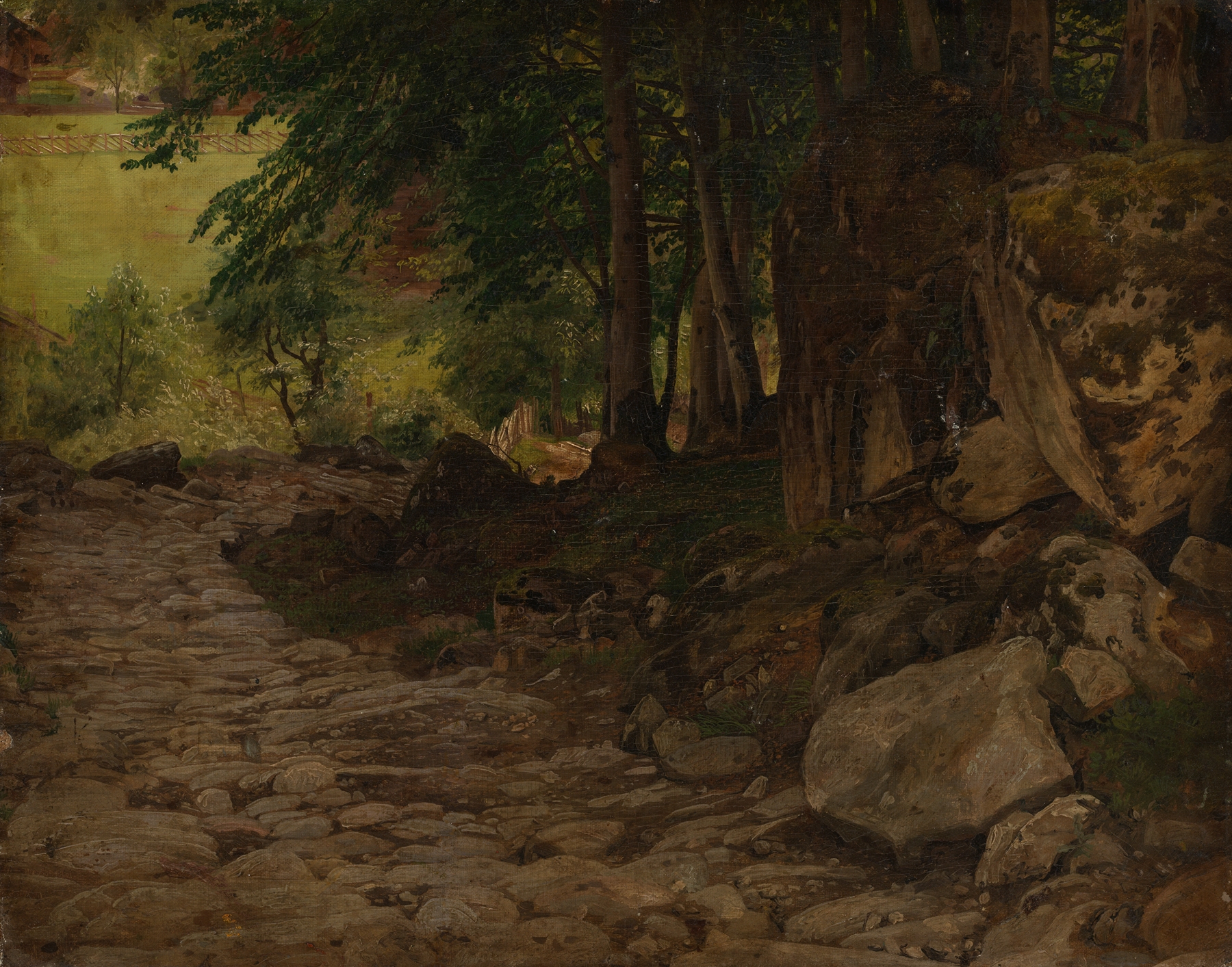
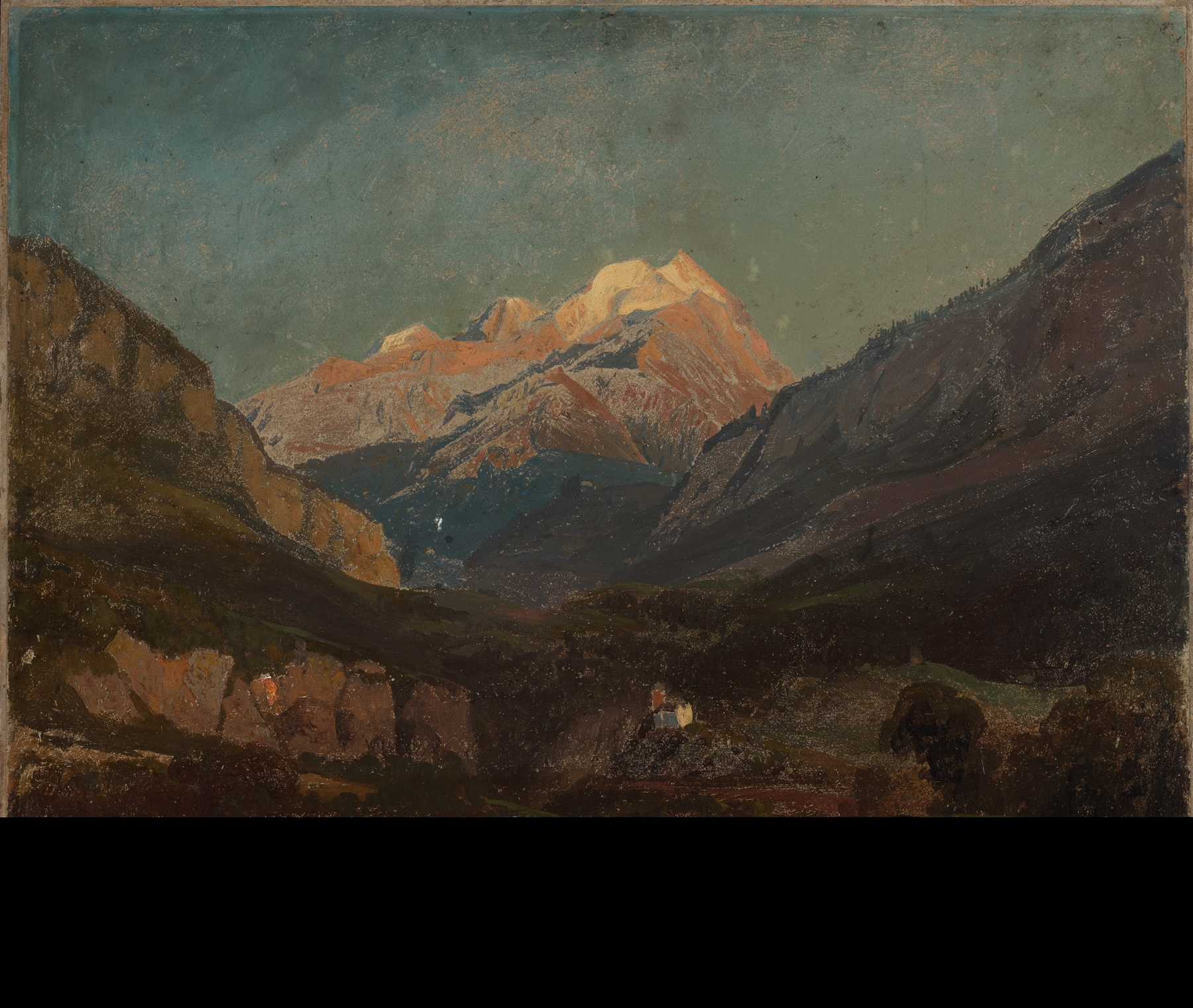
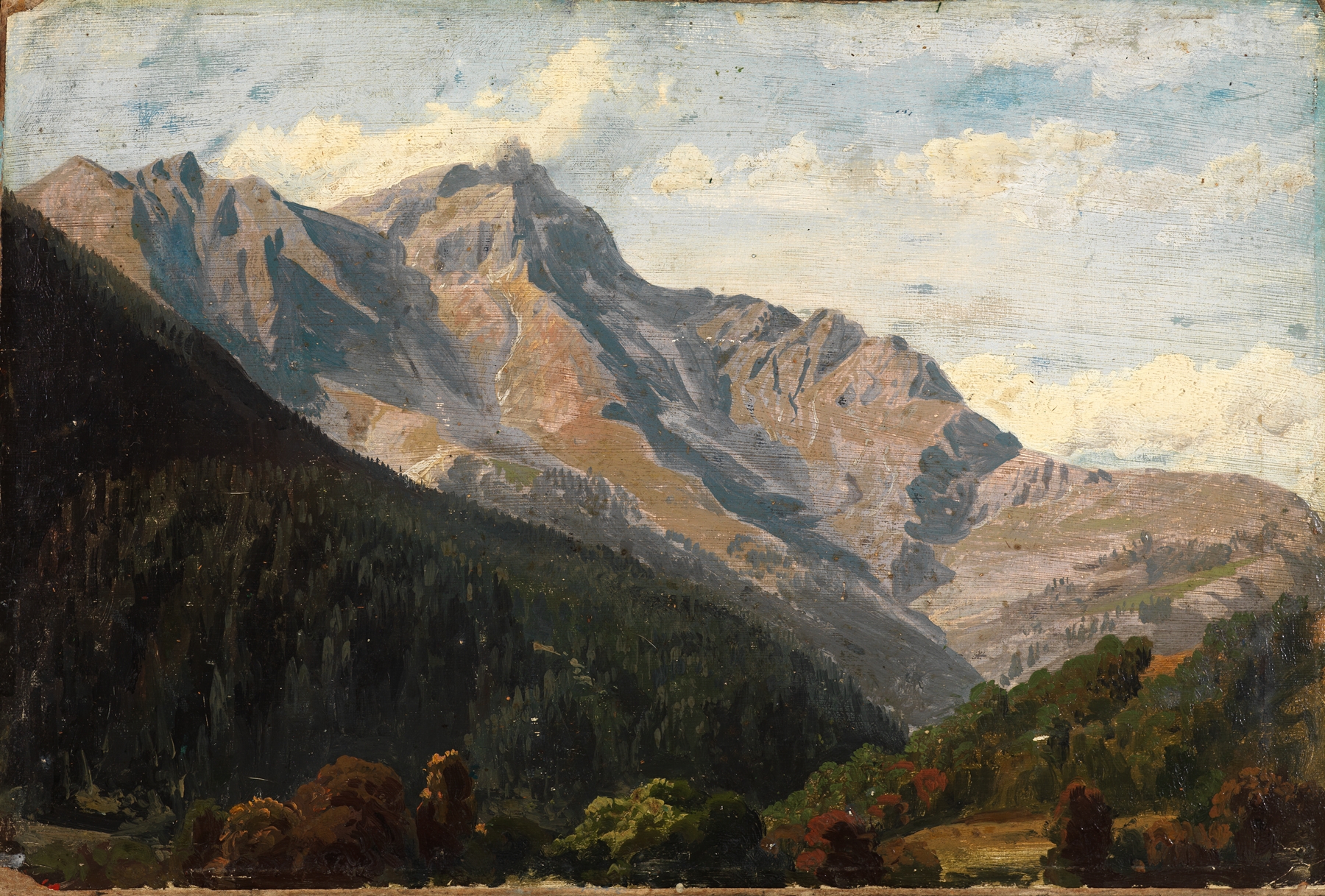
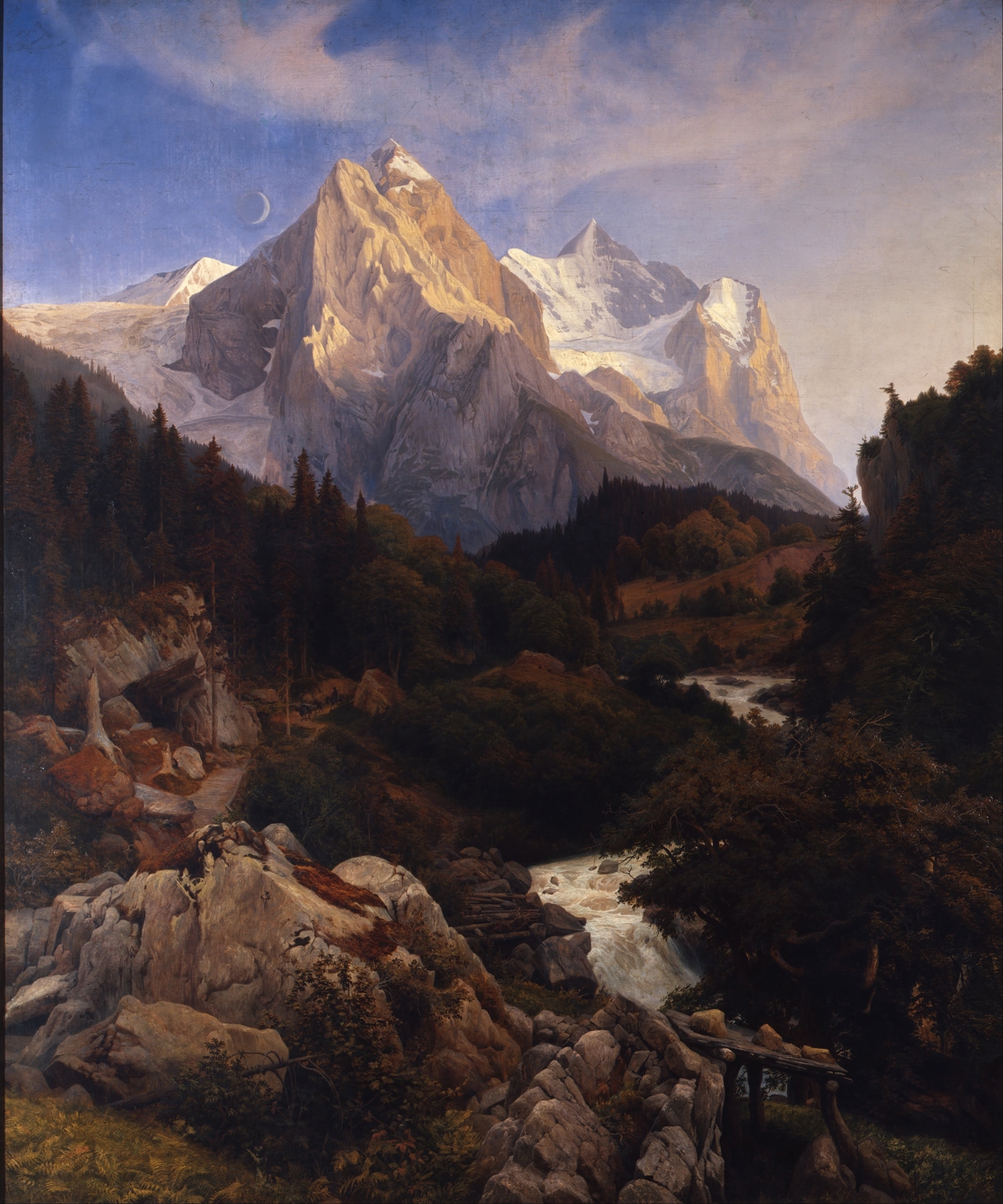
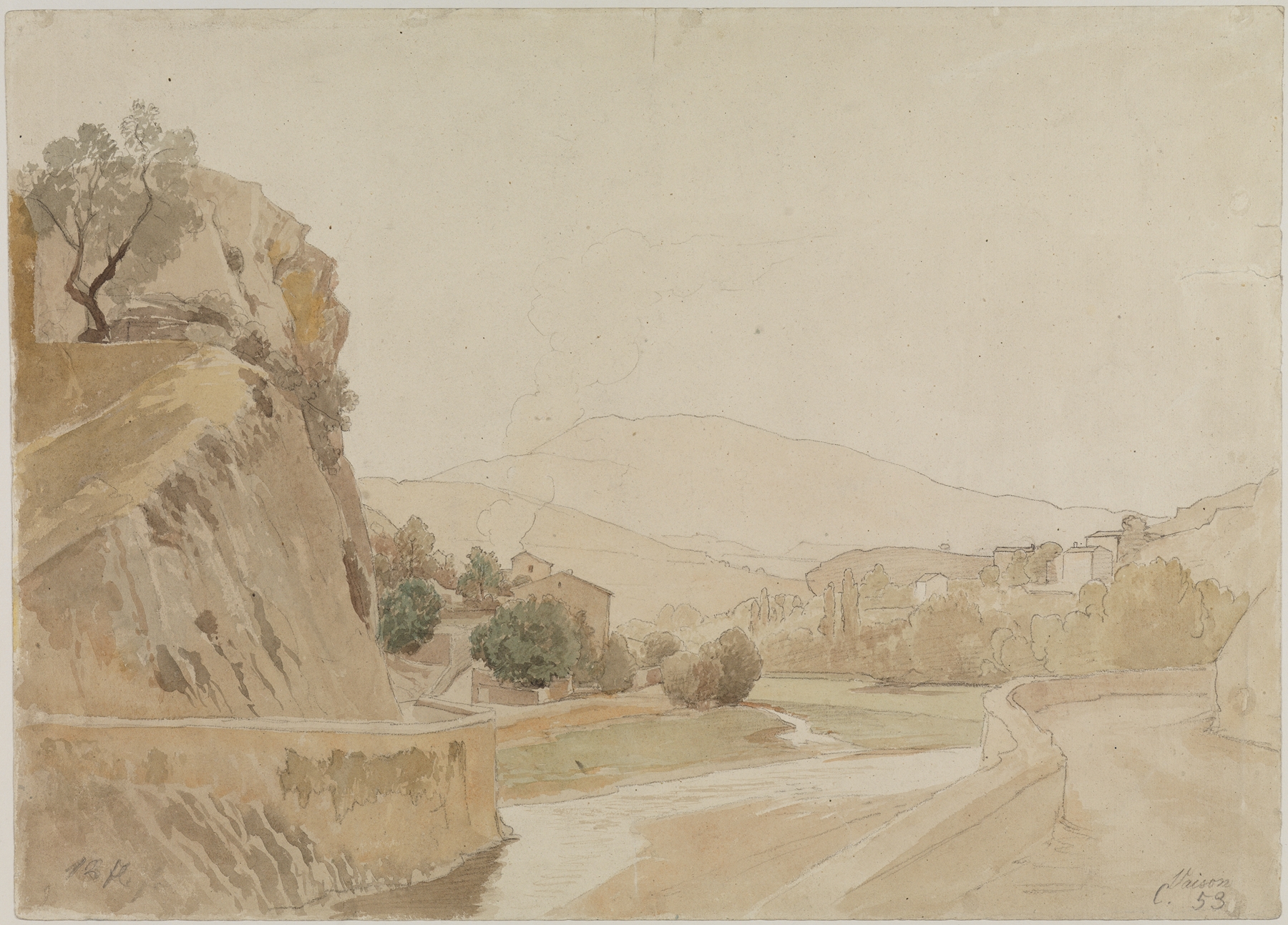
Could beauty survive in a century of chaos? This question lingers in the air as one gazes upon the tranquil landscape captured in the artwork. The serene portrayal of the Swiss mountains seems to whisper of resilience, a poignant reminder of nature's enduring hope amidst the tumult of the human experience. Look to the left at the rugged cliffs, their textures rendered with meticulous detail that invites your fingers to trace the contours. Notice how the interplay of light and shadow dances across the rocky surfaces, each gradient revealing a story of time.
The lush greens of the foreground abruptly contrast with the stark, imposing mountains, while a gentle mist softens the edges, creating a dreamlike quality. This composition deftly balances realism with an ethereal beauty, drawing viewers into a world both familiar and breathtakingly sublime. The subtle nuances in the artwork unfold layers of meaning; the towering peaks may symbolize the obstacles one faces, while the calm valley below suggests a refuge or solace. The delicate rendering of the sky, poised between day and dusk, evokes a sense of transition—perhaps a metaphor for hope emerging from despair.
Each element serves to remind us that amidst constant change, beauty remains a steadfast presence, a promise of renewal. Created in a period marked by social upheaval and artistic transformation, the piece emerged from Schirmer's hand before 1837, during a time when romanticism began to flourish in Europe. This was an era ripe with the exploration of nature, a reaction against industrialization, and a search for meaning amidst the chaos around him. Schirmer's vision encapsulates the essence of that pivotal moment in art, reflecting a deep connection to the natural world while echoing the tumult of his times.