Figures In A Winter Landscape — History & Analysis
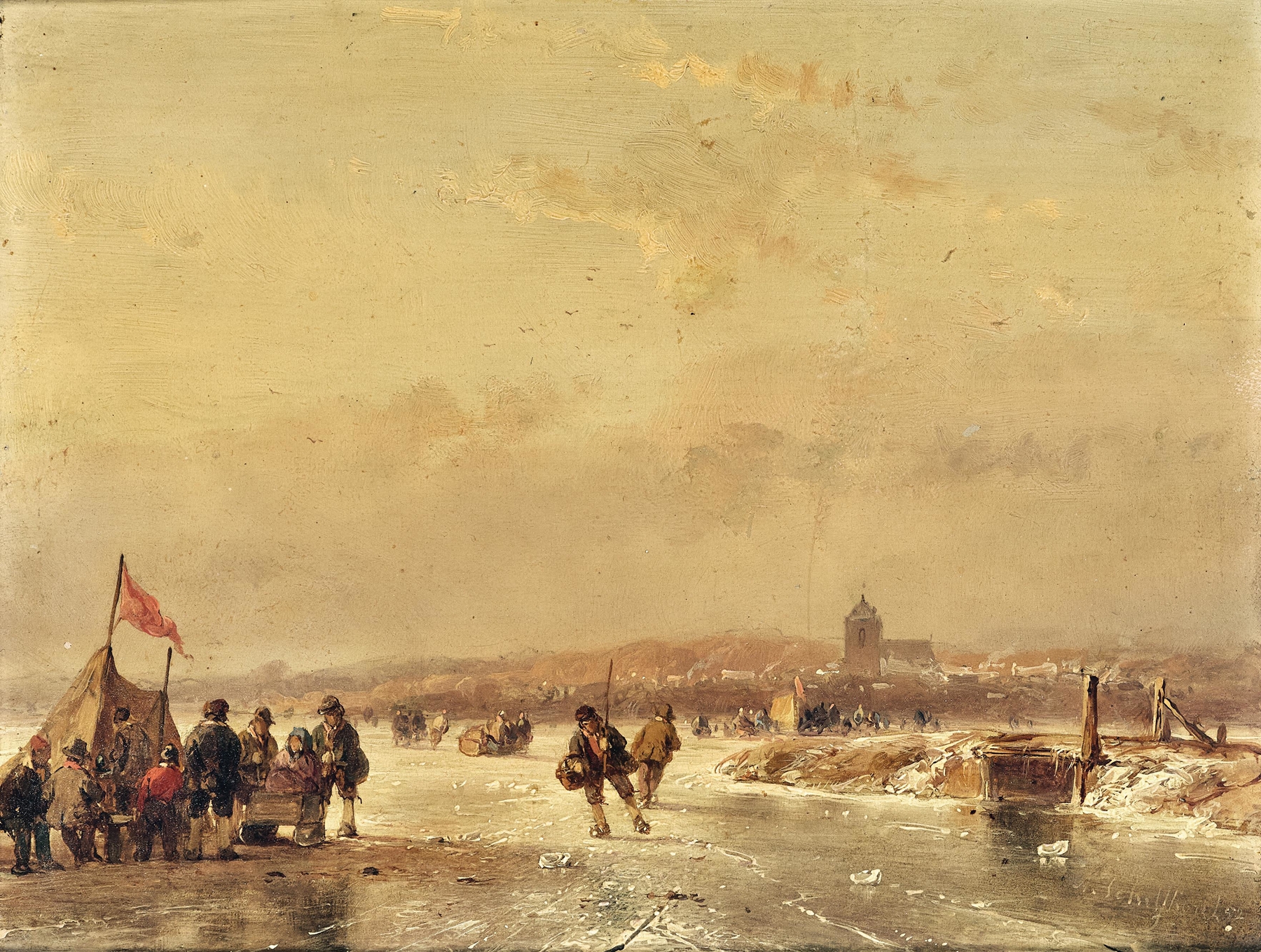
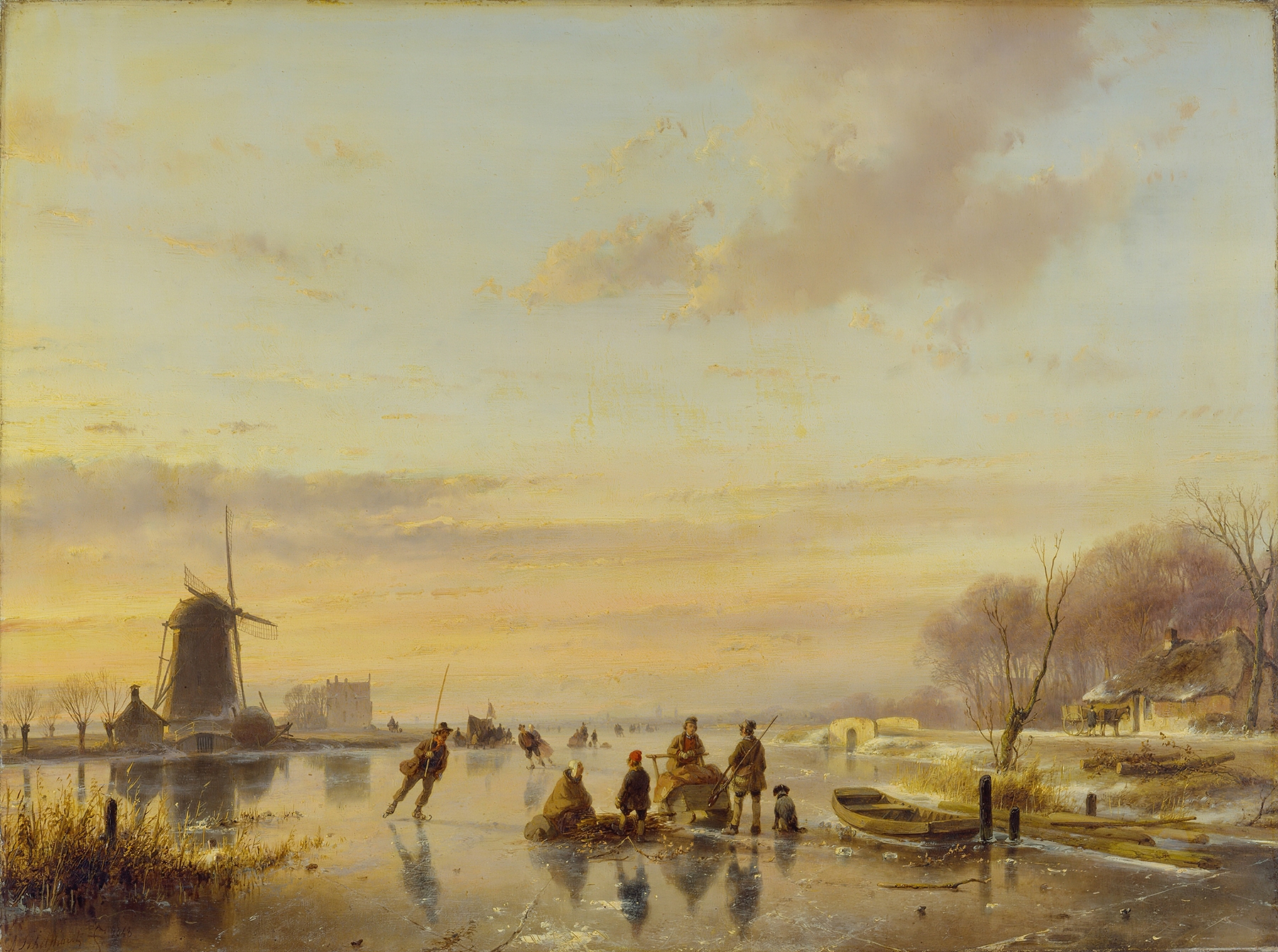
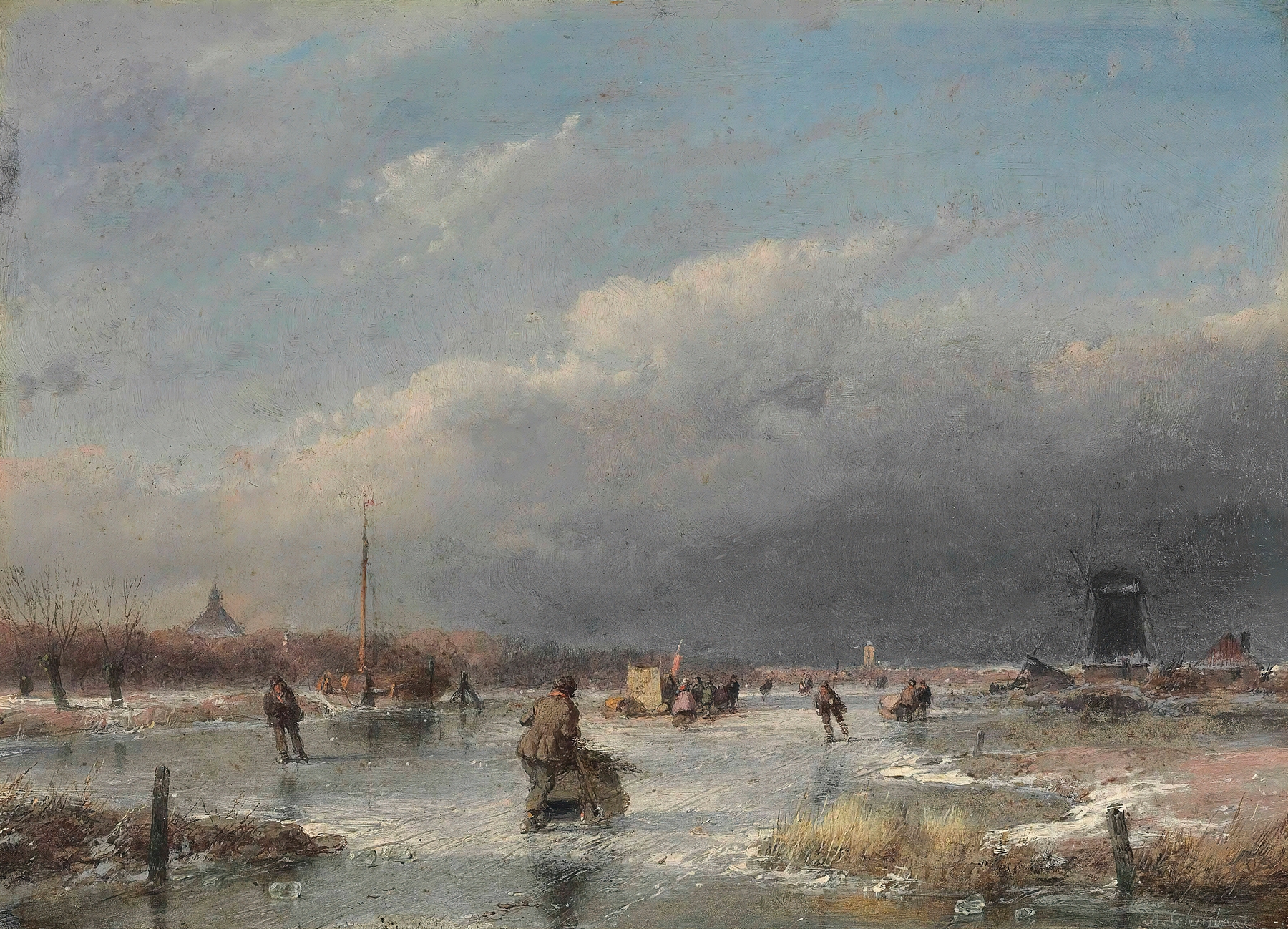
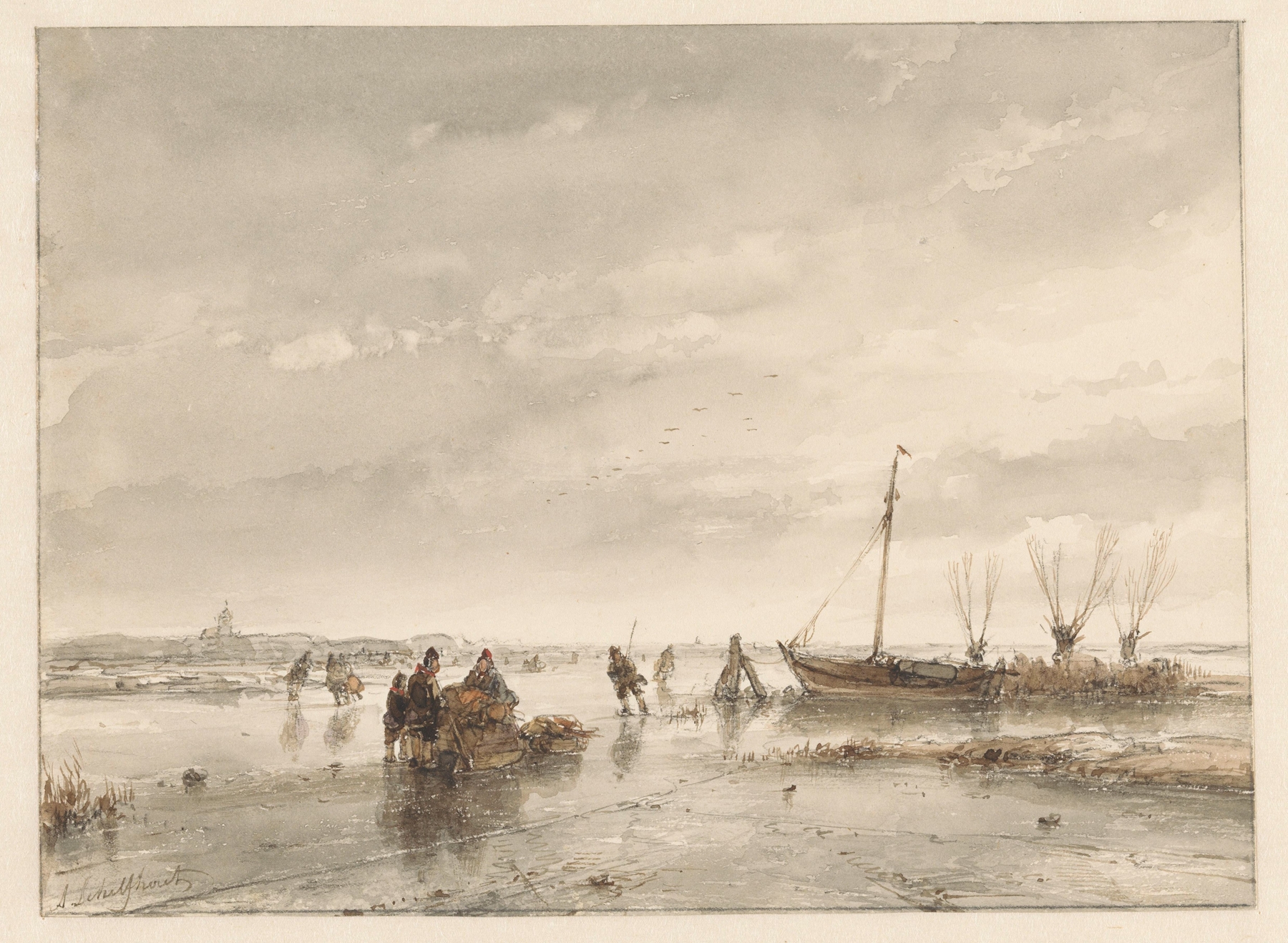
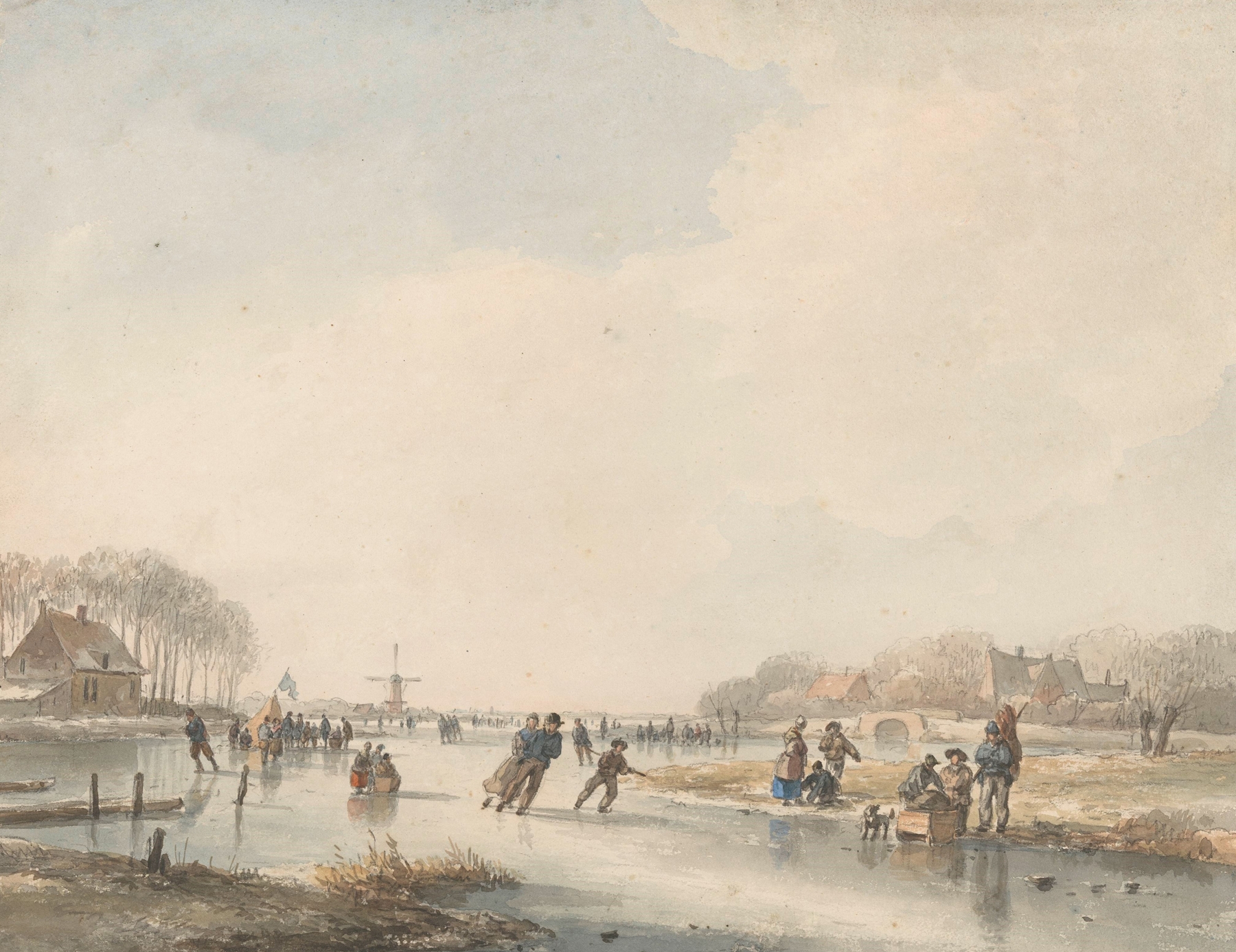
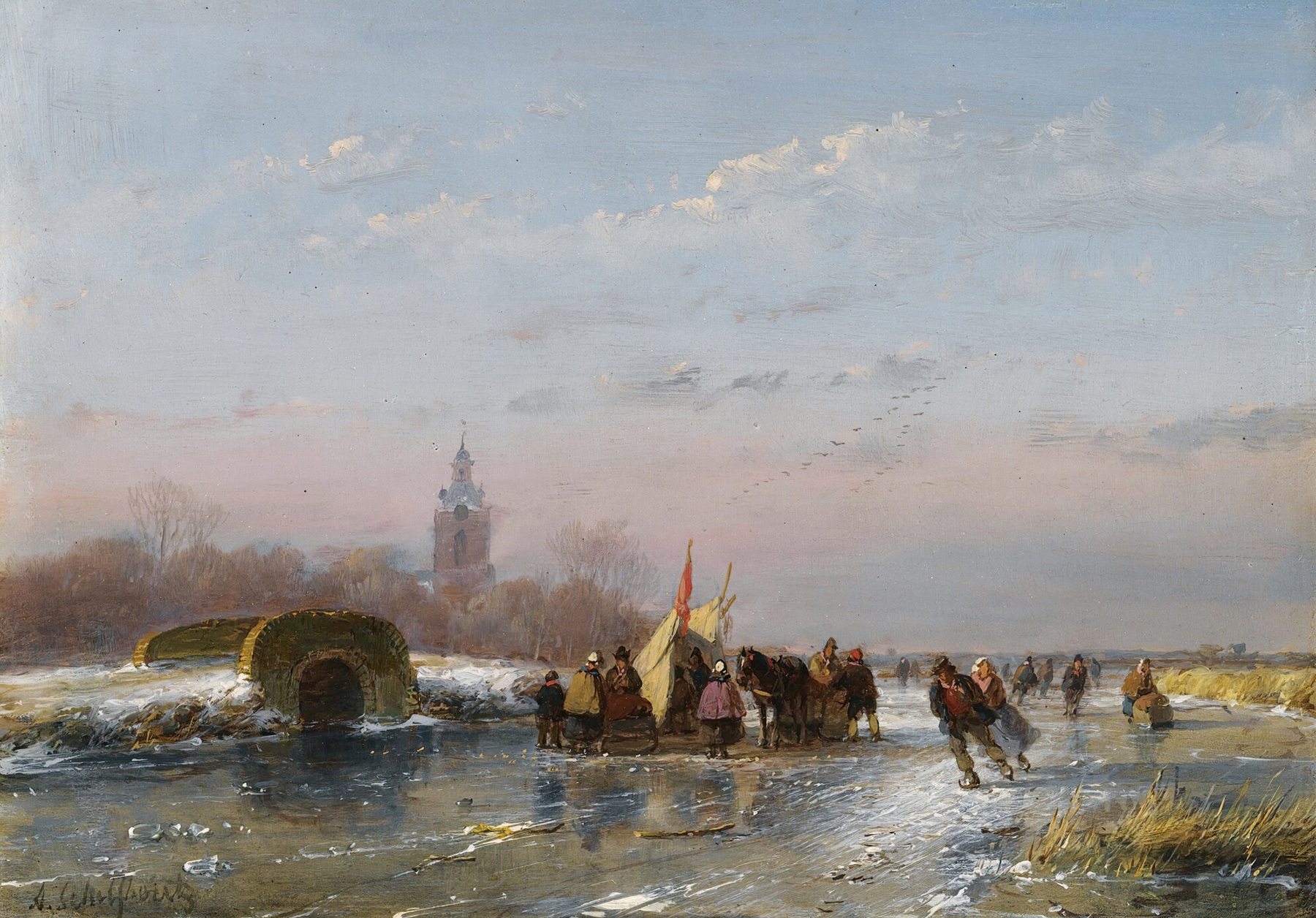
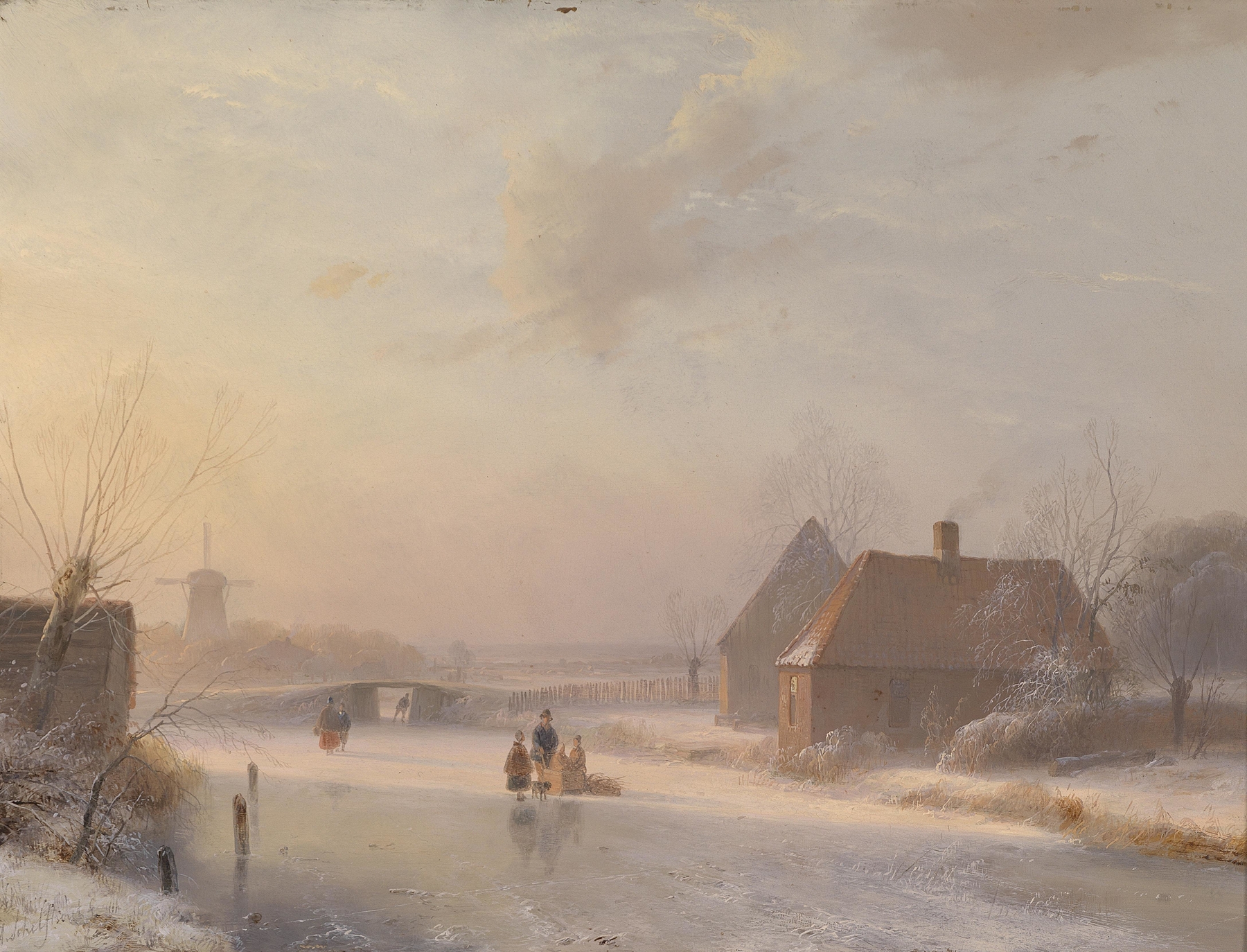
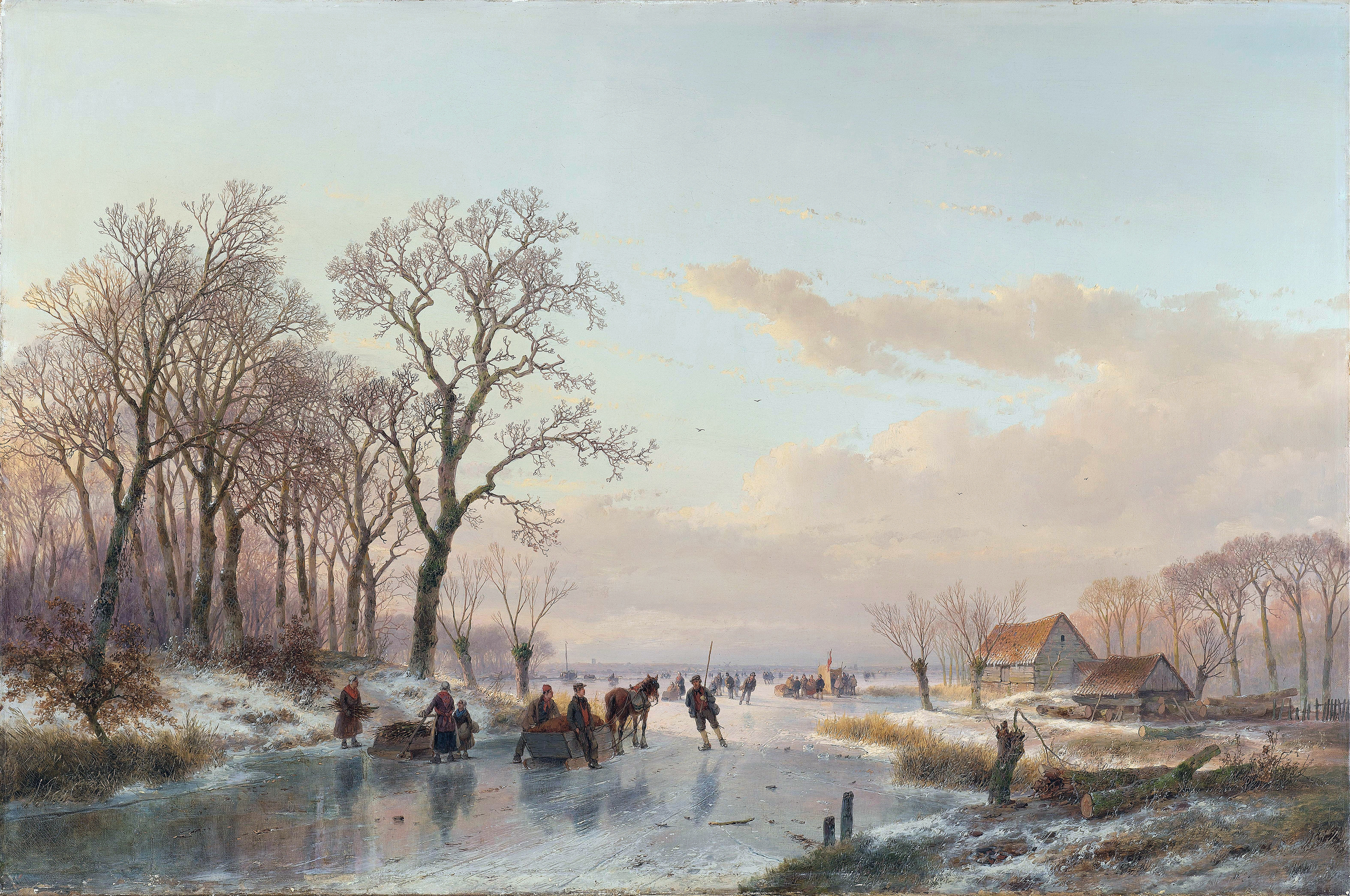
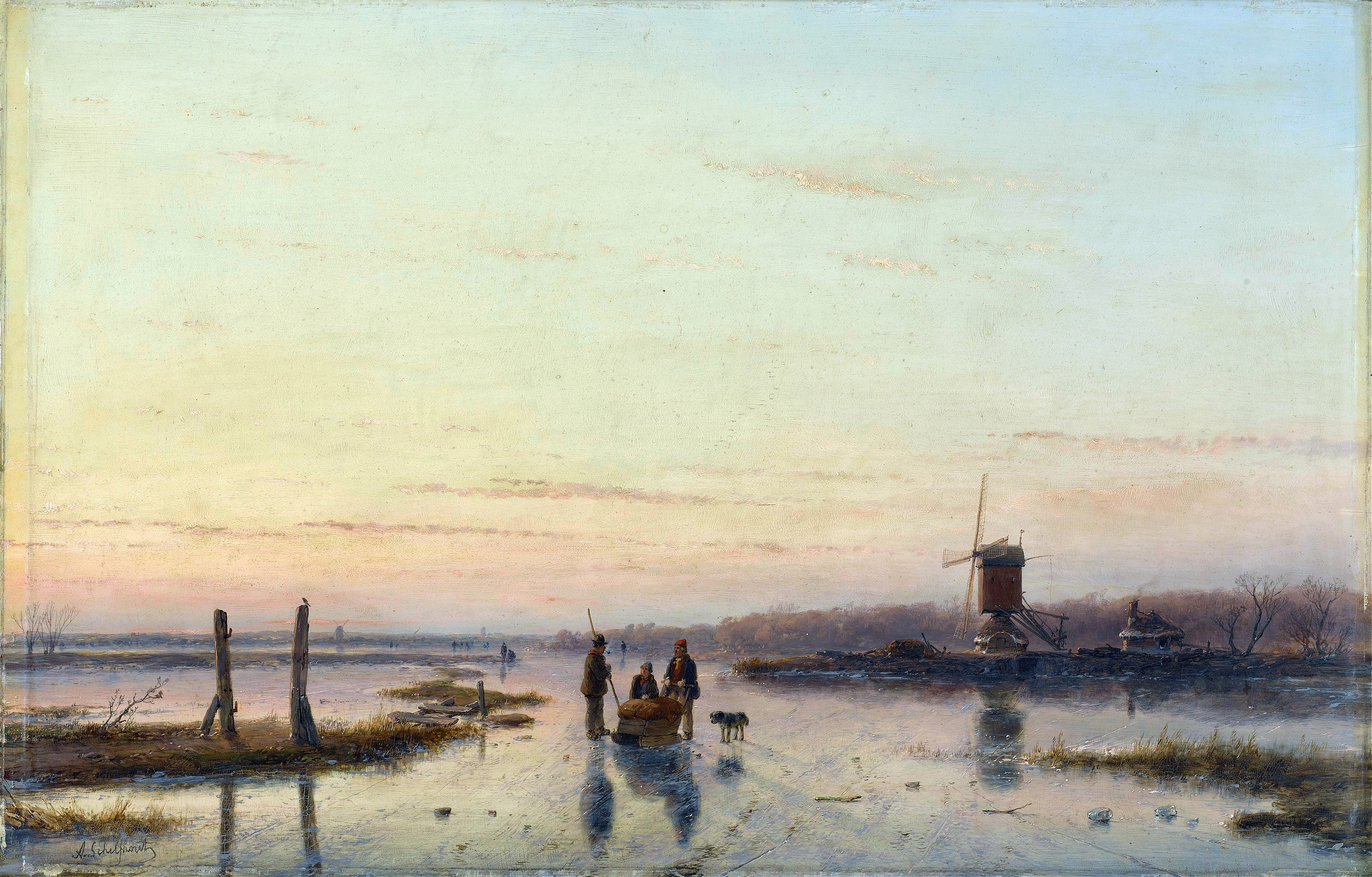
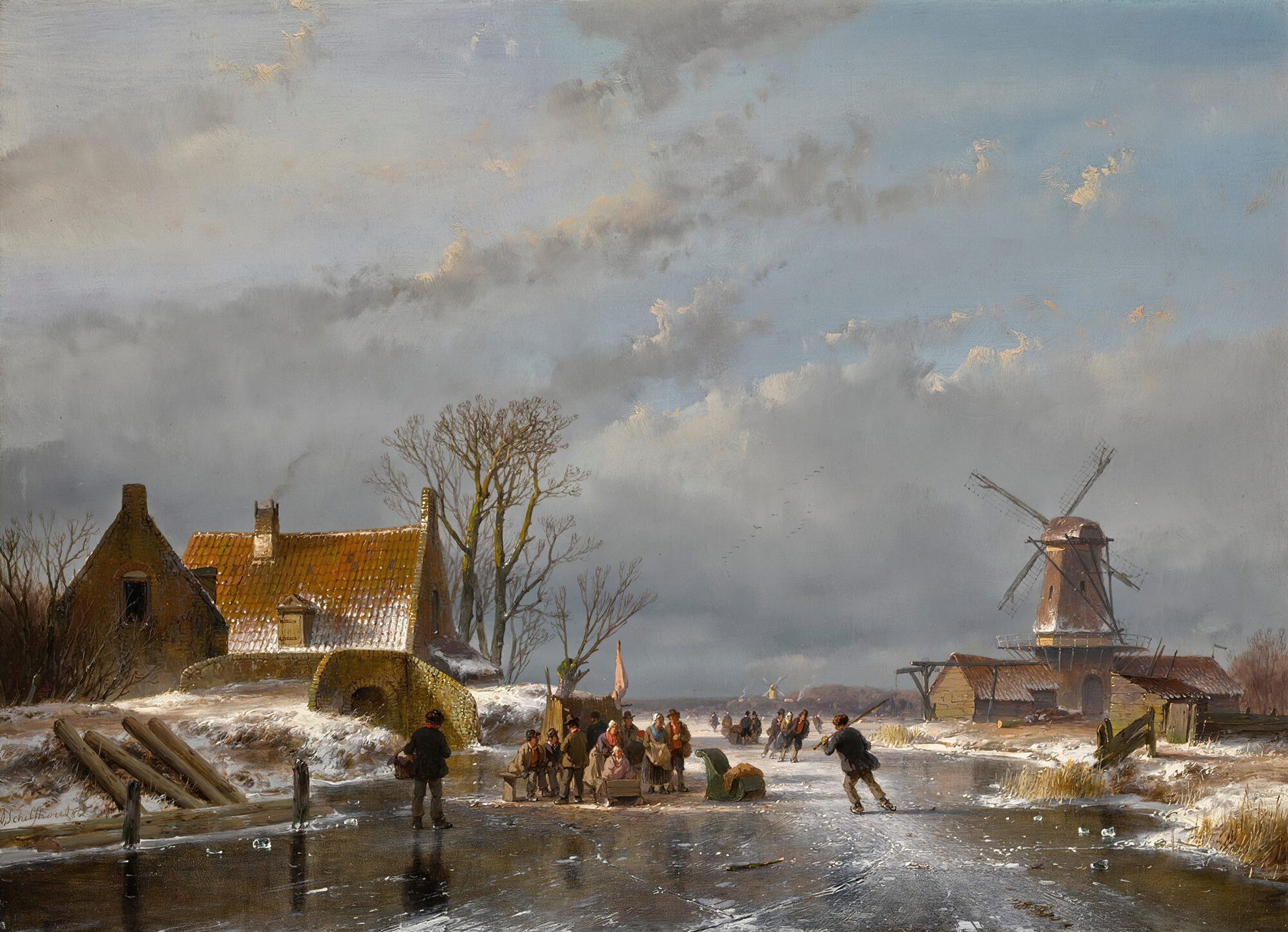
“Under the brush, chaos becomes grace.” In the heart of winter, nature lays bare its fragility, revealing decay as a poignant part of existence. Focus first on the foreground, where figures wander through the gently undulating landscape. Notice how the soft whites and muted blues of the snow contrast sharply with the dark, twisting branches of barren trees that frame the scene. The careful brushwork creates a delicate interplay of light and shadow, suggesting the ghostly presence of winter’s chill.
The viewers are invited to immerse themselves in the tranquility and vulnerability that echoes through the canvas. As you examine the painting, consider the juxtaposition of the serene figures—clad in heavy winter attire—against the stark environment. Their slow, deliberate movements hint at resilience amid nature’s harshness, while the rugged texture of the snow beneath suggests both beauty and decay. Each element, from the calm sky to the scattered remnants of autumn leaves, speaks to the inevitable cycle of life, where what is lost becomes a silent testament to survival.
Andreas Schelfhout created this piece during the 19th century, a period marked by an increasing fascination with the natural world and its changing seasons. Working primarily in the Netherlands, he sought to capture the serenity of rural landscapes, reflecting a time when Romanticism was on the rise and artists began to explore deeper emotional connections to their subjects. In Figures In A Winter Landscape, he encapsulates this spirit, transforming a scene of stillness into a profound meditation on existence.