Final Study for "Bathers at Asnières" — History & Analysis
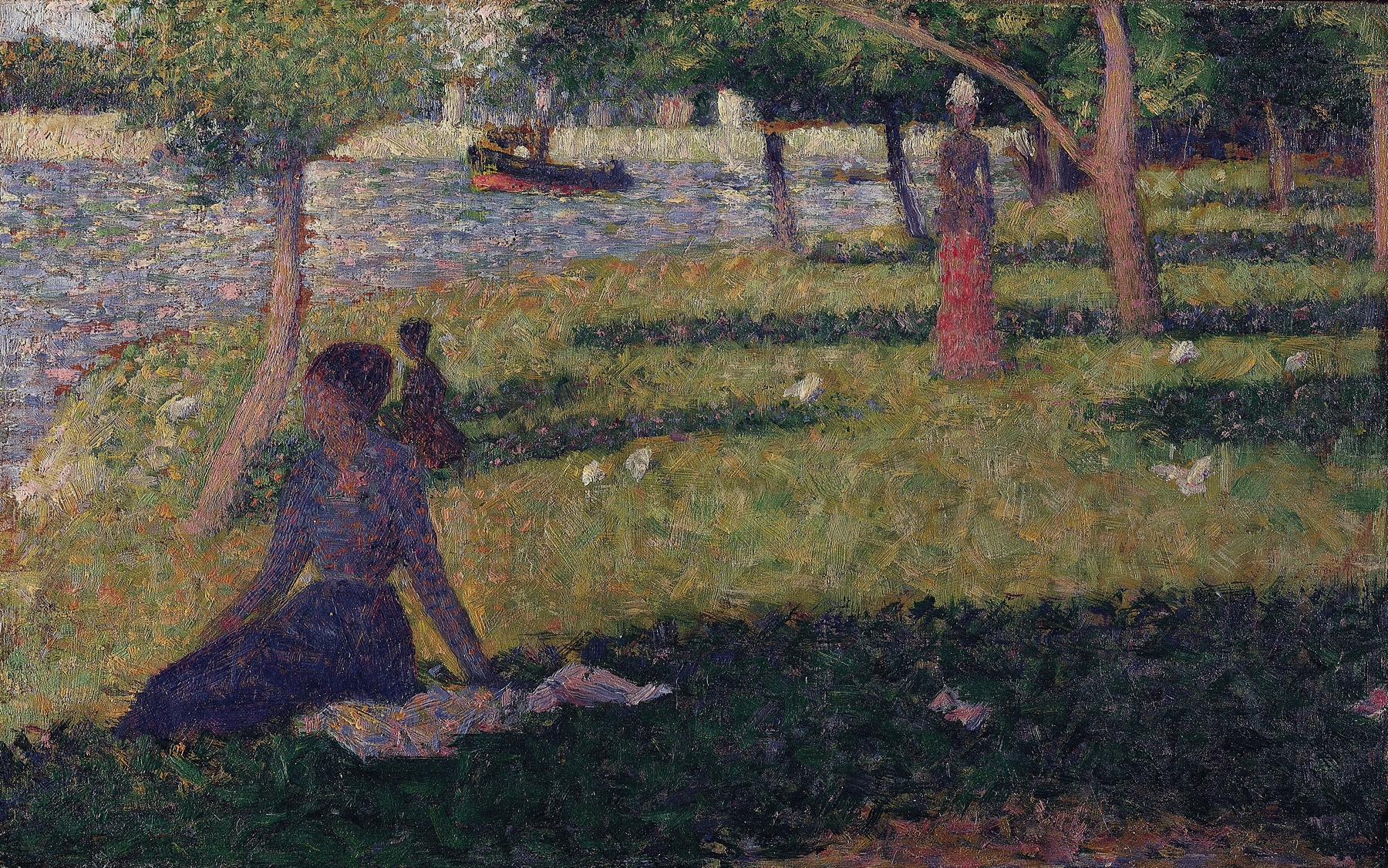
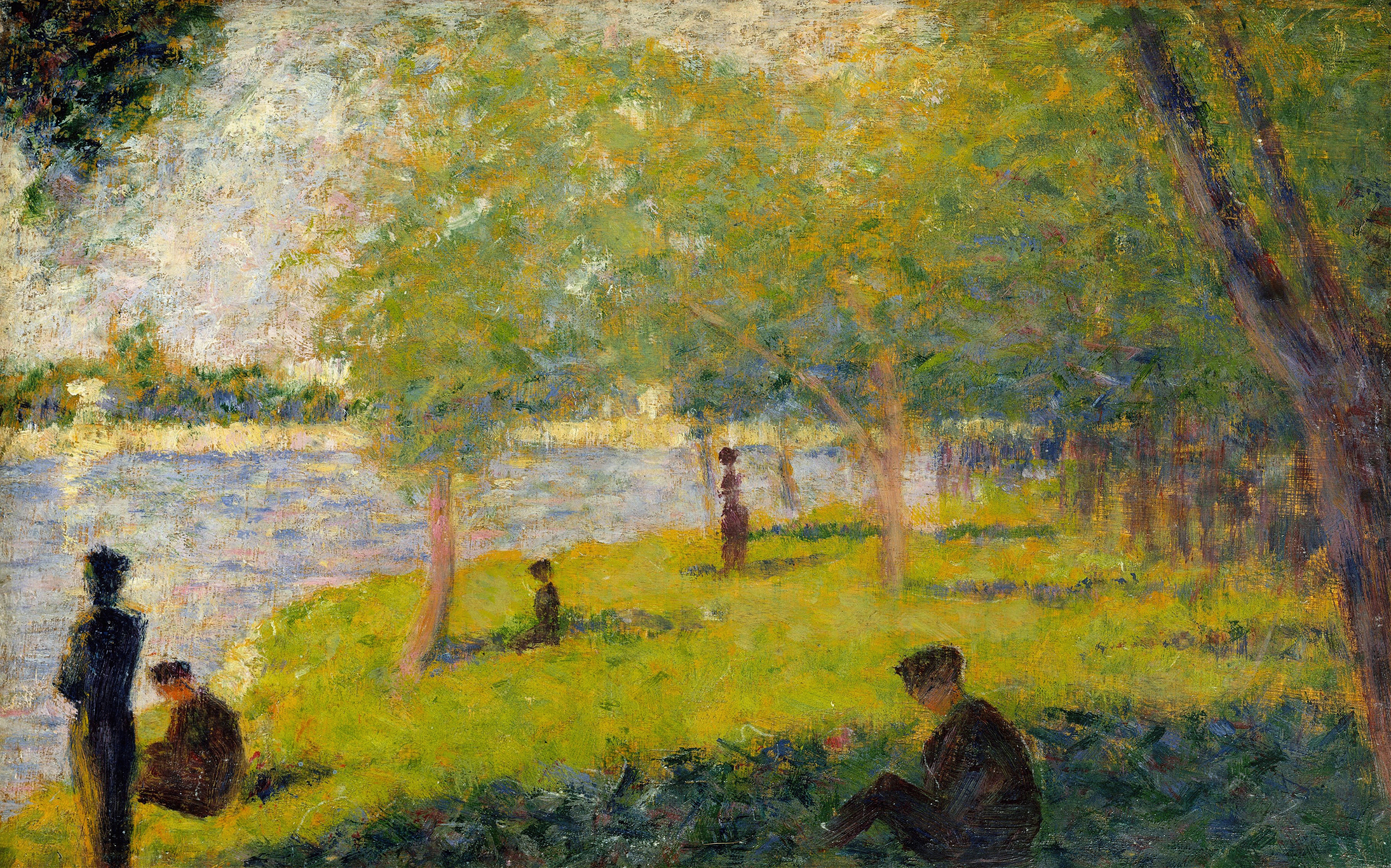
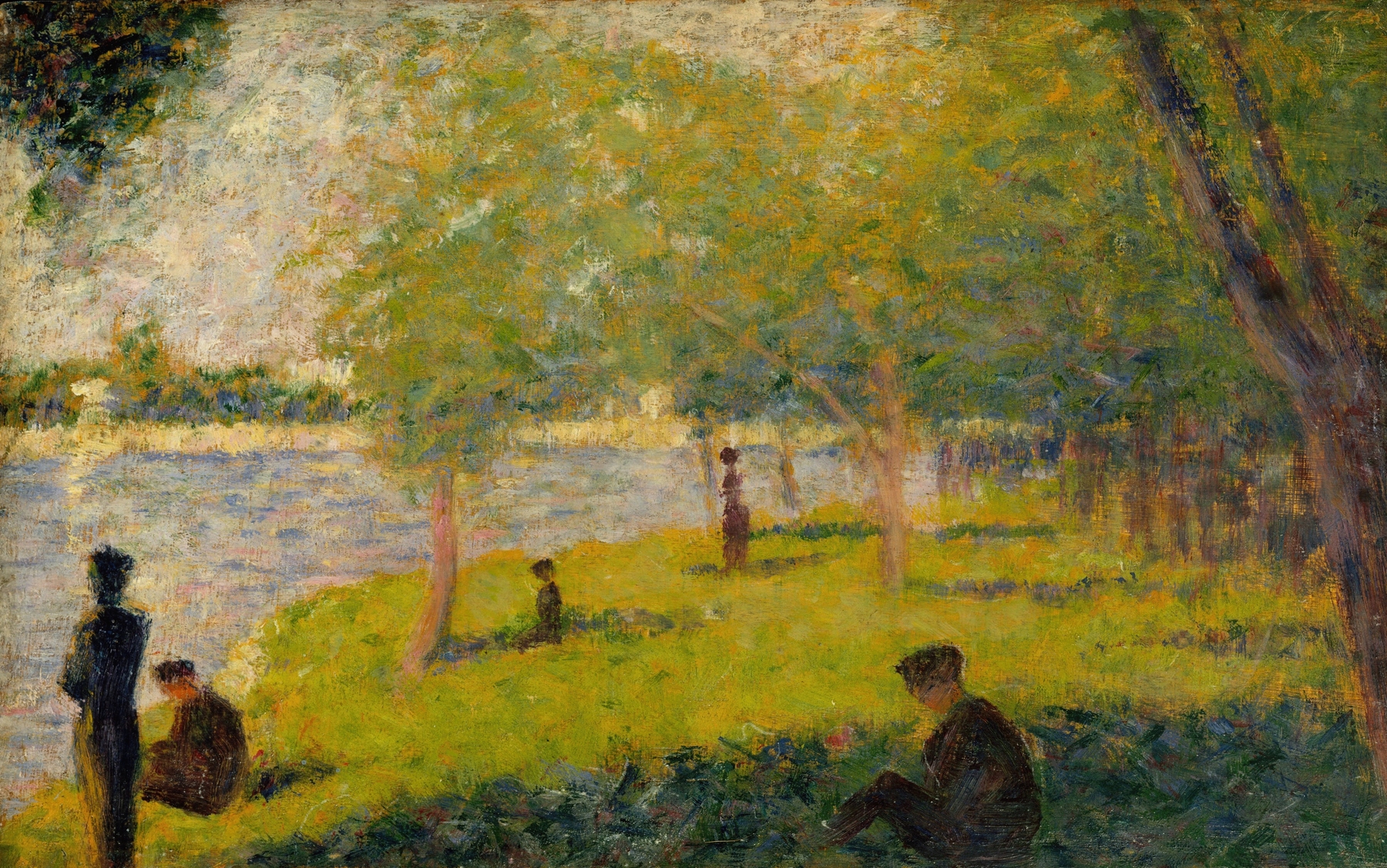
What secret hides in the quiet of the canvas? In Final Study for "Bathers at Asnières," the artist weaves a tale of leisure and contemplation, capturing fleeting moments in a world poised between stillness and action. Look to the left at the cluster of figures, their bodies relaxed yet dynamic, creating a sense of movement that contrasts with the tranquil water lapping gently at the shore. The palette is a delicate interplay of greens and blues, with dashes of sunlight illuminating the brightness of nature and the figures within it.
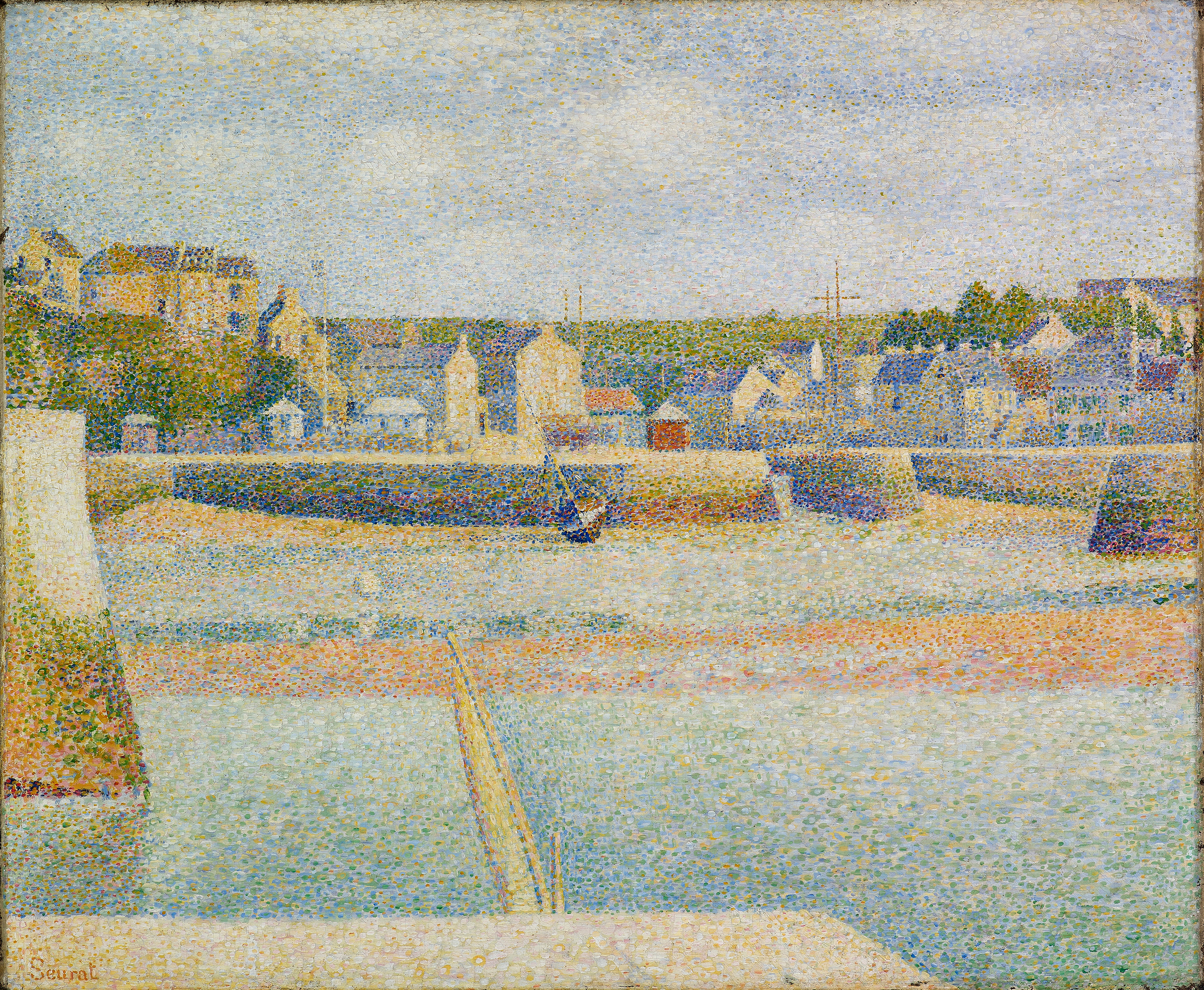
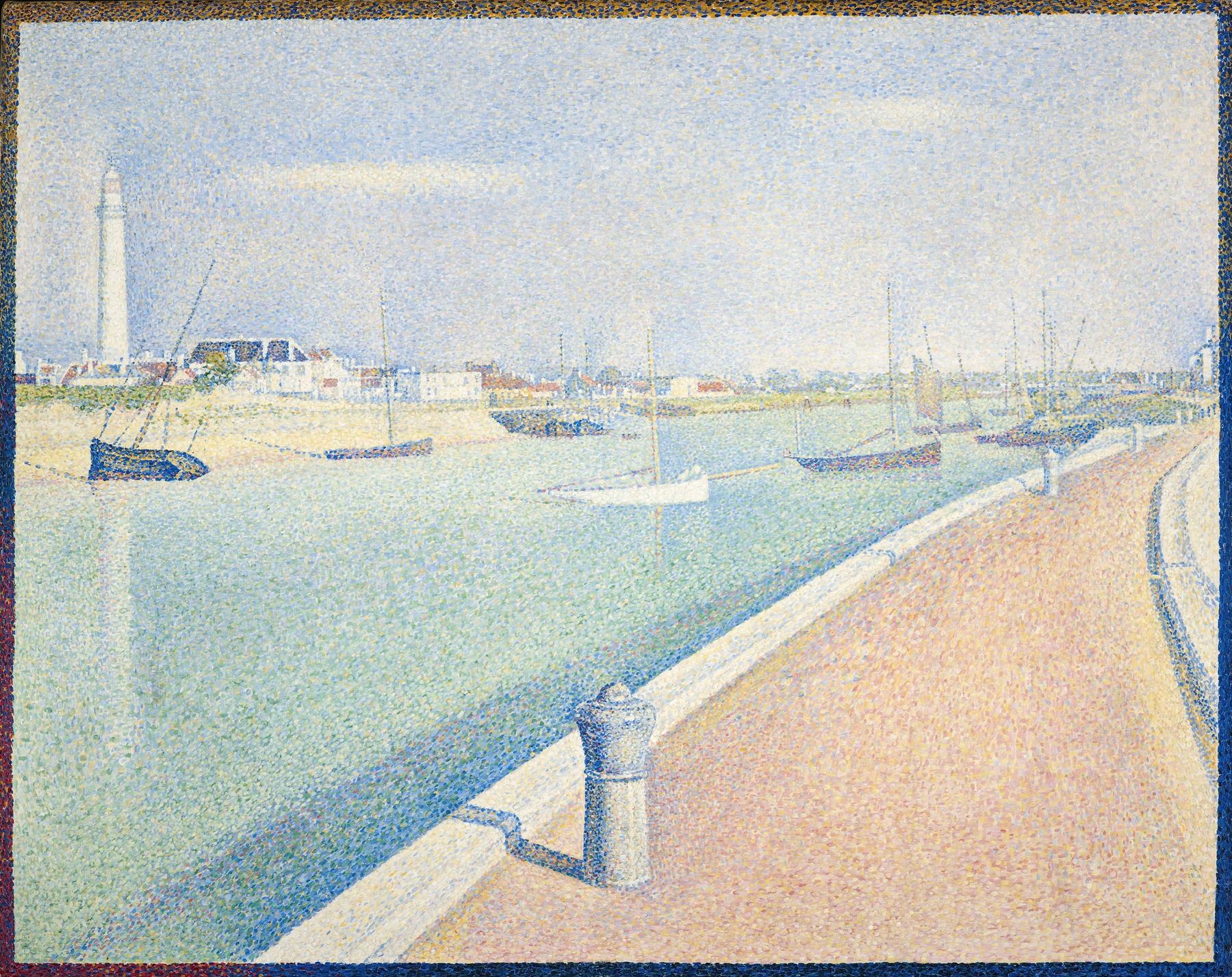
Notice the precision of the brushstrokes, the meticulous dots that hint at the artist's revolutionary technique of Pointillism, inviting the viewer to step closer and engage with the visual rhythm. Beneath this serene surface lies a complex narrative of social class and leisure. The juxtaposition of the unrefined, working-class bathers with the idyllic setting of Asnières reveals a subtle commentary on the changing dynamics of Parisian society during the late 19th century. Furthermore, the contrasting postures—some figures are immersed in the moment, while others appear contemplative—suggest an inner dialogue between joy and introspection, echoing the broader human experience.
Georges Seurat created this study in 1883, just as he began to develop his innovative style that would redefine modern art. Living in Paris, he was influenced by the Impressionist movement while simultaneously striving for a more structured approach. This period was marked by an explosion of new ideas in art, as artists sought to capture the essence of contemporary life. Seurat's work stands as a testament to this transformation, merging scientific color theory with an emotional expression that remains timeless.