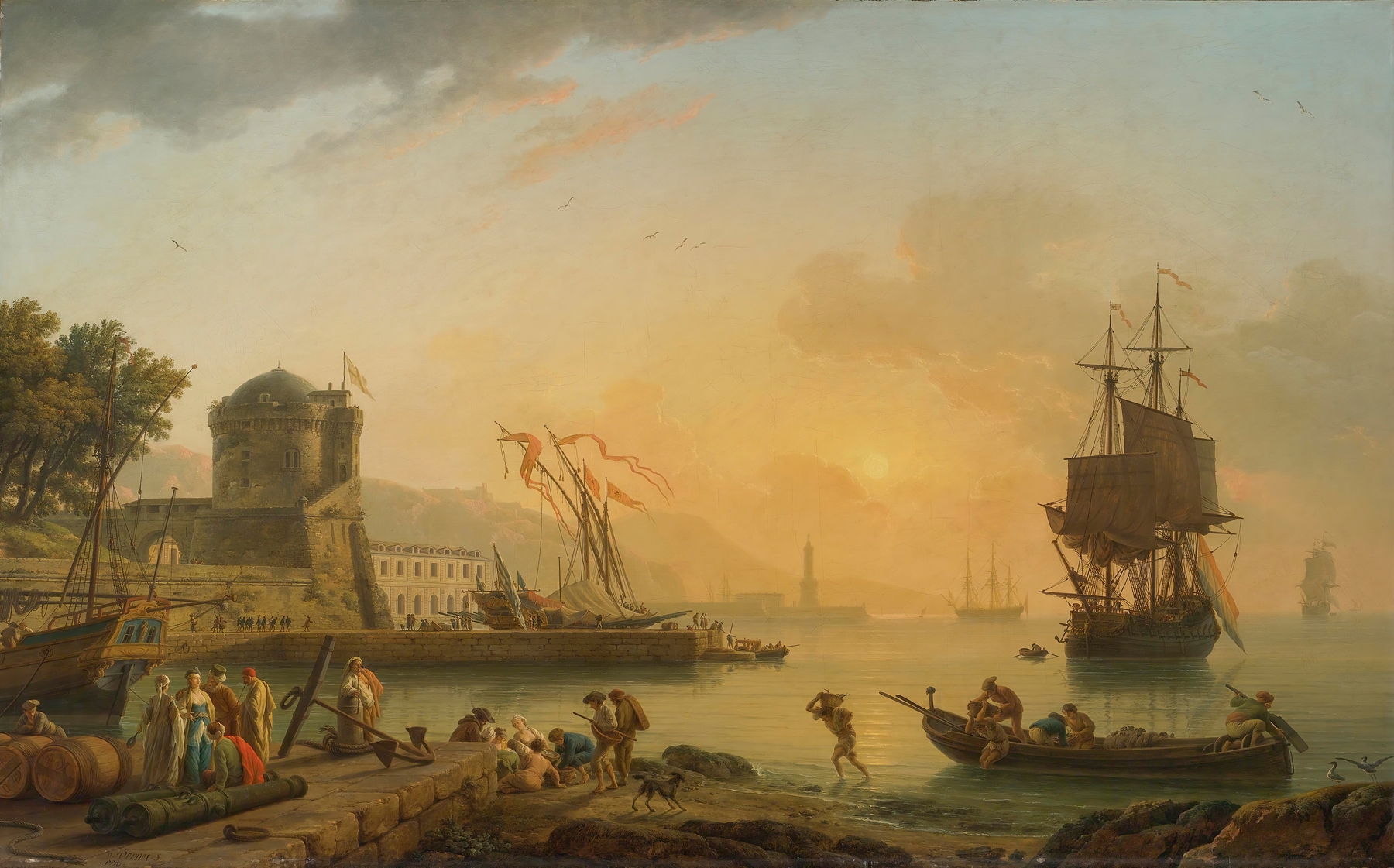
Fishing port at dawn (Morning) — History & Analysis
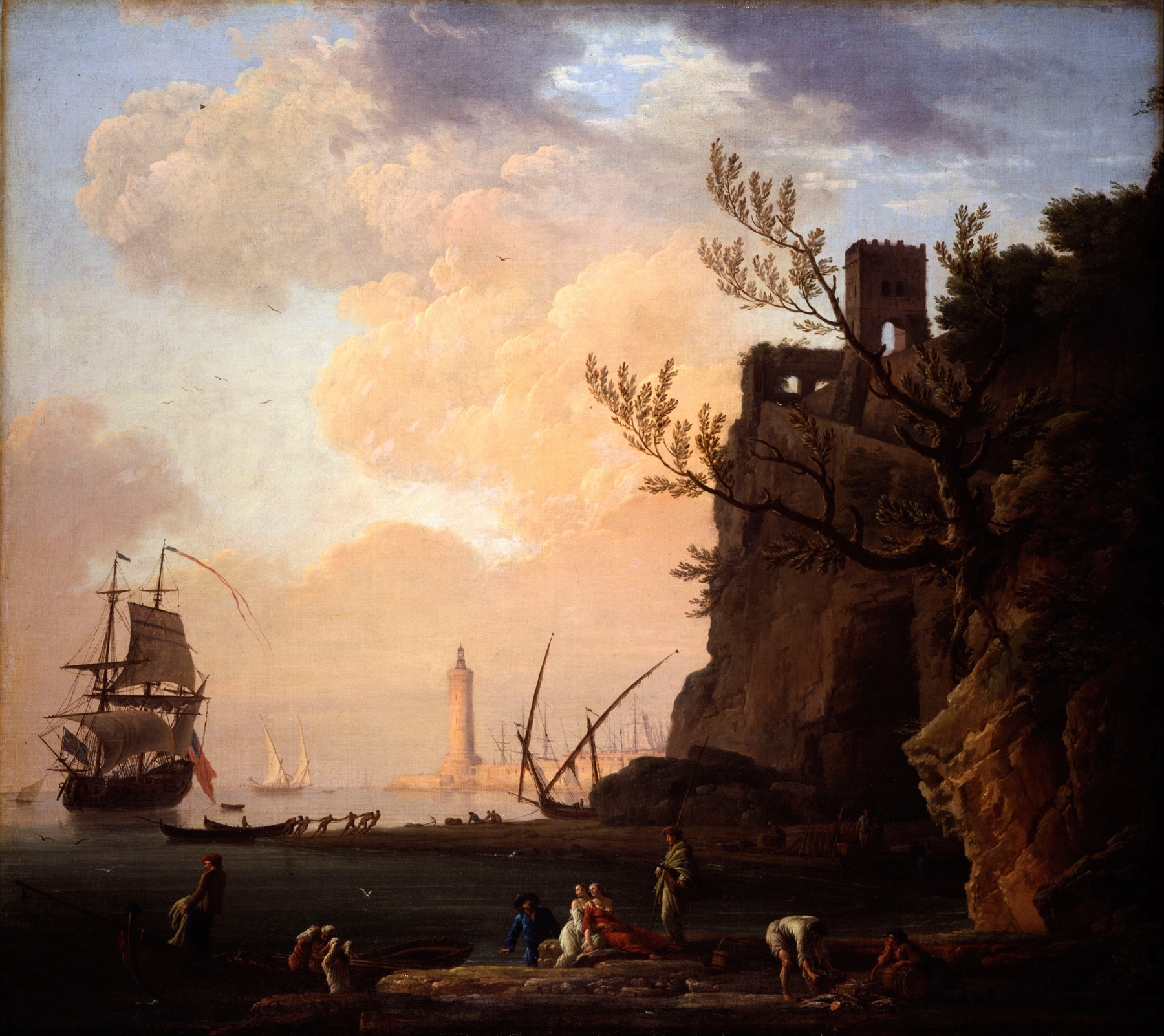
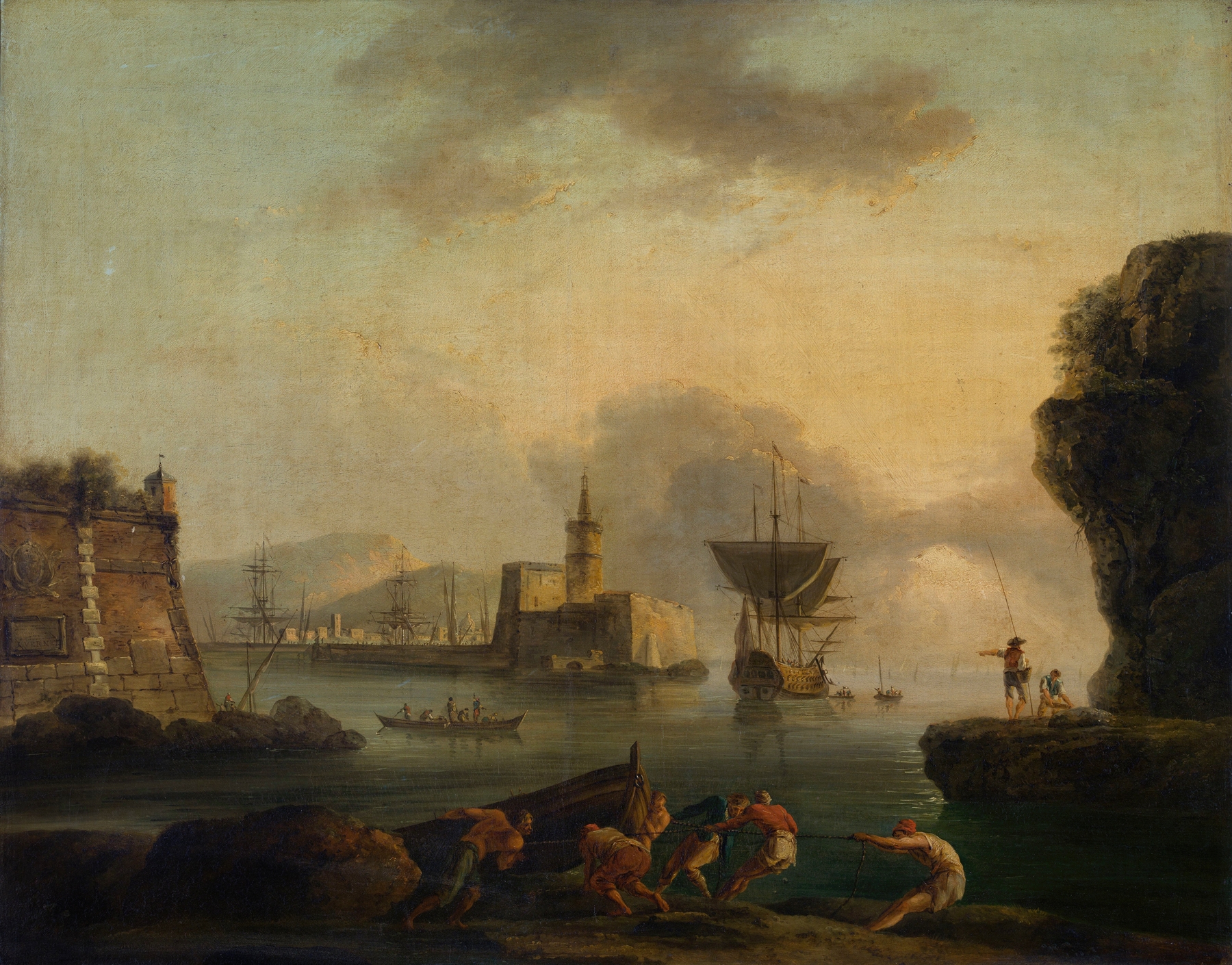
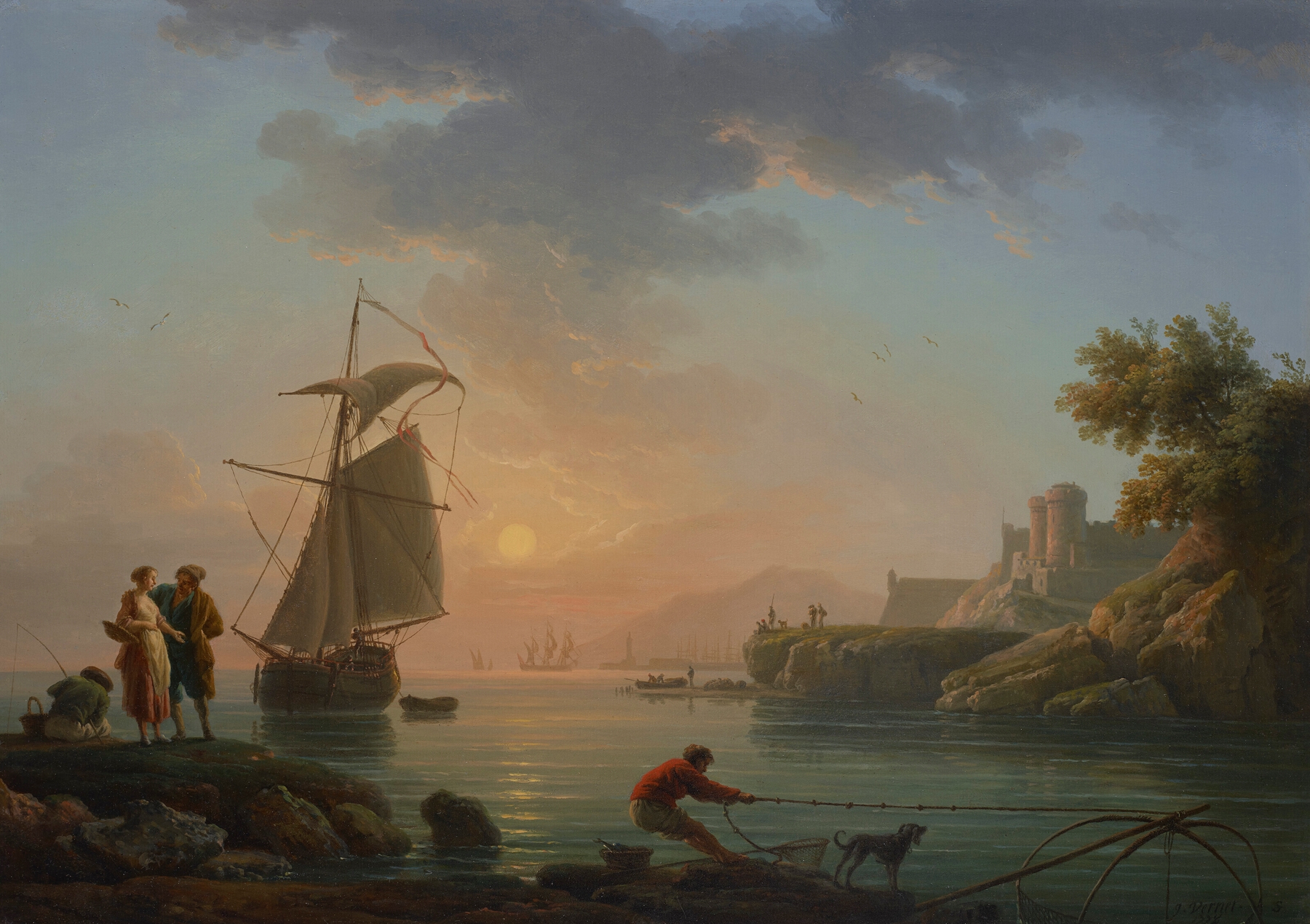
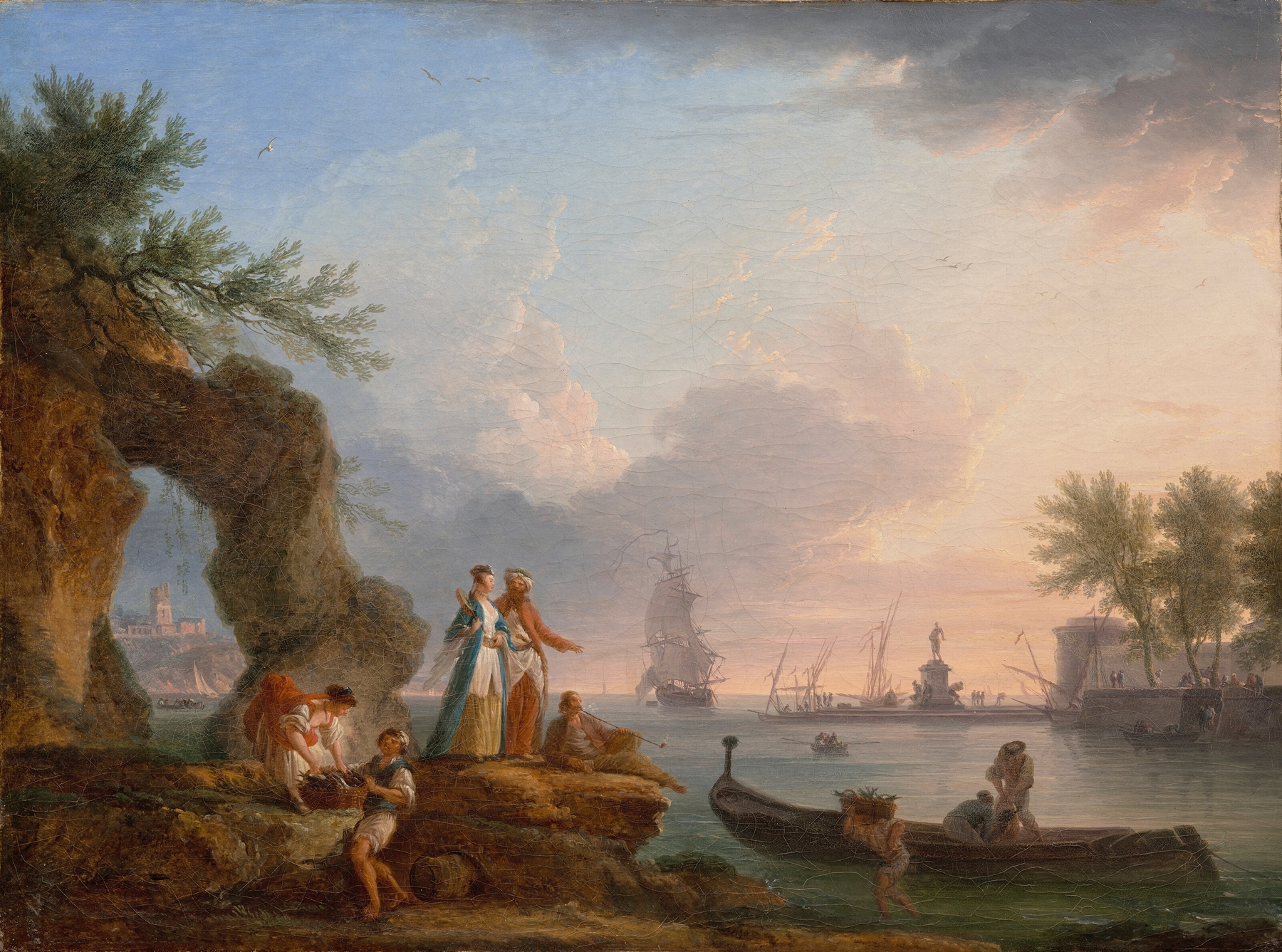
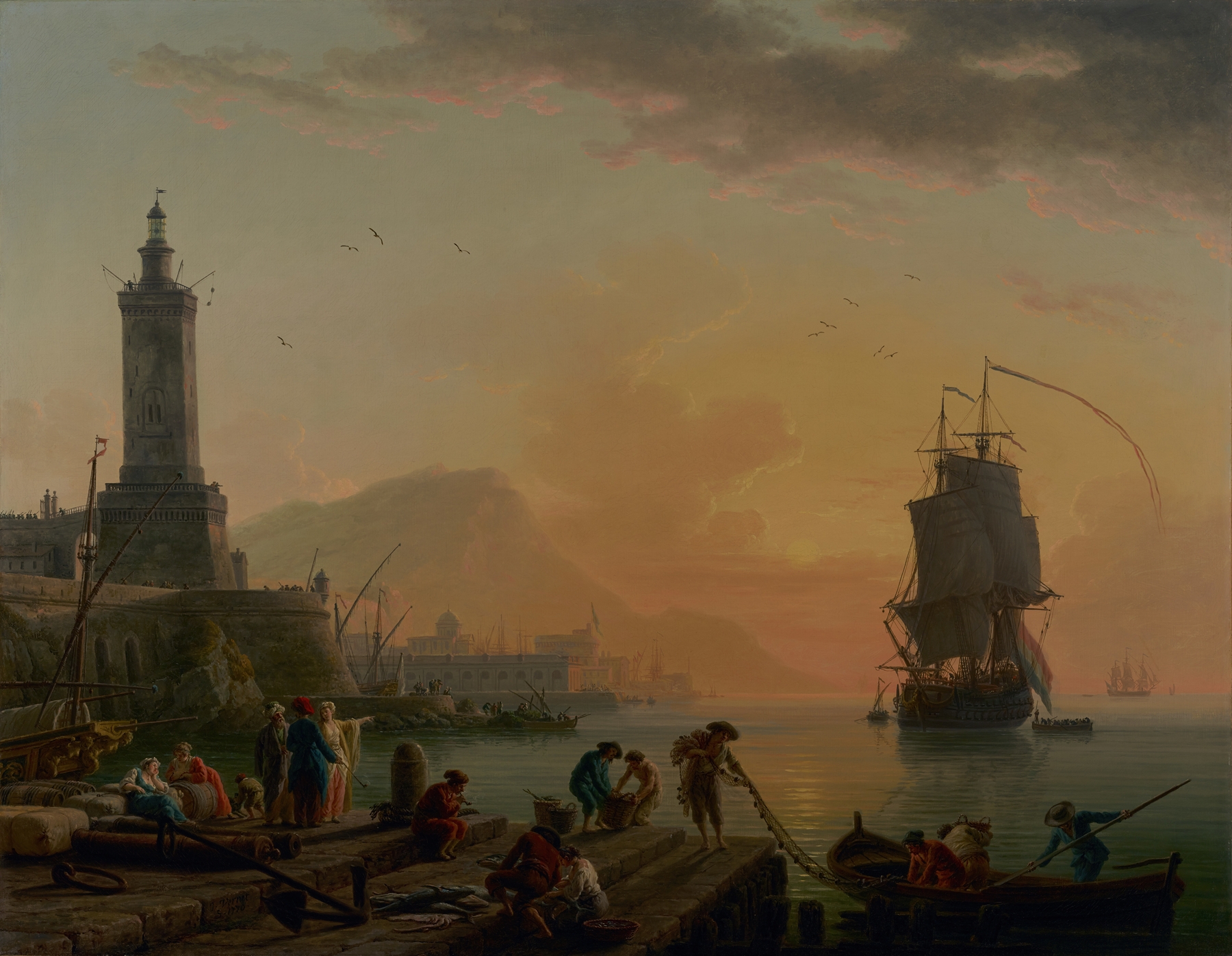
“Every brushstroke is a heartbeat remembered.” In the quiet stillness of dawn, when the world holds its breath, we are invited to witness a fleeting moment where revelation lingers on the horizon. The soft light of morning kisses the water, hinting at the vibrancy of life waiting to unfold, much like the promise of a new day itself. Focus on the lower left corner, where fishermen, silhouetted against the gentle glow, prepare their boats for the day’s labor. Notice how the soft pastels of pink and orange blend seamlessly into the deep blue of the waters, creating a harmonious balance.
The delicate brushwork captures the rippling waves, and the precision in the details, from the boats' worn wood to the fishermen’s determined expressions, draws the eye deeper into this serene yet industrious scene. As the eye wanders, hidden narratives emerge in the contrasts of light and shadow. The interplay between the calm water and the bustling figures speaks to the relationship between nature and humanity—an eternal dance of harmony and struggle.
The anticipation in the air suggests the beginning of countless stories yet to be told, encapsulating both the mundane and the extraordinary in everyday life at the fishing port. Created in 1774, this piece reflects Claude-Joseph Vernet's deep connection to maritime scenes, a genre he mastered during a period marked by a growing interest in realistic depictions of nature. Painting from his studio in Paris, Vernet sought to capture the essence of coastal life, a theme that resonated with both the art world and the socio-economic shifts of the time, as fishing began to emerge as a symbol of resilience amid changing tides.