Forêt de Compiègne — History & Analysis
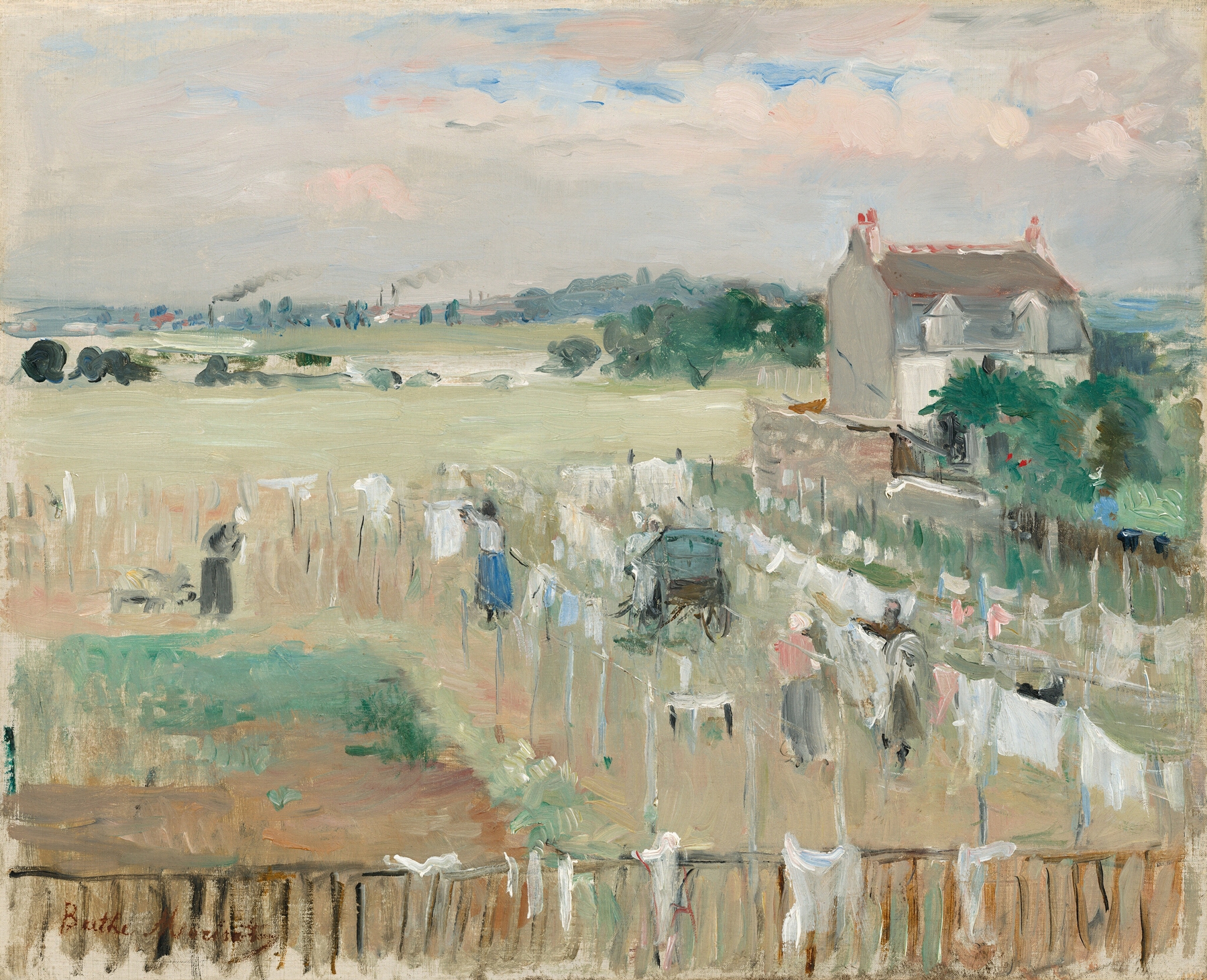
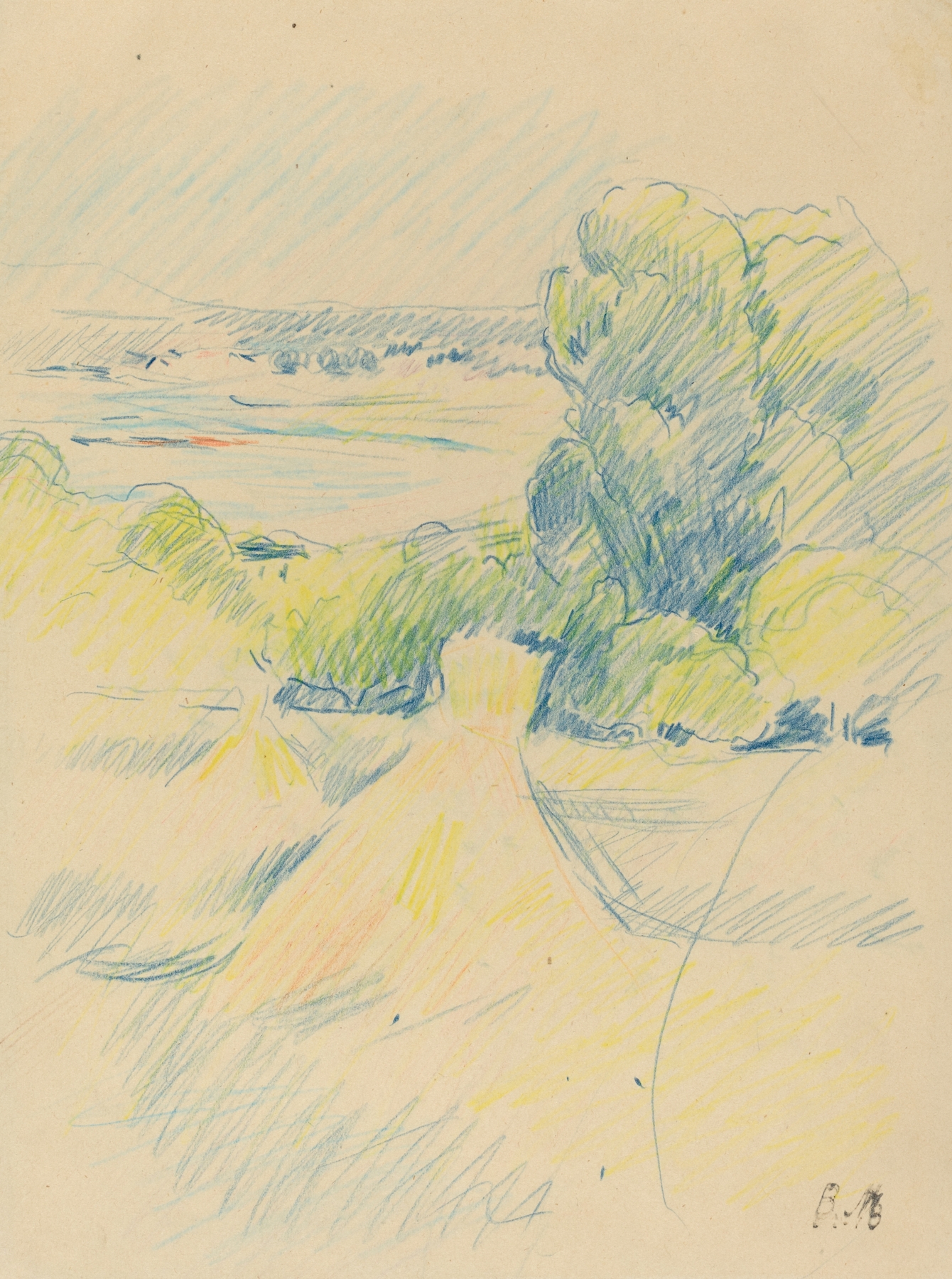
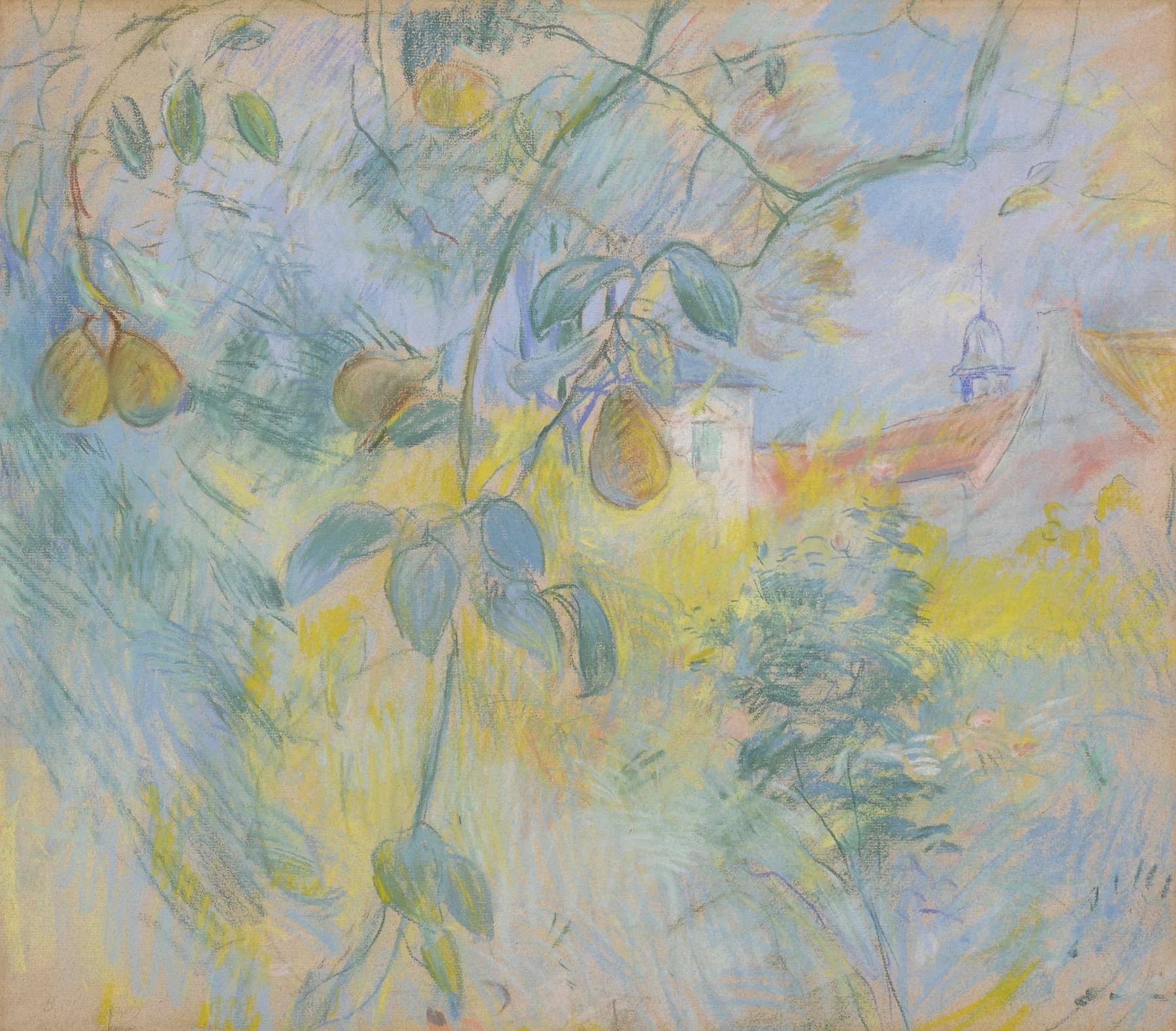
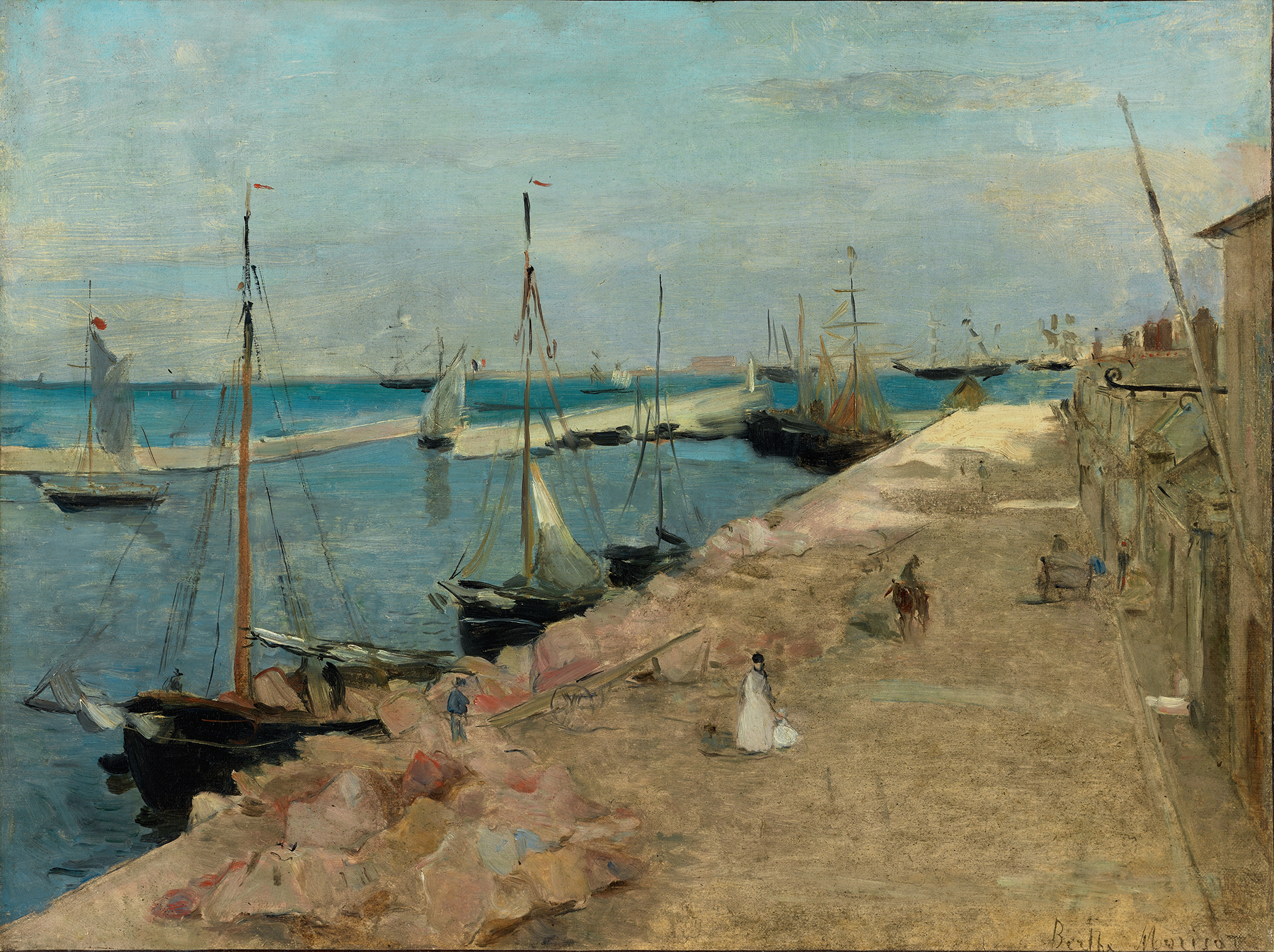
Can beauty exist without sorrow? In Forêt de Compiègne, the answer unfurls amid the verdant depths of nature, where tranquility dances on the edge of melancholy. Look to the upper left at the delicate play of light filtering through the foliage, casting dappled patterns on the ground. The gentle strokes of Morisot's brush create a sense of movement, as if the trees themselves are whispering secrets.
Focus on the soft greens and muted browns that evoke an atmosphere both inviting and contemplative, drawing the viewer deeper into the serene embrace of the forest. Yet, among the lush surroundings lies a quiet tension. The trees, standing tall and steadfast, contrast with the ephemeral nature of the sunlight, hinting at transience and the passage of time. Meanwhile, the absence of human figures prompts reflection on solitude—spacious yet intimate, this forest invites contemplation of one's place within nature.
The juxtaposition of vitality and stillness speaks volumes; within this beauty lies the understanding that moments of peace are often tinged with an awareness of loss. In 1885, while living in Paris, Morisot created this work amid a burgeoning Impressionist movement, where nature and light became central themes. The artist, often overshadowed in a male-dominated field, found her voice in soft colors and intimate landscapes. As she painted, the world around her was evolving, yet she remained steadfast in her exploration of personal and emotional narratives, capturing fleeting moments that resonate with the heart.