Fowey, Cornwall — History & Analysis
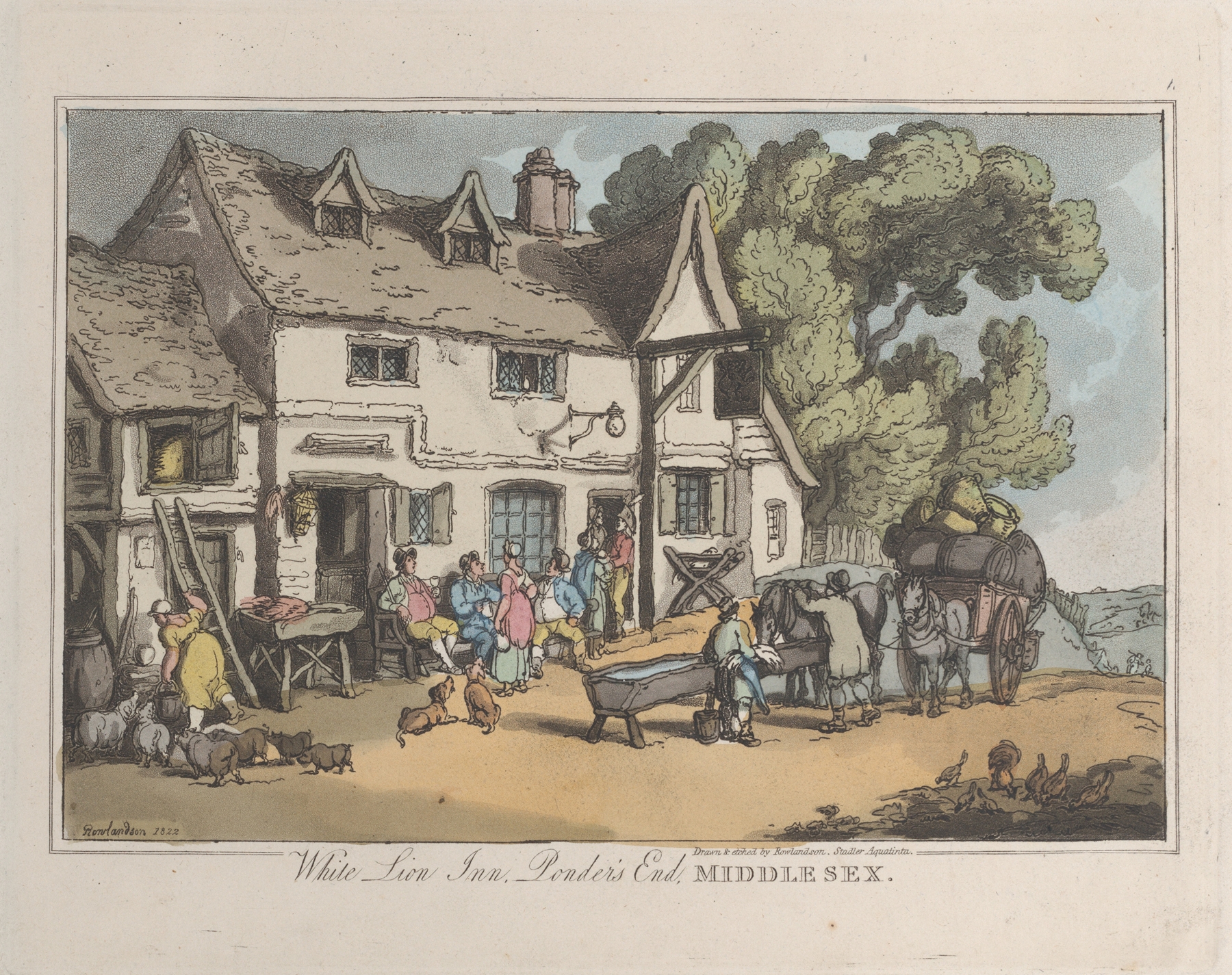
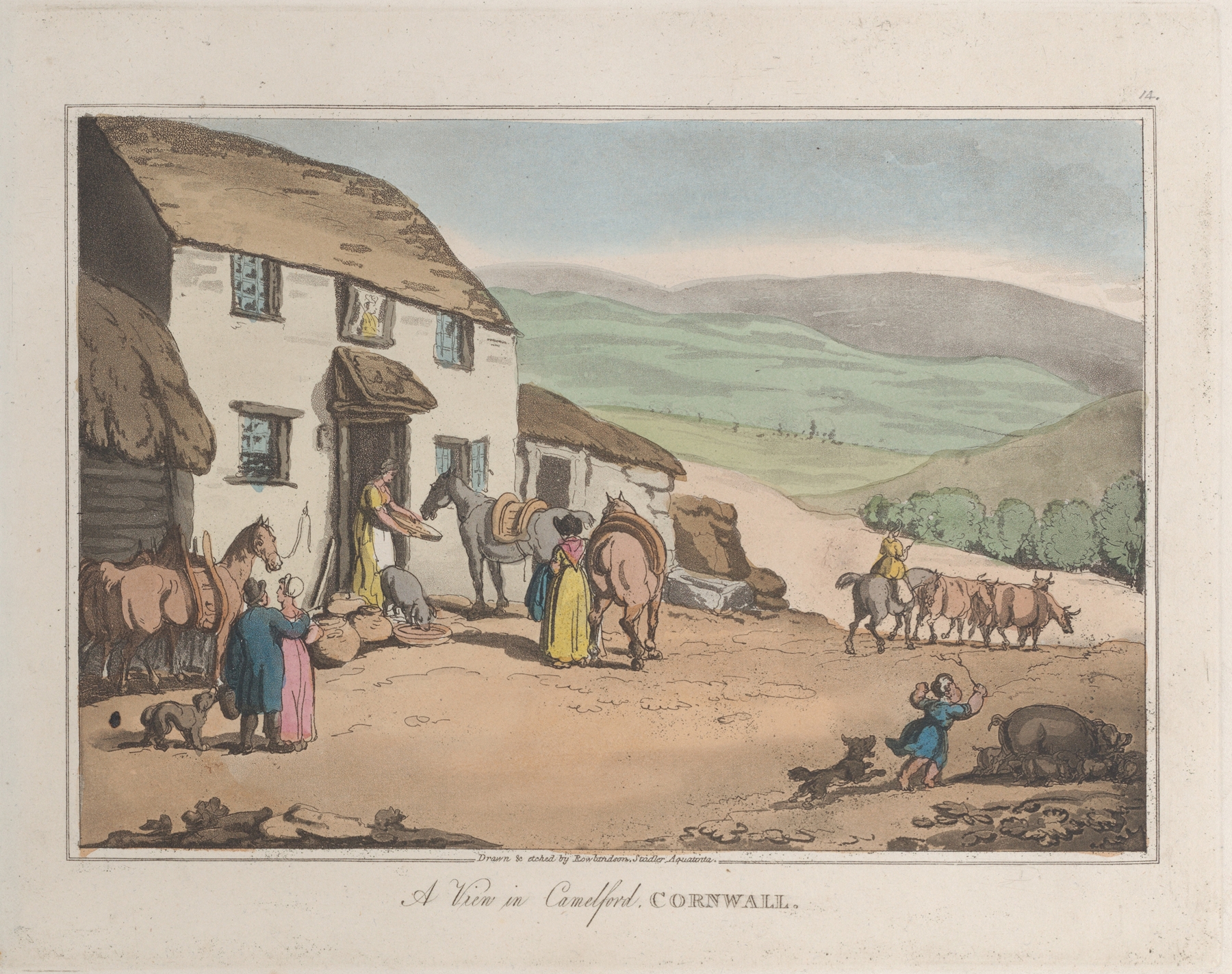
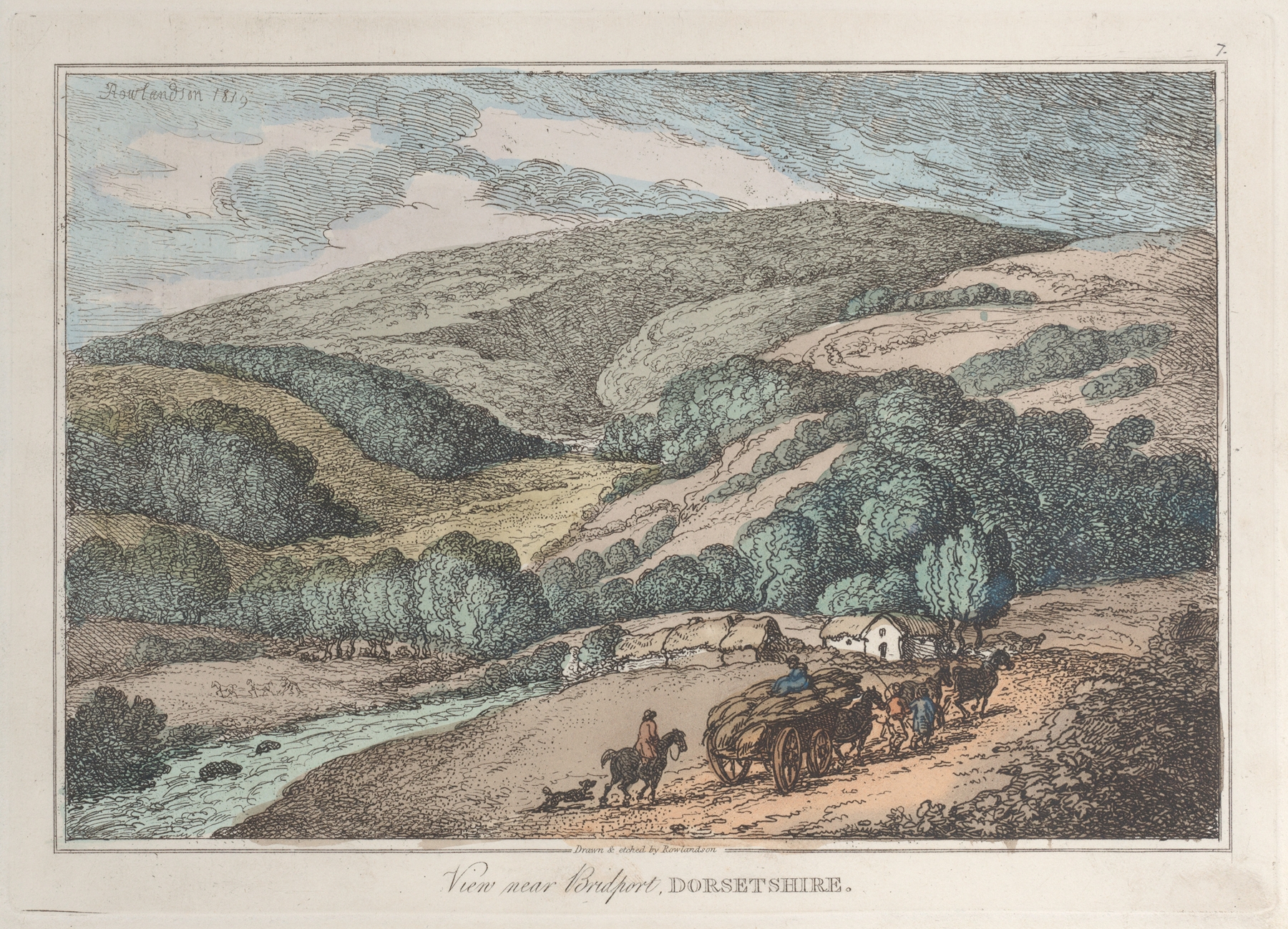
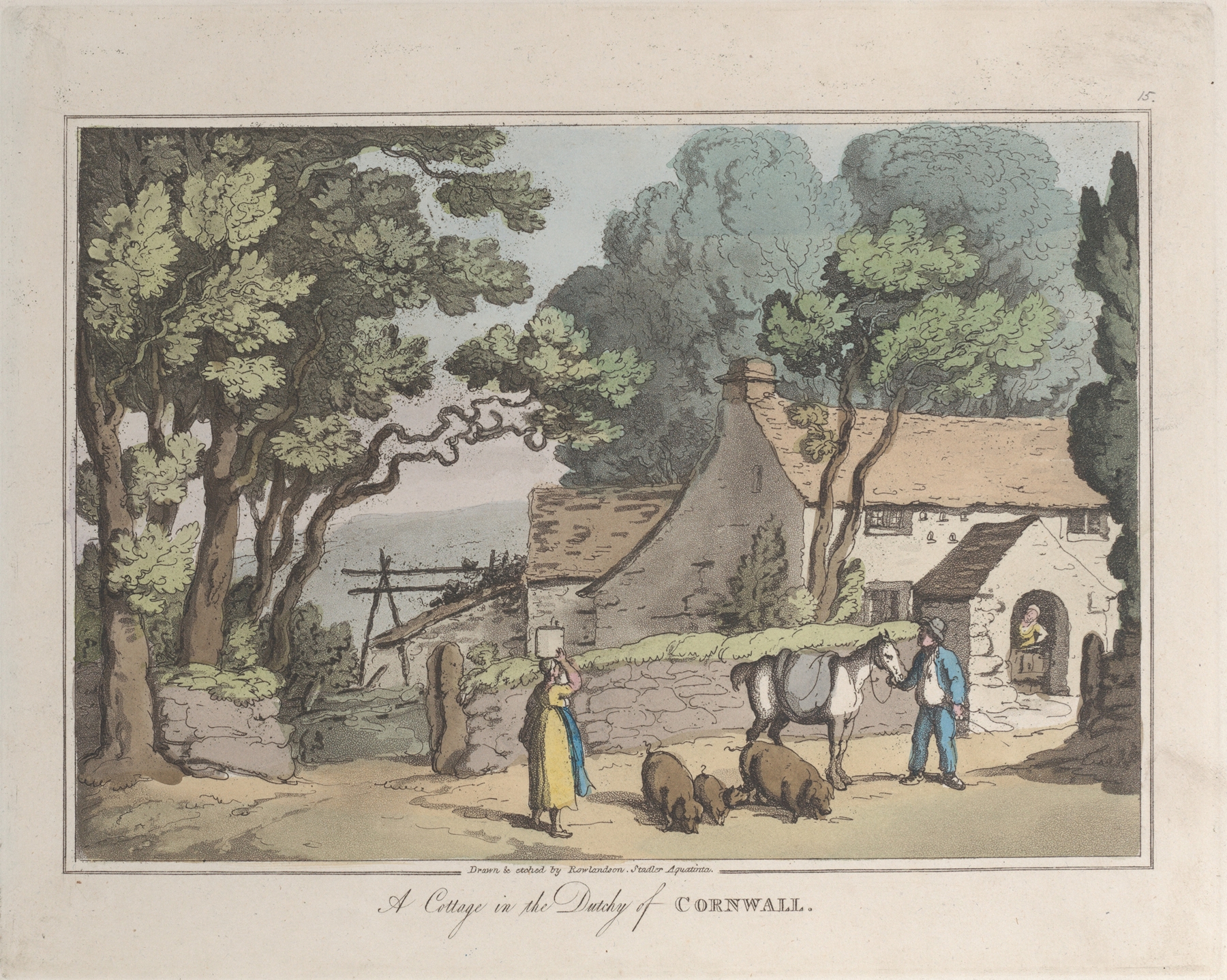
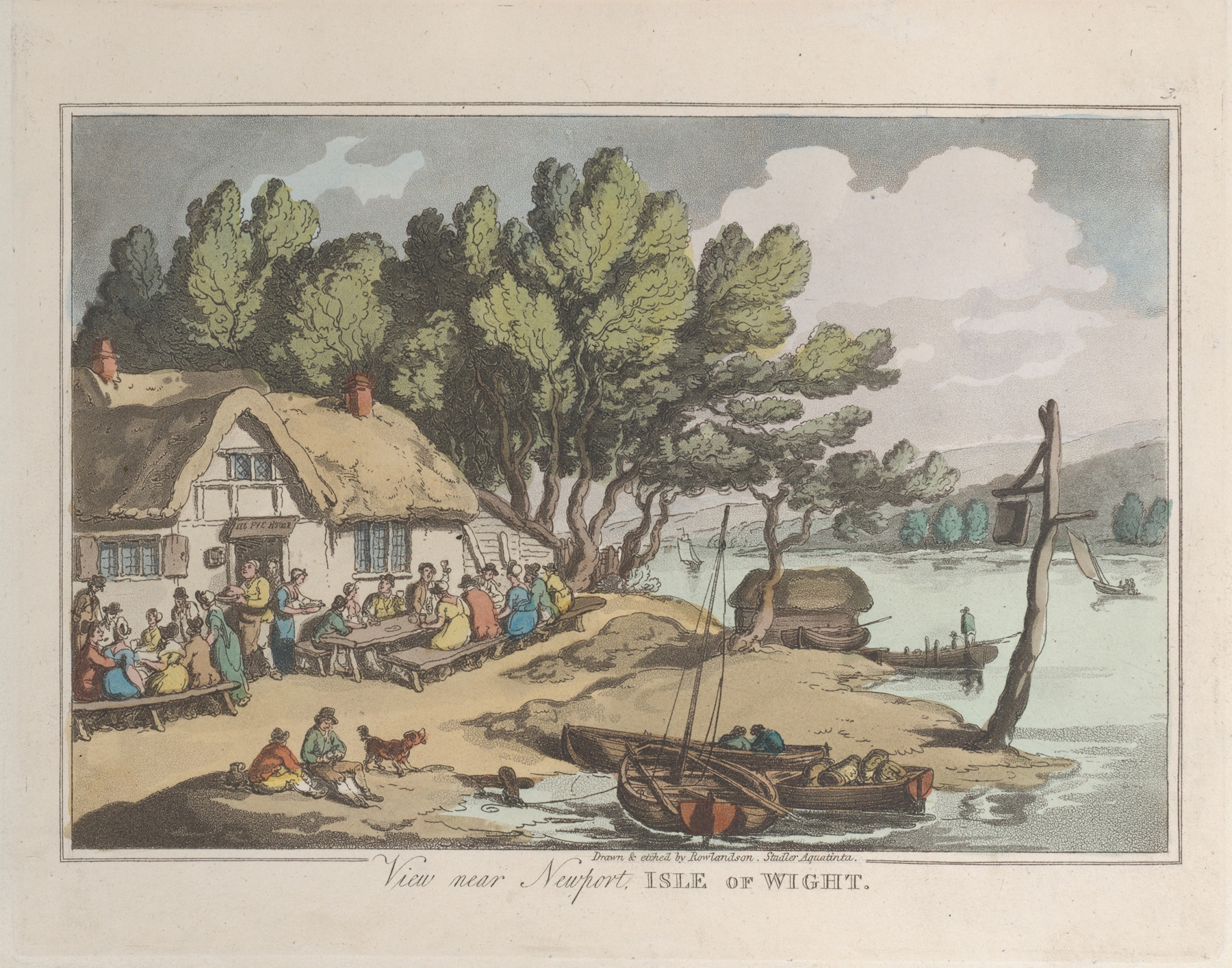
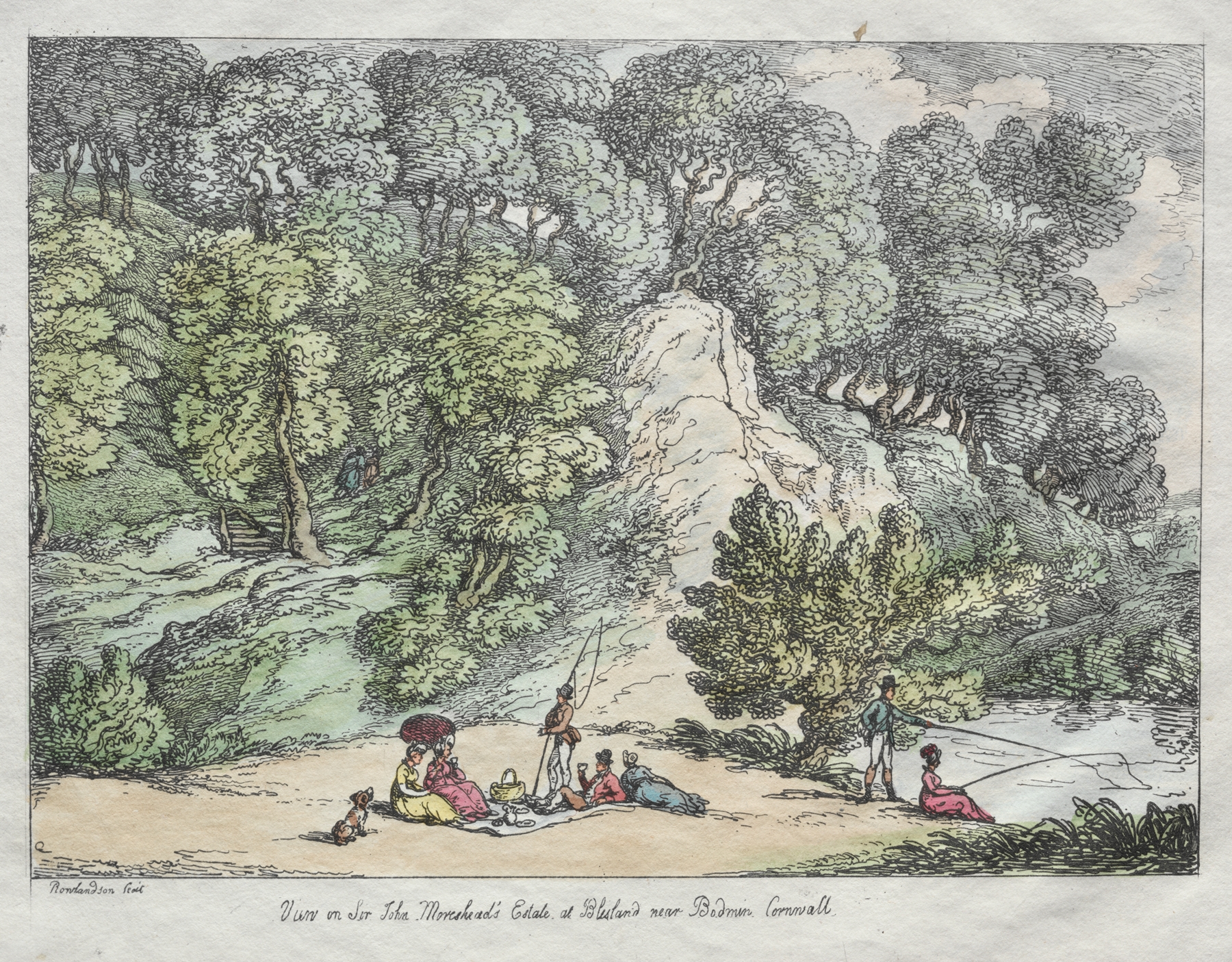
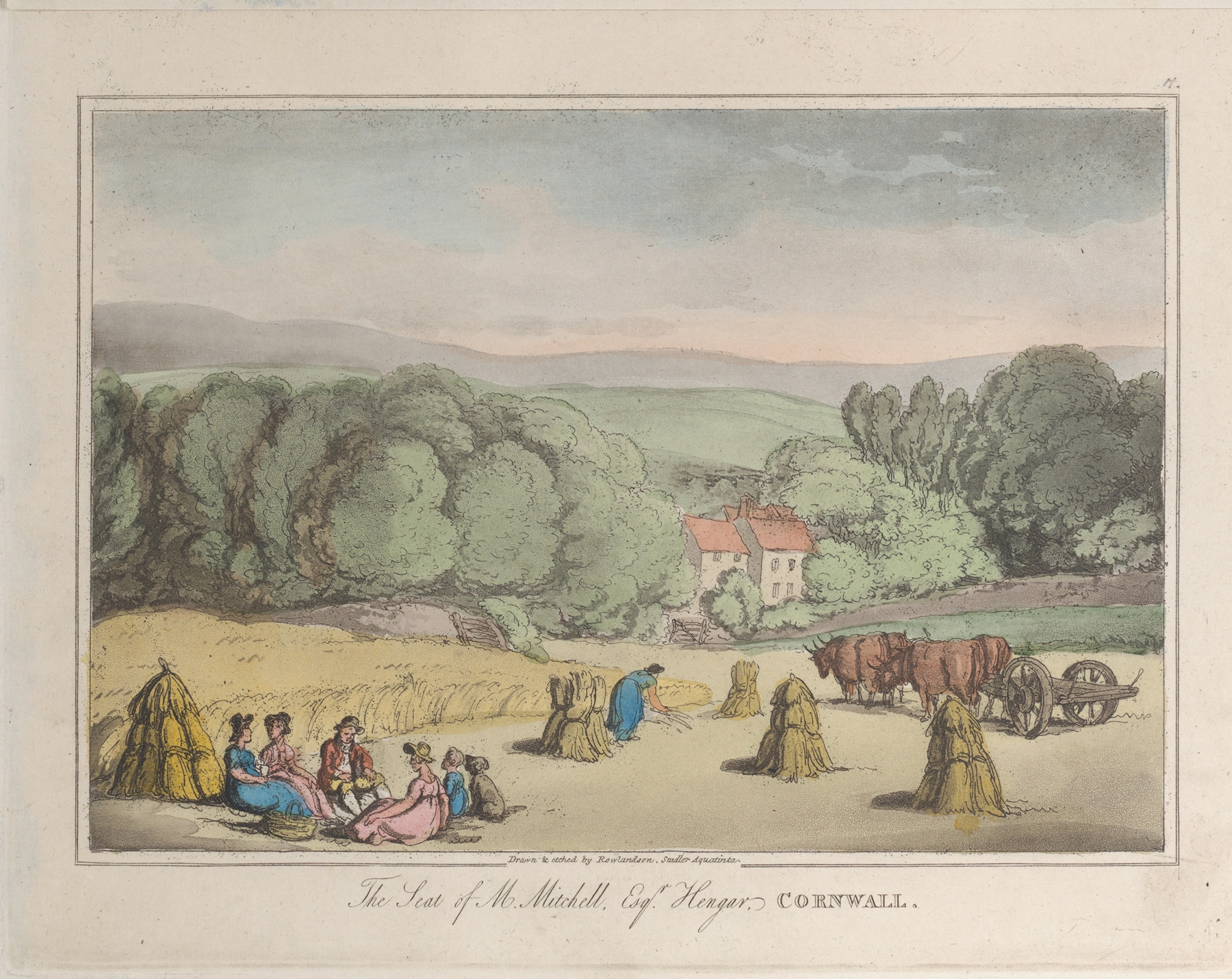
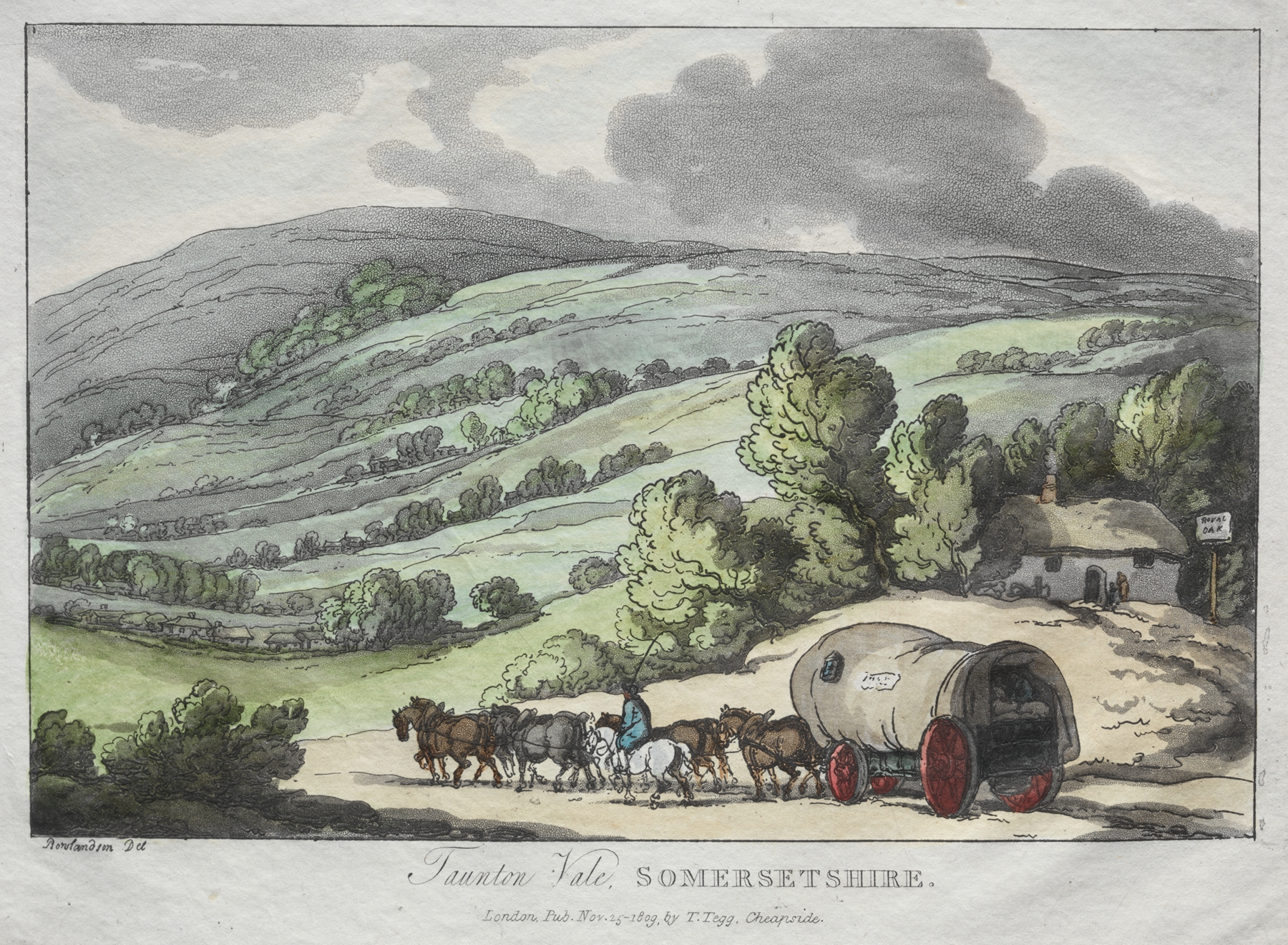
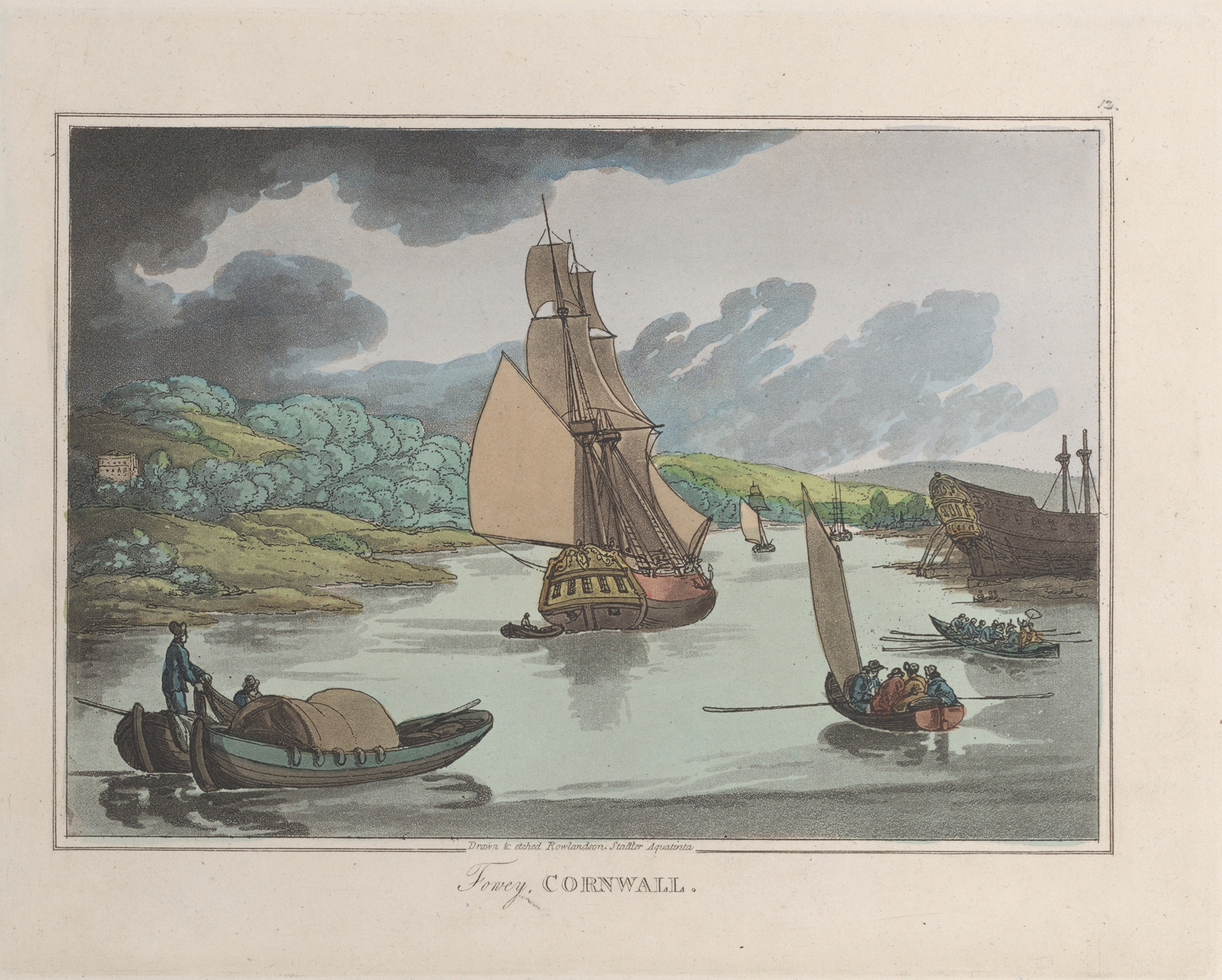
Can paint confess what words never could? In Fowey, Cornwall, the swirling colors encase a narrative steeped in both beauty and a hint of madness, capturing a place where the mundane and the extraordinary collide. Focus on the vibrant hues of blue and green that dominate the composition, merging sky and sea into a seamless canvas. Look closely at the bustling harbor, where gaily colored boats bob against the tumultuous tide.
The sketchy, energetic lines evoke movement, guiding your gaze through the lively scene, while the scattered figures, cloaked in the artist's distinctive caricature style, add an air of spontaneity and whimsy. Yet, beneath the surface charm lies a deeper story of vulnerability. The juxtaposition of the serene natural landscape with the animated human activity speaks to the fragility of peace amid chaos. The boats, swaying precariously, can be seen as a reflection of the human spirit teetering between serenity and turmoil.
Each figure, drawn with an exaggerated grace, hints at the madness that lingers just out of sight, suggesting an irony in their carefree demeanor. In 1822, Thomas Rowlandson was living in a rapidly changing England, where the Industrial Revolution was reshaping lives and landscapes. His work often grappled with themes of societal shifts and personal struggle, and this painting embodies that tension. With a sharp eye for detail and humor, Rowlandson captured not only the picturesque locale of Fowey but also the madness that often accompanies the pursuit of happiness in a world fraught with uncertainty.