Franconia Notch, New Hampshire — History & Analysis
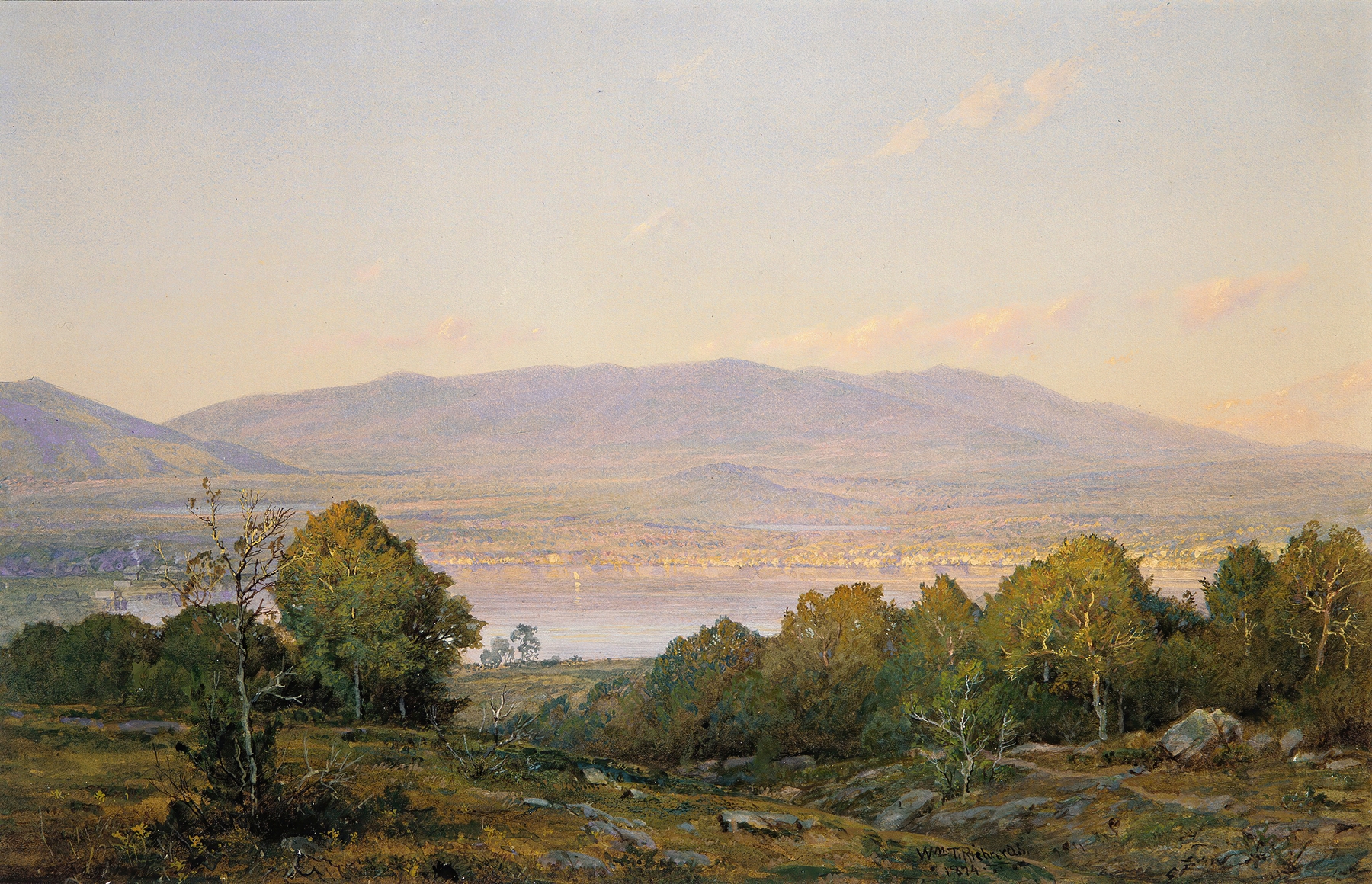
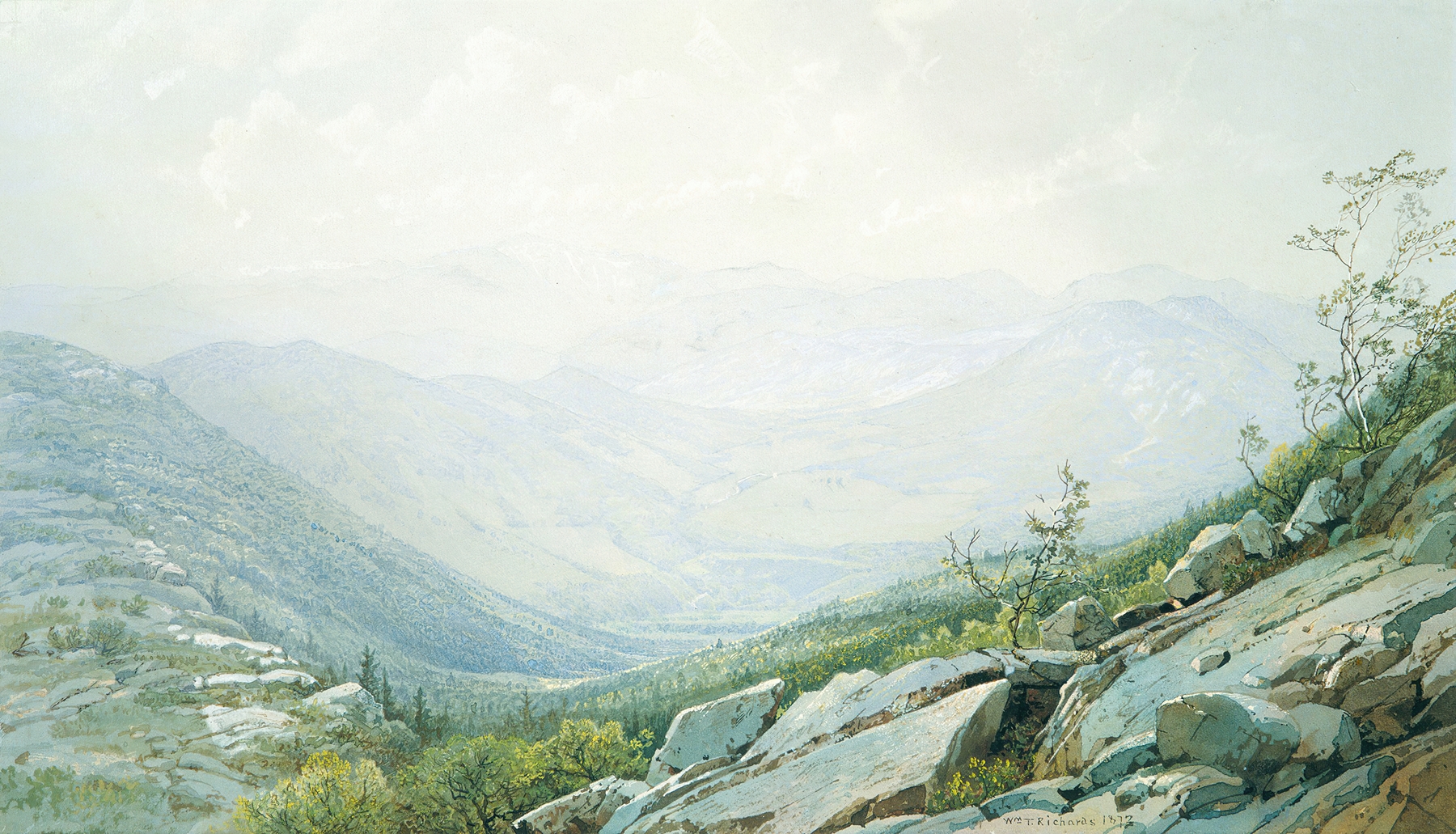
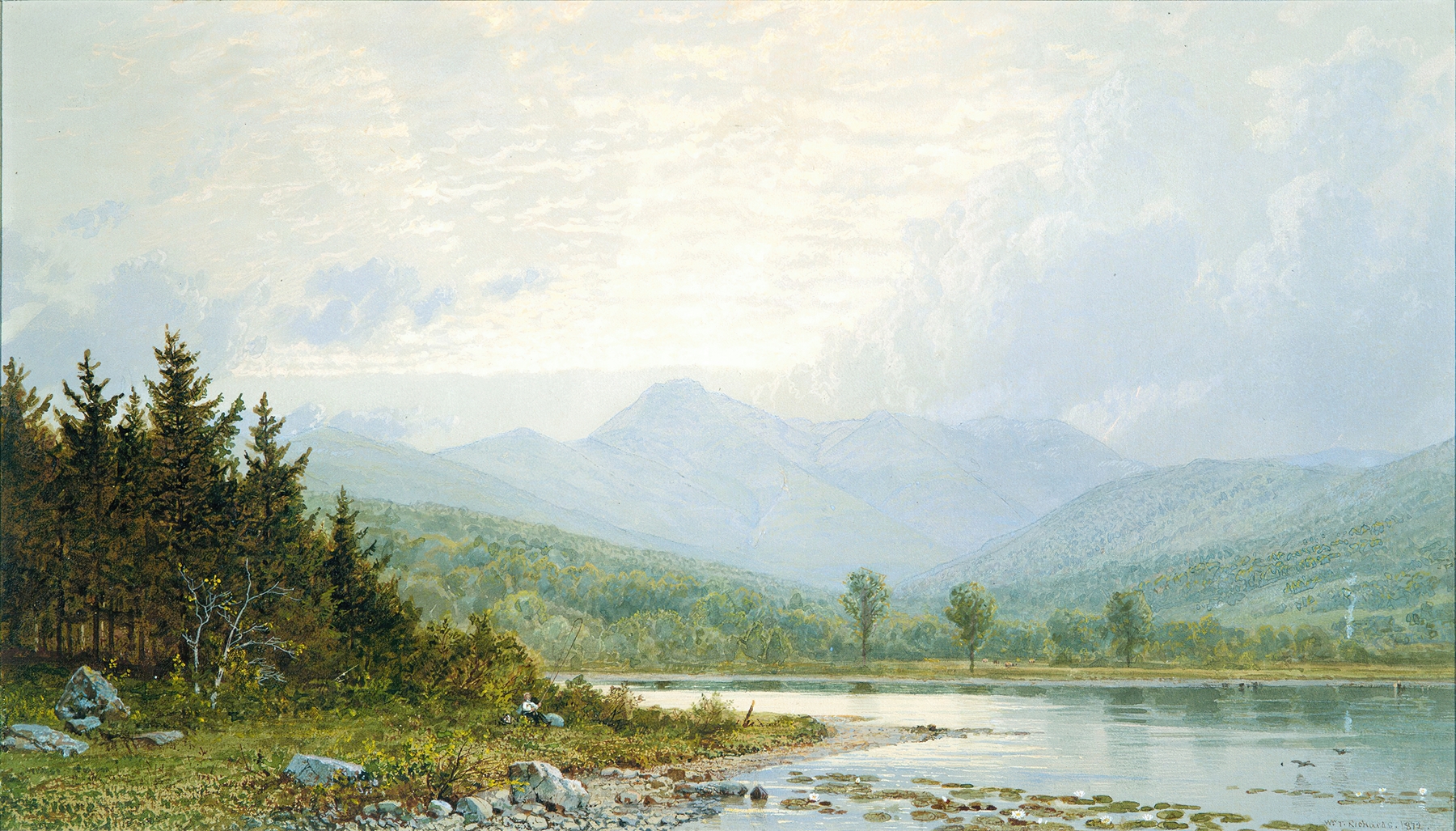
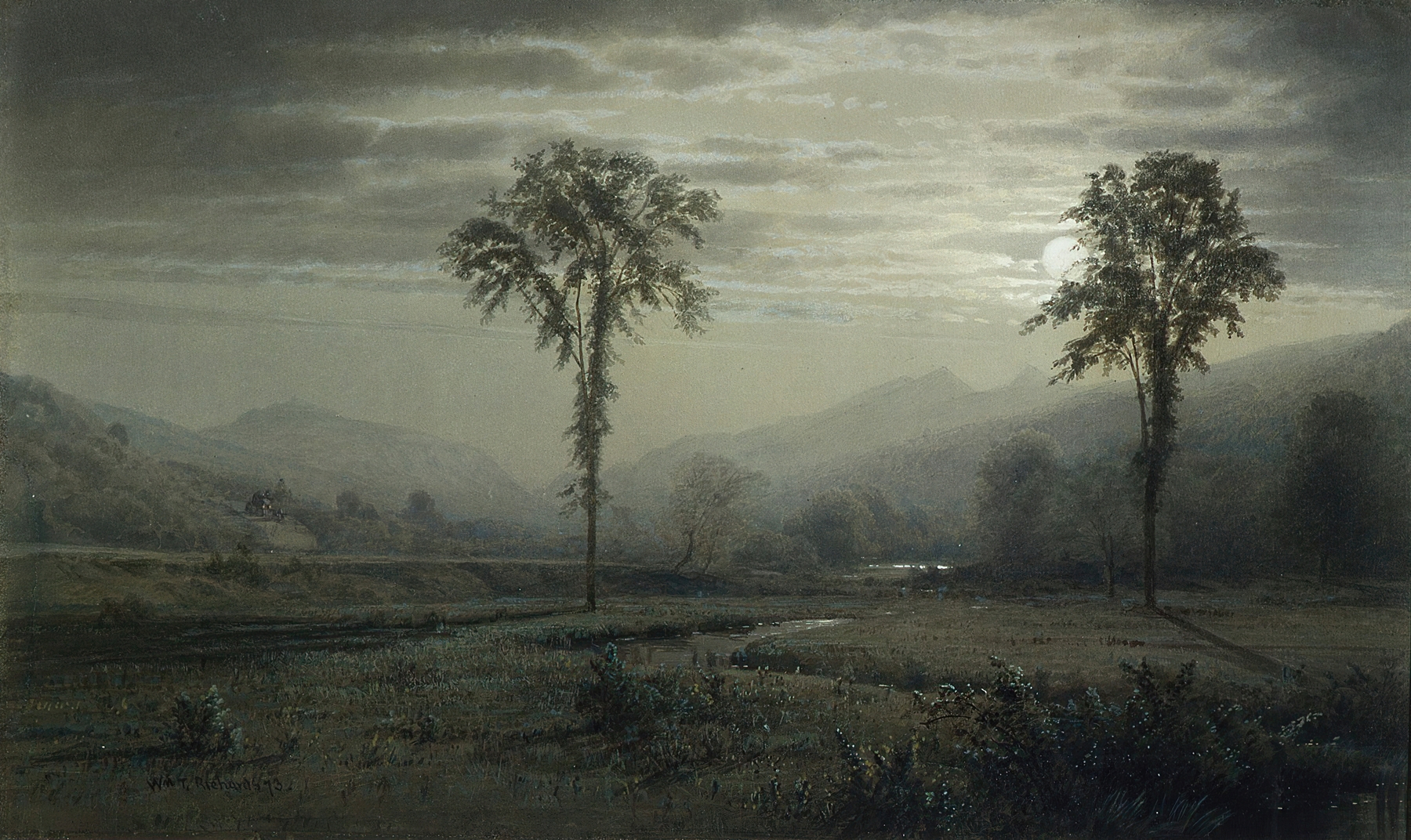
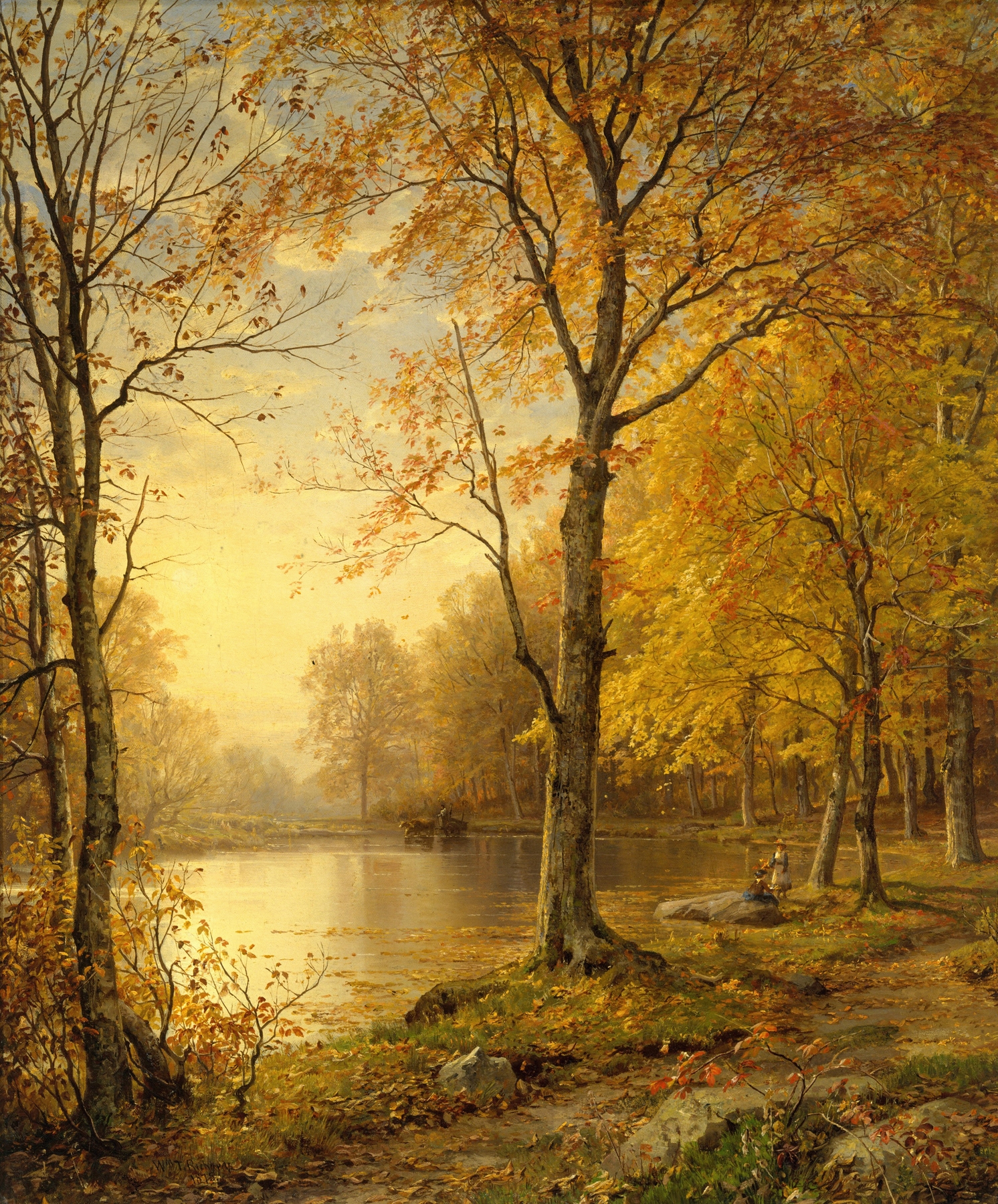
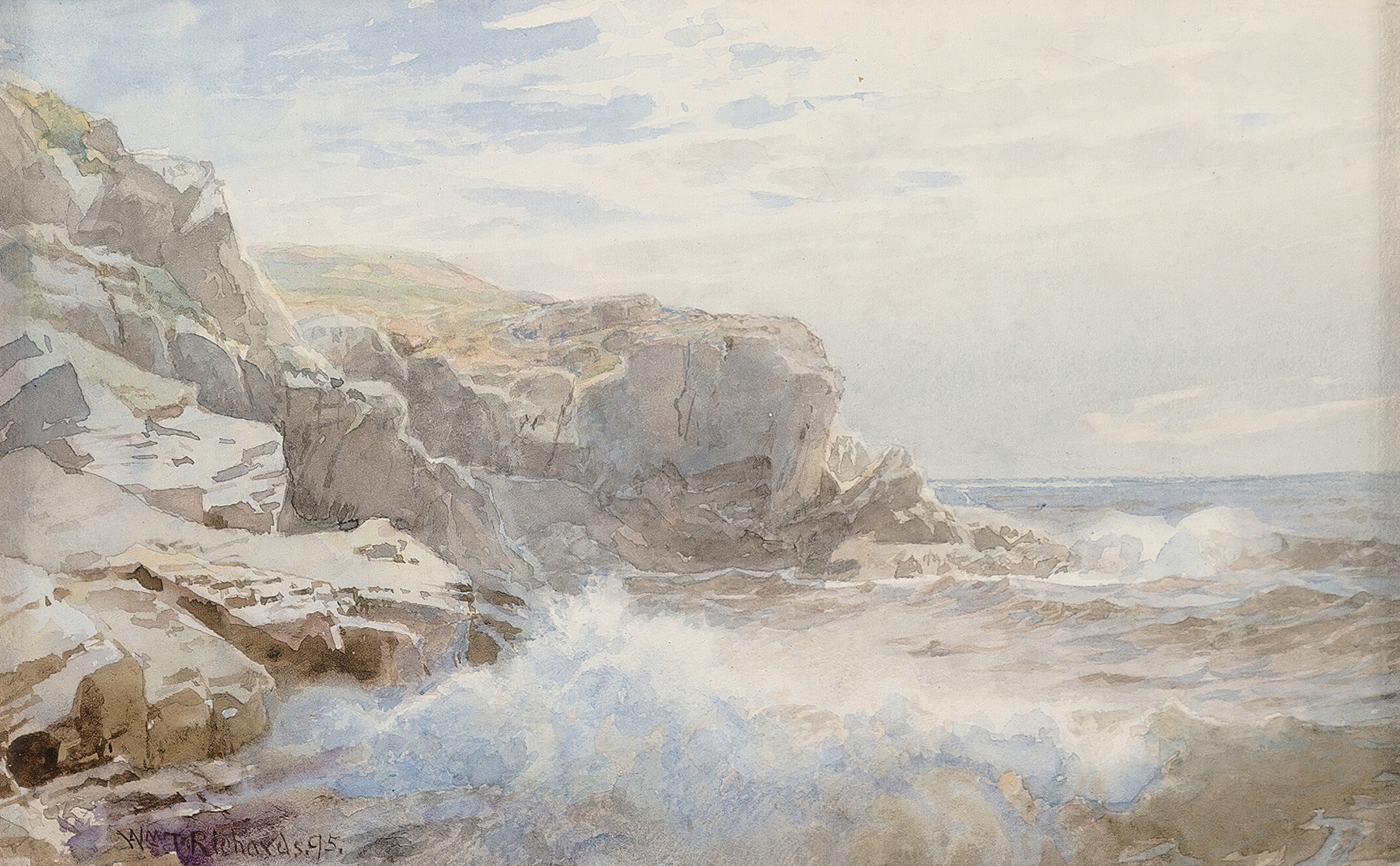
“Every silence here is a confession.” Time seems to stretch in Franconia Notch, New Hampshire, capturing a fleeting moment where nature speaks volumes through its stillness. Gaze first at the majestic mountains dominating the composition, their rugged silhouettes framed by soft, rolling clouds. The play of light across the surfaces evokes a sense of depth, revealing hidden crevices and valleys. Notice how the verdant greens of the foliage contrast with the cool blues of the sky, creating a harmonious balance that invites you to linger, while subtle brush strokes give texture to the land, almost breathing life into the scenery.
Within this tranquil landscape lies a tension between permanence and transience. The mountains, steadfast and eternal, stand in stark contrast to the gentle ripples of the water below, suggesting the passage of time. The luminous atmosphere hints at early morning or late afternoon, a moment on the cusp of change, where shadows lengthen, and the world holds its breath.
Each detail, from the delicate clouds to the reflective surface of the lake, reveals an emotional dialogue between the natural elements, echoing the whispers of history in this serene setting. In 1872, William Trost Richards painted this work amid a burgeoning interest in American landscape painting, embracing an era when artists sought to capture the sublime beauty of their own continent. Living in Pennsylvania at the time, he was influenced by the Hudson River School, but sought to express a more personal, intimate connection with nature, reflecting the national spirit of awe and reverence for the American wilderness.