Franklin Park, Boston — History & Analysis
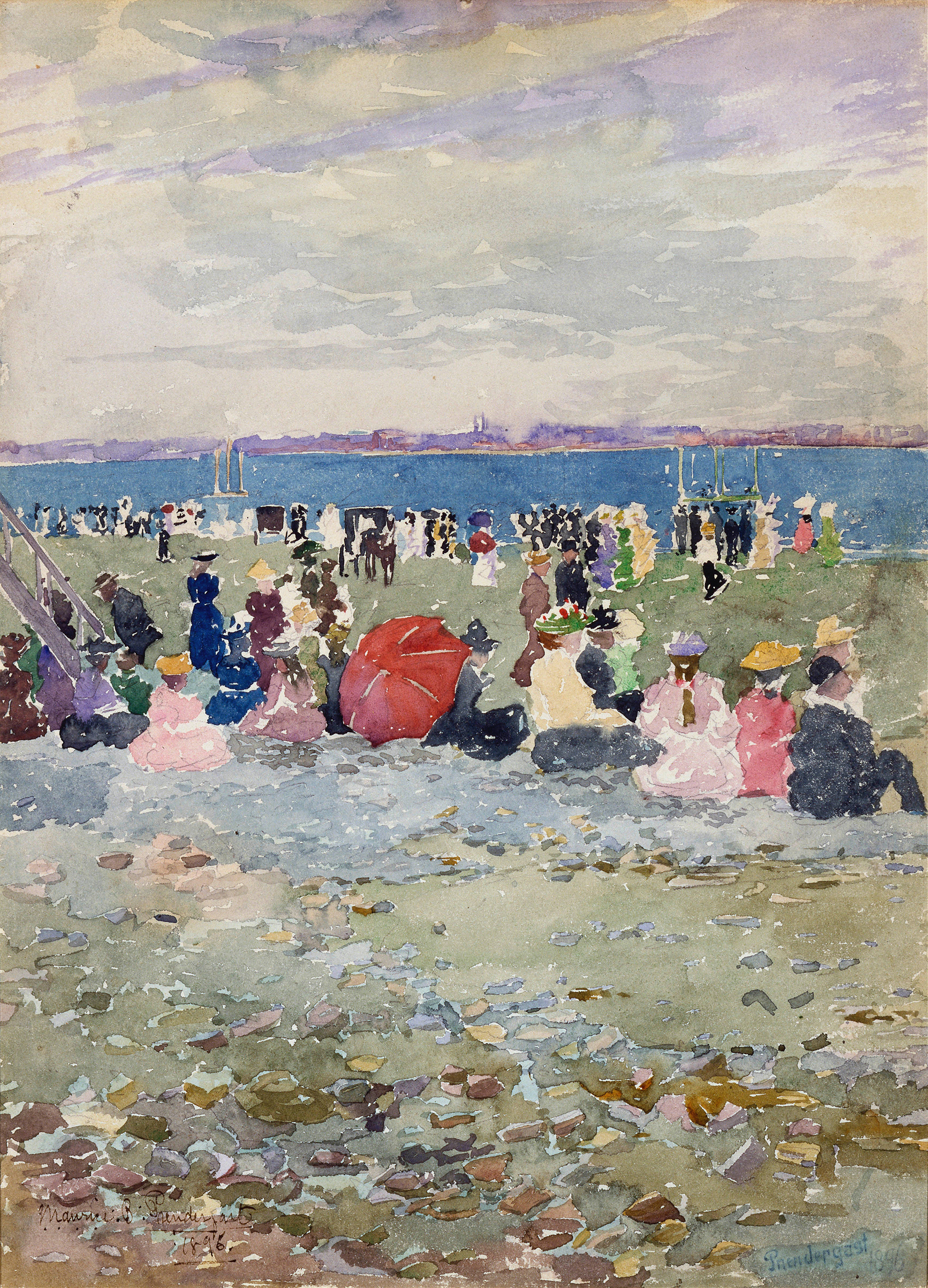
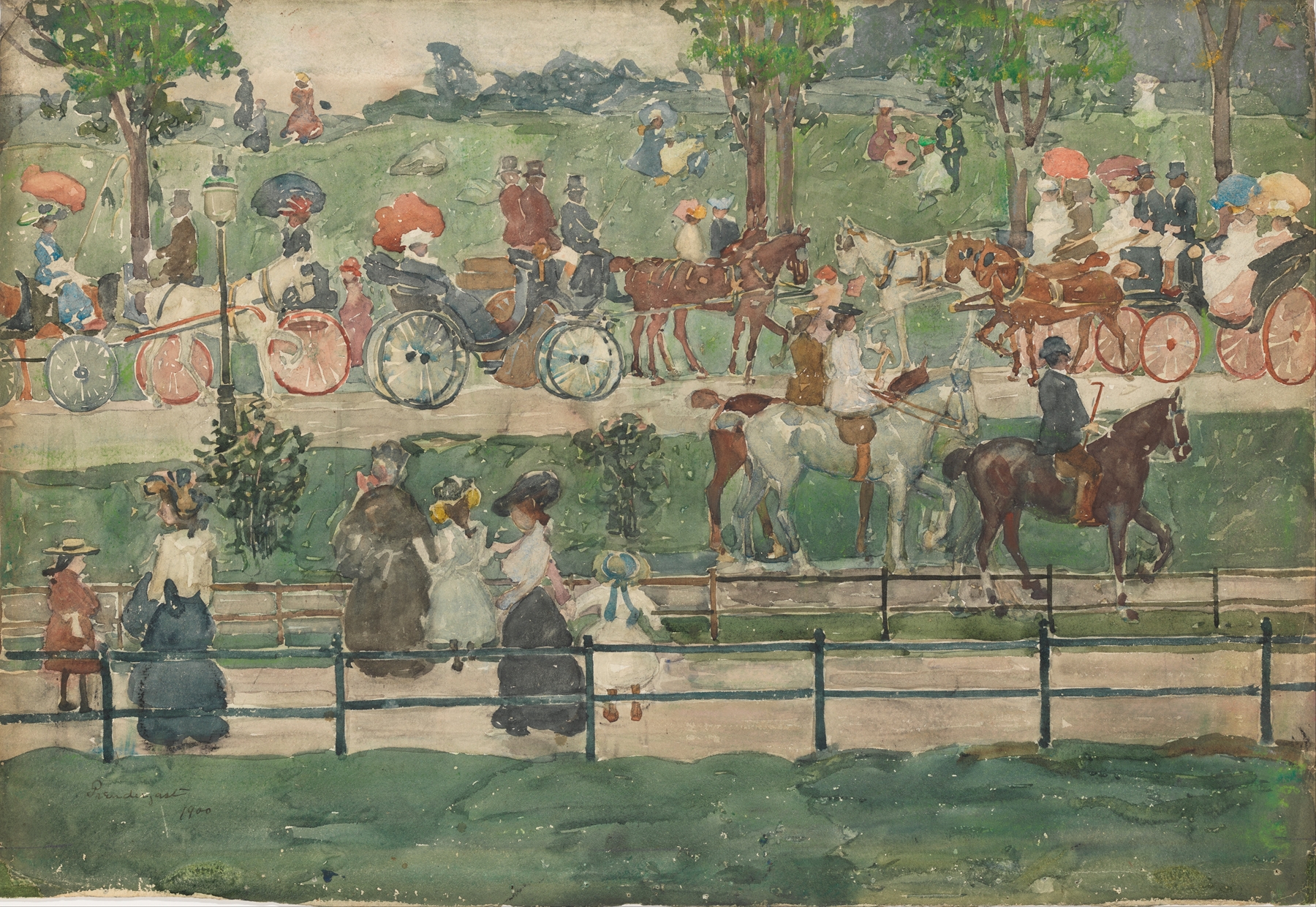
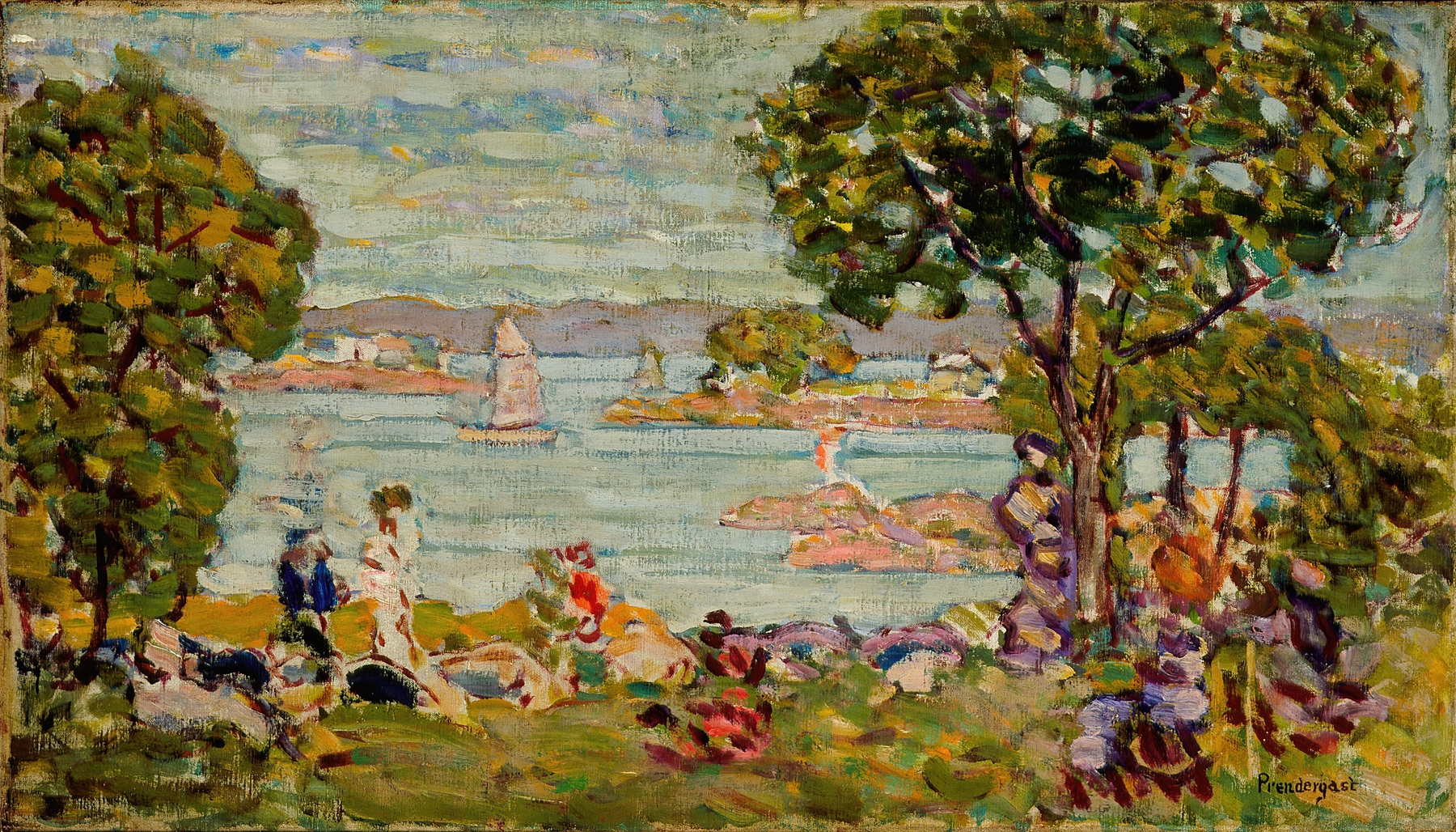
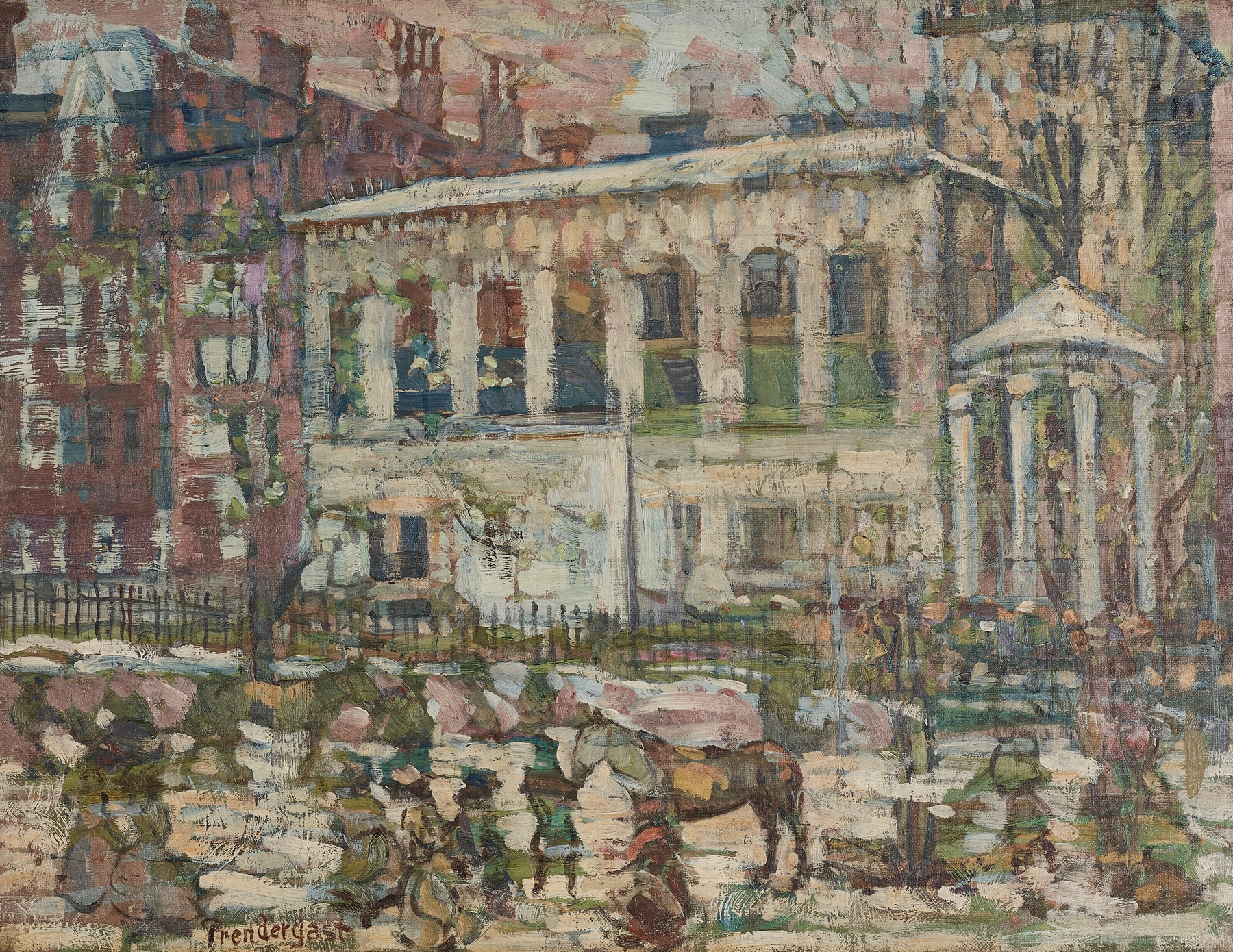
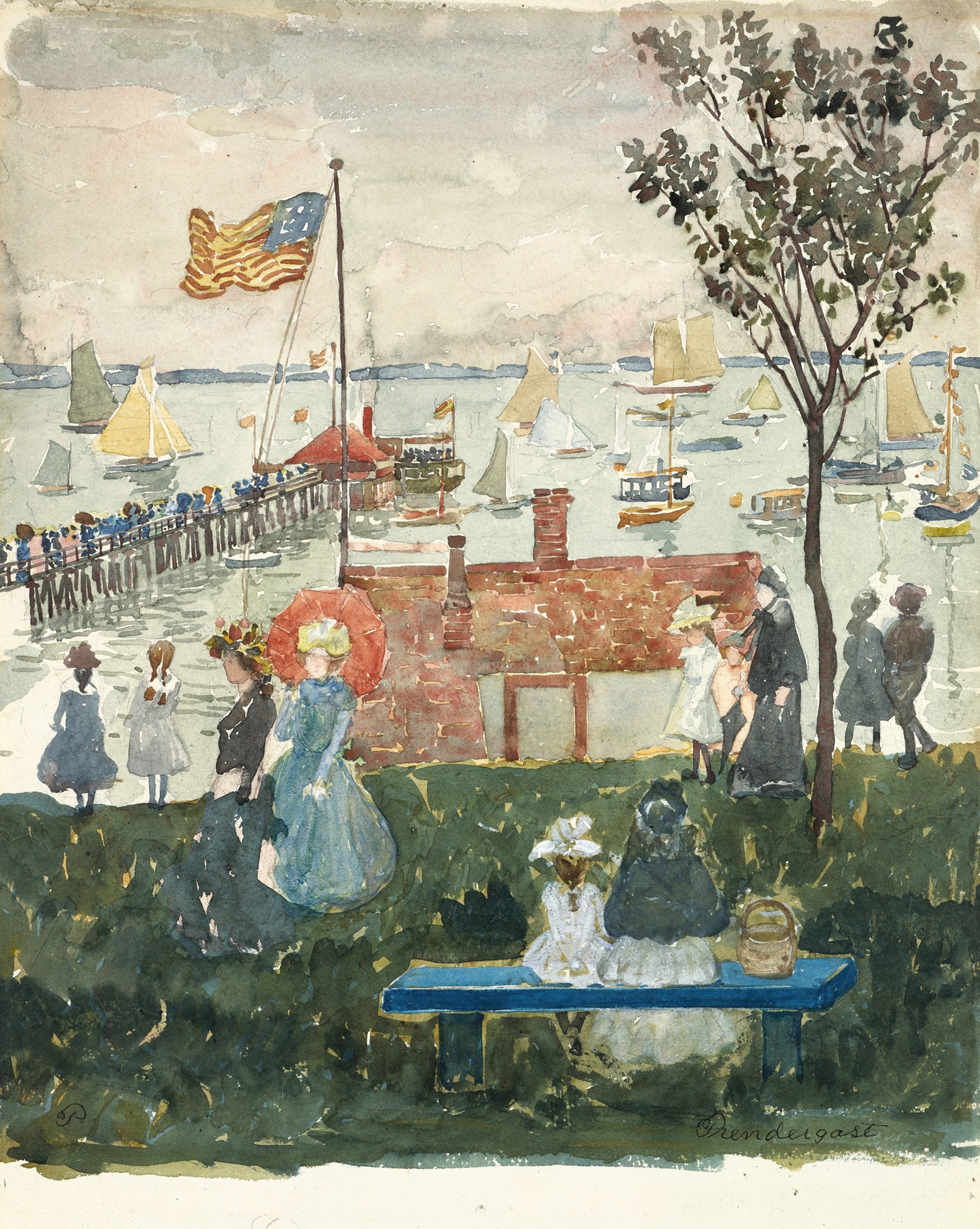
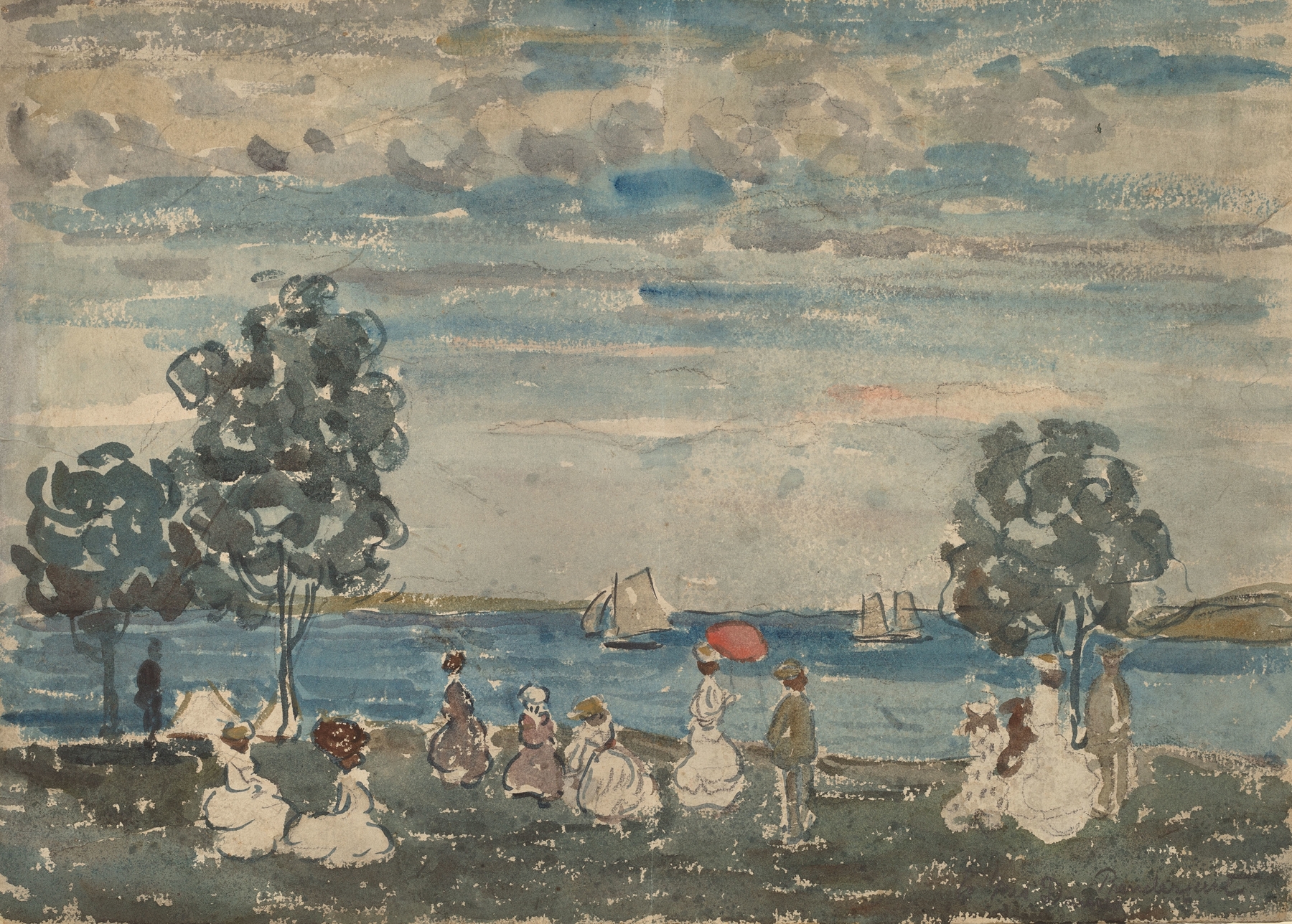
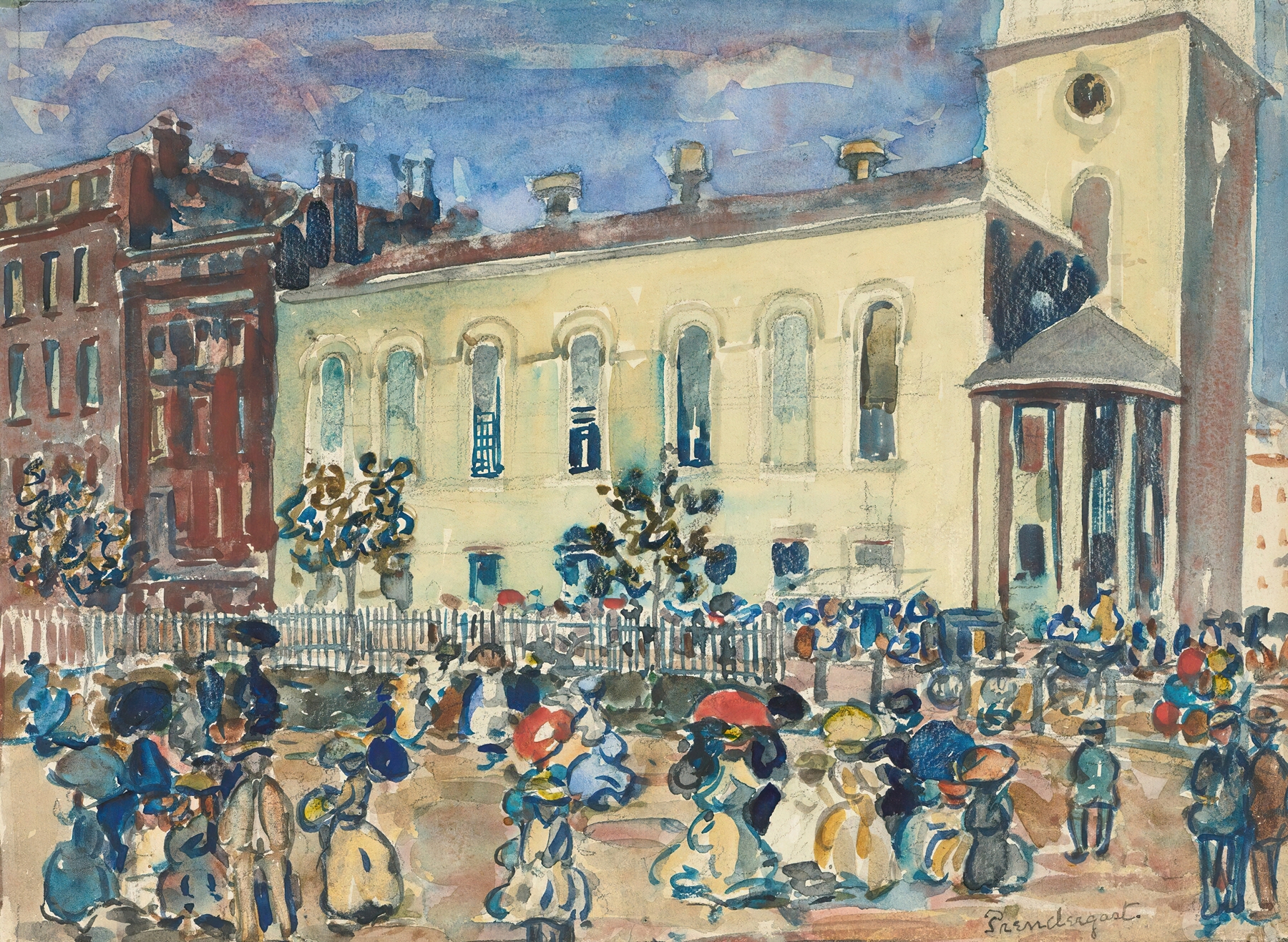
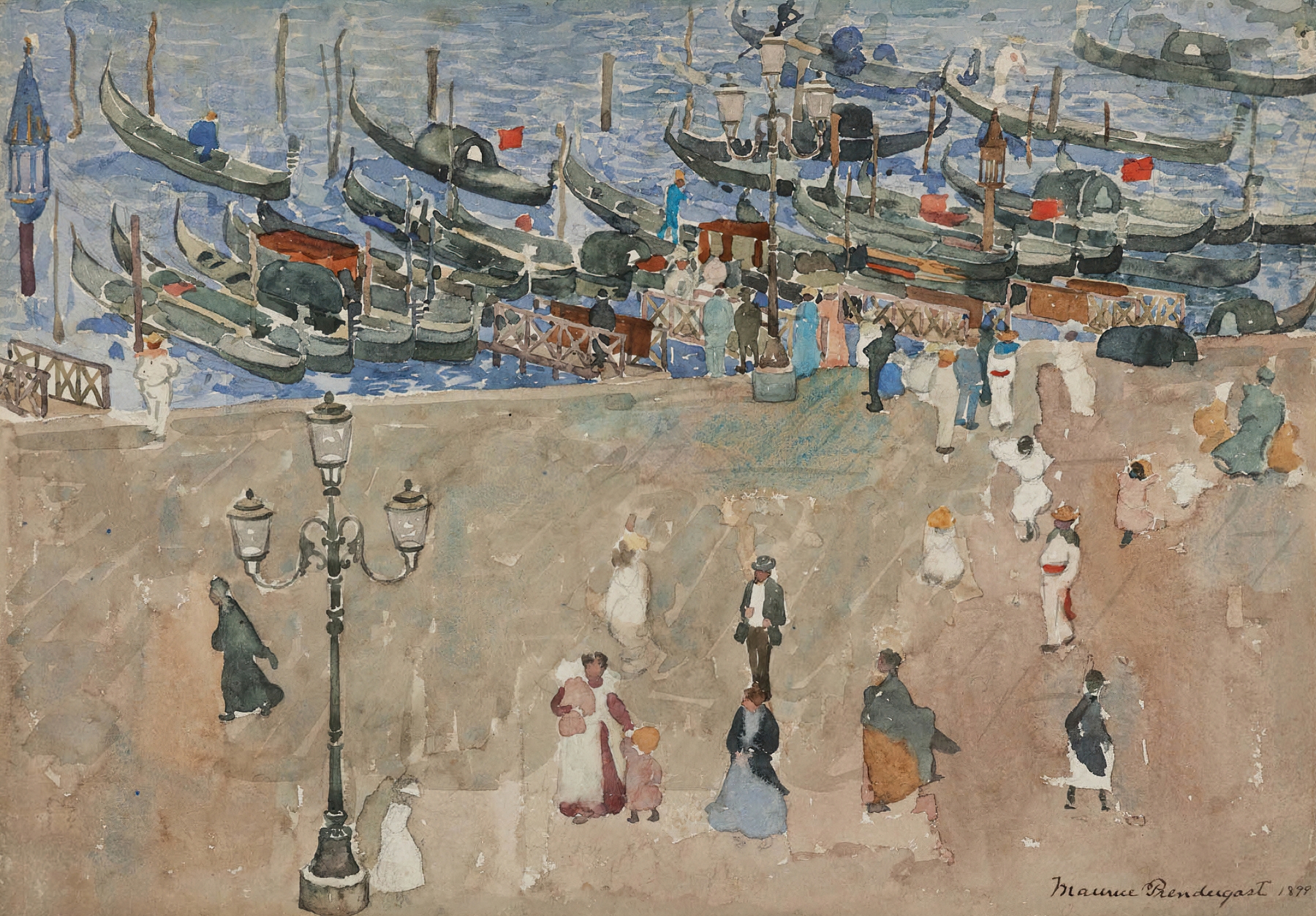
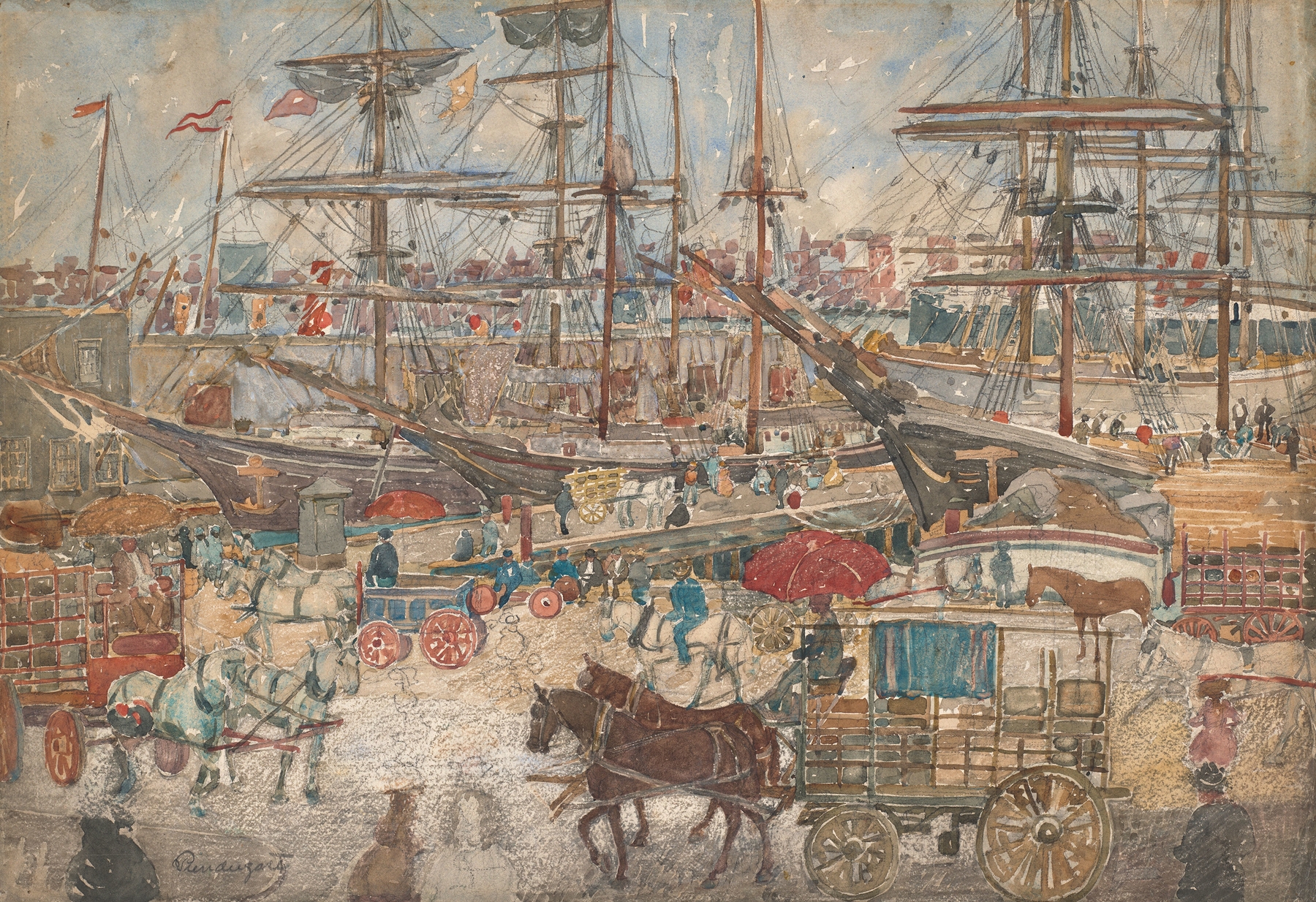
“Every silence here is a confession.” In the lush expanses of urban parks, we often find moments of transcendence hidden in the quiet interplay of color and form. Maurice Prendergast’s Franklin Park, Boston invites us to explore the deeper layers of this verdant sanctuary. Look to the left, where the vibrant greens of foliage dance with soft flashes of sunlight filtering through the treetops. The palette is a symphony of pastels, each brushstroke conjuring a sense of joy and serenity.
The figures, loosely painted, blend into this landscape, suggesting a harmony between people and nature. The gentle curves of the pathways guide our gaze deeper into the scene, beckoning us to lose ourselves in its idyllic charm. Within the painting, we see contrasts that speak volumes. The joyous interaction of figures contrasts with the subtle stillness of the park, hinting at a quiet longing for connection that underlines the scene's vibrancy.
The scattered patches of sunlight and shadow create a metaphor for the fleeting nature of happiness amidst the backdrop of life’s chaos, suggesting that in moments of stillness, we might find profound understanding. Prendergast created this work during a time when American art was evolving under Impressionism’s influence, likely in the early 20th century. Living in Boston, he was surrounded by a burgeoning artistic community that celebrated light, color, and the essence of modern life. This period was marked by a shift towards a more subjective interpretation of reality, and in Franklin Park, Boston, we see how he embraced these changes to express a universal longing for beauty and connection.