Fries met een vaas tussen twee putti met een helm — History & Analysis
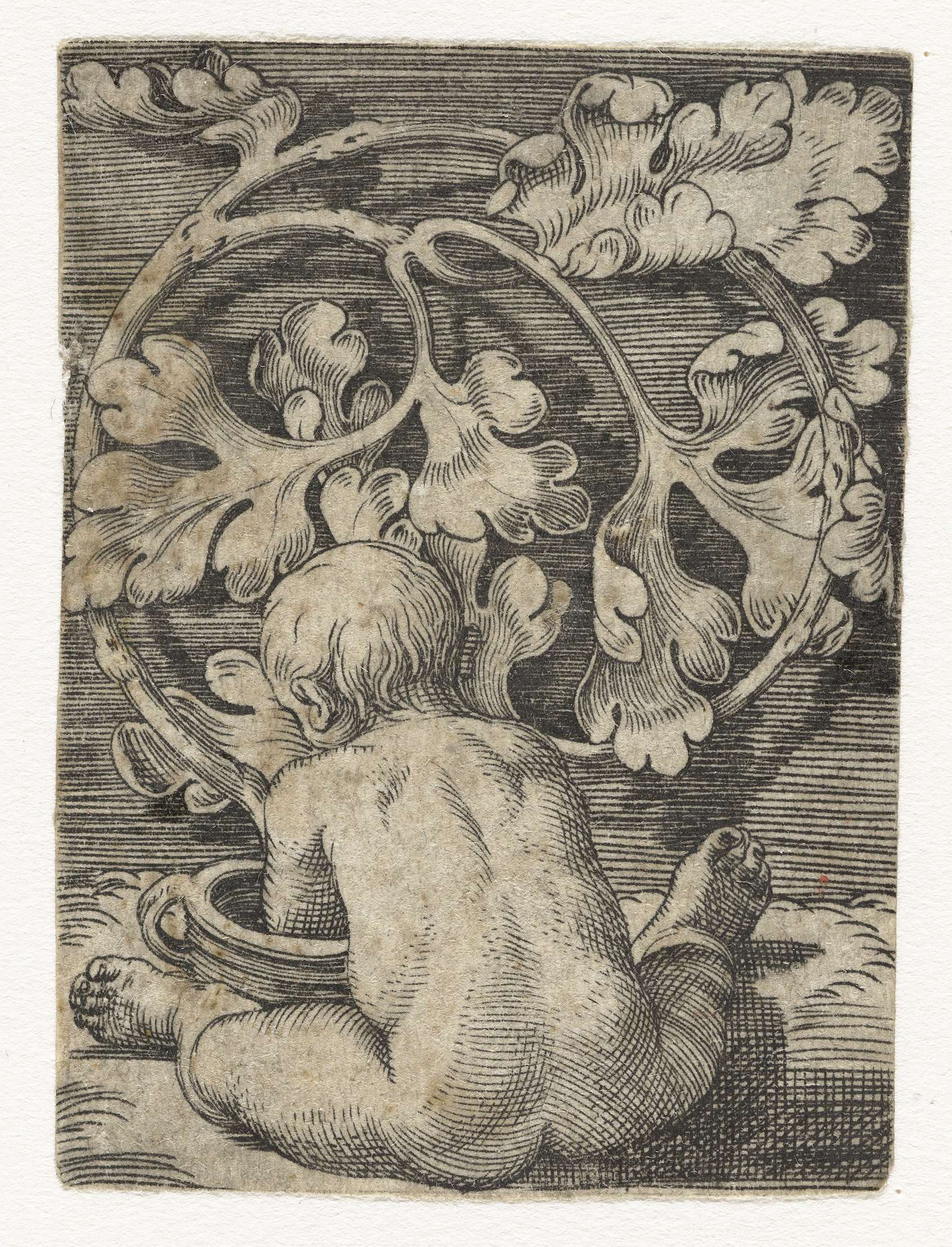
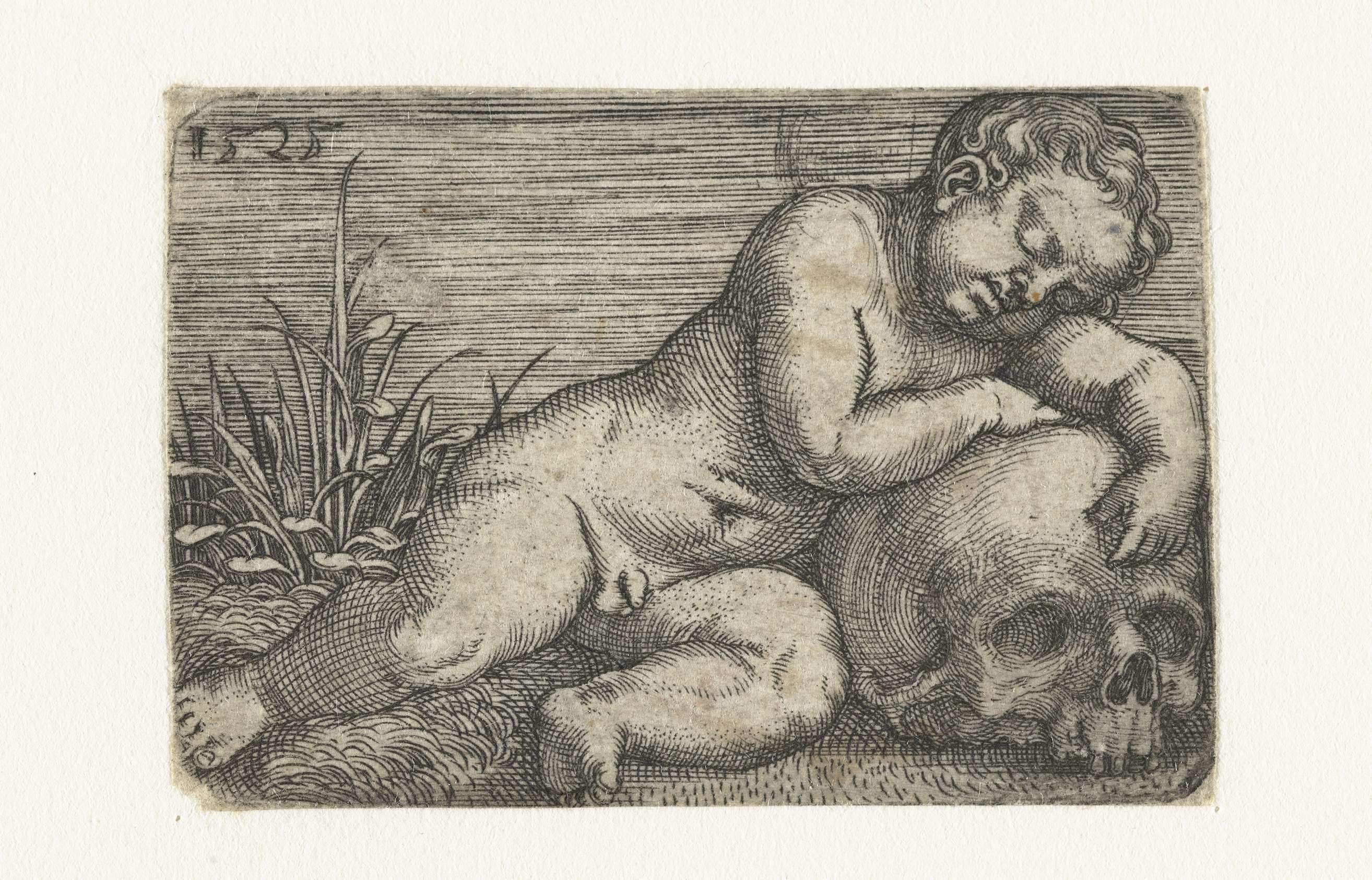
Who listens when art speaks of silence? In the delicate interplay of hues and forms, Barthel Beham’s Fries met een vaas tussen twee putti met een helm invites us to ponder the unspoken conversations hidden within the canvas. Look to the center where the vase commands attention, its rich colors swiftly drawing the eye. Notice how the light dances across its surface, revealing a sumptuous texture that beckons you closer. Surrounding the vase, two playful putti emerge, their expressions a mix of mischief and innocence, framed by a backdrop of intricate foliage.
The soft pastel palette envelops the composition, creating a harmonious balance that feels both serene and vibrant. Yet, beneath the cheerful demeanor lies an intriguing contrast. While the putti exude childlike joy, their position—with one holding a helmet—introduces an element of protection and strength. This juxtaposition hints at the duality of childhood, a period of innocence shadowed by the inevitable encroachment of adult responsibilities.
The flowers and leaves encircling the scene speak of transience, a reminder that beauty is fleeting, much like the innocence of youth. Beham created this piece between 1521 and 1525, during a flourishing period of Northern Renaissance art. His work reflects the cultural shift towards humanism and the growing appreciation for classical themes. This era saw artists increasingly interested in intricate detail and symbolic meaning, as they sought to elevate everyday subjects into realms of beauty and contemplation.