Kind met een pot en bladranken — History & Analysis
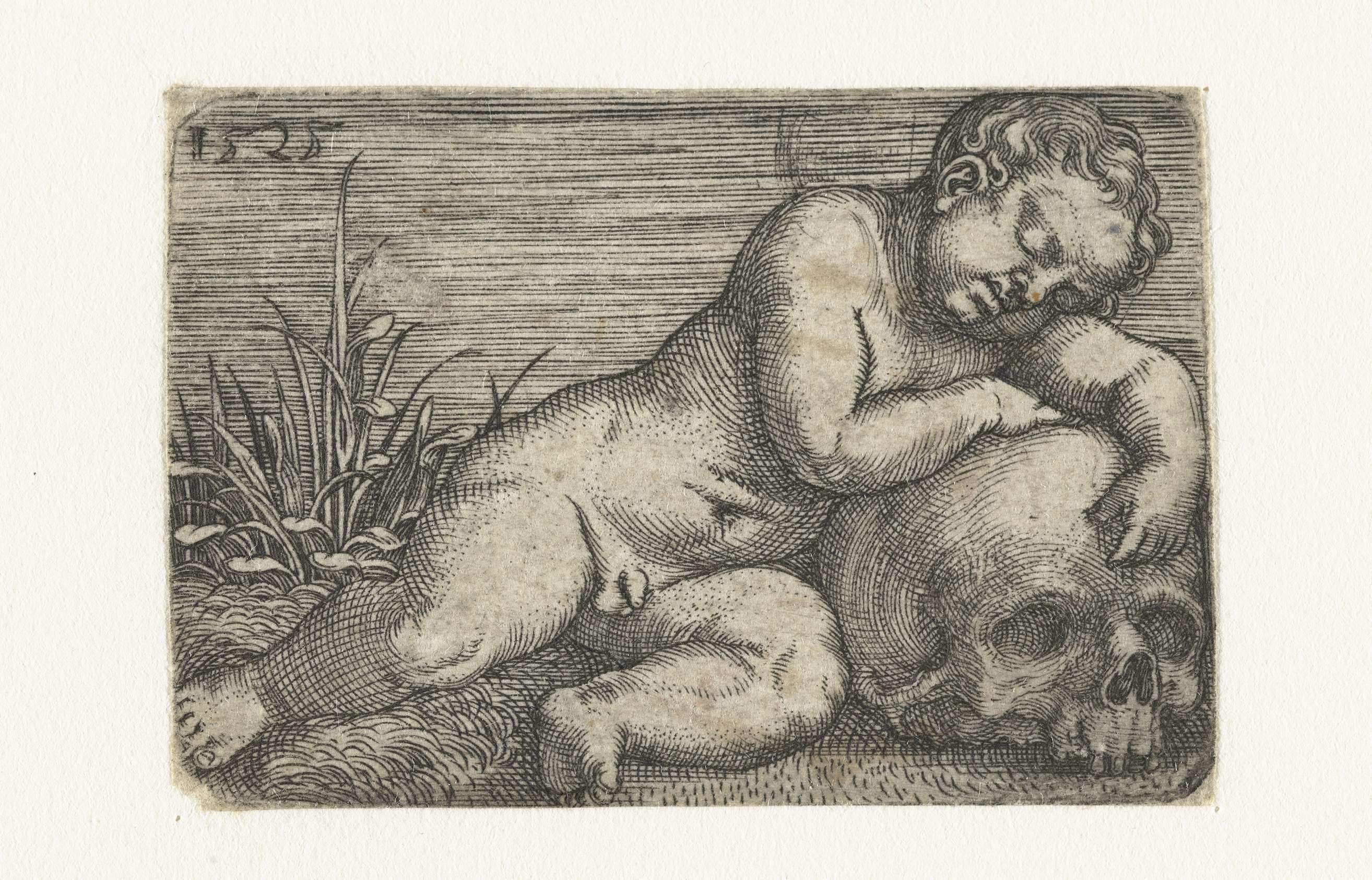
“Every silence here is a confession.” In the delicate stillness of Kind met een pot en bladranken, revelation stirs beneath layers of paint, whispering truths about childhood that resonate through time. Look to the center, where the child gazes intently at a simple pot, its smooth surface reflecting a world of wonder. The earthy tones of the background cradle the figure, while the soft greens of the leaves entwined around the pot breathe life into the moment.
Notice how the artist captures the natural play of light, illuminating the child’s innocent expression, revealing a blend of curiosity and contemplation that invites the viewer to ponder deeper narratives. The juxtaposition of the innocent child with the encroaching foliage speaks volumes about the duality of nature and nurture. The leaves can be seen as both protective and constraining, hinting at the tension between freedom and the constraints of growing up.
The smoothness of the pot contrasts with the organic forms of the leaves, underscoring the delicate balance between human creativity and the wildness of nature, suggesting that each moment of stillness may hold a secret yearning for exploration. Created between 1524 and 1528, this work emerged during a time when Barthel Beham was establishing himself in the vibrant art scene of Nuremberg, where the Renaissance was flourishing. Influenced by the interplay of humanism and religious themes, Beham’s focus on childhood reflects the broader cultural interest in individual experience and identity during this period.