Portret van Keizer Karel V — History & Analysis
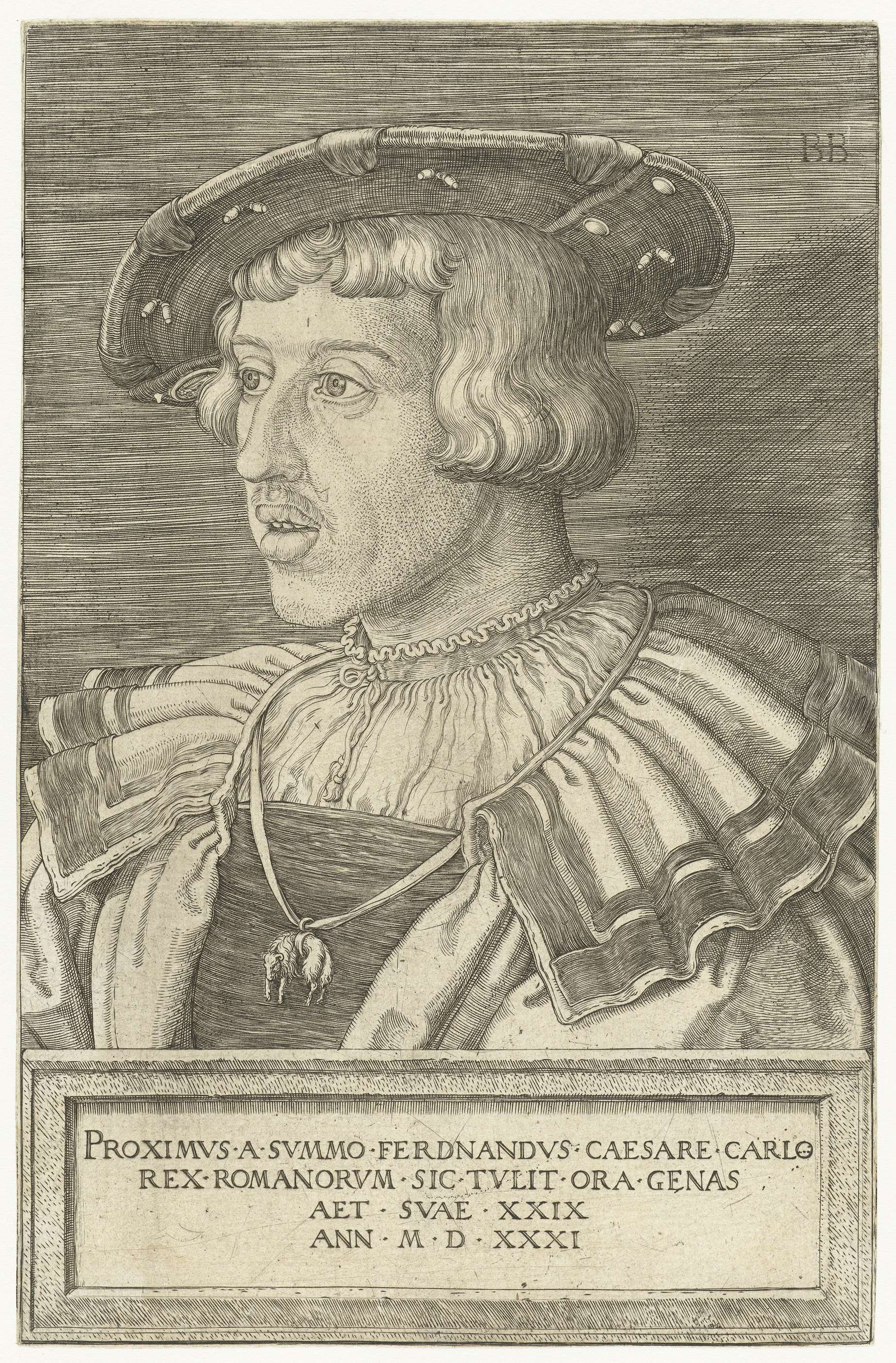
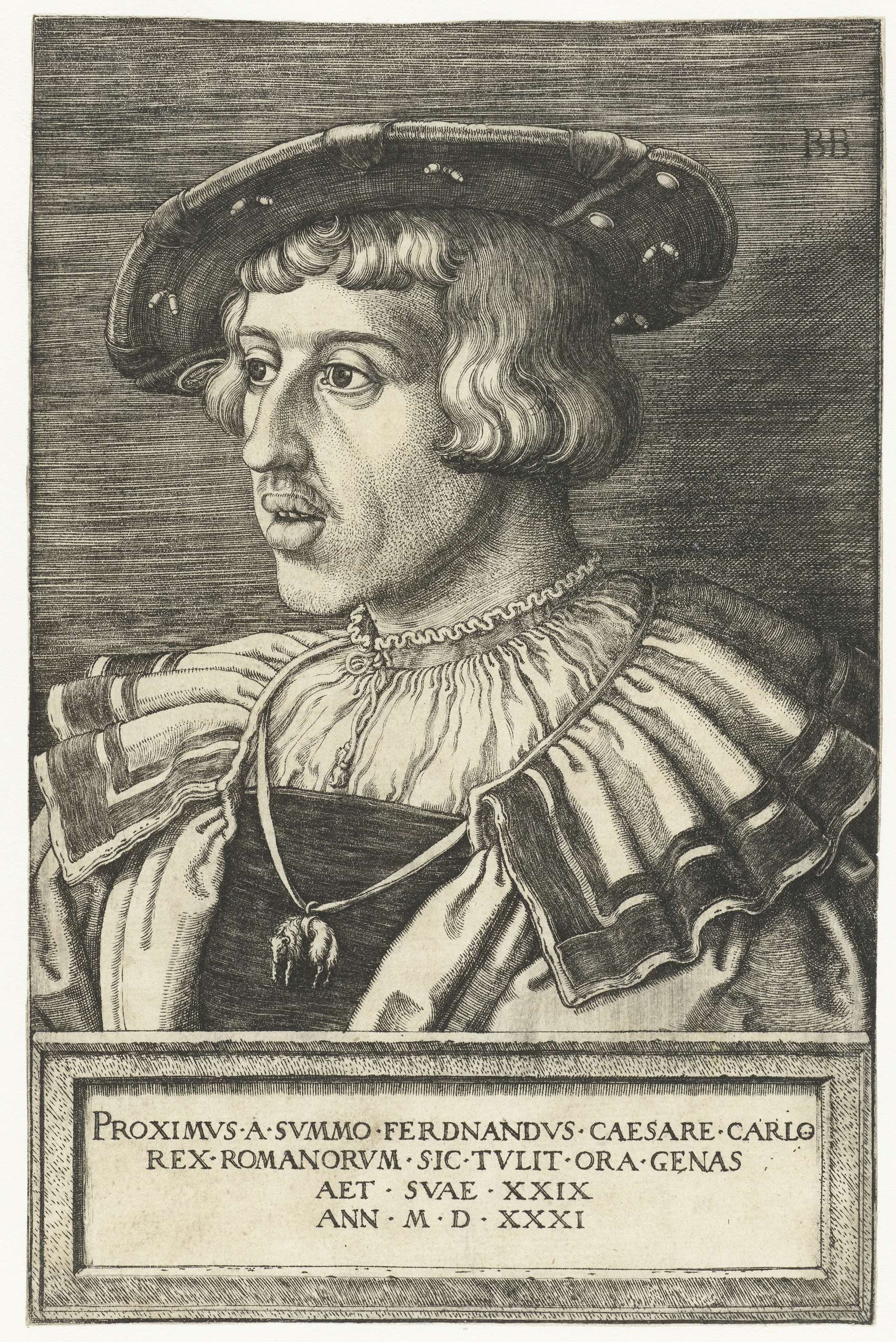
“Every silence here is a confession.” The stoic gaze of the emperor invites contemplation, revealing the vulnerability that often lies beneath power. In this portrait, innocence cradles authority, woven together in a tapestry of human complexity. Look to the emperor’s eyes, which seem to pierce through time, an intense blue that captures both strength and introspection. Notice the delicately embroidered cloak, the rich lapis lazuli and gold intertwined in its design, a testament to both his status and the artistry of the period.
The composition is grounded; the figure stands proud yet slightly turned, an invitation to explore the duality of his character, where regal poise masks an ephemeral fragility. Delve deeper into the textures and details: the light reflecting off the jeweled collar contrasts with the somber background, suggesting the weight of responsibility that comes with his crown. The vibrant reds and golds symbolize both wealth and the burden of leadership, while the surrounding shadows hint at the darker realities that lurk within the court. Each brushstroke reveals the moral complexities of power, illuminating the innocence hidden beneath layers of expectation and duty.
Barthel Beham painted this portrait in 1531, during a period when he was closely associated with the court in Augsburg, Germany. This was a time of significant political turbulence, with the Holy Roman Empire grappling with the religious reformations led by figures like Martin Luther. Beham, influenced by the humanist ideals of his time, sought to blend realism with a profound psychological depth, marking his work as a vital contribution to the evolving landscape of Renaissance portraiture.