Slapend kind liggend op een schedel — History & Analysis
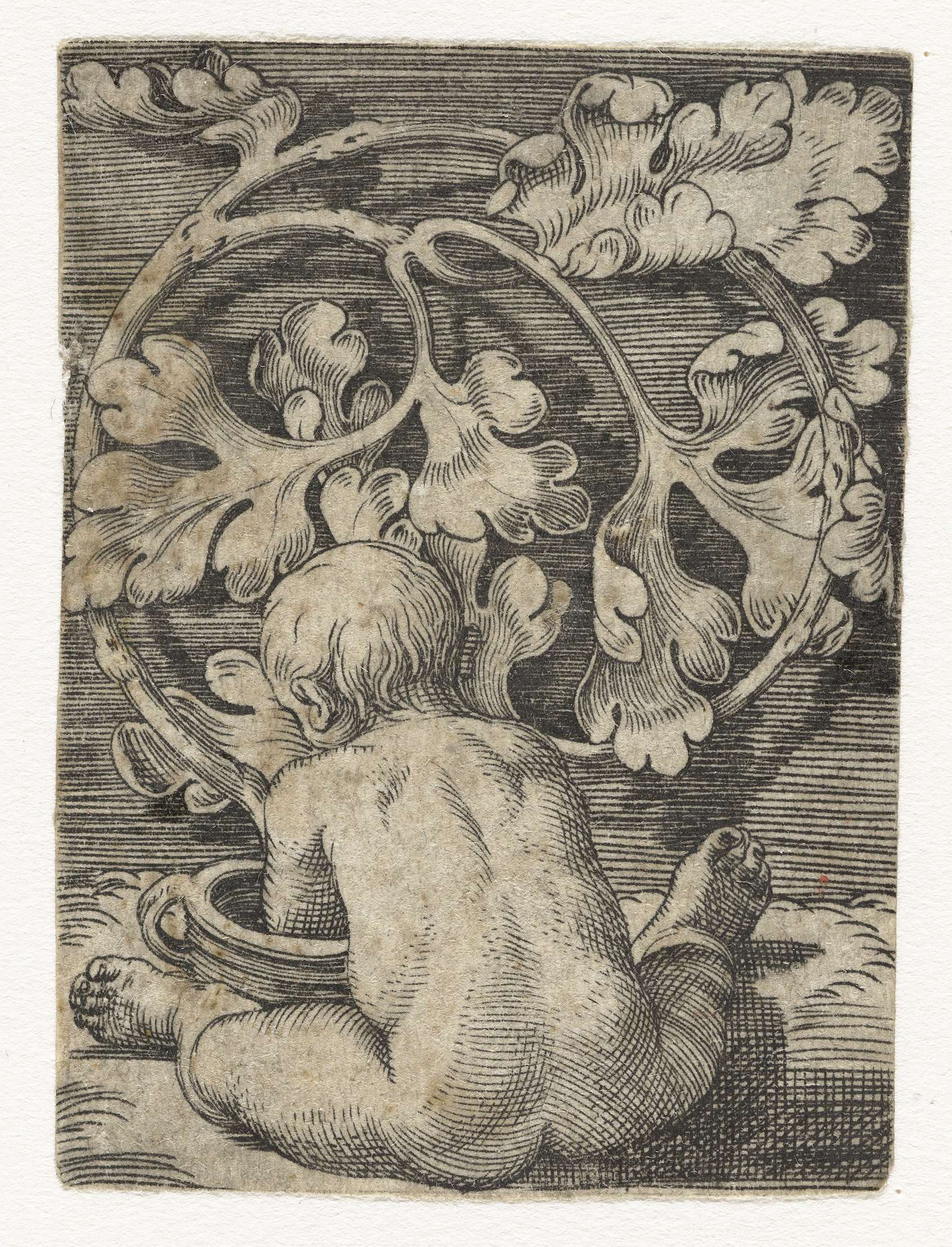
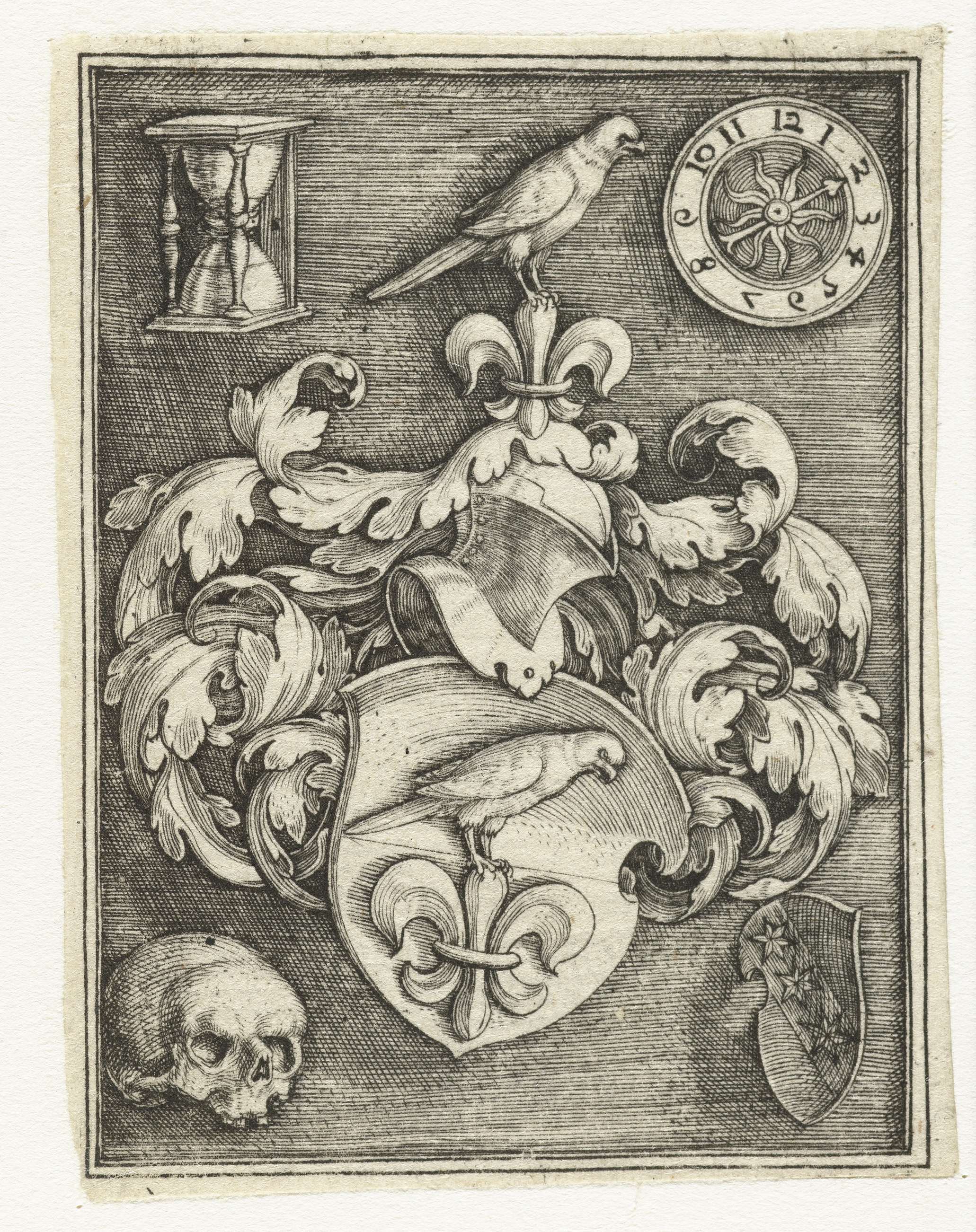
“To paint is to remember what time wants us to forget.” In an age marked by transience, the delicate interplay of light and memory resonates deeply within the confines of this artwork. Look closely at the soft contours of the child's form, draped over the stark white skull. Notice how the light caresses the fabric of the child's clothing, creating a gentle contrast against the cold, hard surface underneath. The artist employs a muted palette, with soft earth tones intermingling with the pale ivory of the skull, drawing your gaze to the unexpected juxtaposition of innocence and mortality.
The composition is intimate yet stark, compelling the viewer to confront the fragility of life. The child, peaceful in slumber, evokes a sense of vulnerability, while the skull serves as a poignant reminder of death. This contrast introduces a tension that speaks to the inevitability of existence; the innocent sleep of youth against the backdrop of life's transient nature. The delicate textures of the child's flesh juxtapose the skull's bony hardness, inviting reflection on the cycle of life and the passage of time.
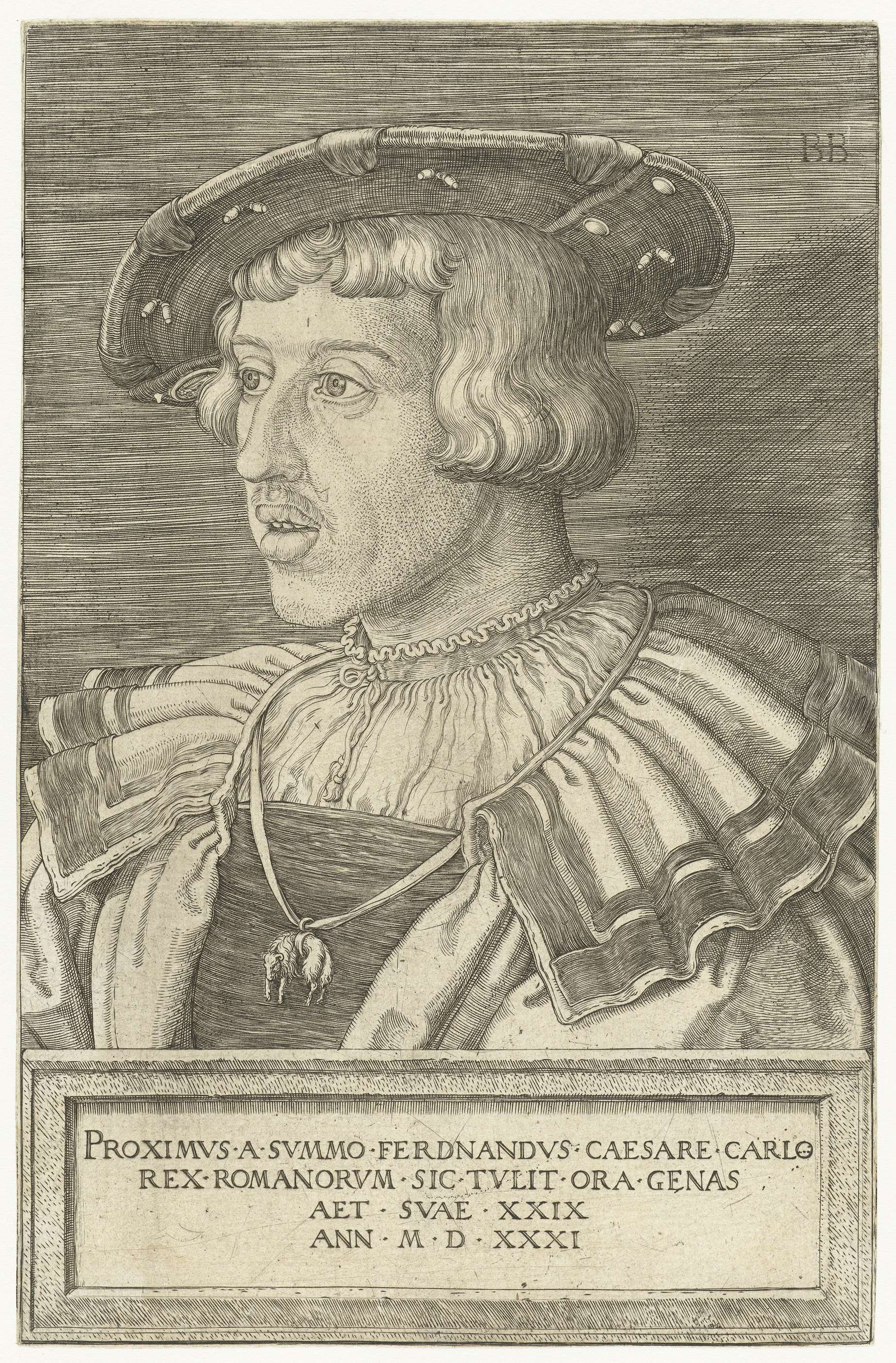
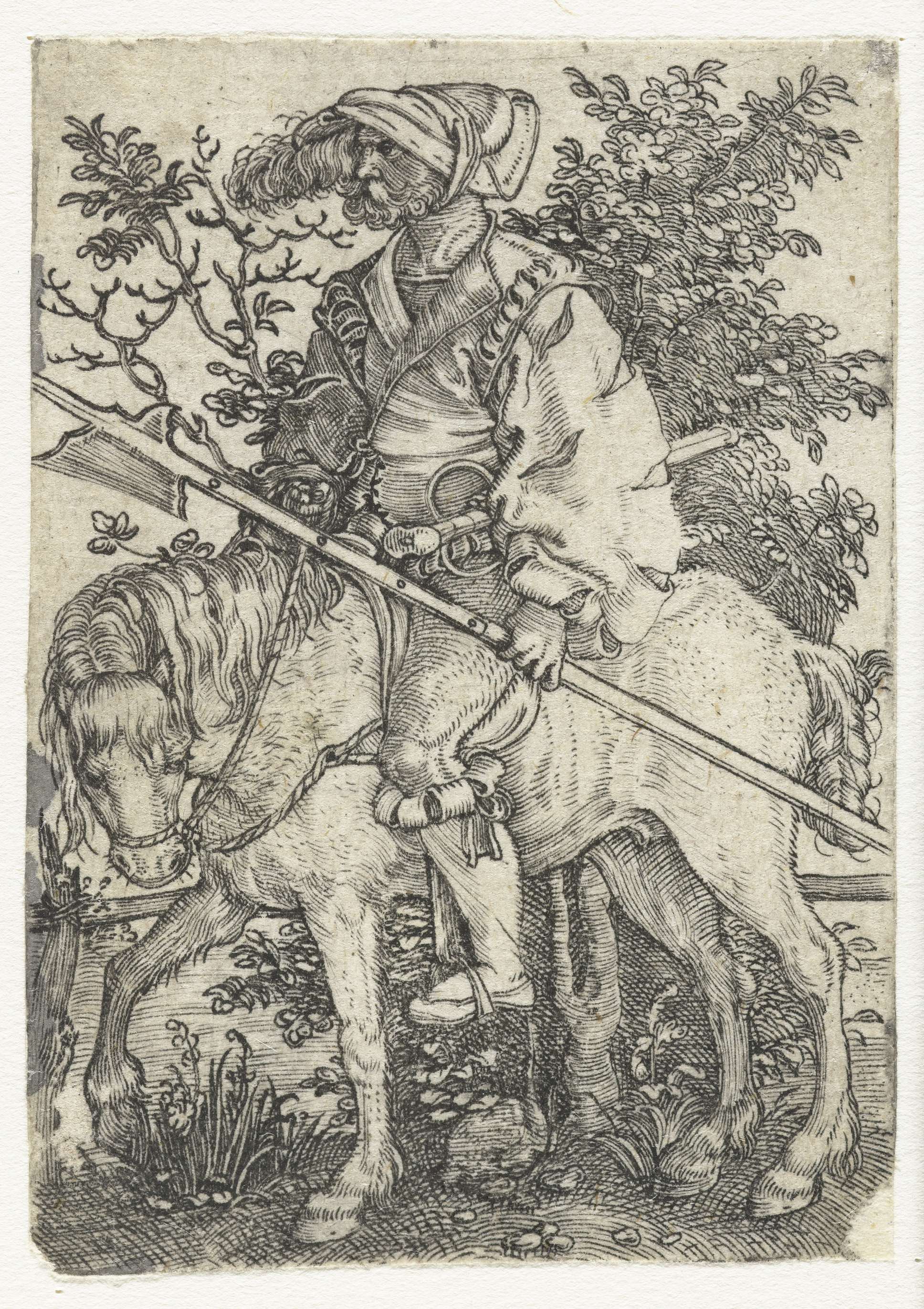
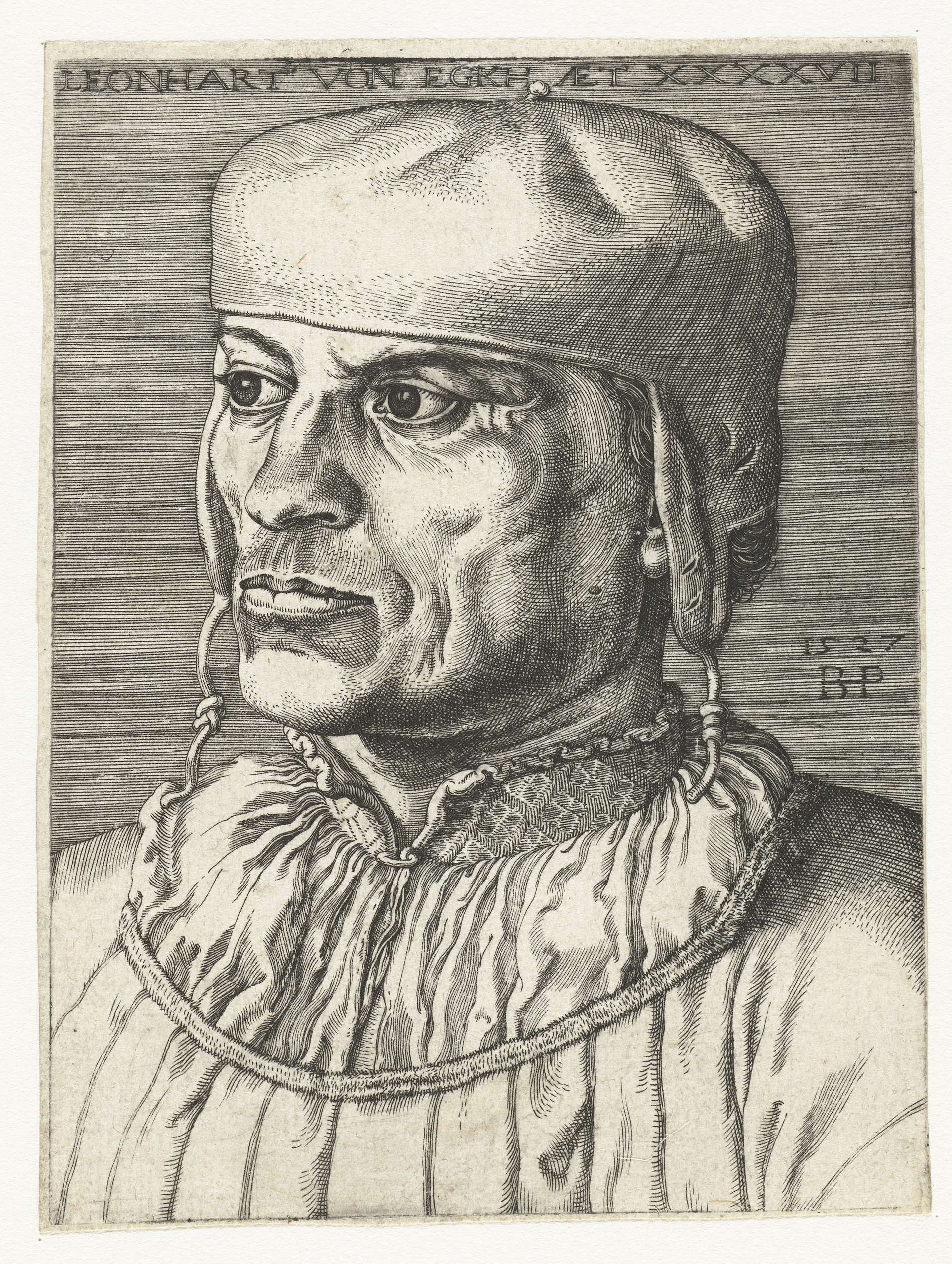
Barthel Beham painted this piece in 1525 amidst a shifting art landscape that favored intricate and deeply symbolic works. Residing in Nuremberg, he was a member of the influential Danube School and was known for his meticulous attention to detail and rich iconography. This painting reflects the broader humanist themes of the Renaissance, where artists began to explore the complexities of existence and the human condition through deeply personal and evocative imagery.