Fries met vier putti en een zeepaard — History & Analysis
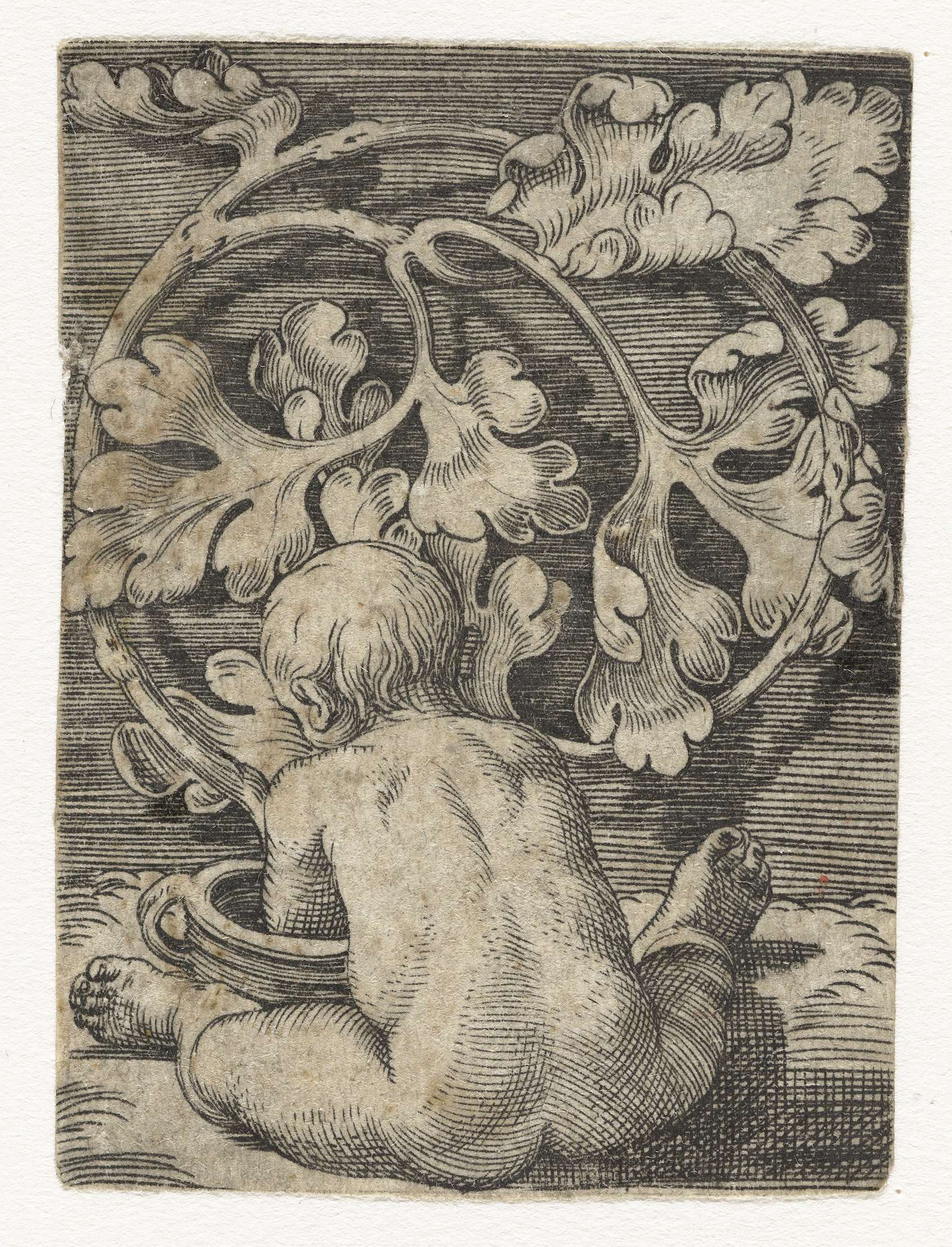
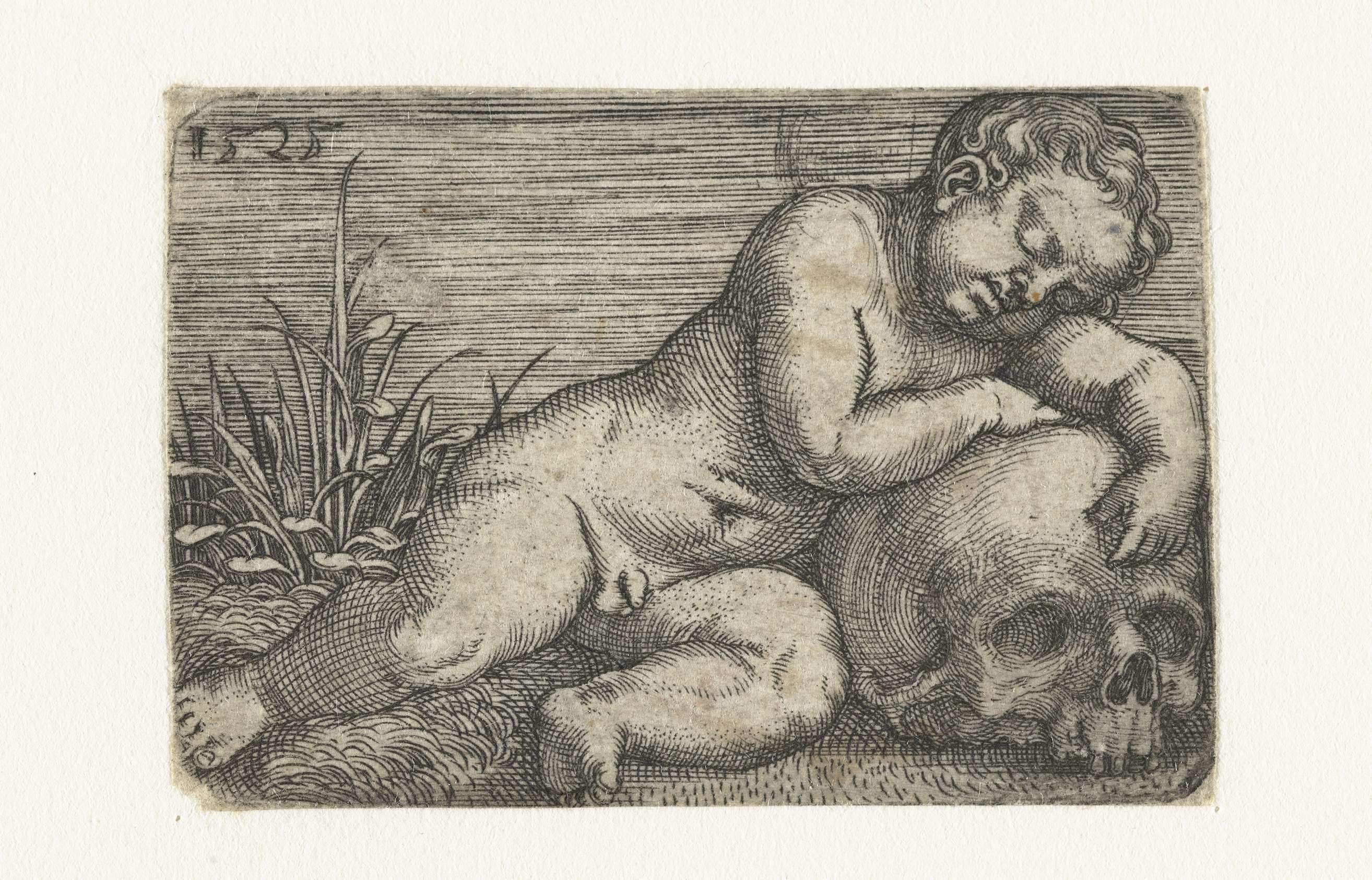
What if beauty was never meant to be finished? The fleeting nature of perfection hovers over Fries met vier putti en een zeepaard, where innocence and longing intertwine in a delicate balance. To begin, observe the serene expressions of the four putti, expertly rendered in soft, pastel hues. Look to the top right, where their cherubic faces emerge against a backdrop of flowing drapery, their bodies entwined. The warm light caresses the curves and edges, highlighting their delicate features while casting soft shadows that evoke a sense of intimacy.
The sea horse, a curious and unusual companion, occupies the lower left, drawing the eye downwards and inviting reflection on the juxtaposition of playfulness and melancholy. Delve deeper, and you'll uncover layers of emotion woven into the complex composition. The putti’s playful gestures contrast sharply with their wistful gazes, hinting at a deeper yearning for connection or perhaps a sense of loss. The sea horse, a creature of the depths, serves as a symbol of the unknown, suggesting that while beauty may be celebrated, it remains elusive and tinged with sadness.
The harmonious color palette further reinforces this tension, balancing light and shadow in a dance that whispers of transience. During the period from 1512 to 1540, Beham navigated a world rich with the tension of the Northern Renaissance. As he painted this piece, he was surrounded by a burgeoning interest in humanism and naturalism, which influenced his approach. Living in Nuremberg, he witnessed the interplay of tradition and innovation in art, capturing ephemeral beauty in a way that reflects the complexities of his time.