From Nordland — History & Analysis
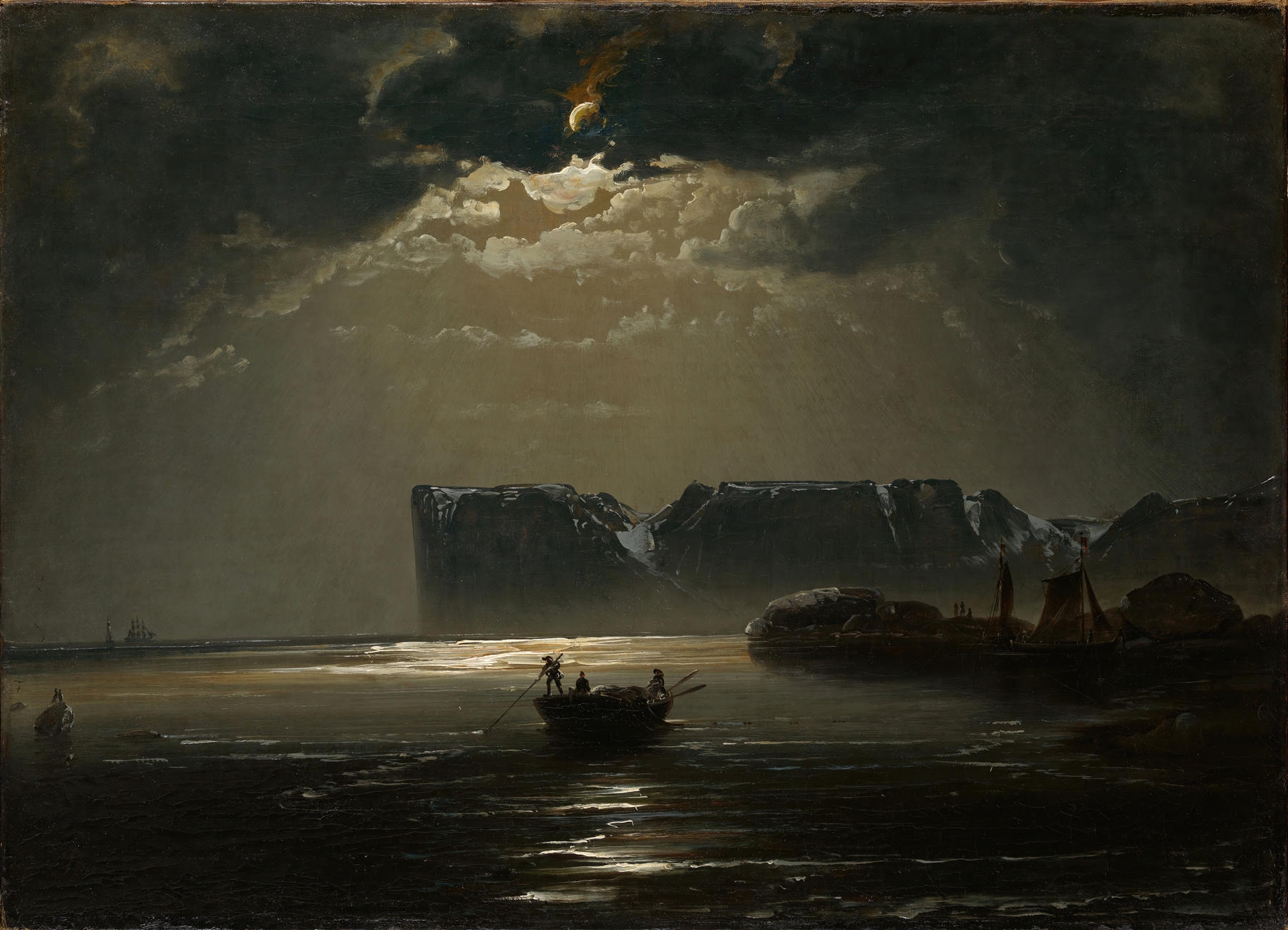
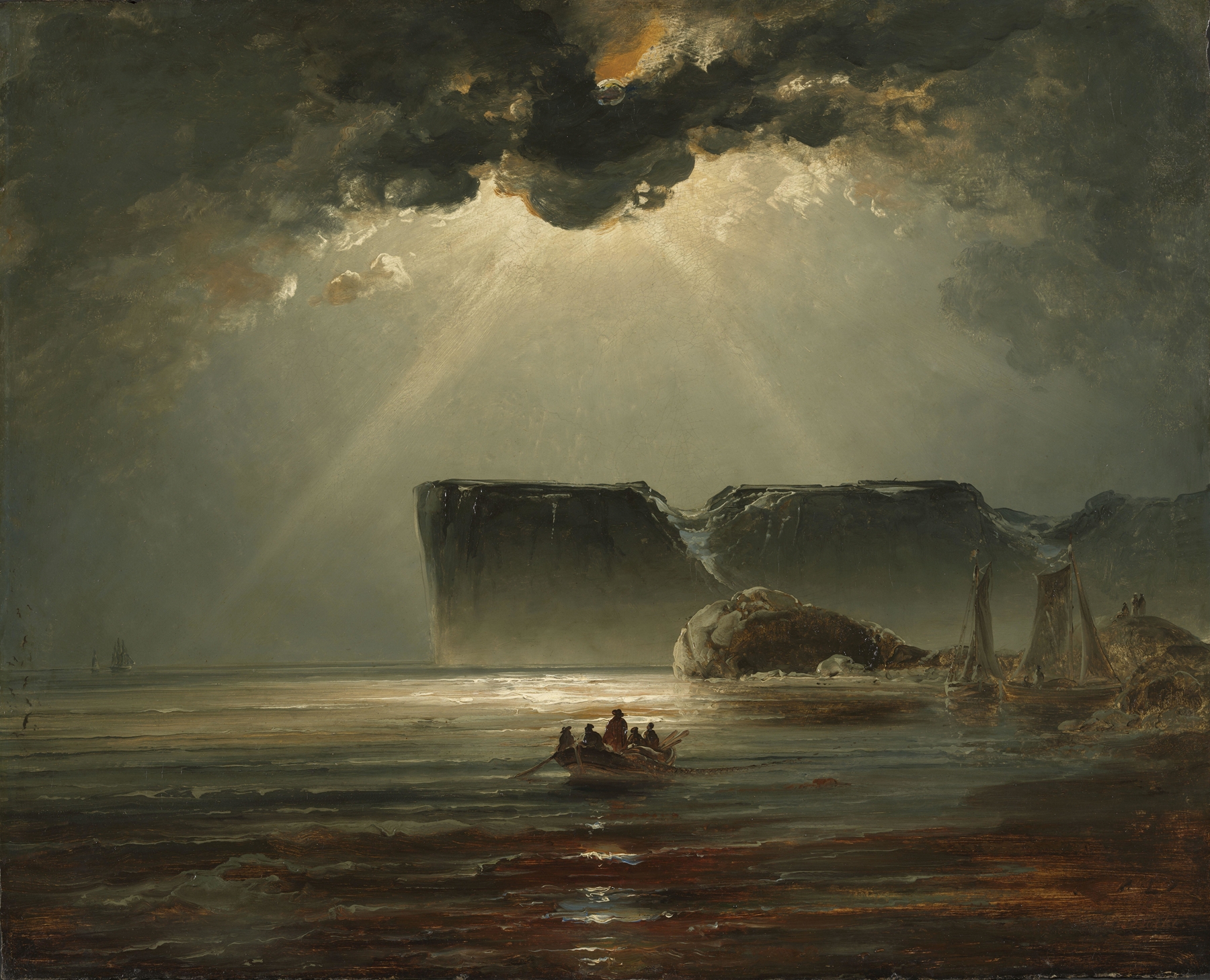
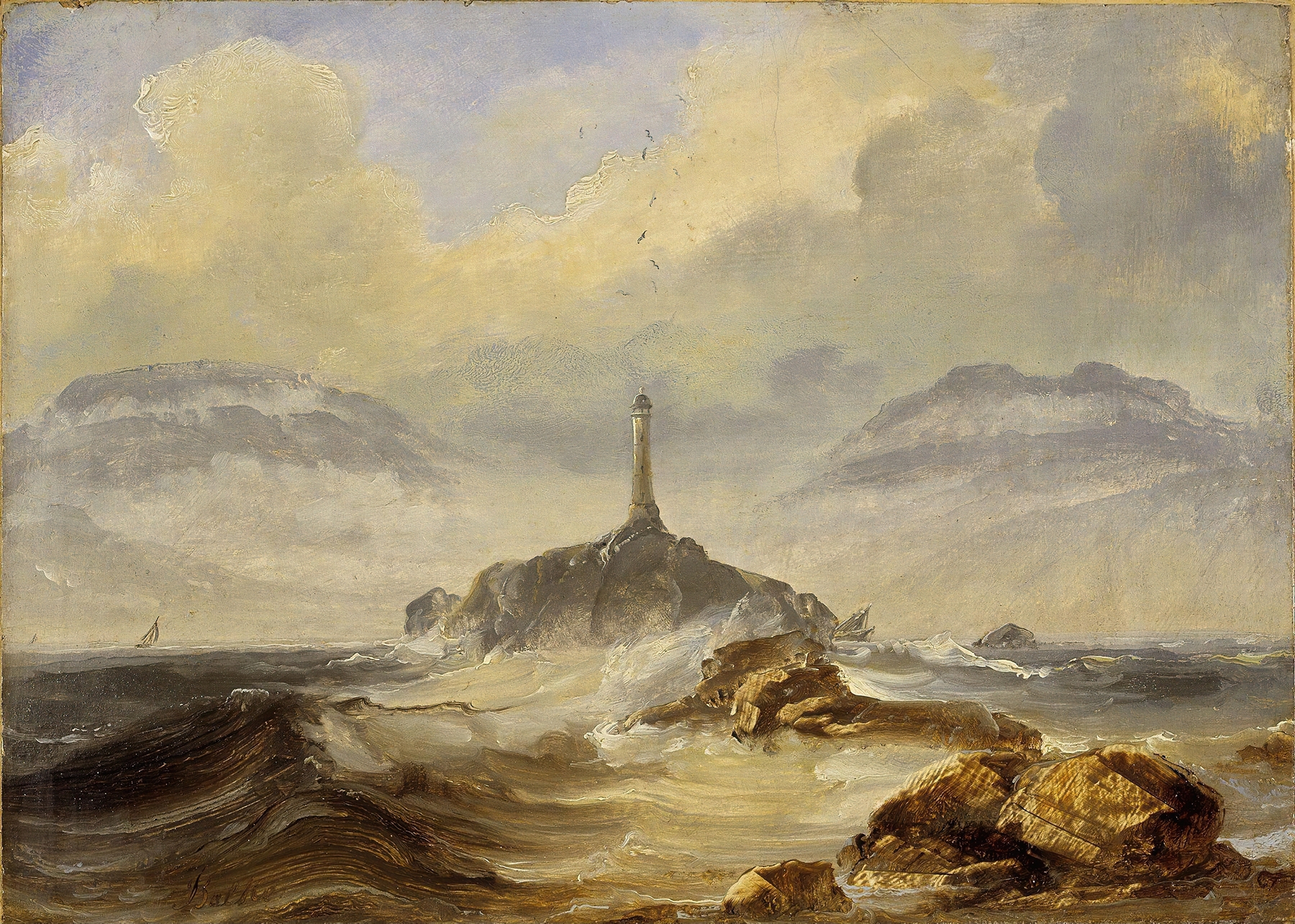
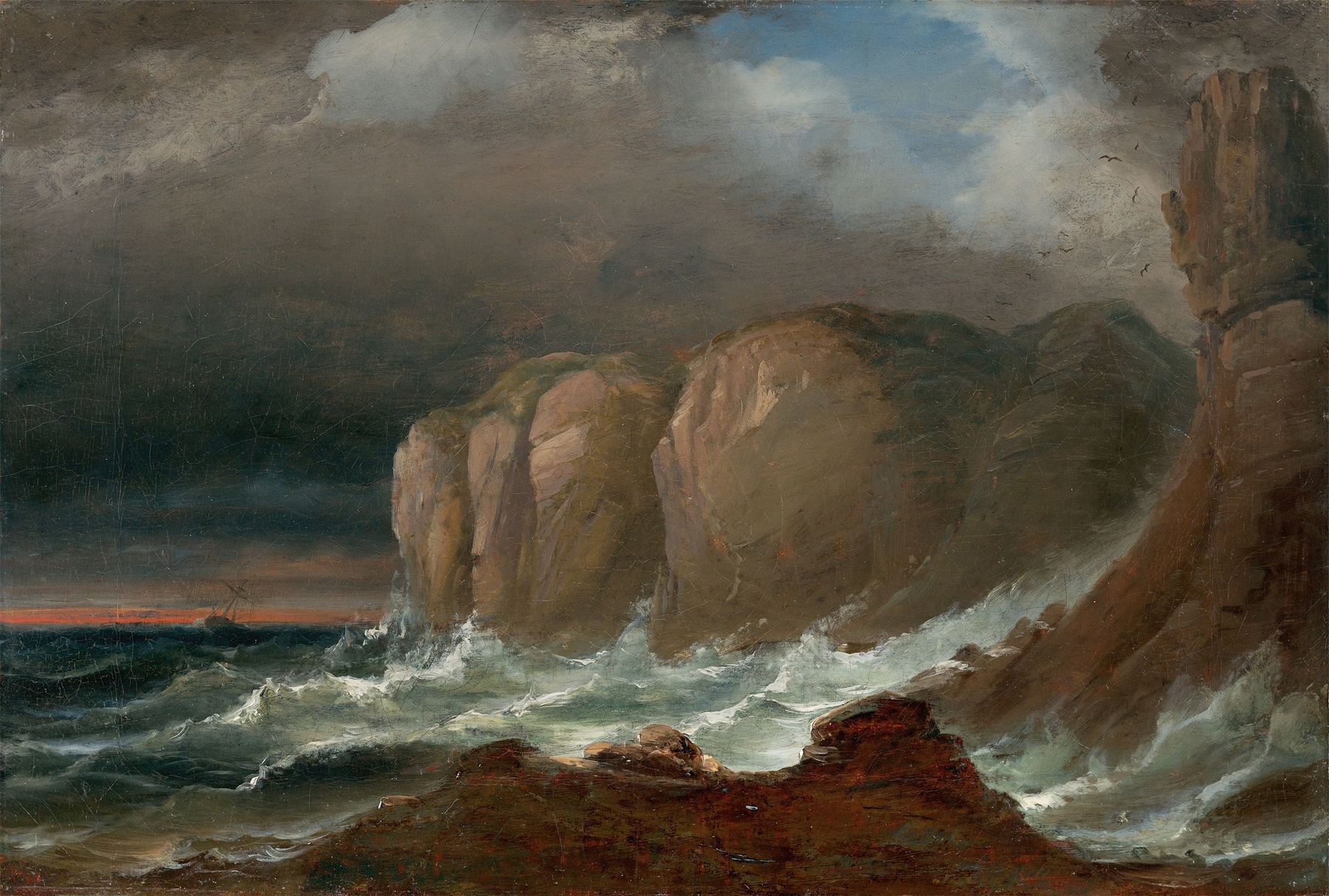
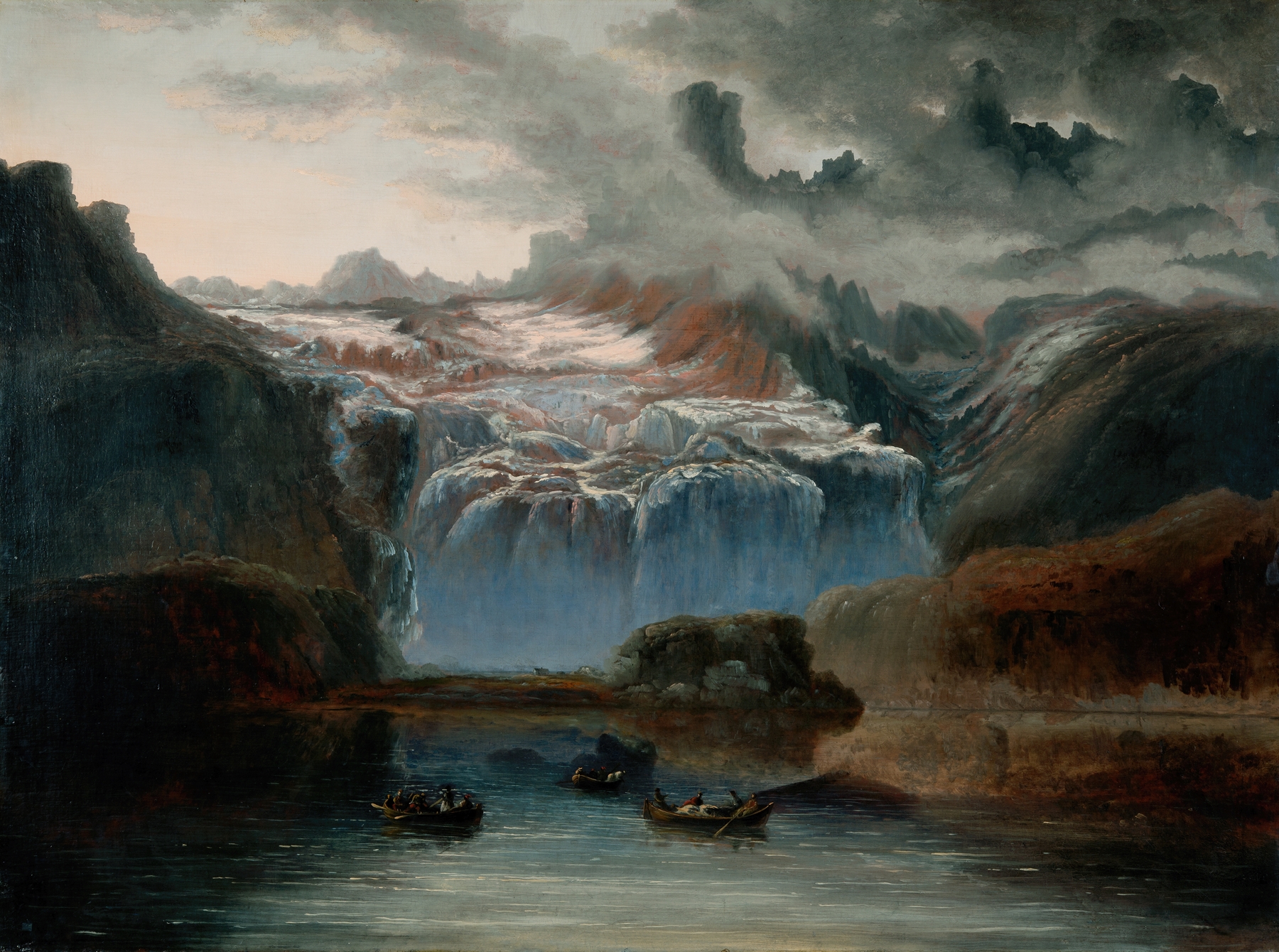
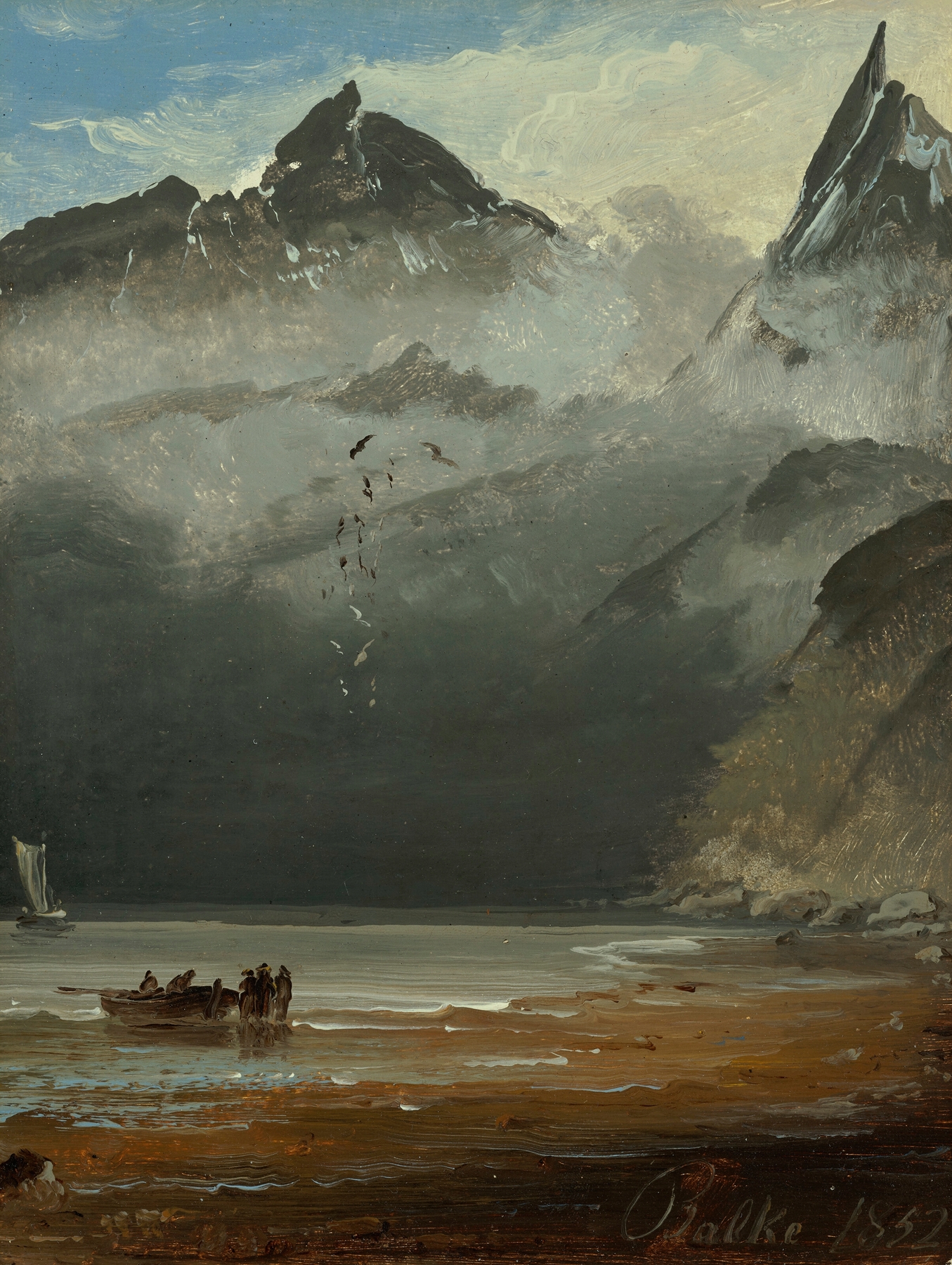
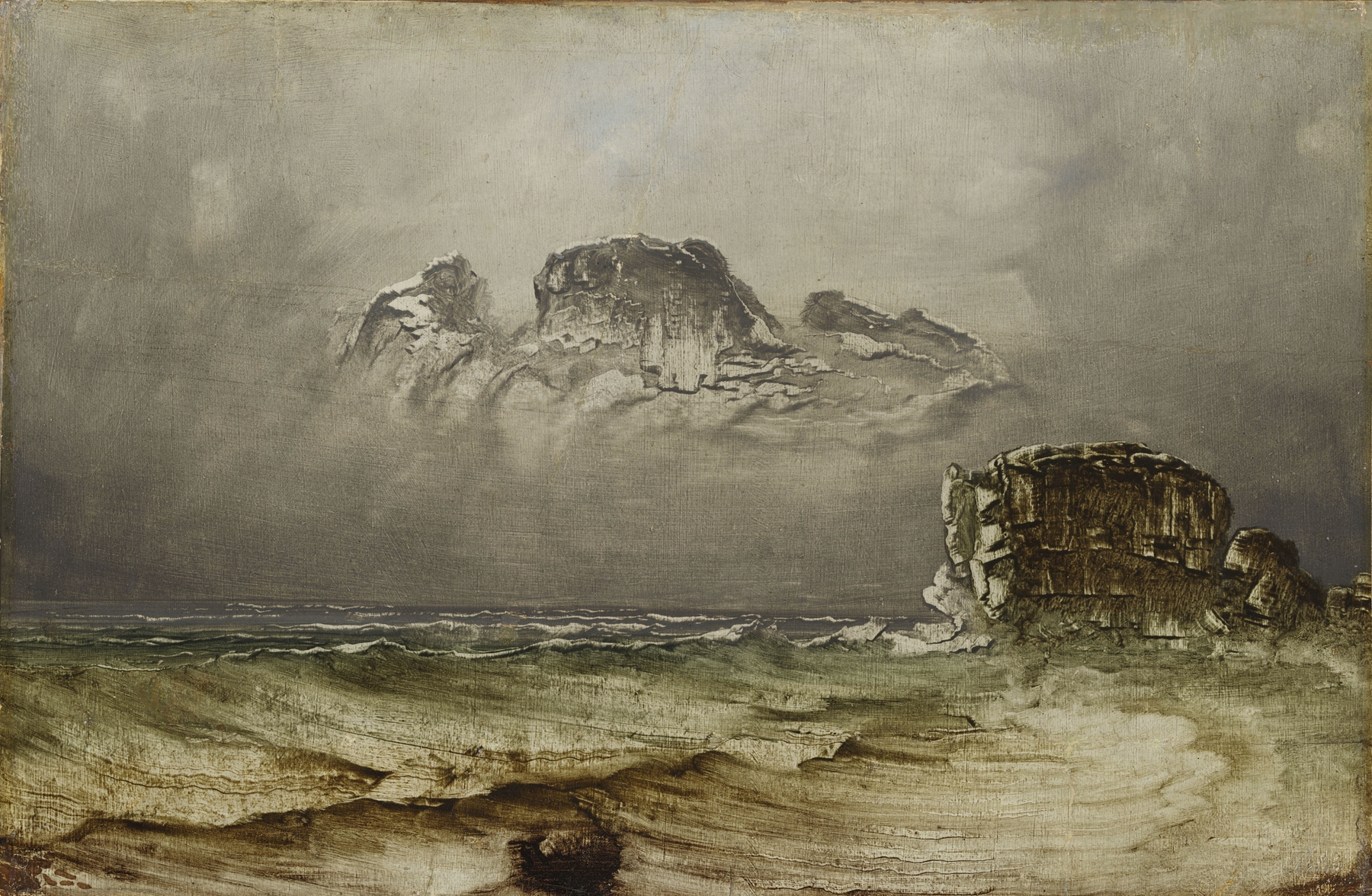
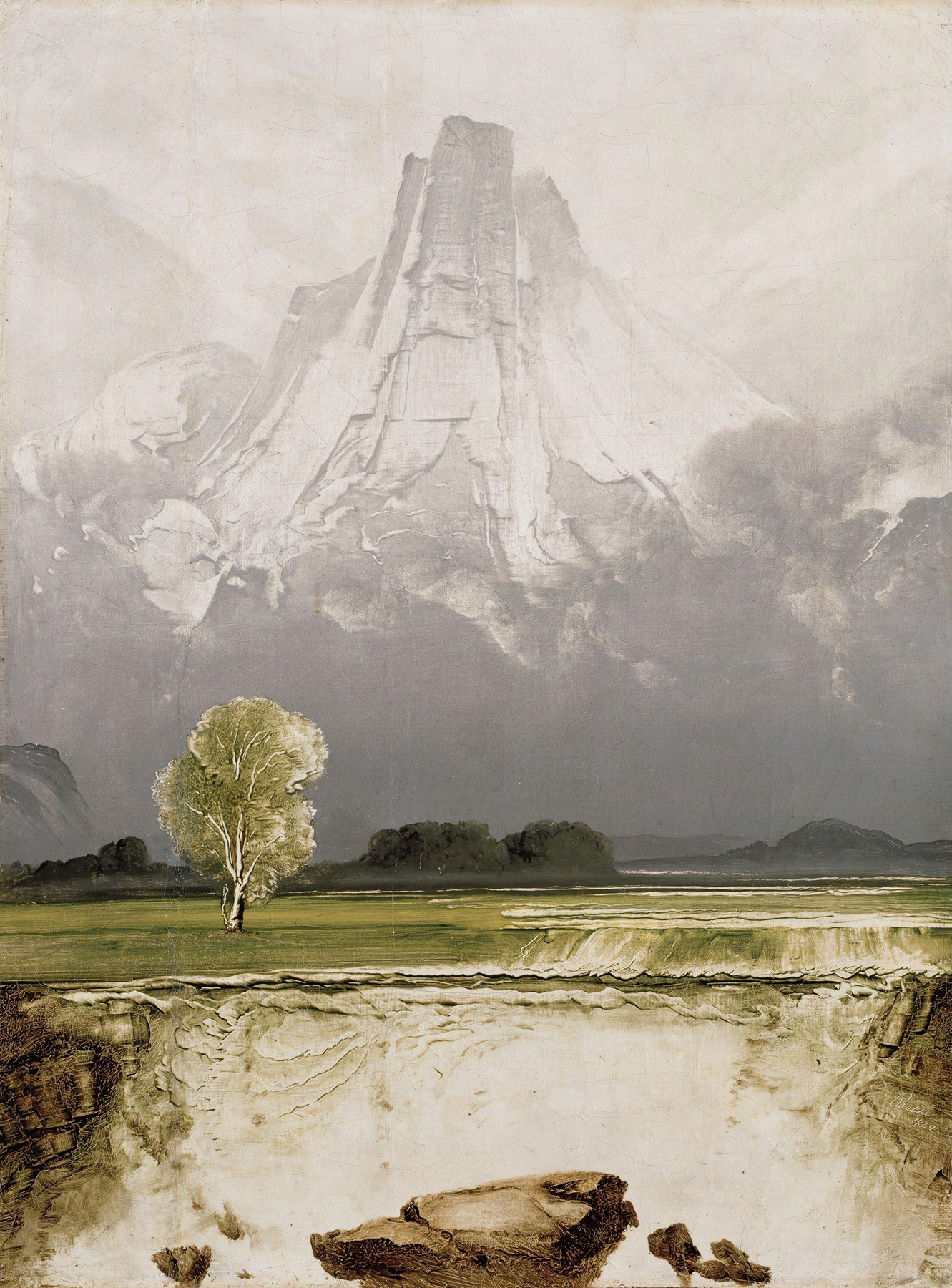
What if beauty was never meant to be finished? In From Nordland, the vast expanse of nature suggests an eternal unfolding, a moment captured yet perpetually in motion. First, look to the center where sweeping strokes of blue and white converge, evoking the icy embrace of a northern sea. The horizon blurs into a soft gradient that balances between serenity and tumult, drawing your eye outward toward the infinite.
Flashes of ochre and muted greens hint at rugged terrain, while the fluid brushwork creates a sense of wind and water, almost inviting you to step into the canvas. Delve deeper, and you’ll find the emotional tension woven within the colors. The striking contrast between the bright, airy sky and the darker, more somber earth embodies the duality of beauty and melancholy inherent in nature. The indistinct figures in the distance suggest human presence, yet they remain mere silhouettes, emphasizing the isolation one may feel amidst nature’s grandeur.
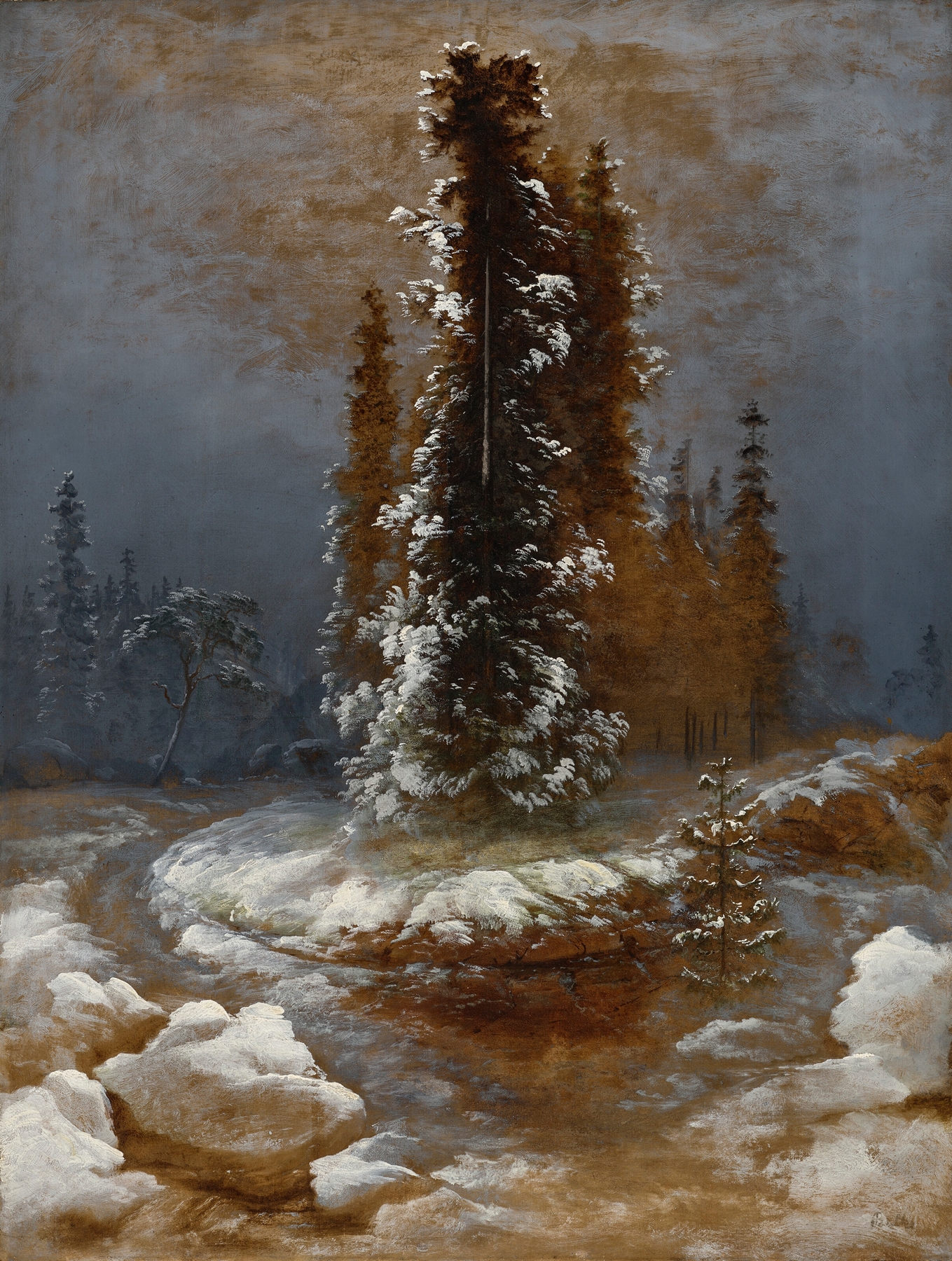
This tension resonates with the viewer, inviting personal reflection on their relationship with the sublime and the fleeting. Peder Balke painted From Nordland in an era marked by the rise of Romanticism, where artists sought to express emotional depths through landscapes. Although the exact date is unknown, this work likely emerged during the mid-19th century, a period when Balke, living in Norway, was deeply influenced by the dramatic natural scenery of his homeland and the cultural shifts toward individual experience in art.