Garden of the Painter at Saint Clair — History & Analysis
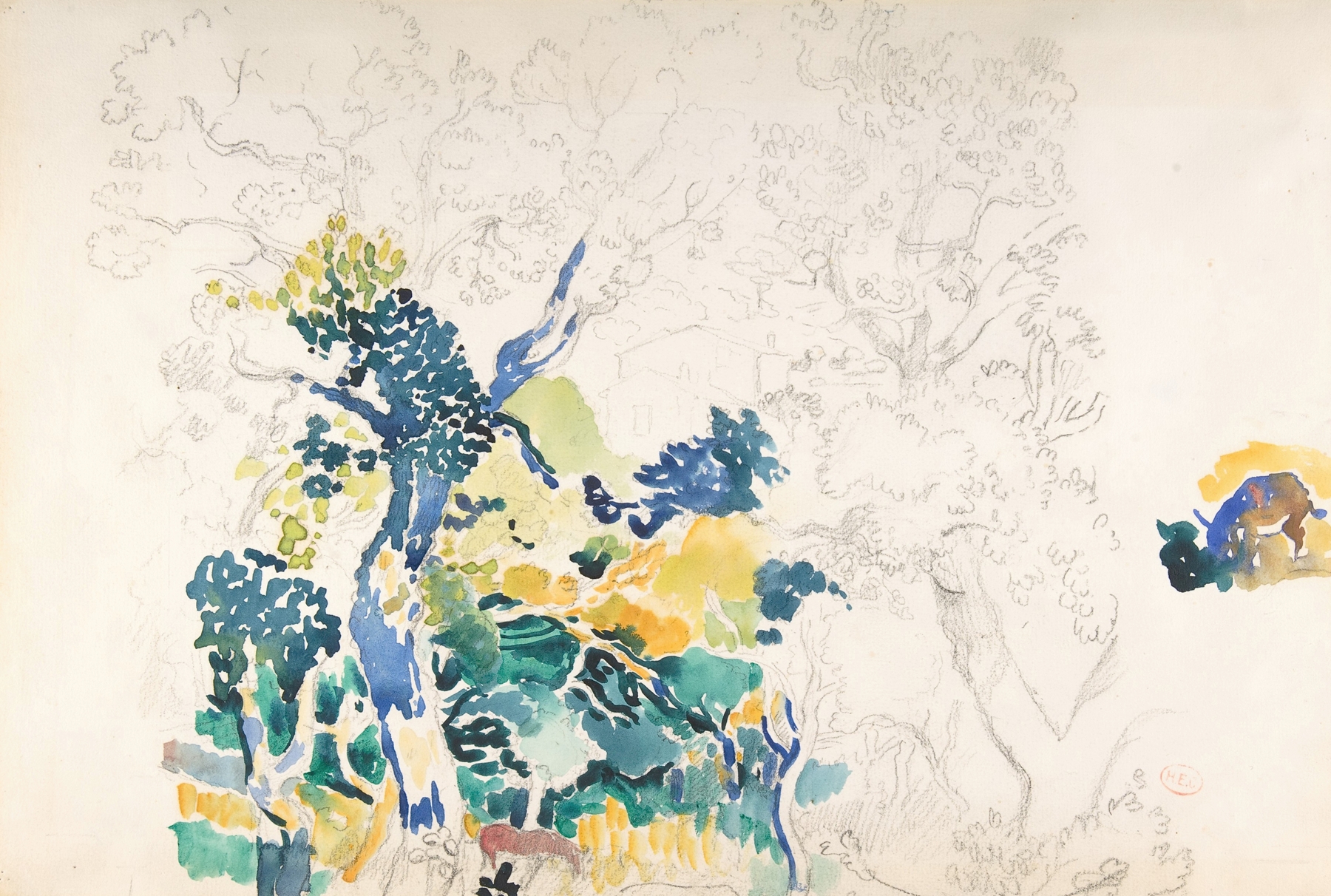
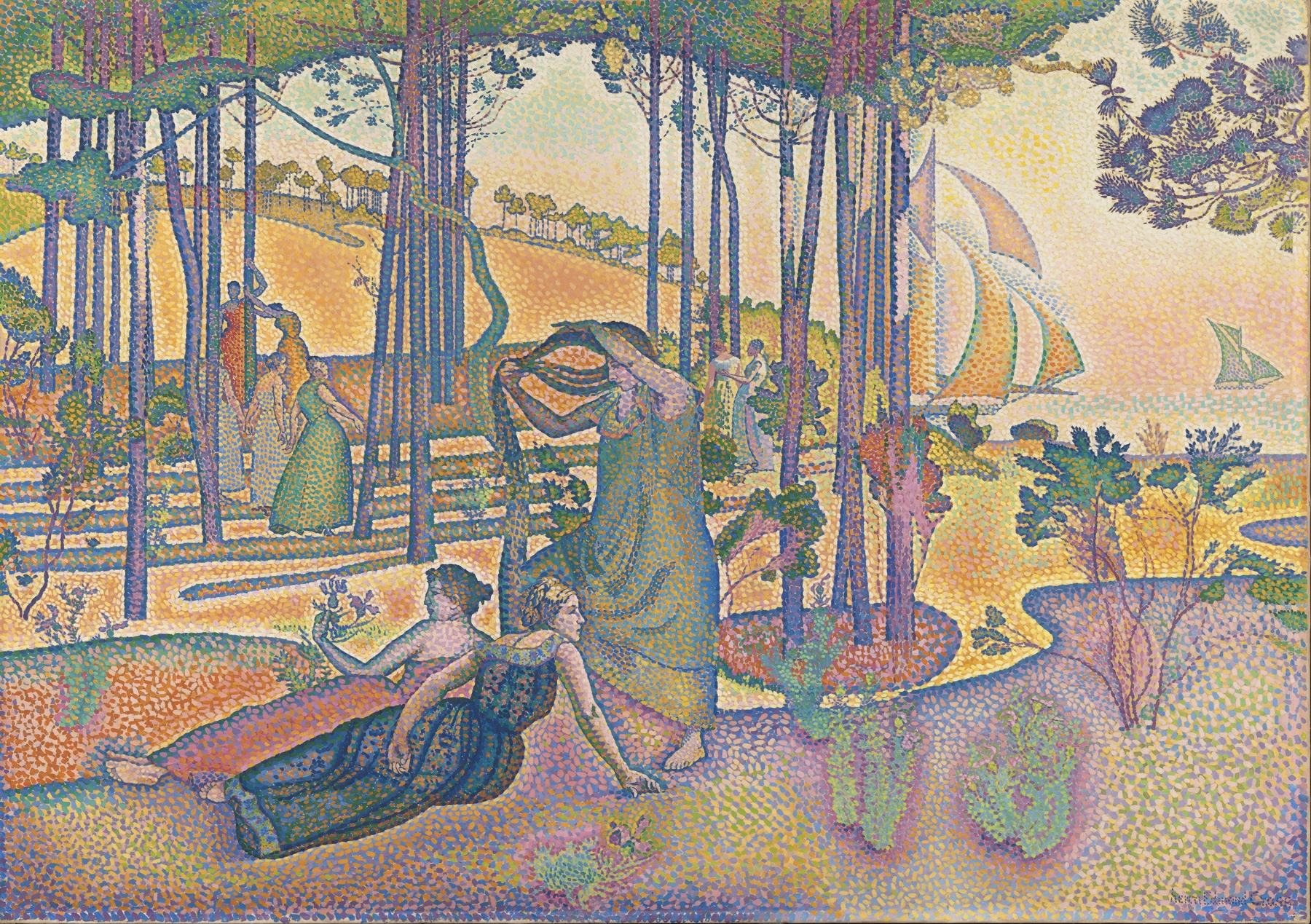
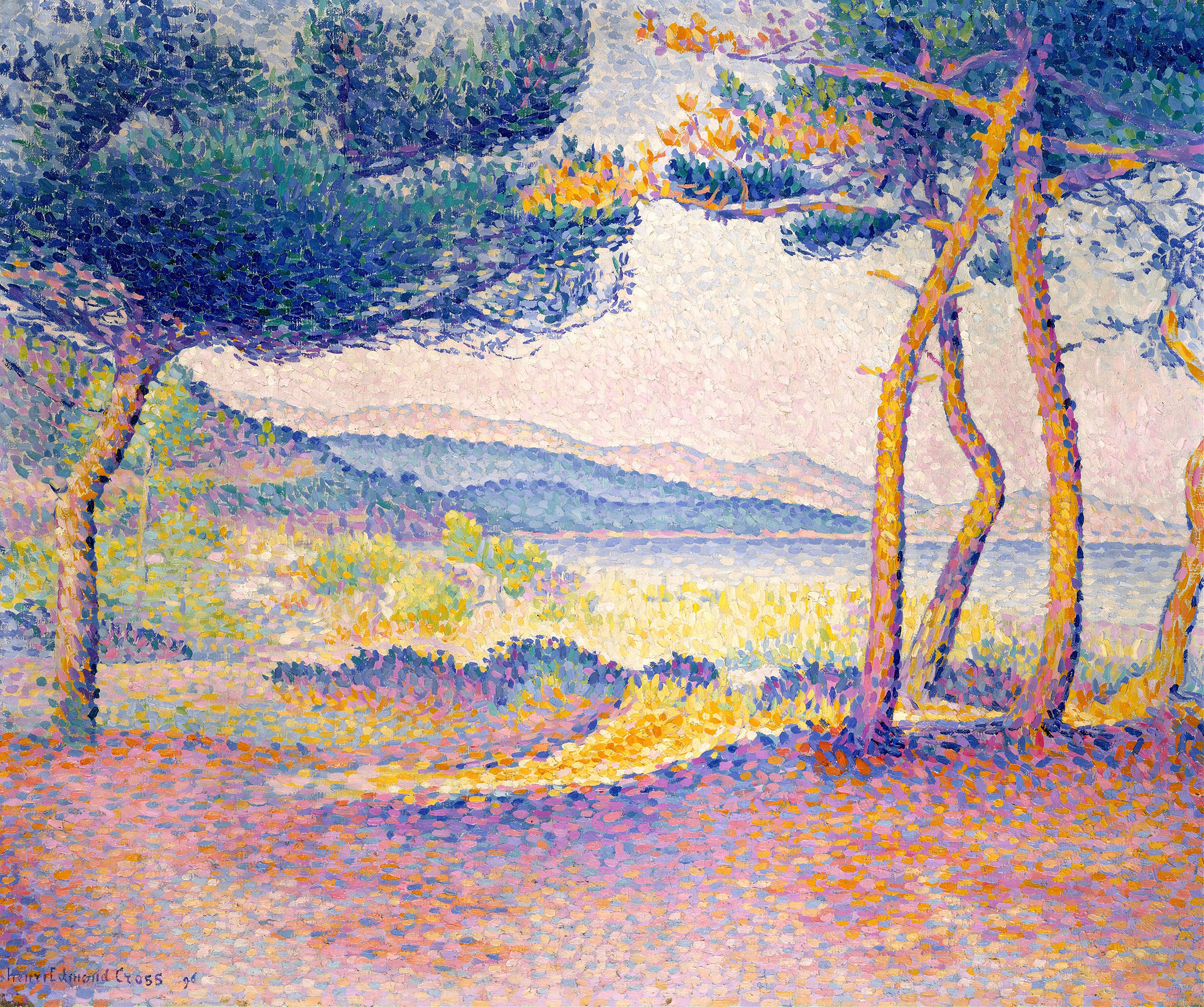
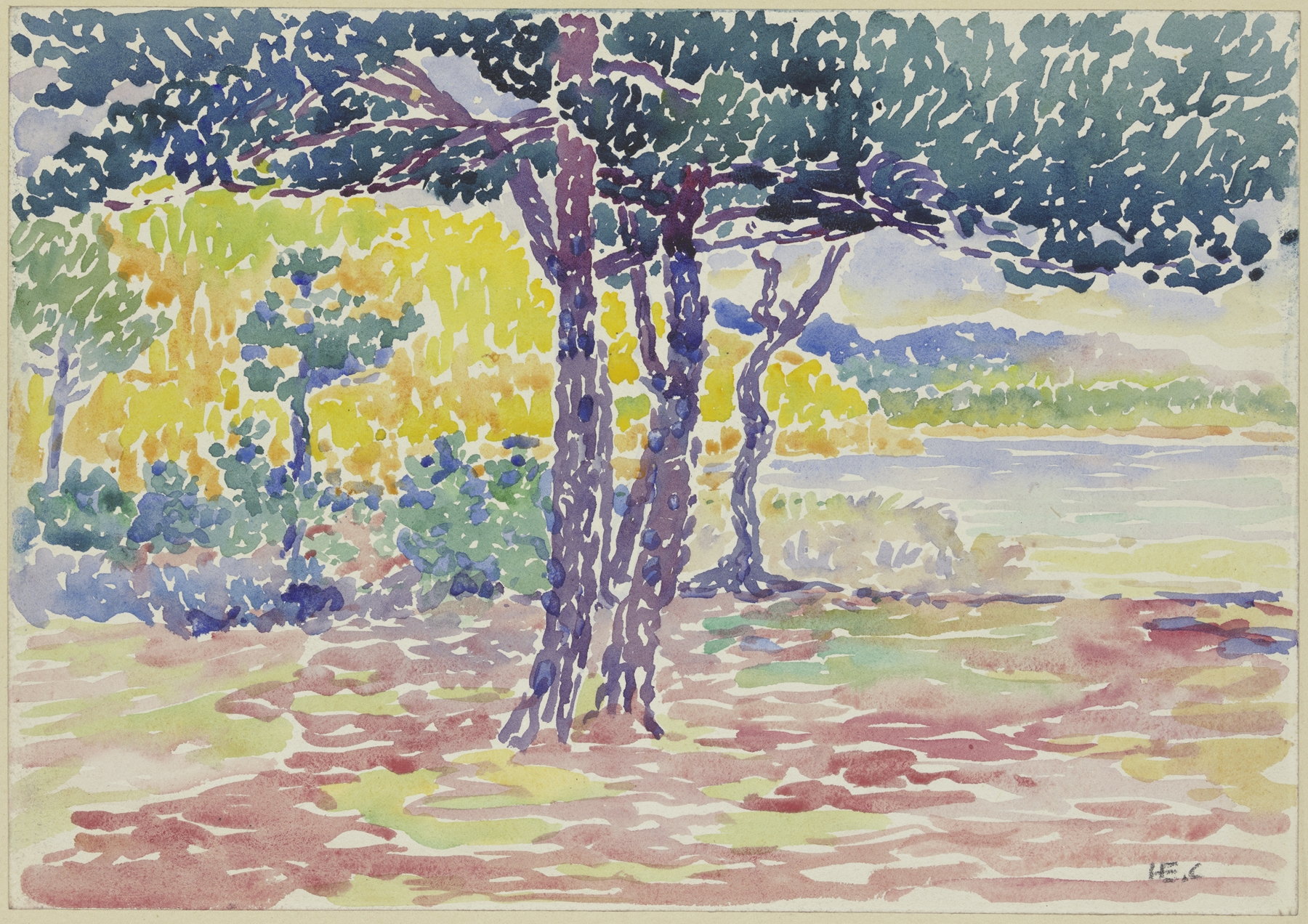
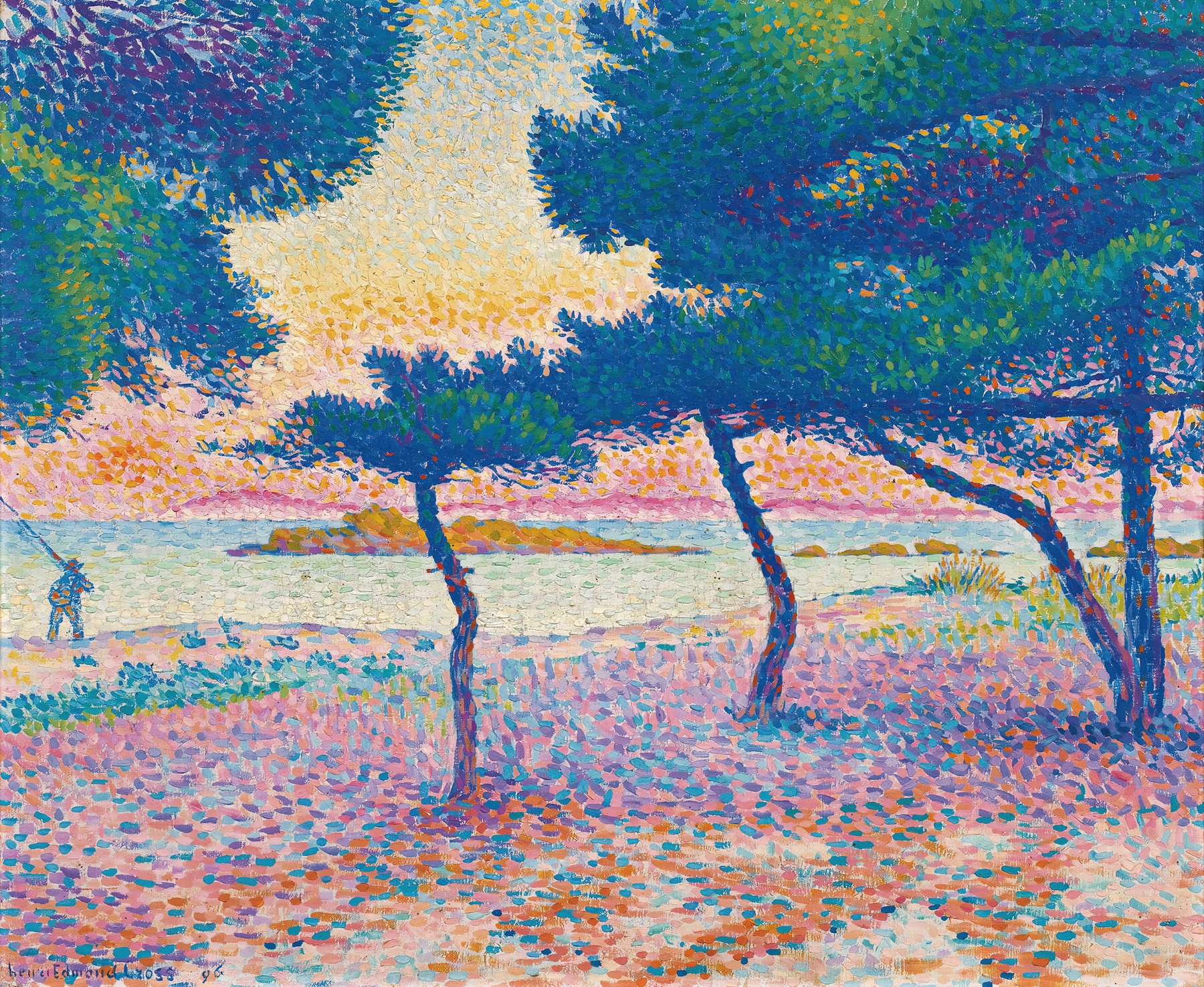
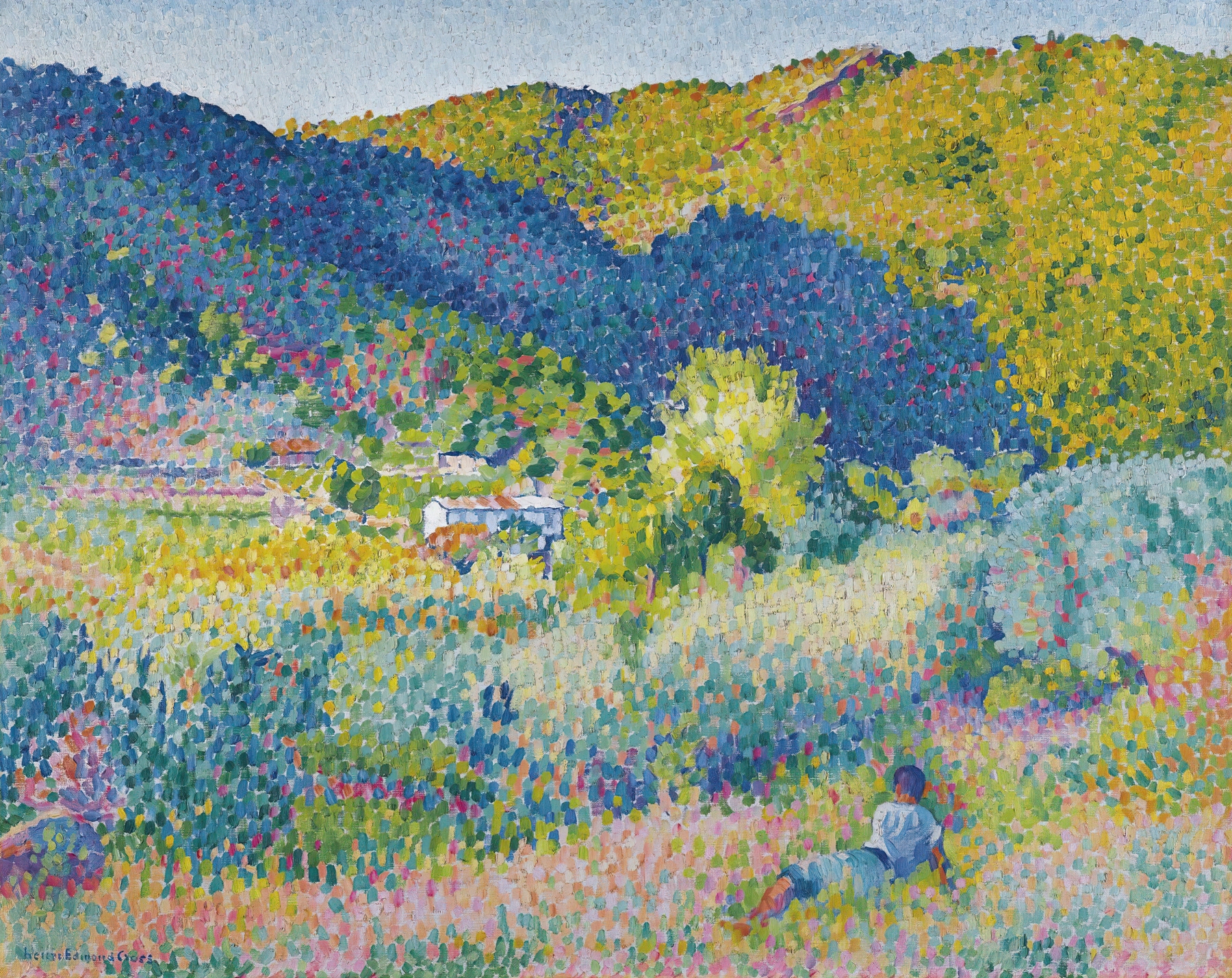
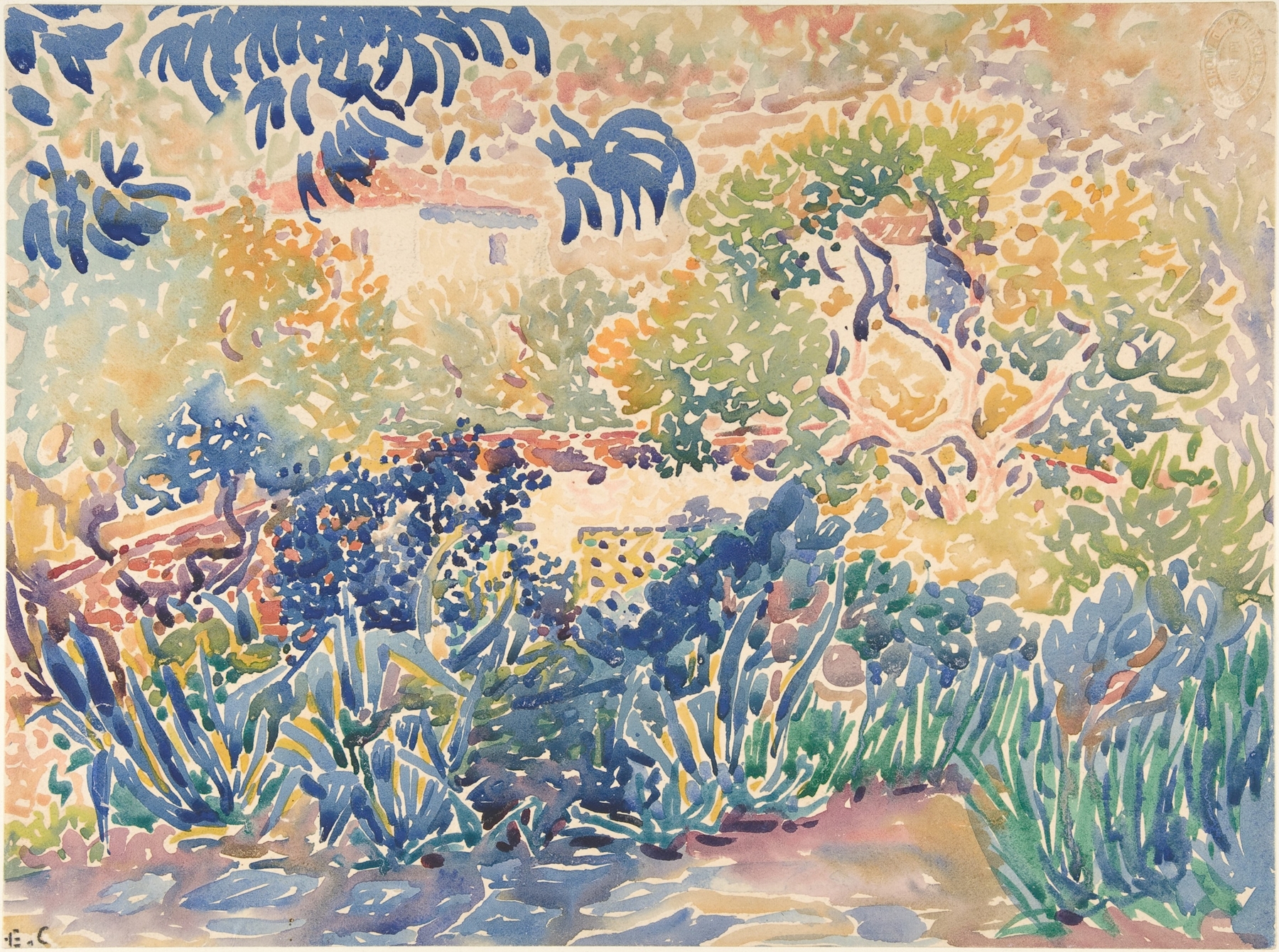
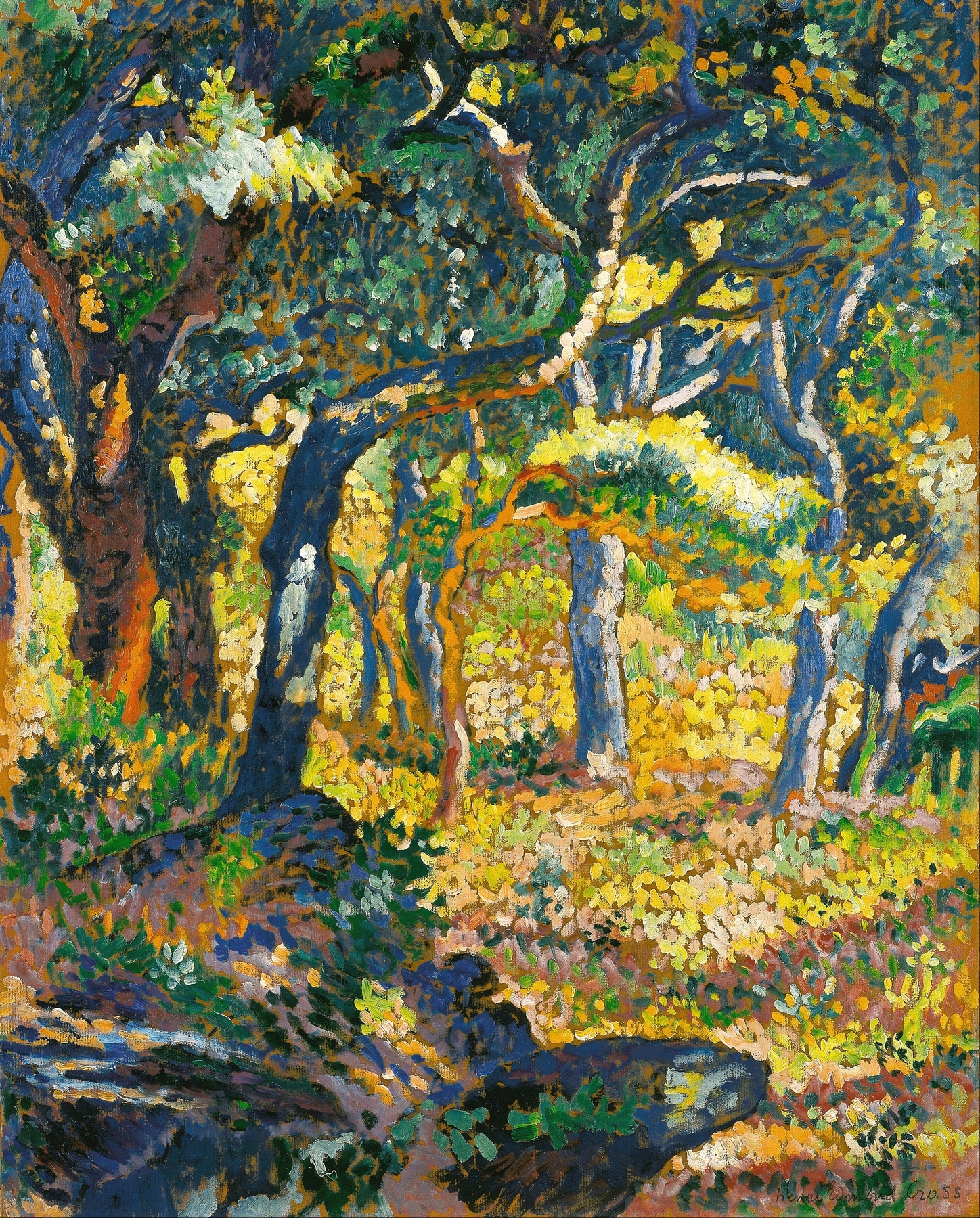
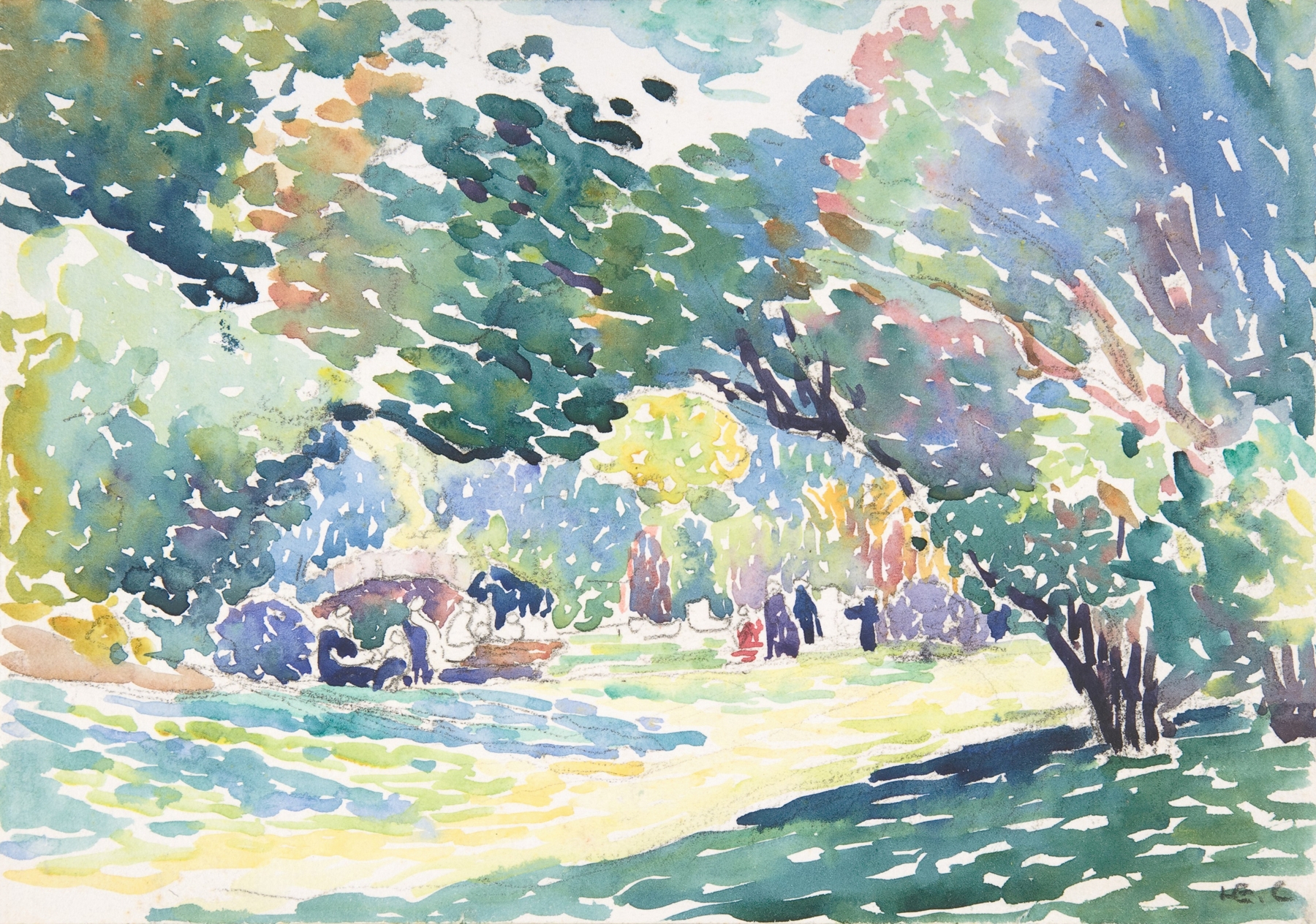
Amidst a riot of color, a painter stands in his garden, brush poised, capturing nature's vibrant essence on his canvas. The scene pulses with life: flowers sway gently in the breeze, and dappled sunlight filters through the leaves, casting playful shadows. Nearby, a soft murmur of water from a fountain complements the chorus of birds, creating an atmosphere of serene creativity. Look to the left at the vivid blossoms, their reds and yellows igniting the canvas with emotion. Focus on how the light dances upon the petals, rendered in thick, expressive strokes that seem to vibrate with energy.
Notice the artist’s deliberate placement of the easel within the lush greenery, emphasizing the intimate relationship between the creator and his surroundings. The vibrant palette is not just a representation of the garden but also a reflection of the artist's internal landscape, bursting with inspiration. Within this idyllic setting lies a deeper tension: the contrast between the tranquility of nature and the passionate pursuit of artistic expression. The garden, a symbol of creativity and growth, also suggests a fleeting moment, as the flowers will eventually fade.
The painter's solitary figure represents the struggle of the artist, ensnared in the duality of creation and impermanence, each stroke a bid to immortalize the ephemeral beauty around him. Henri-Edmond Cross painted Garden of the Painter at Saint Clair in 1908 while living in the idyllic coastal village of Saint Clair, France. At this point in his career, he was deeply influenced by the Neo-Impressionist movement, having transitioned from earlier styles to embrace a brighter, more vibrant palette. His exploration of color and light reflected not only his personal journey but also the broader evolution of modern art during a time when the boundaries of traditional techniques were being fervently challenged.