Gardiner’s Bay from Sag Harbor — History & Analysis
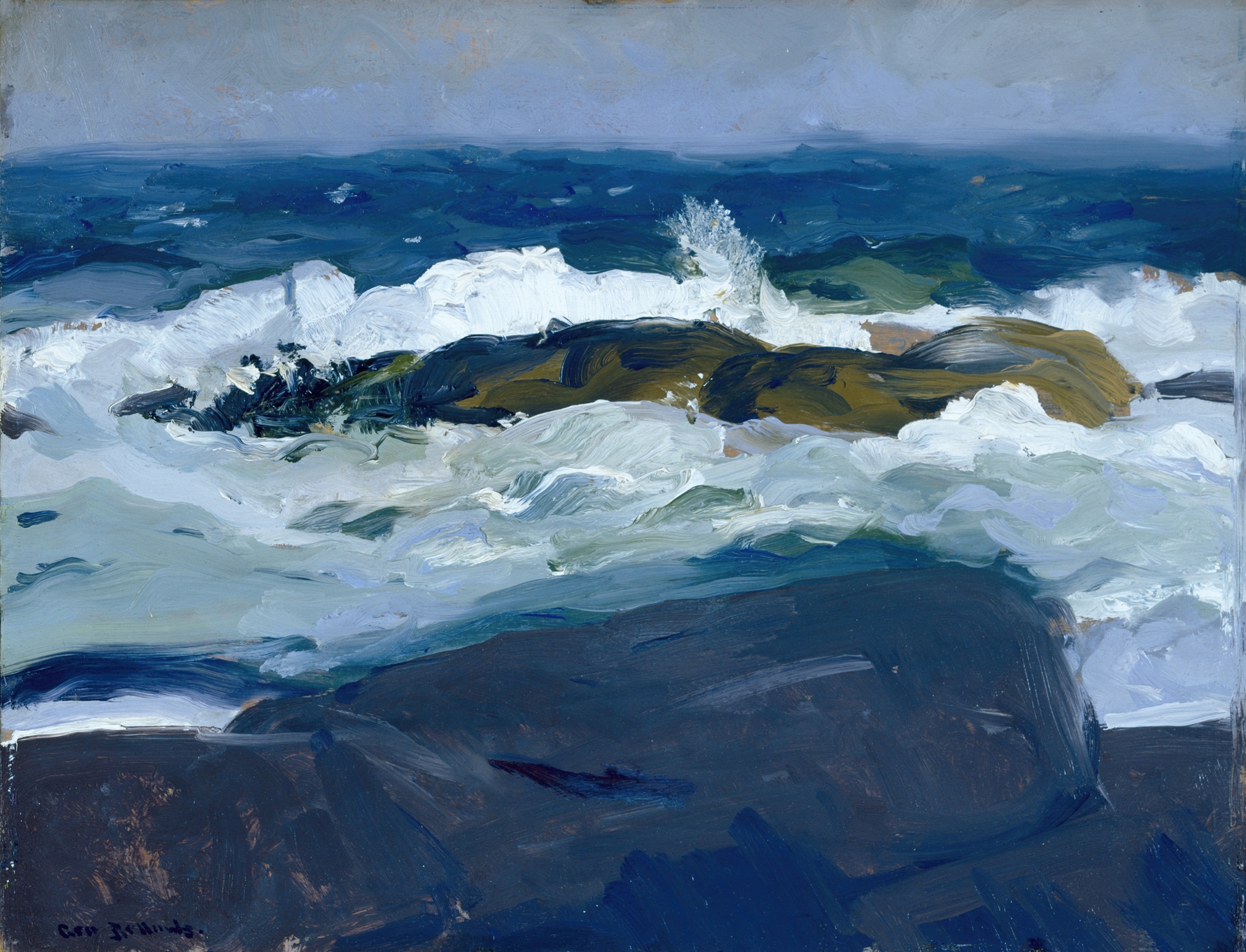
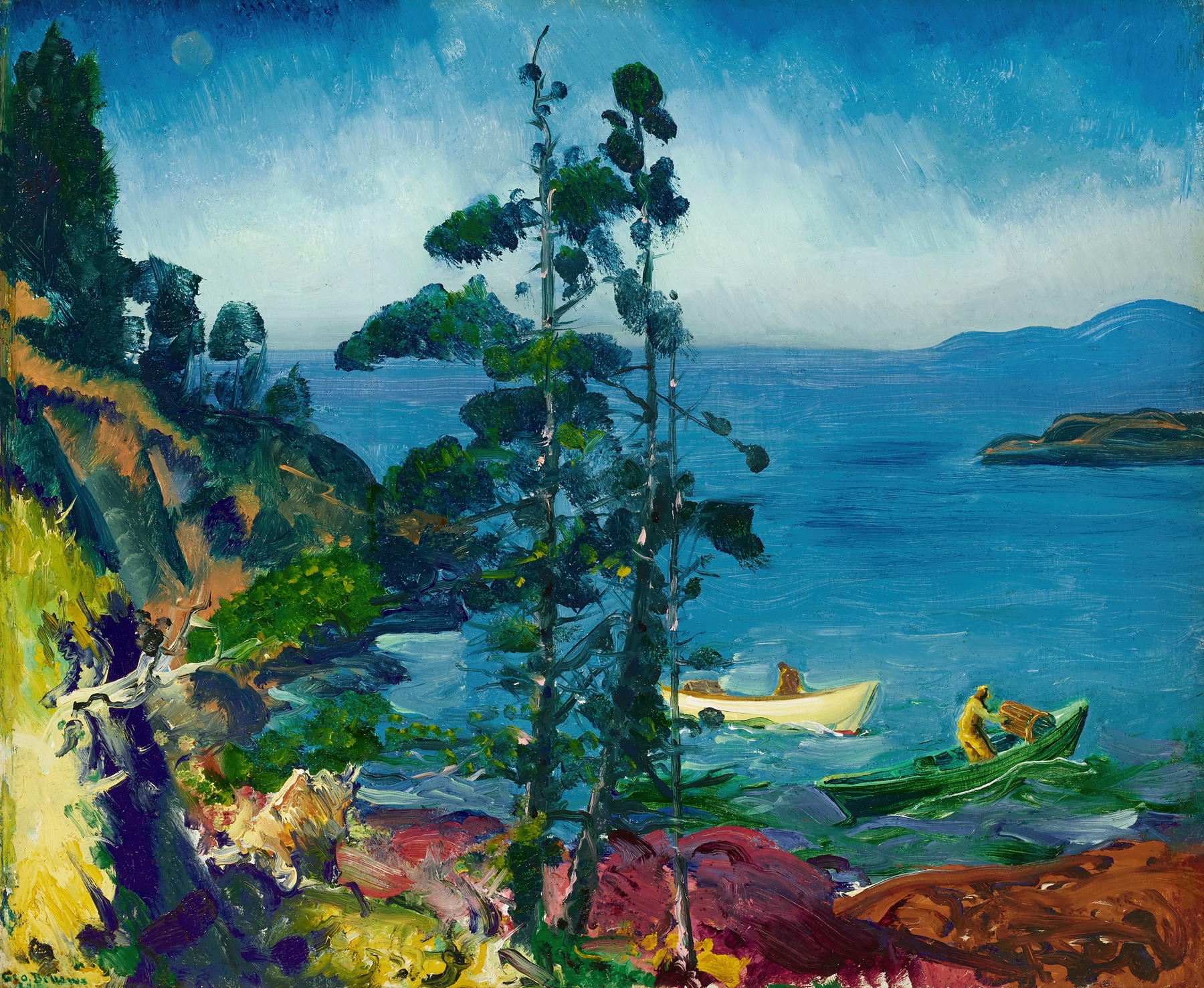
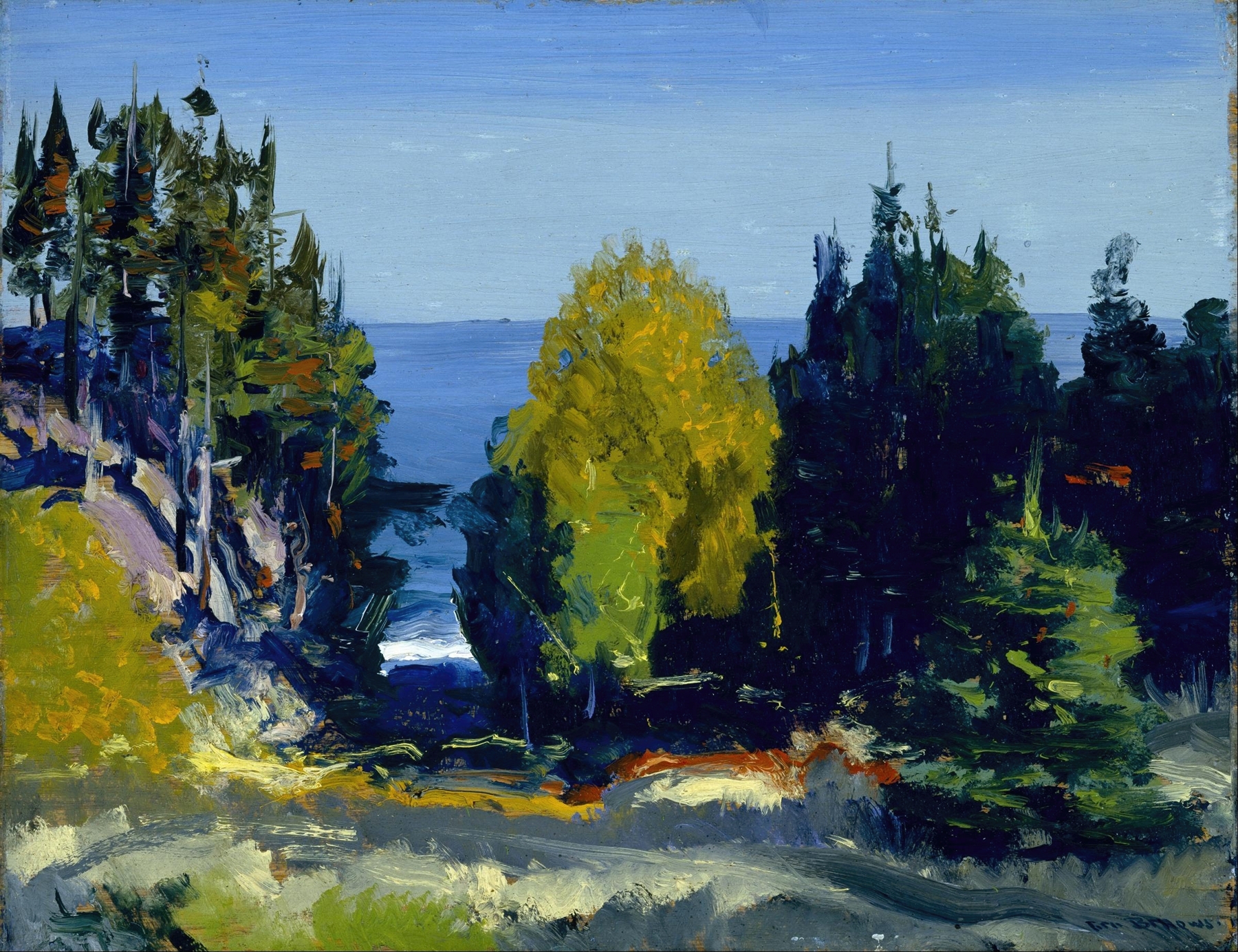
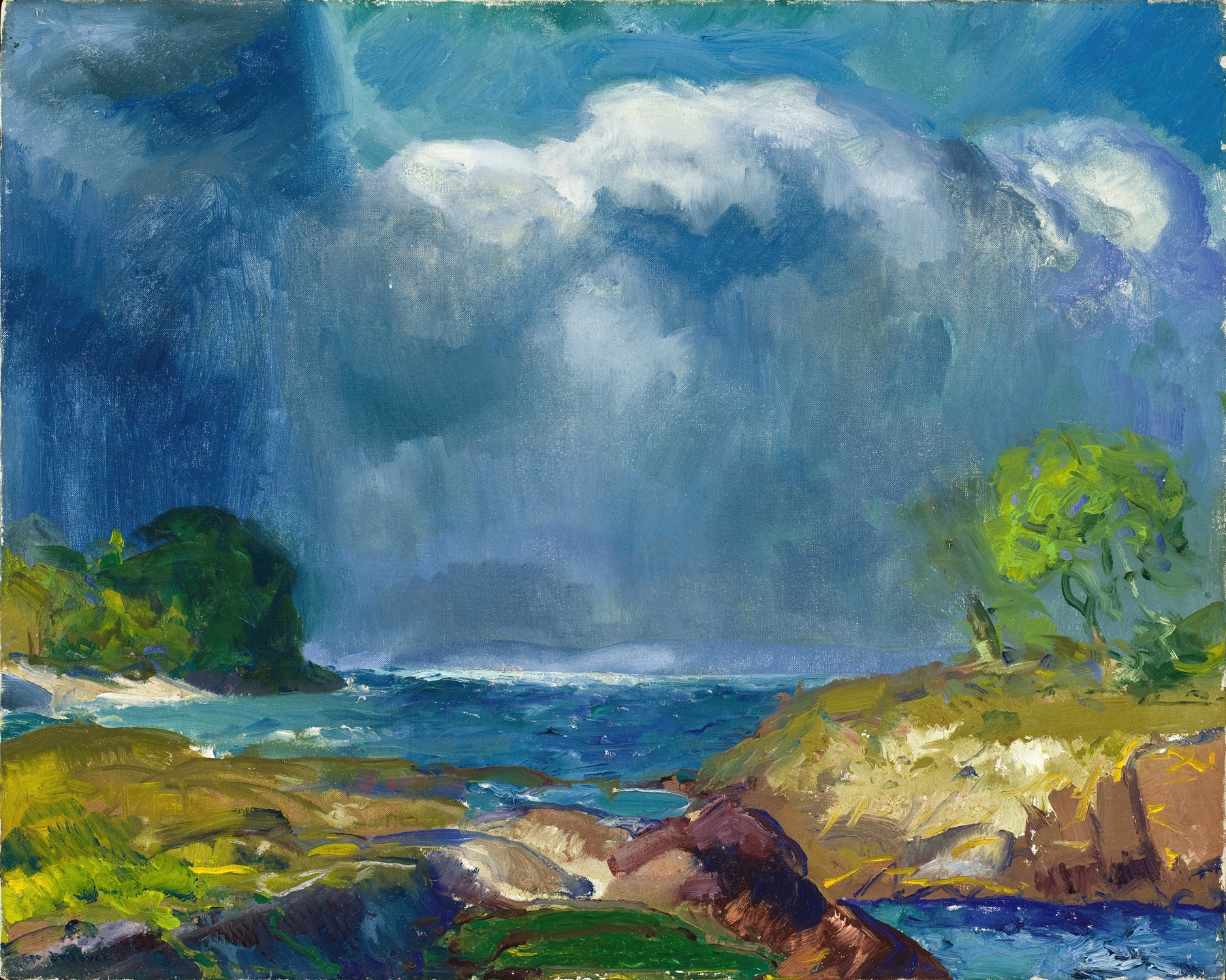
“Between color and silence, truth hides.” In a world that often feels overwhelming, the delicate interplay of hues can reveal life’s fragility. Look to the center where the calm waters of Gardiner's Bay reflect an ethereal sky, hinting at twilight's embrace. The soft blues and purples blend seamlessly with the gentle strokes of white, echoing clouds that seem to float in the expanding horizon. Notice how the brushwork captures both the serenity of the moment and the underlying tension, as if nature is holding its breath.
The horizon draws the eye outward, suggesting infinite possibilities while simultaneously hinting at the ephemeral nature of this tranquil scene. Delving deeper, one can sense the quietude, a poignant silence that pervades the bay. The distant sailboat appears almost ghostly, a mere whisper against the backdrop of vivid color, conveying the idea of isolation in a vast world.
This contrast between the vibrancy of the landscape and the solitary vessel invites reflection on human connection and solitude, suggesting that amidst beauty lies an inherent fragility, a transient moment that cannot be held. In 1899, during a pivotal period of American art, the artist painted this work while living in New York City, inspired by the burgeoning Ashcan School movement that sought to capture the raw, unfiltered essence of life. Bellows’s explorations of landscapes, alongside his powerful depictions of urban life, mark a significant evolution in his artistic journey, highlighting his ability to blend emotion and realism while responding to the changing American scene.