The Grove – Monhegan — History & Analysis
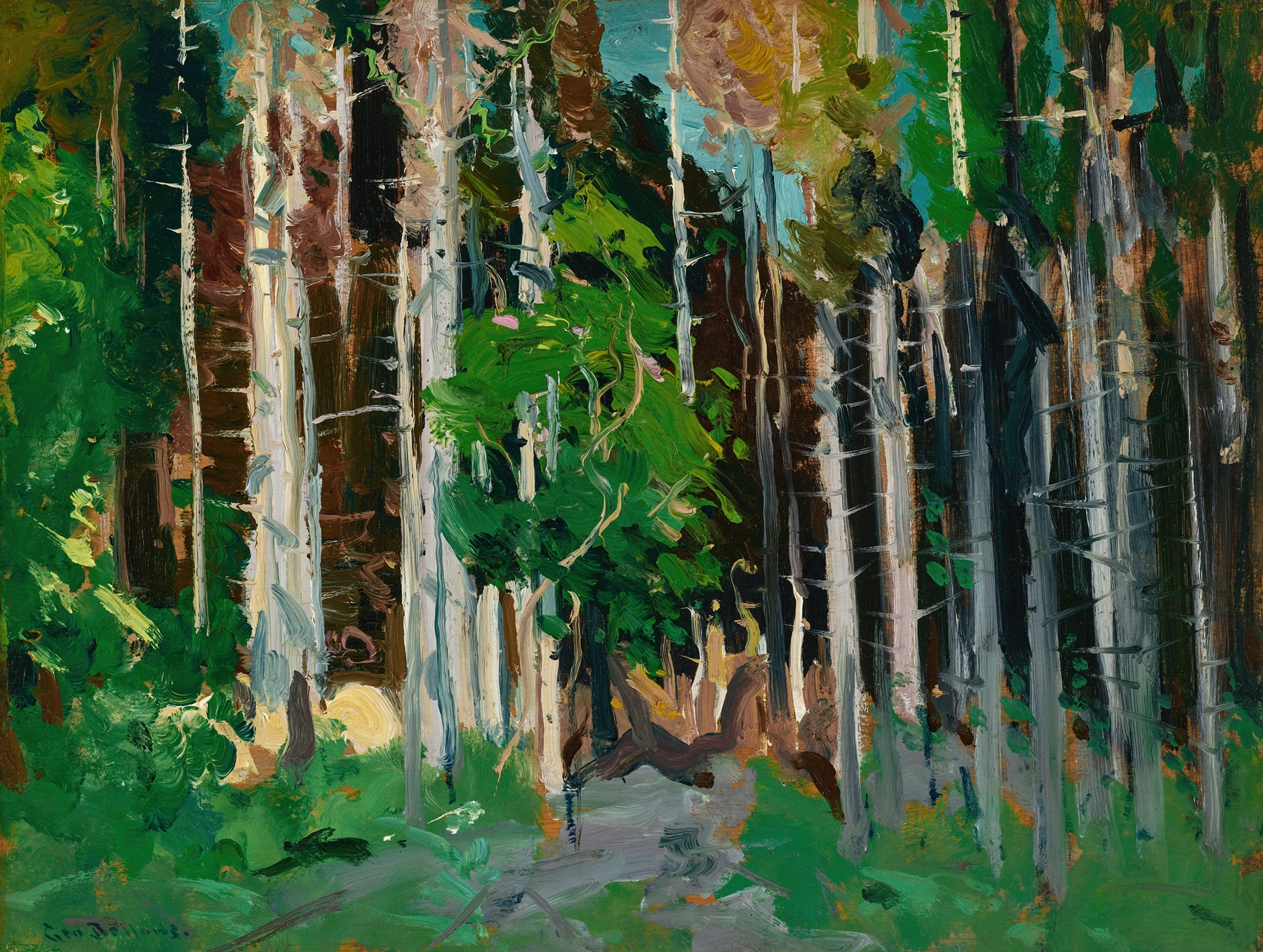
“To paint is to remember what time wants us to forget.” In a world often engulfed in the void of fleeting moments, art becomes a sanctuary where time stands still. Look to the center of the canvas, where a cluster of trees rises, their thick, verdant foliage interspersed with patches of sunlight. The dappled light dances upon the ground, revealing the textured greens and browns that breathe life into the scene. Notice how the rich, vibrant pigments contrast with the cooler hues in the background, evoking a sense of depth that invites the viewer to step into this serene grove.
Each brushstroke feels like a whisper, creating an atmosphere of tranquility that envelops you. Beneath the surface lies a poignant tension: the lushness of nature against the void of time. The trees stand resolute, yet their existence hints at impermanence, a reminder that even the most vibrant scenes will fade. The interplay of light and shadow captures both the joy of life and the inevitability of its passage.
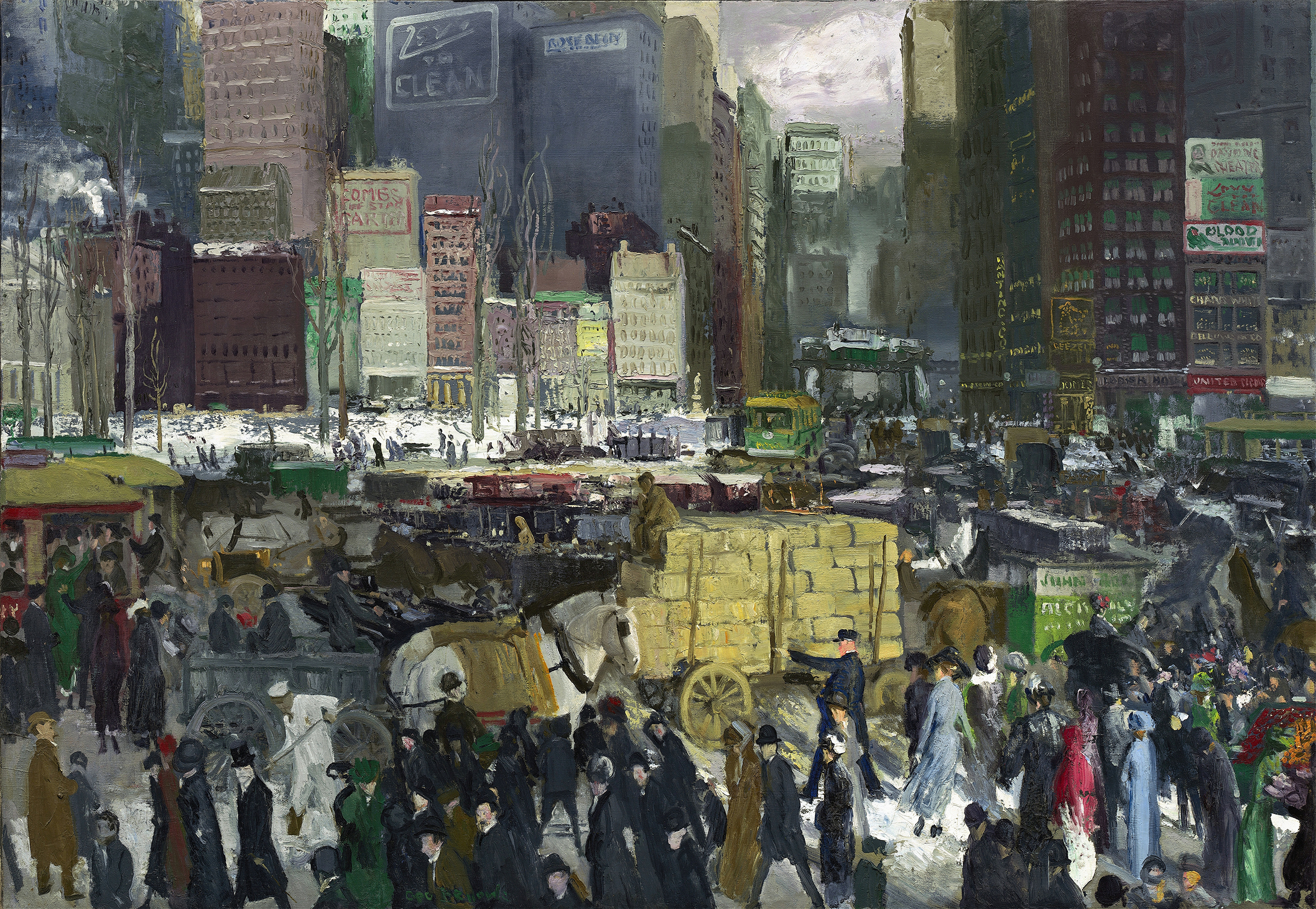
The painting embodies a contemplative silence, encouraging reflection on the spaces we inhabit and the beauty that slips away. In 1913, the artist was working in New York City, where he was deeply immersed in the Ashcan School of art. This movement focused on the realities of life, often highlighting urban scenes and the working class. However, The Grove – Monhegan marks a departure for him, as he turned his attention to the natural world, reflecting his search for solace amidst the bustle of city life.