The Coming Storm — History & Analysis
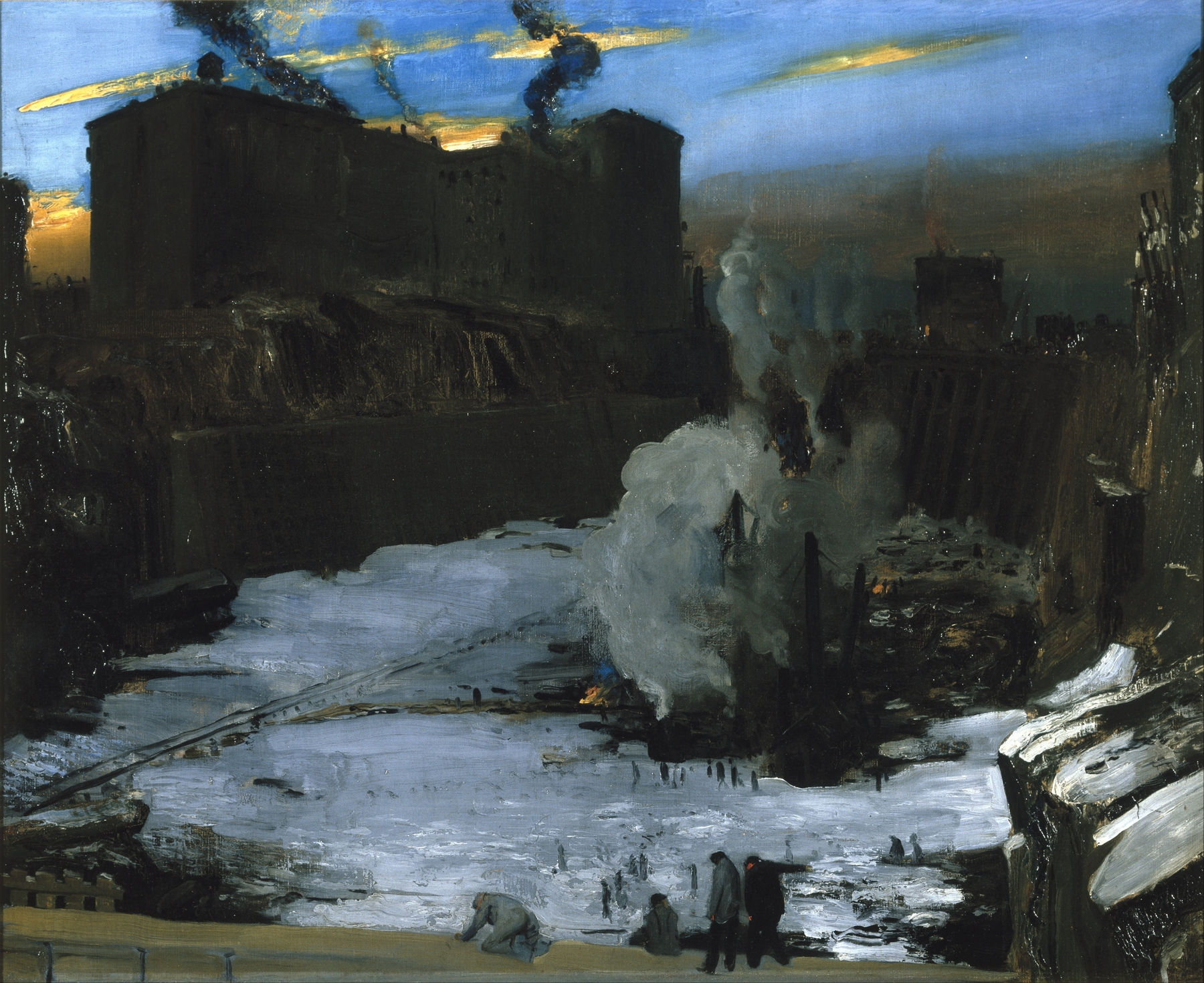
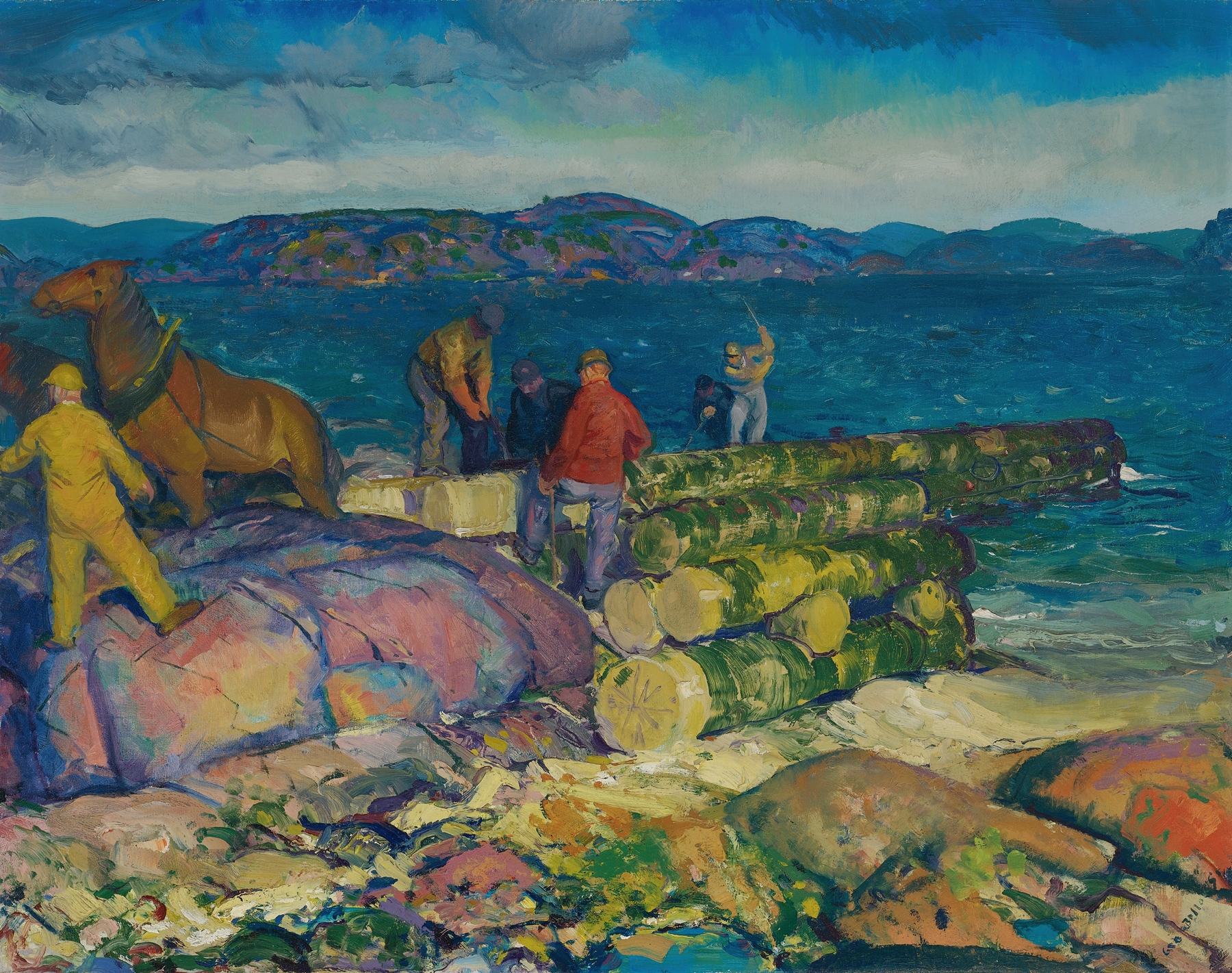
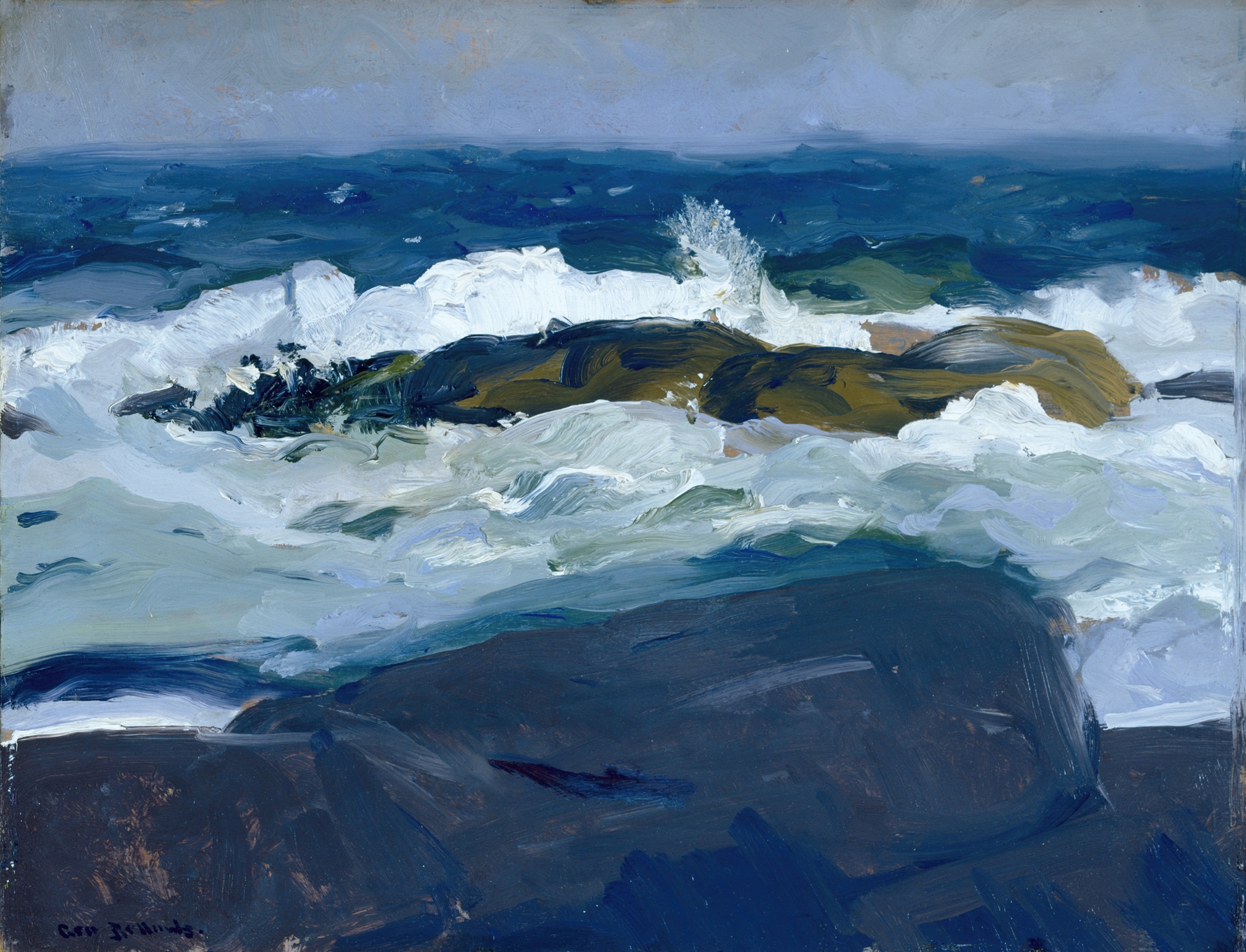
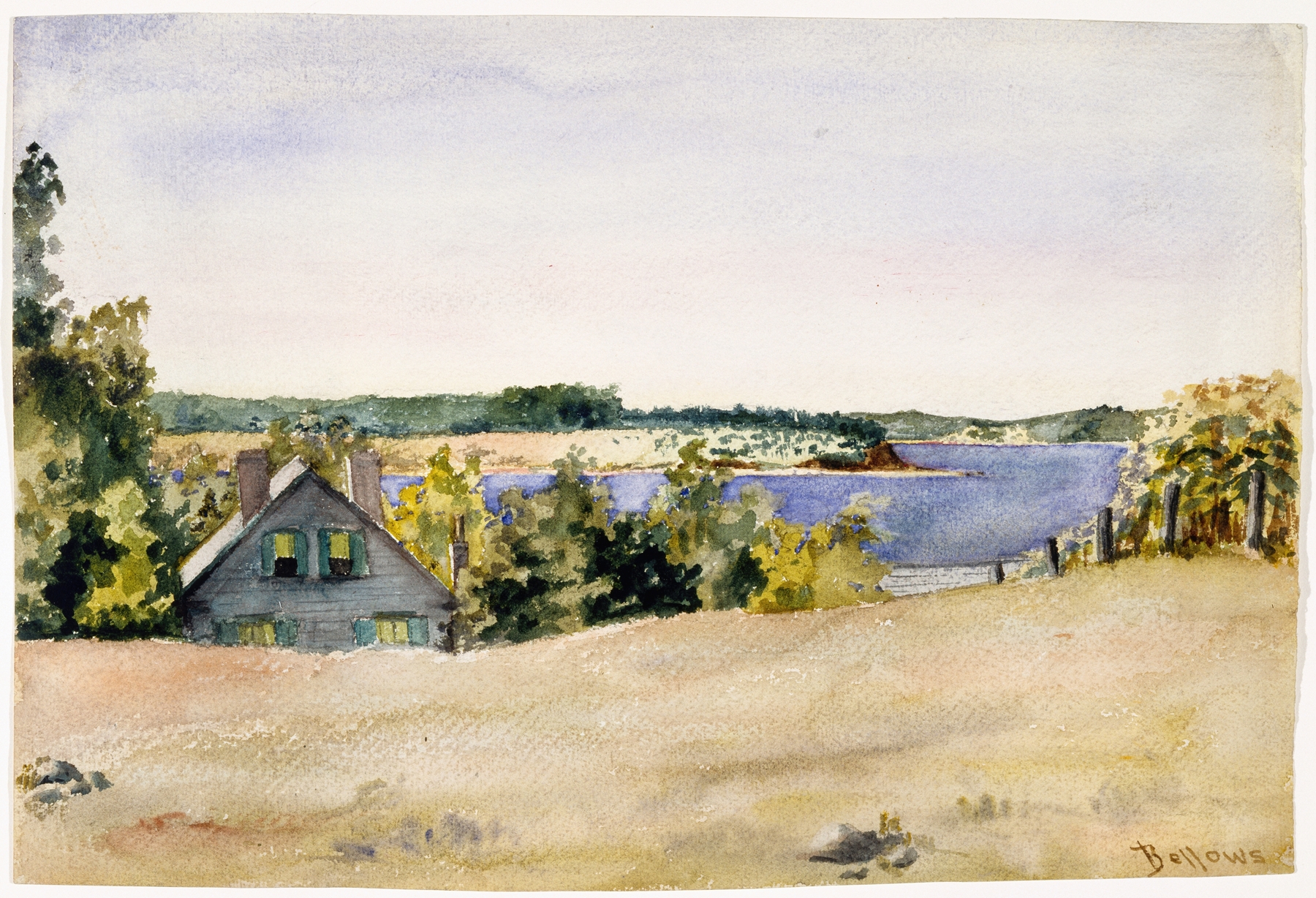
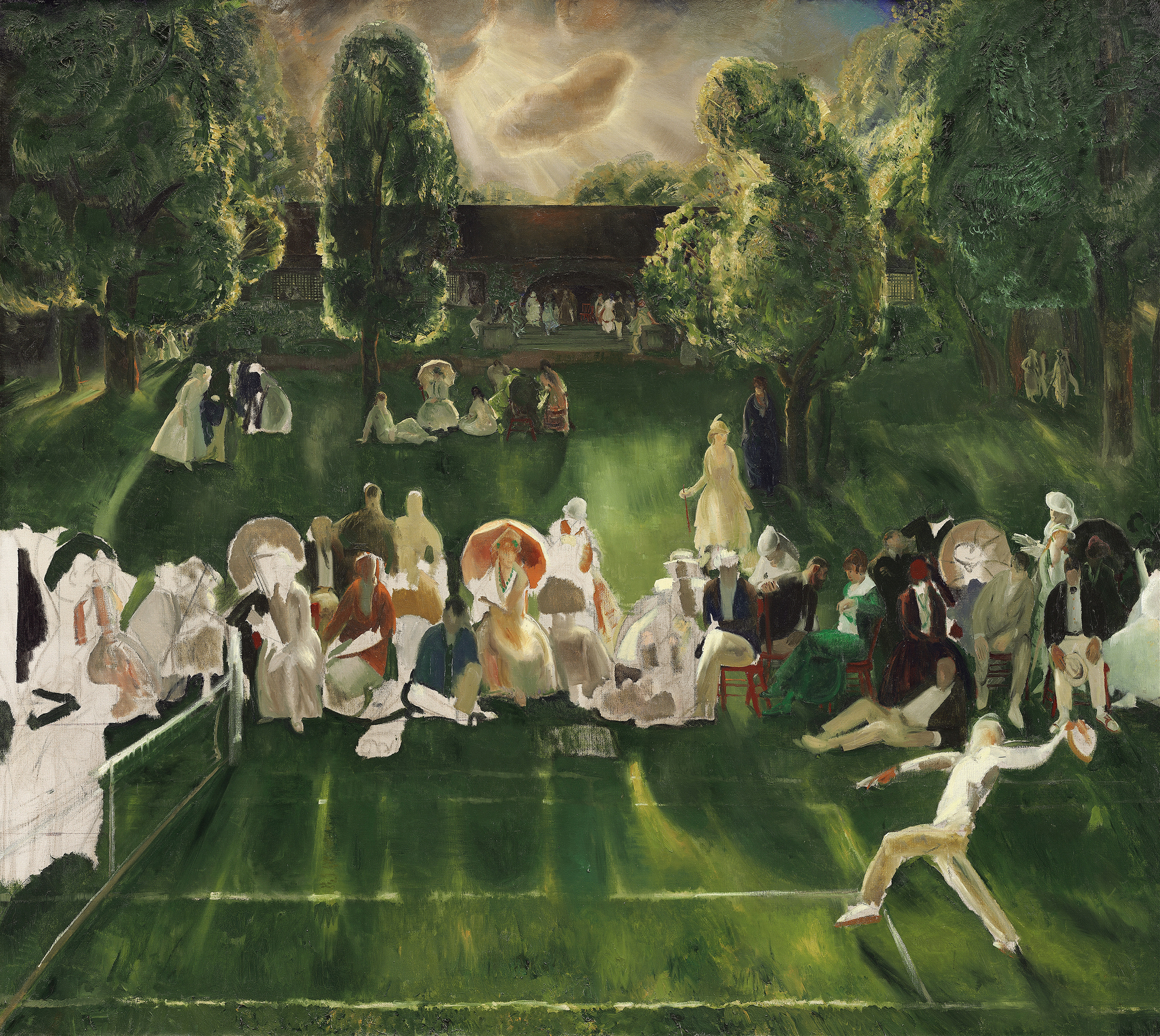
“The canvas doesn’t lie — it simply waits.” In this moment of anticipation, creation hangs in the air like charged electricity, urging us to consider what might emerge from the depths of imagination. Look to the center of the piece, where heavy clouds swirl with intensity, a tempestuous palette of deep blues and grays dominates the sky, clashing with hints of fiery orange peeking through. The brush strokes are fluid and dynamic, as if the wind itself has left its mark, creating a sense of movement that captivates the eye. The earth below is rendered with earthy tones, grounding the viewer amidst the chaos above, while the distant horizon shimmers, hinting at the calm that lies beyond the storm.
Beneath the surface, the painting evokes a tension between chaos and serenity, inviting contemplation of the duality of nature. The storm represents an impending change, a metaphor for the struggles inherent in the creative process — the turmoil that often precedes artistic revelation. The juxtaposition of turbulent skies against the more stable ground speaks to the balance we must find between disruption and peace in our own lives.
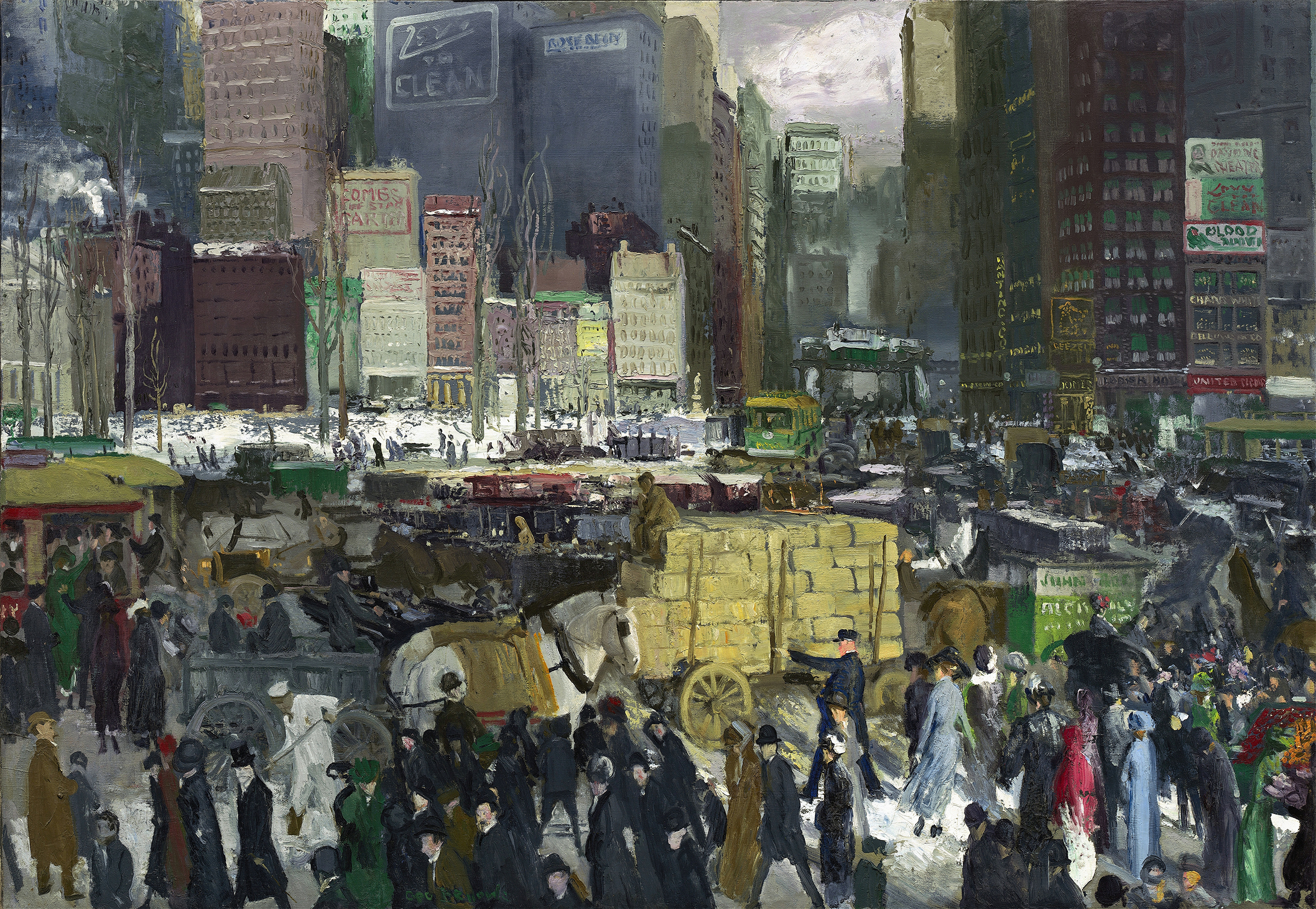
In 1916, during a time of upheaval in the world, the artist painted this piece in New York City. Bellows was deeply engaged with the burgeoning American art scene, exploring themes of modernity and the visceral experience of life. The looming storm parallels the tumult of World War I, reflecting both personal turmoil and societal upheaval, as the artist grappled with the shifting landscape of his own artistic journey.