New York — History & Analysis
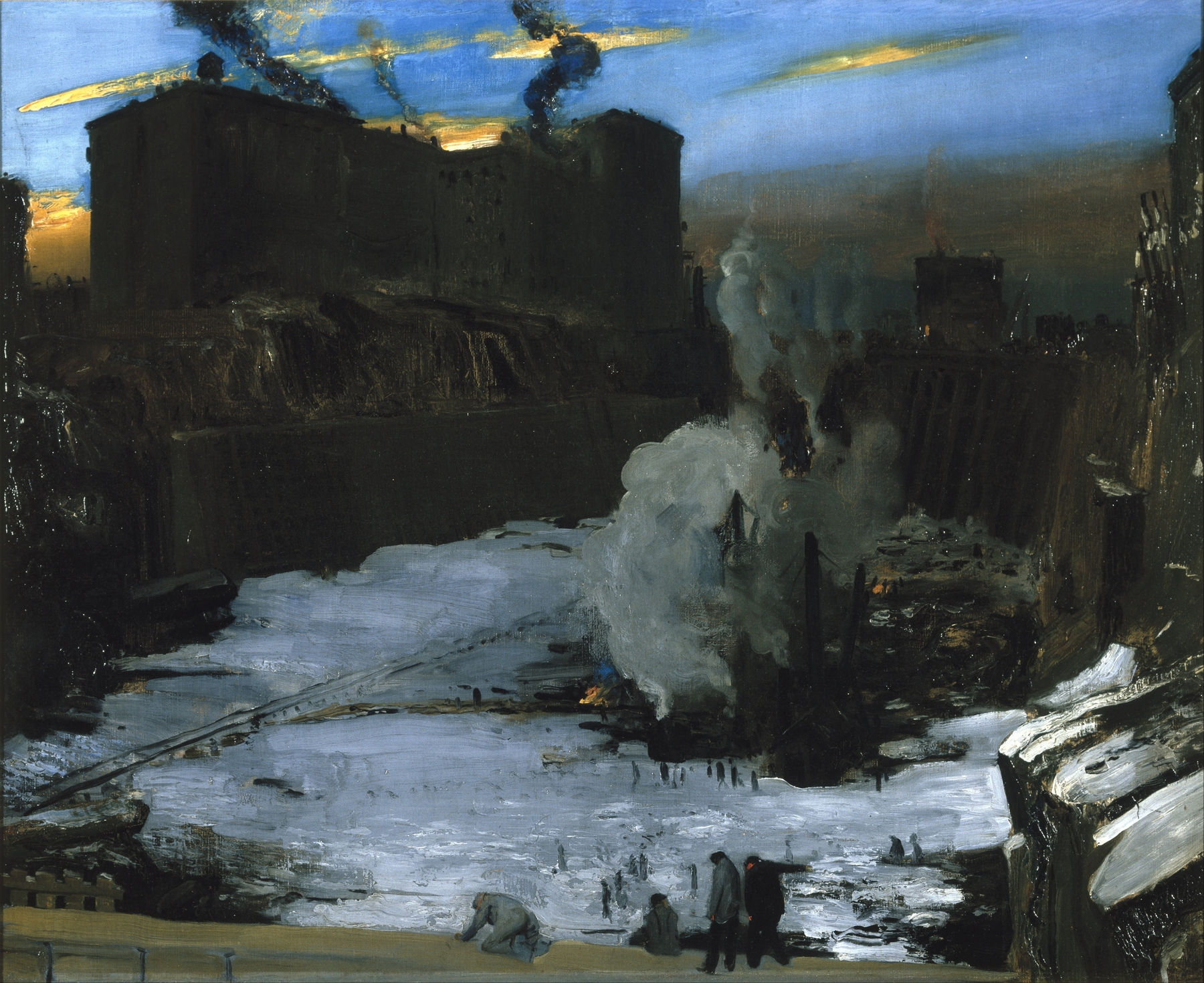
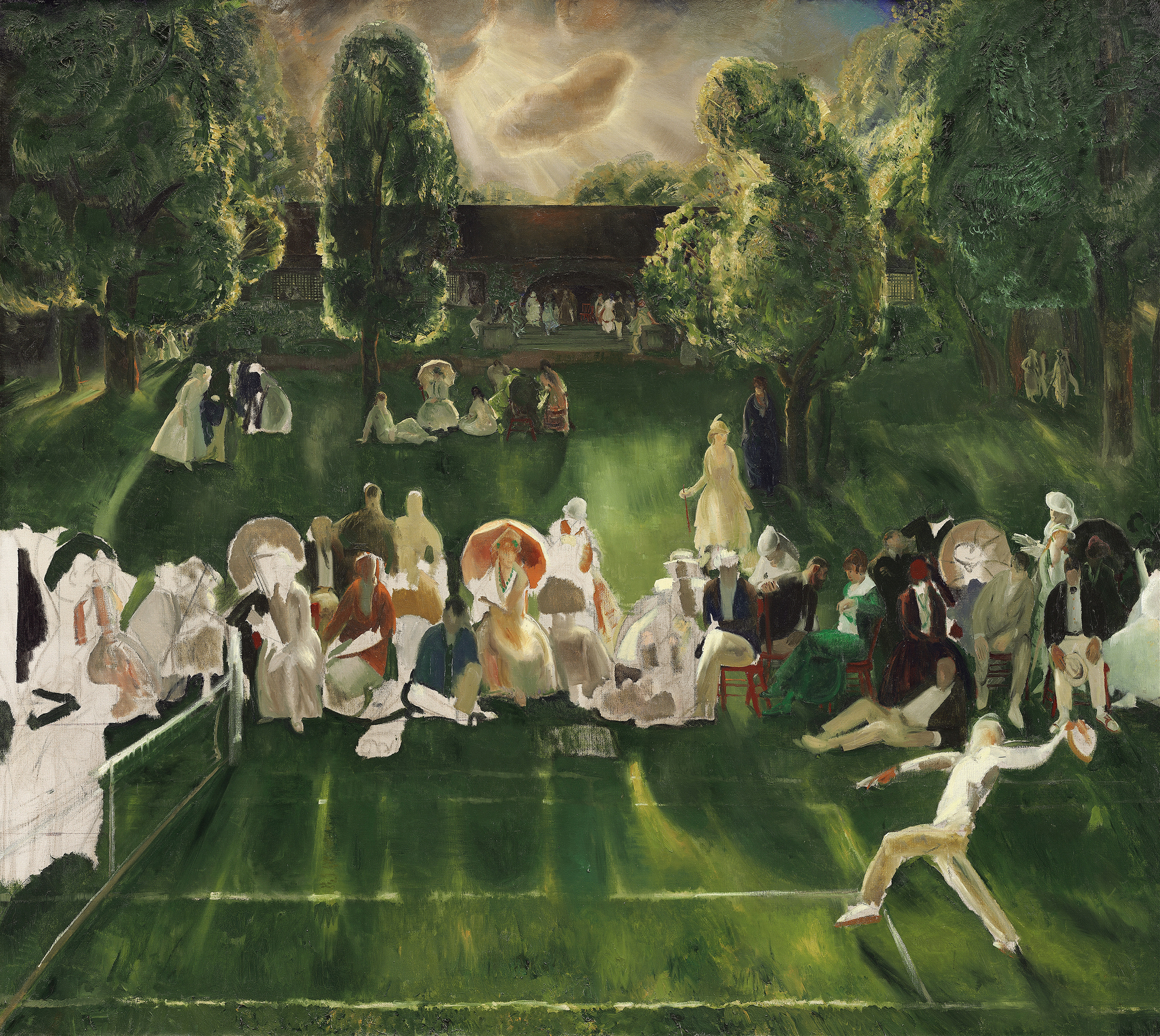
Could a single brushstroke hold eternity? In George Wesley Bellows's New York, the interplay of light and shadow captures the pulse of urban life, allowing us to glimpse the intricate dance of humanity amidst the city's chaos. Focus on the vibrant play of light that spills across the canvas, illuminating figures as they move through the streets. The bold, rapid strokes create a sense of immediacy, directing your gaze to the left where a burst of sunlight casts dramatic highlights on the pedestrians.
Notice how the contrast between the bright highlights and deep shadows evokes a feeling of urgency, while the rich palette of ochres and blues breathes life into the bustling scene. Within this dynamic portrayal lies a deeper commentary on the coexistence of joy and struggle in urban existence. The figures, caught mid-motion, suggest stories untold, each face reflecting a myriad of emotions, from determination to weariness. The bustling street is not merely a backdrop but a character in its own right, symbolizing the relentless energy and complexity of city life in the early 20th century.
Created in 1911, during a period of profound transformation in America, the artist painted New York while residing in Manhattan, where he became deeply influenced by the vigor of the city's working-class neighborhoods. This era marked the height of the Ashcan School, a movement known for its focus on the gritty realism of urban life. Bellows's work, rich in materiality and movement, speaks to the social and cultural changes that defined his time.