Gateway in the Via Sepulcralis in Pompeii — History & Analysis
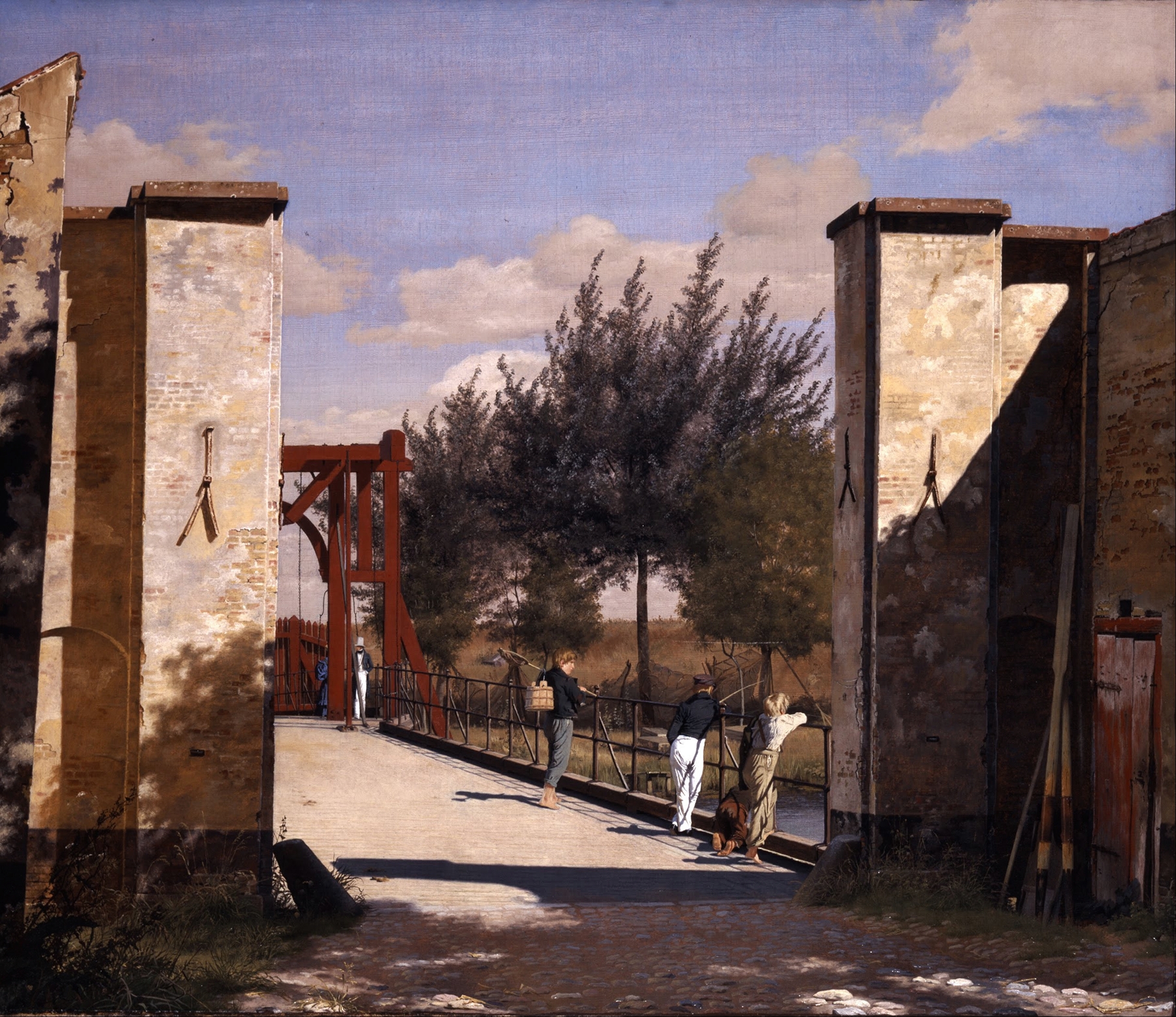
“Every silence here is a confession.” In the stillness of a once-bustling city, the remnants of life lie waiting to be uncovered, whispering tales of rebirth and resilience. Beneath the weight of time, the gateway stands, both a threshold and a memory, inviting the viewer to reflect on what was lost and what may yet arise. Look to the center of the composition, where a weathered archway frames the scene, drawing your eye toward the distant lush greenery beyond. Notice how the soft light filters through the ruins, bathing the textured stone in a gentle glow.
Købke’s deft use of color—muted earth tones punctuated by vibrant greens—creates a palpable sense of depth, allowing the viewer to feel the serene melancholy of a place at once vibrant and desolate. Delve deeper into the contrasts at play; the starkness of the crumbling architecture speaks to the impermanence of human endeavor, while the verdant life beyond promises rejuvenation. Each vine curling around the stones symbolizes nature’s insistence on reclaiming its space, a reminder that even in ruins, there is the potential for renewal. The juxtaposition of man-made structures against the encroaching wilderness evokes a poignant dialogue about legacy and the cyclical nature of existence.
In 1846, Købke painted this work during a period of increasing fascination with antiquity, as archaeological discoveries revealed more about the ancient world. Living in Denmark, he was influenced by Romantic ideals that celebrated nature and the sublime, prompting a search for beauty amidst decay. This piece reflects not only his artistic sensibilities but also the broader cultural context of rediscovering history through art, inviting viewers to consider the enduring spirit of places long forgotten.