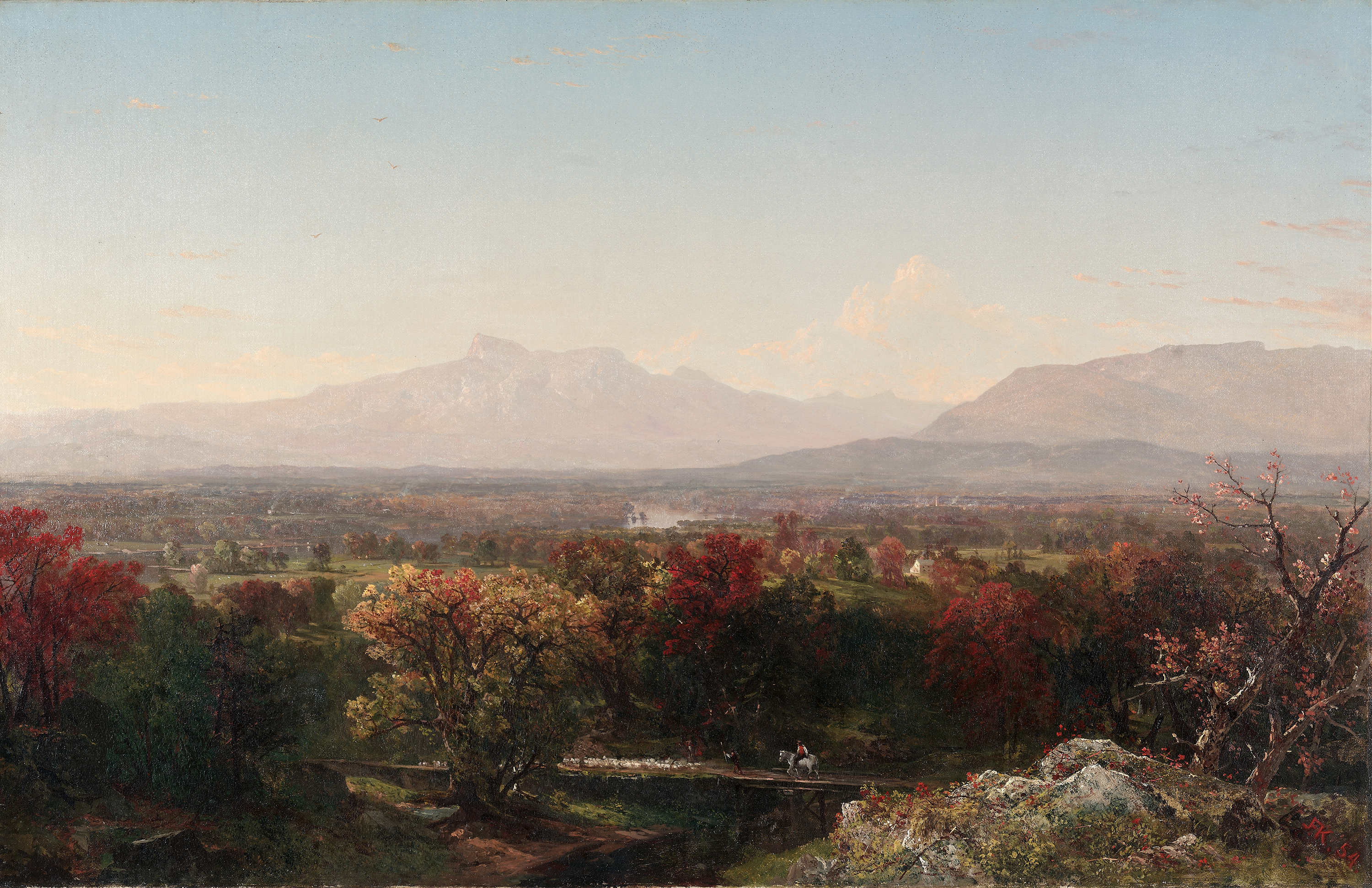
Gathering Storm on Long Island Sound — History & Analysis
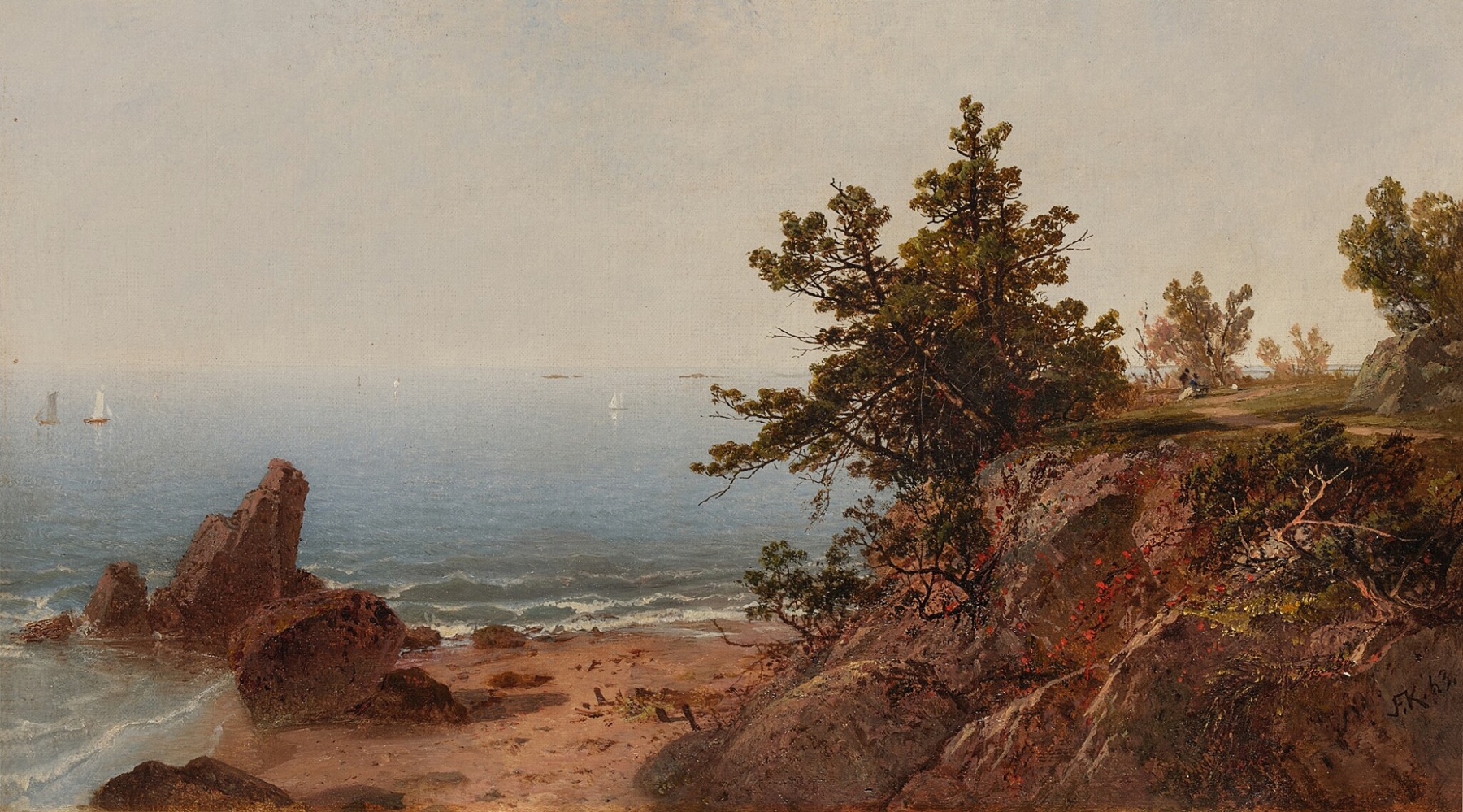
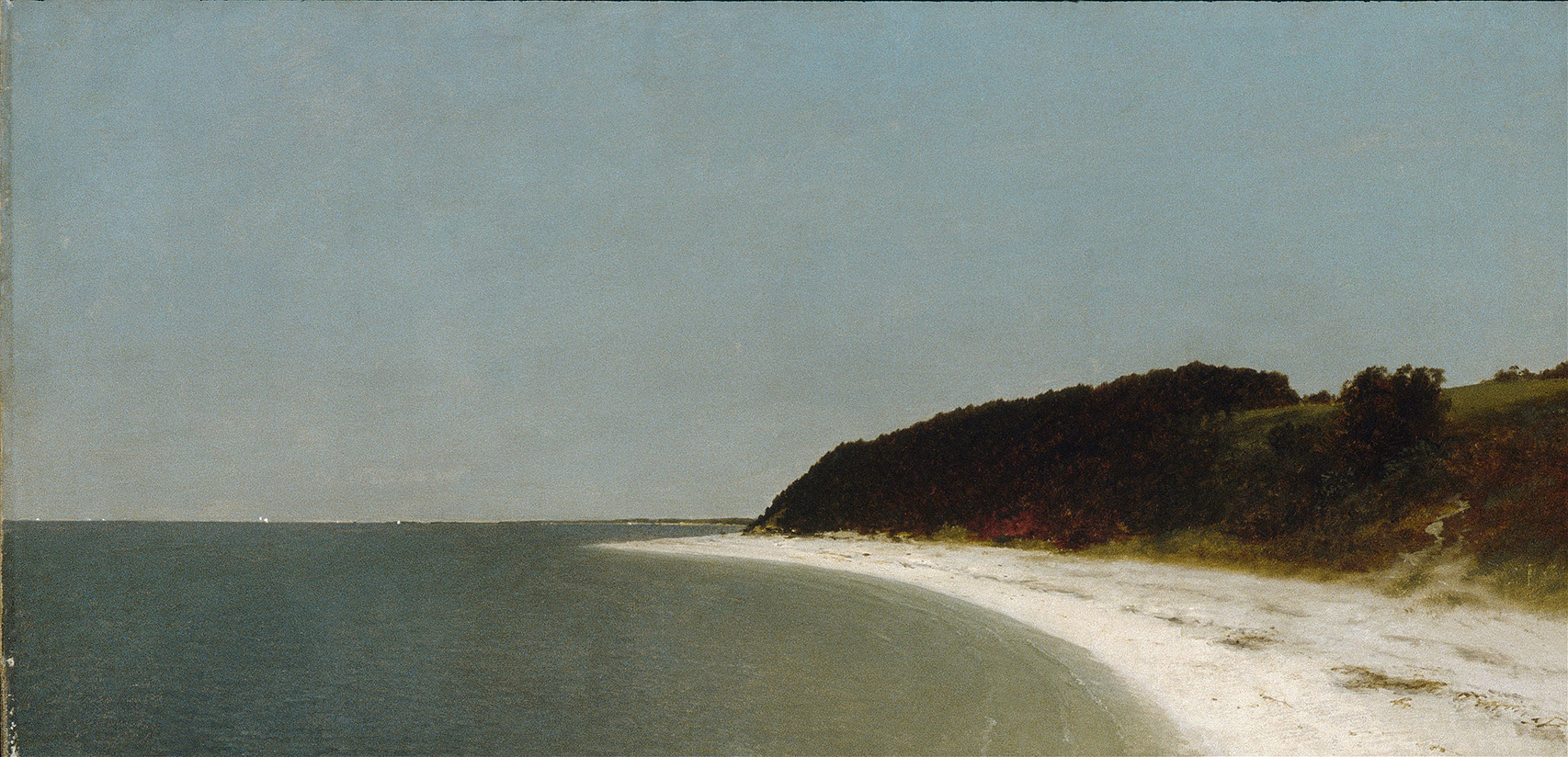
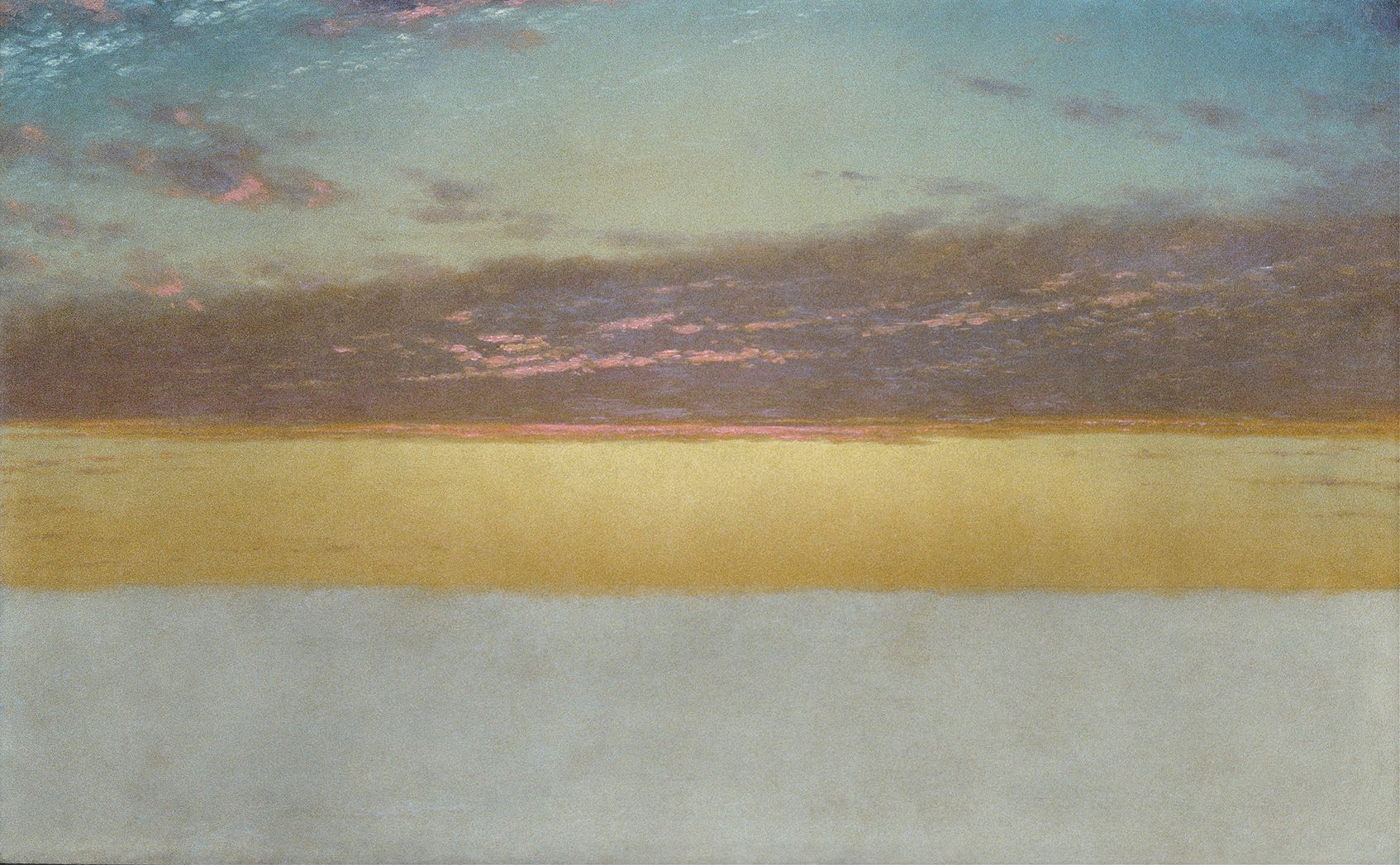
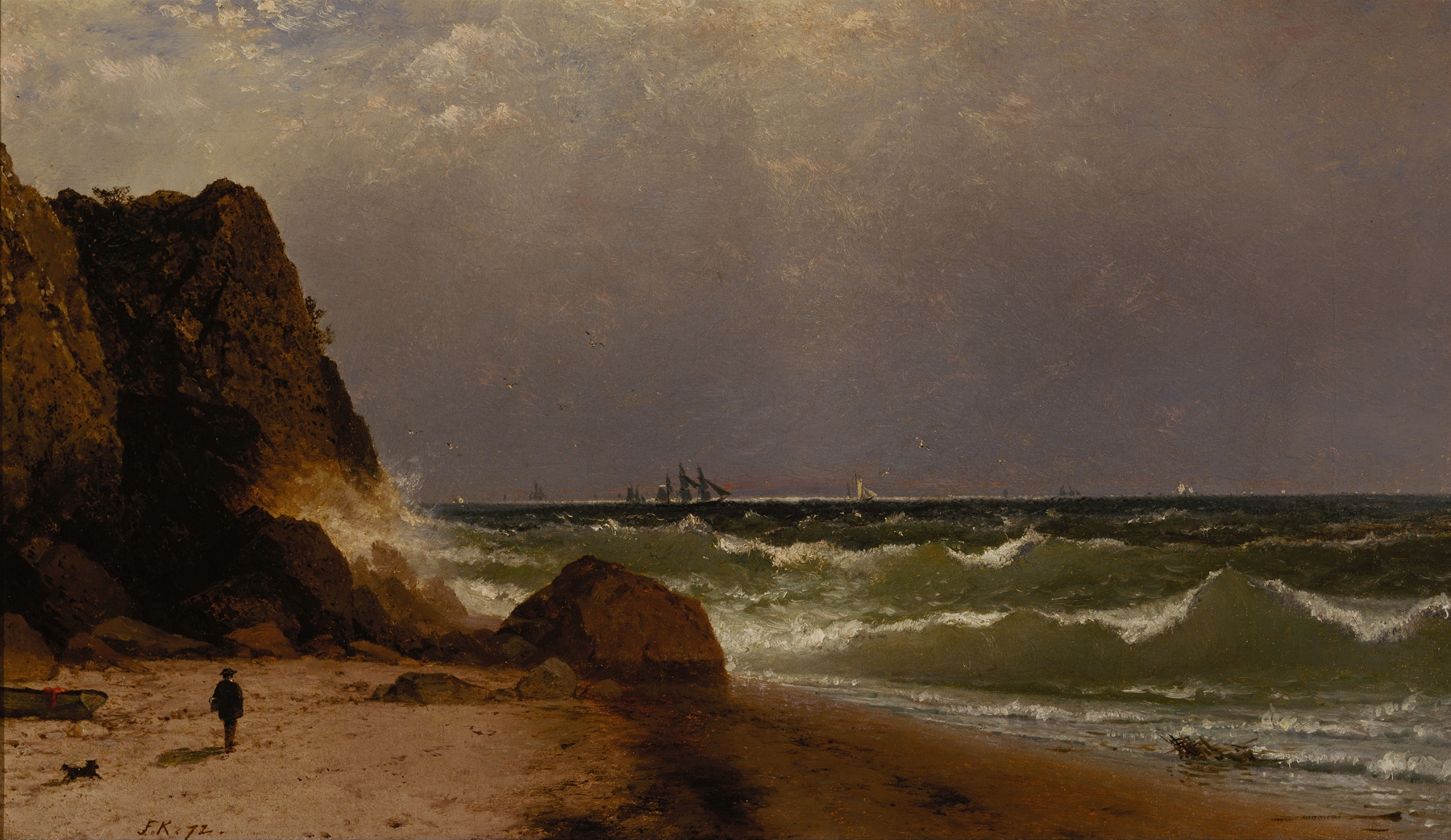
What if beauty was never meant to be finished? In Gathering Storm on Long Island Sound, the tumultuous sky swells with a sense of impending chaos, inviting the viewer to linger in a moment that feels both complete and yet perpetually on the brink of change. Look to the horizon, where dark, rolling clouds loom, their weighty presence commanding attention. The artist’s deft brushwork captures the swirling movement of the storm as it gains momentum, casting shadows over the churning waters below.
Notice how the delicate interplay of light and dark creates a dramatic tension, with sunlit patches illuminating the waves, hinting at the beauty found even amidst turmoil. The palette, dominated by moody blues and grays, evokes a sense of urgency, as if nature itself is holding its breath. Within this scene, the looming storm symbolizes the duality of nature—its destructive potential and its sublime beauty. The waves, restless and undulating, reflect a restless spirit, while the patches of sunlight represent hope and the fleeting moments of peace in life’s turbulent journey.
This striking contrast compels the viewer to confront their own emotions, encapsulating the obsession with nature’s unpredictability and grandeur. In 1872, John Frederick Kensett was immersed in the Hudson River School movement, painting from his studio in Connecticut. This period of his life was marked by a deepening engagement with natural landscapes and a pursuit of capturing atmospheric effects. During this time, the United States was experiencing rapid industrialization, which likely fueled Kensett’s reverence for untouched beauty, as he sought solace in the raw, majestic power of the natural world.