Gezicht op Dover Castle — History & Analysis
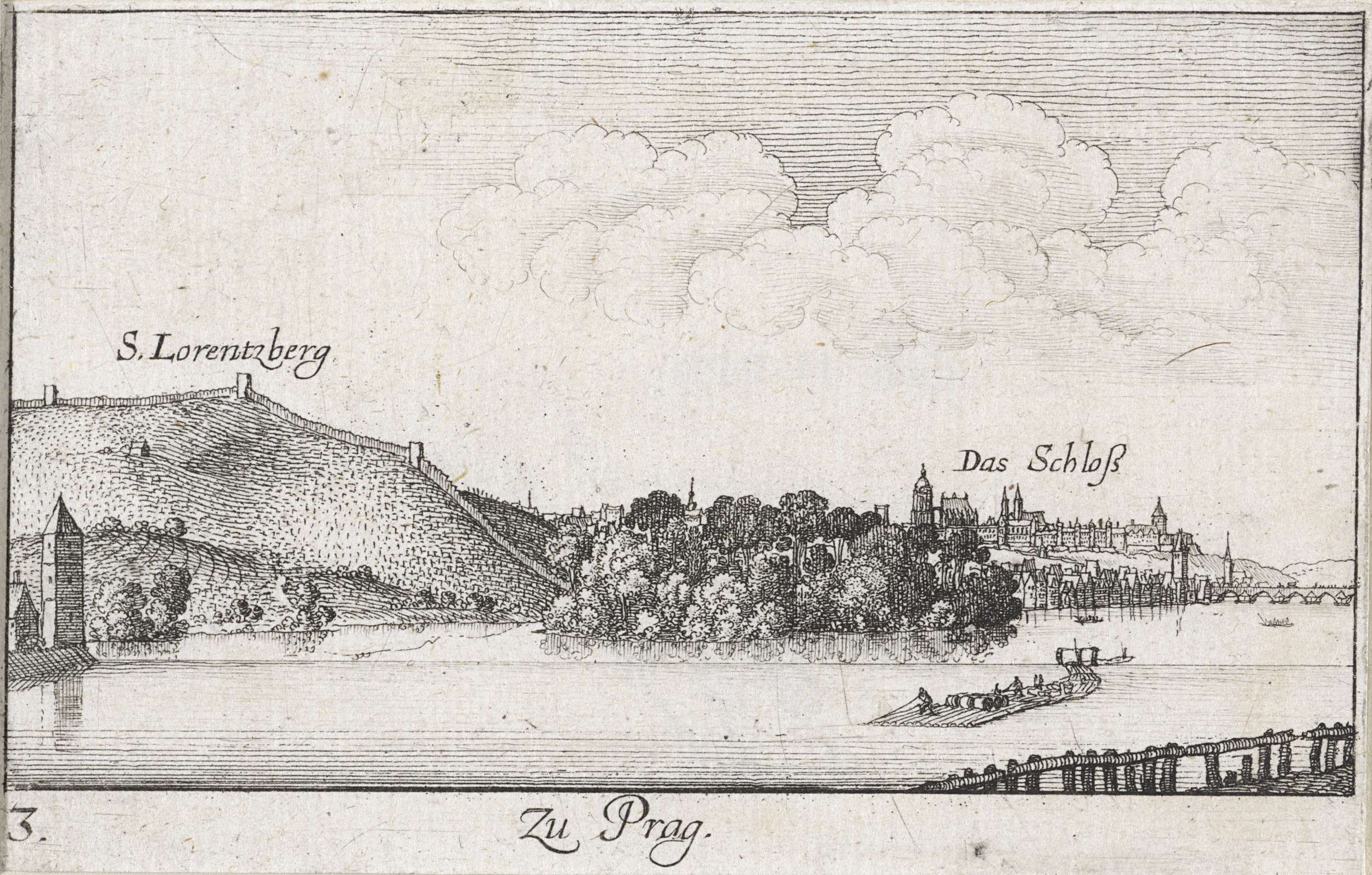
“Under the brush, chaos becomes grace.” In the hands of Wenceslaus Hollar, the tumult of a world riddled with conflict transforms into serene landscapes that beckon at the edges of violence. Here, the clash of history and nature unfolds quietly. Look to the foreground where the soft contours of the land cradle the ancient silhouette of Dover Castle, its battlements rising against the horizon like silent sentinels. The earthy tones of ochre and green envelop the scene, while wisps of clouds loom overhead, casting delicate shadows that dance upon the ground. The meticulous cross-hatching technique reveals a textural richness, drawing the eye toward the intricate details of the castle’s architecture, where each line whispers stories of both defense and grandeur. Yet, amid this tranquil representation lies an undercurrent of tension. The castle, a symbol of protection, stands in stark contrast to the historical violence it has witnessed; its walls have seen sieges and battles, evoking a duality of safety and peril. The swirling clouds mirror this discord, suggesting that peace and conflict are two sides of the same coin, forever entwined in the landscape of human experience. Hollar’s delicate balance of light and shadow amplifies this emotional resonance, hinting at the fragility of serenity in the face of turmoil. During the mid-17th century, Hollar created this work in England while witnessing the aftermath of the English Civil War. As political turmoil simmered, and artistic movements began to shift, he adeptly navigated his role as a printmaker and illustrator, capturing both the beauty and underlying strife of his surroundings. This painting emerges not only as a portrayal of a physical site but as a poignant reflection of the artist’s context—one where the harmony of landscape and the specter of violence coexisted.