Gezicht op het Oude Loo — History & Analysis
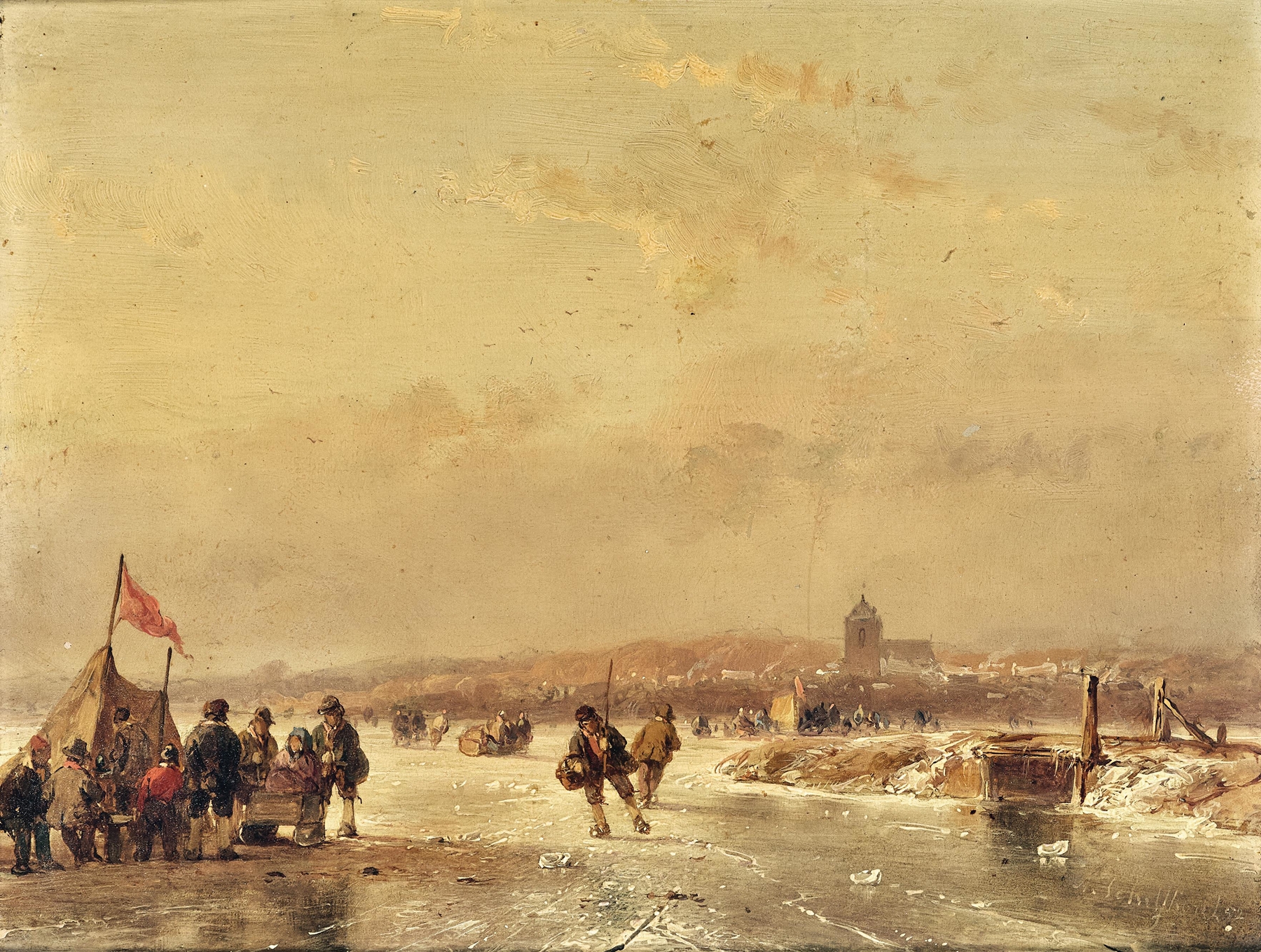
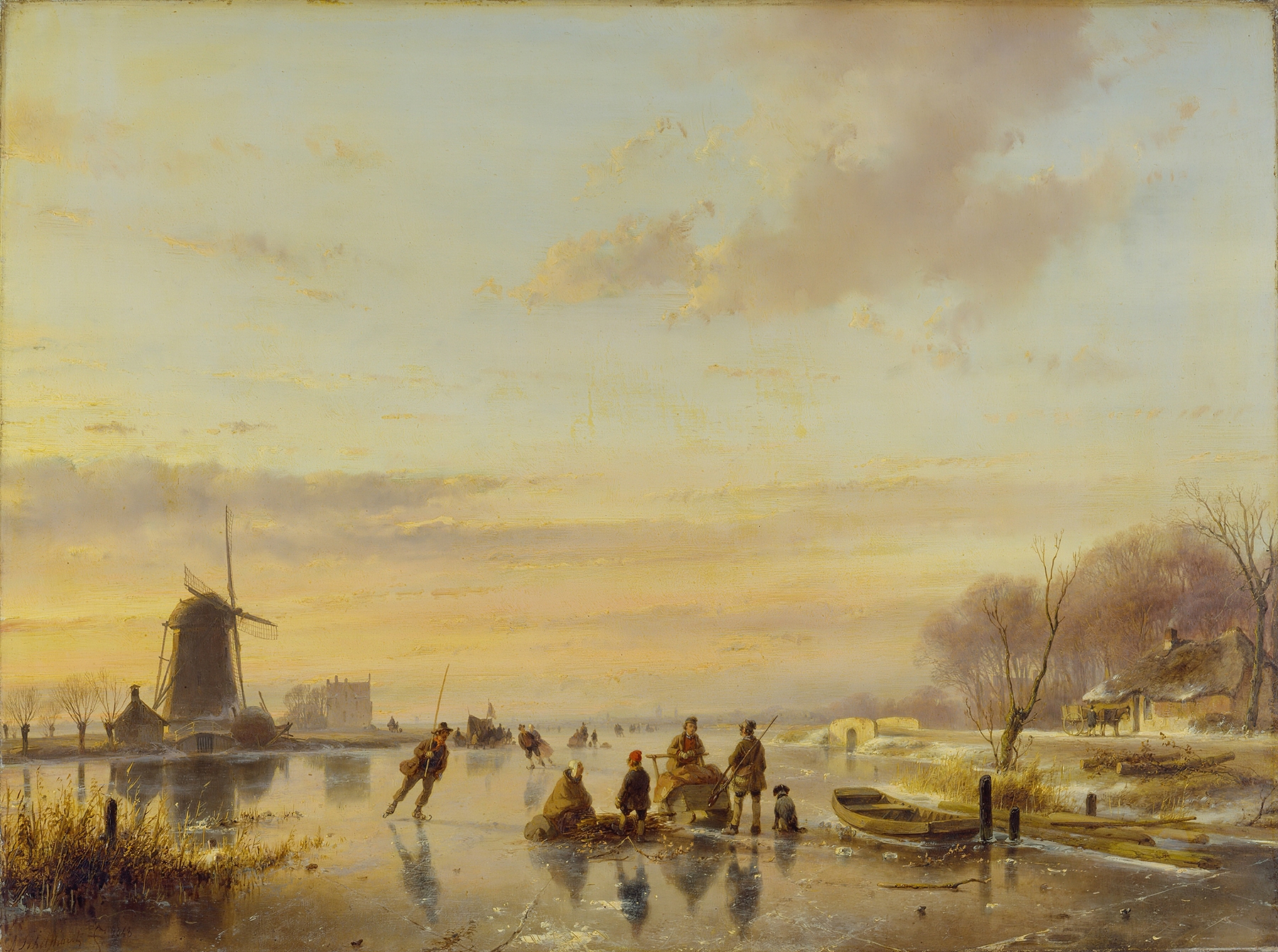
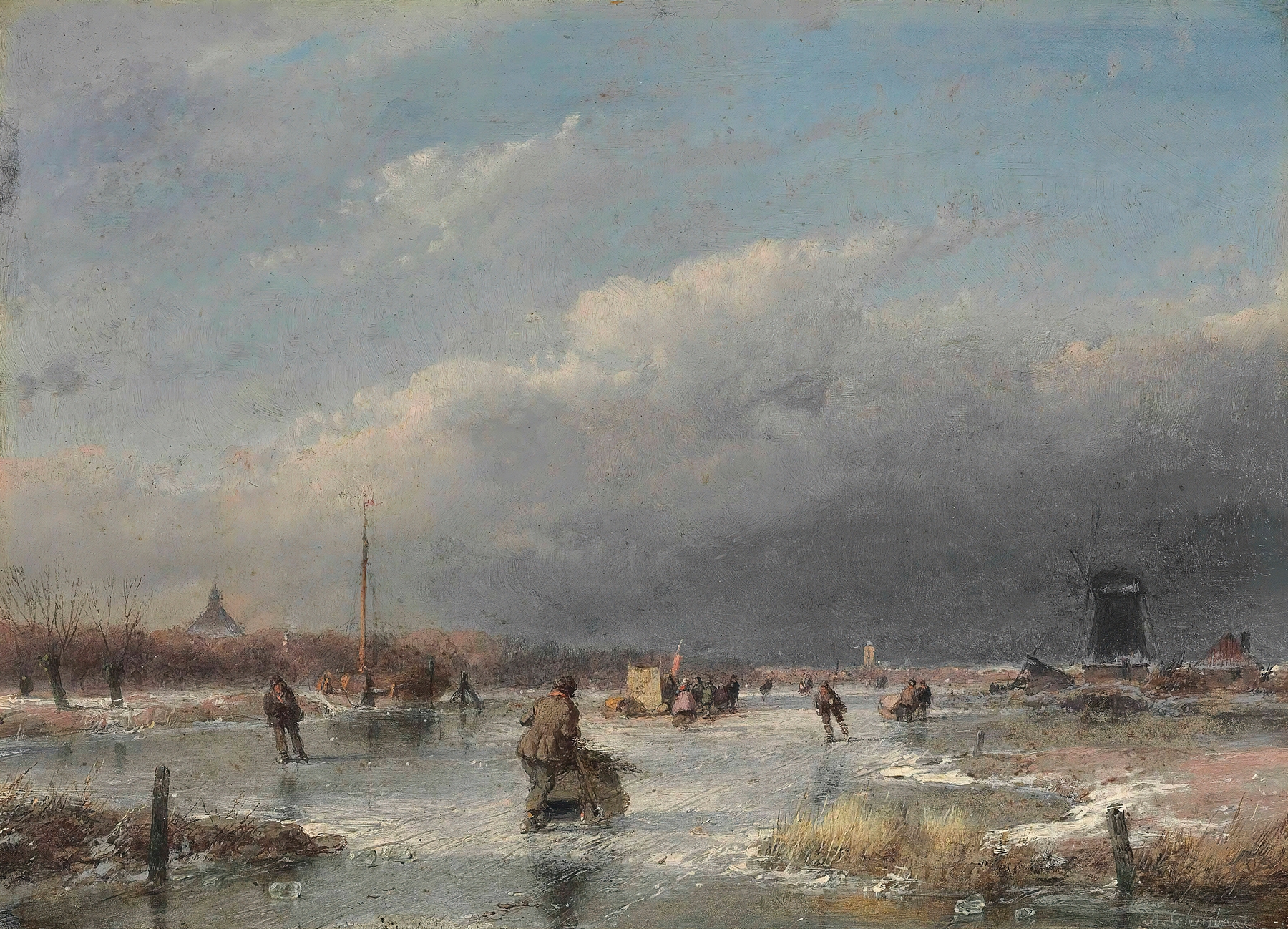
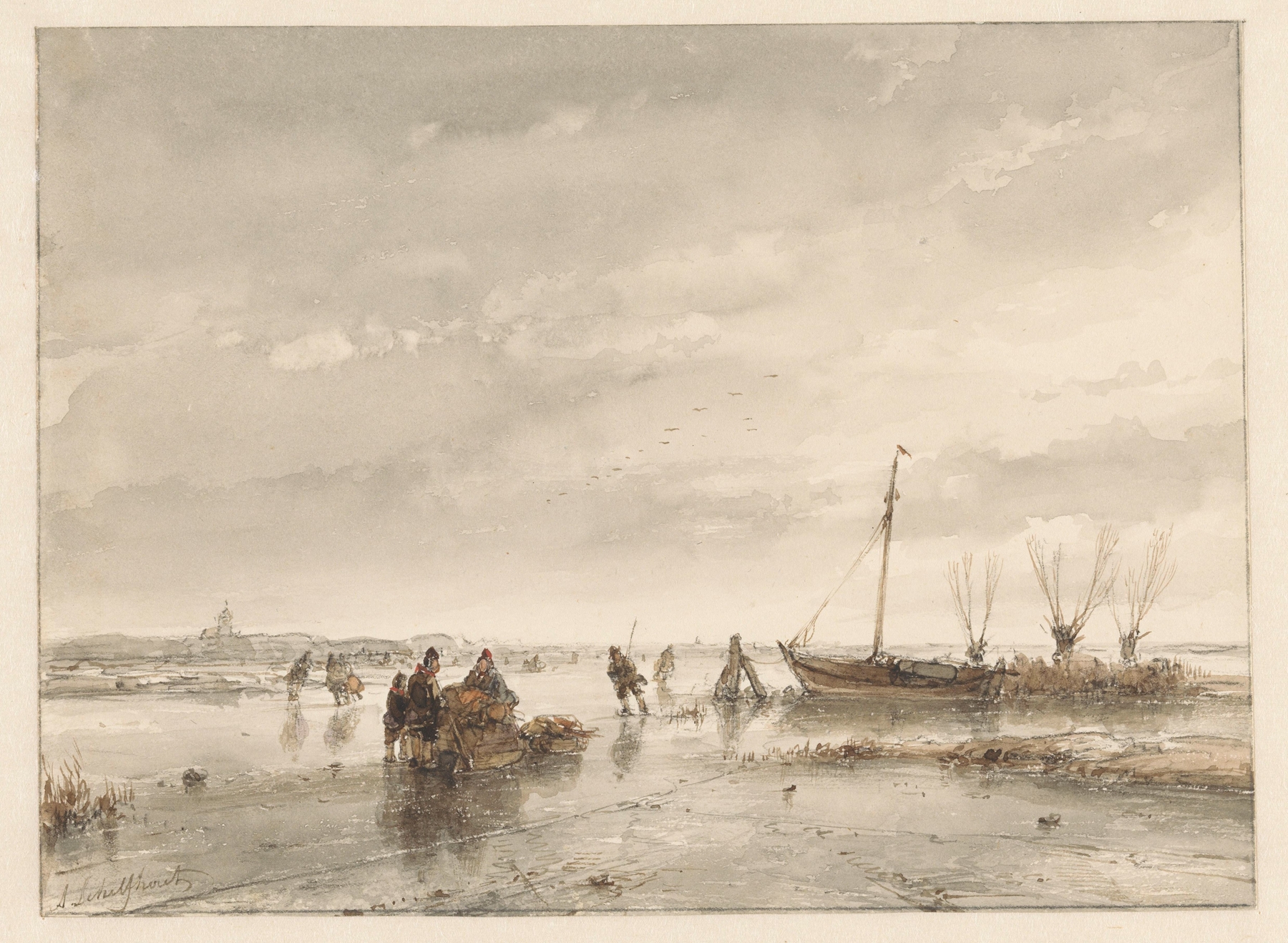
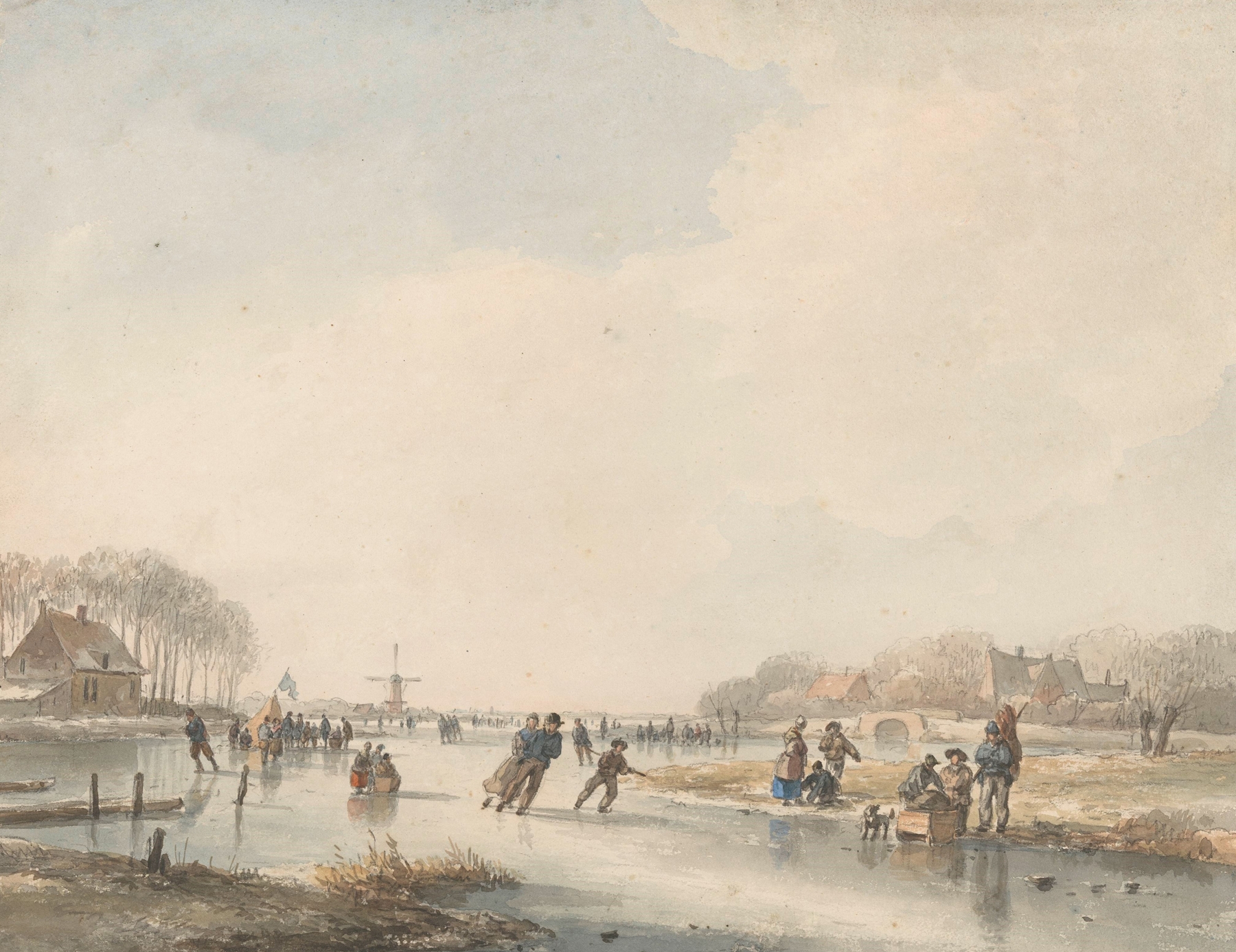
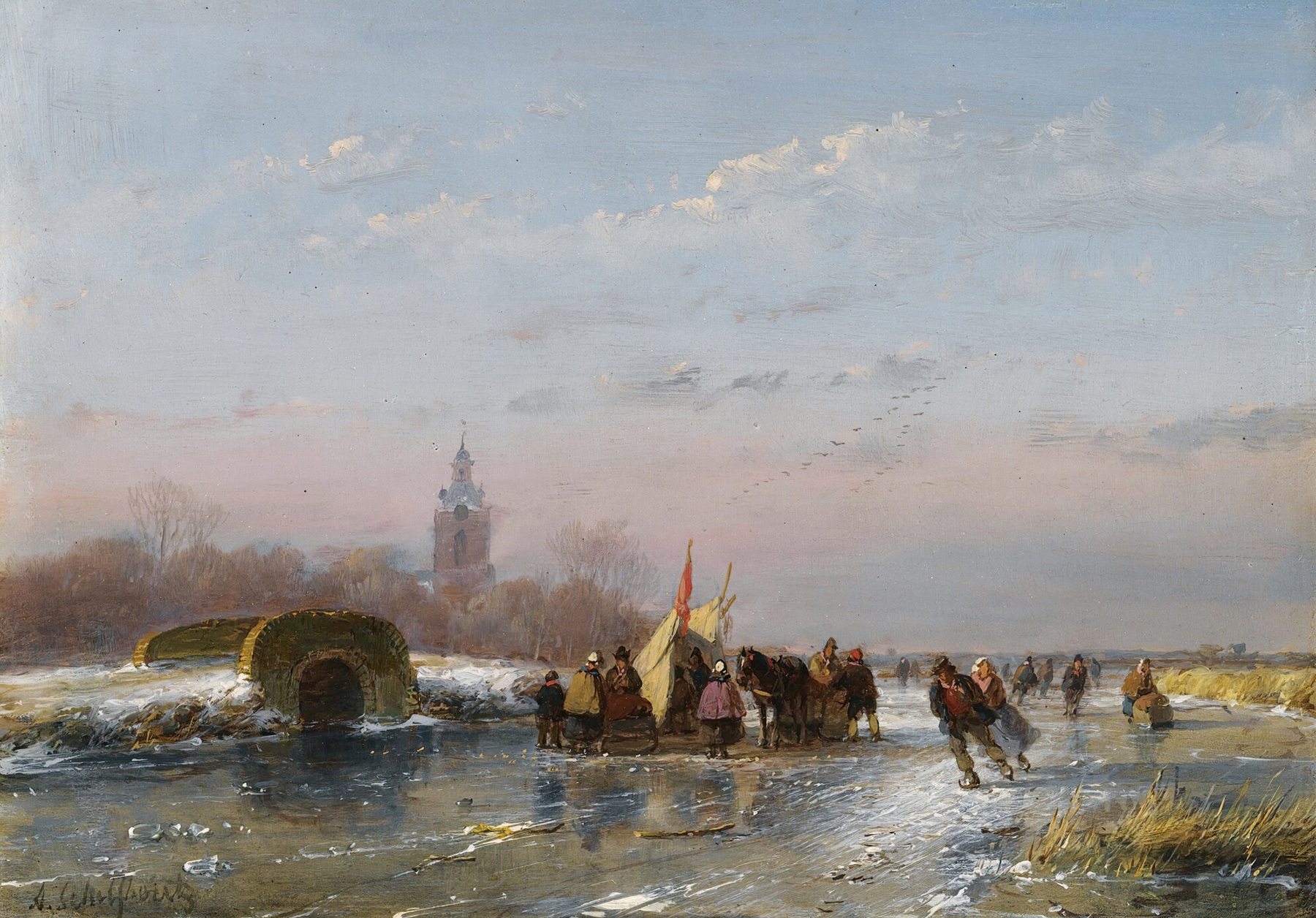
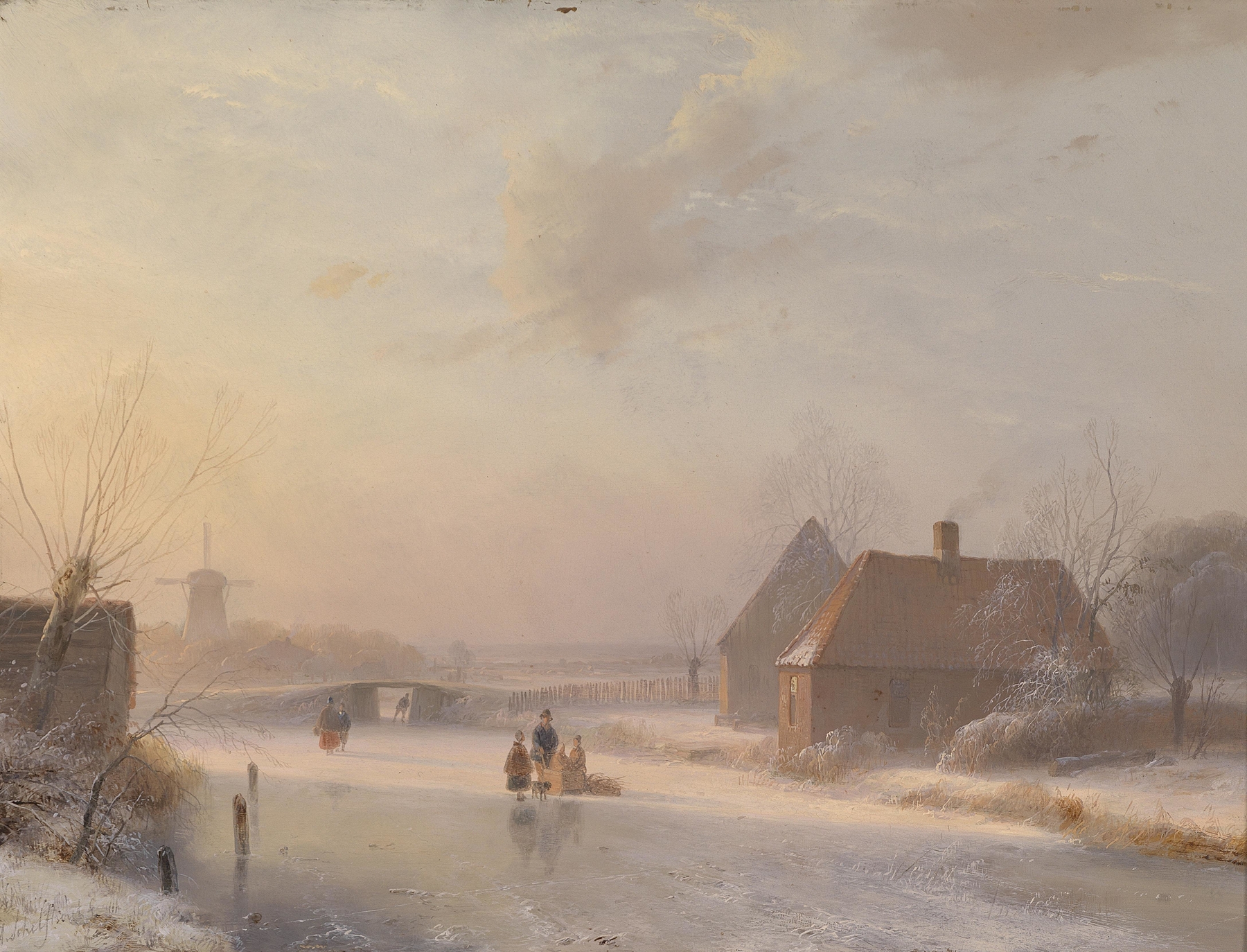
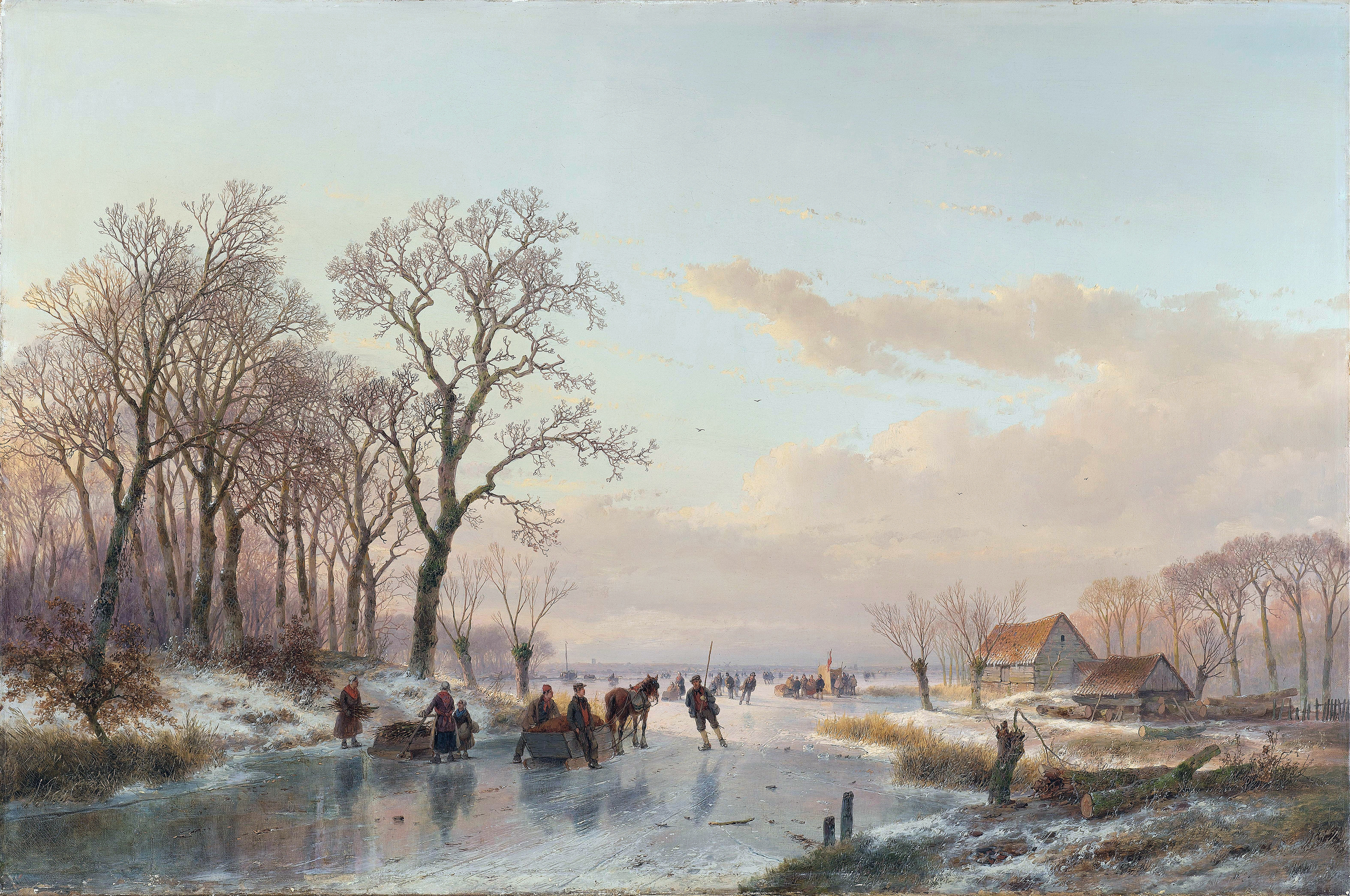
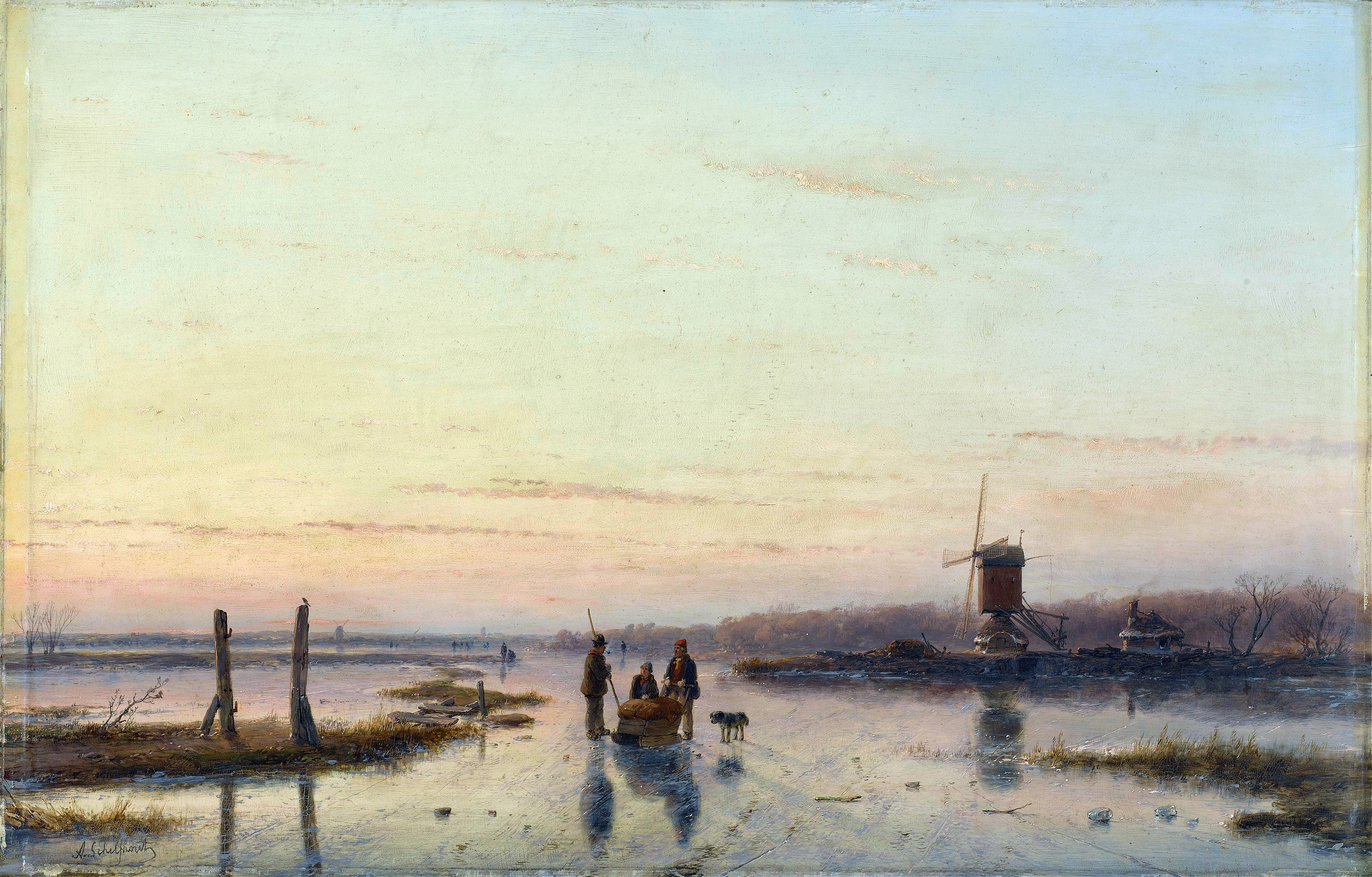
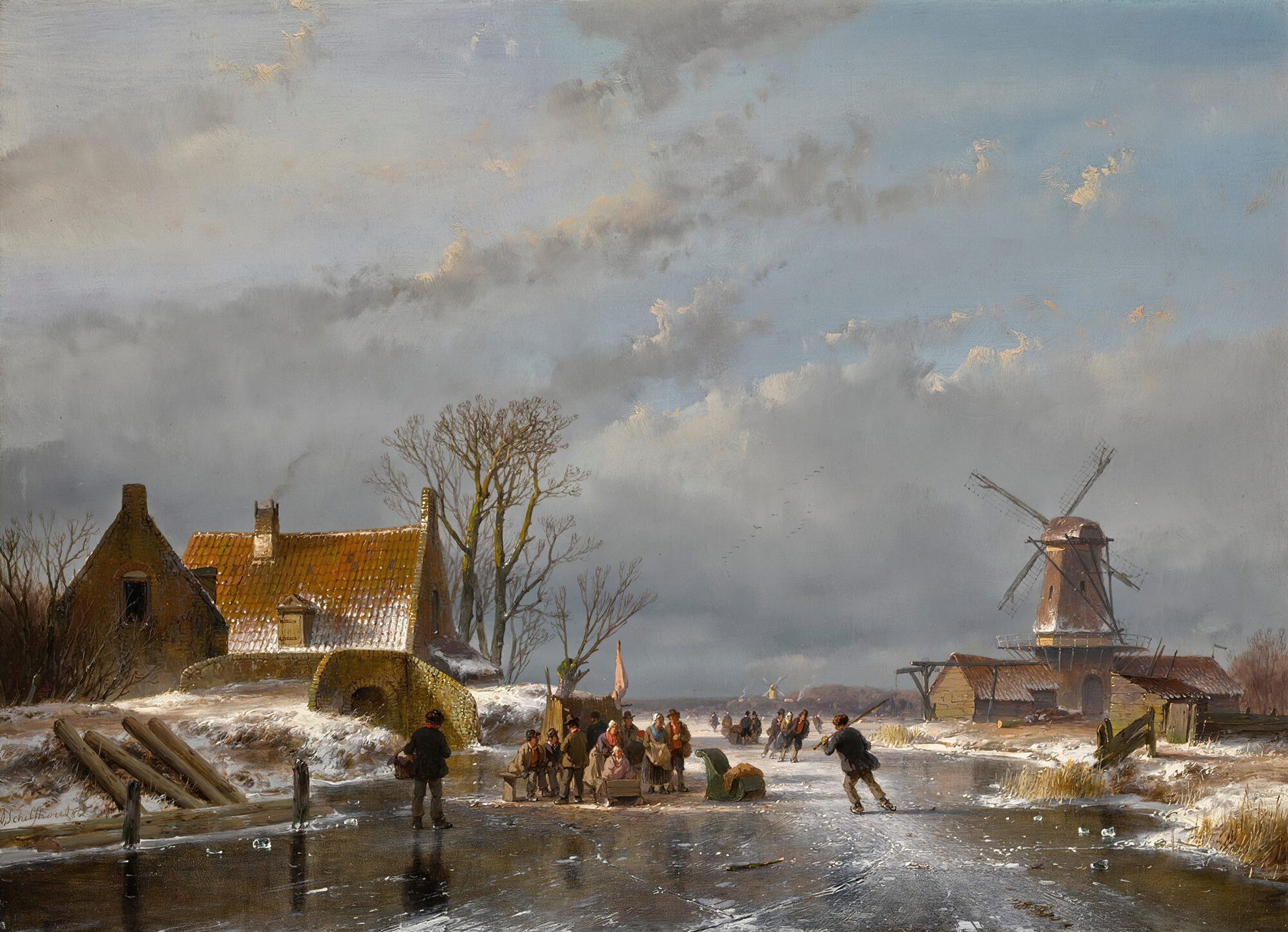
“Under the brush, chaos becomes grace.” Each stroke of paint captures the delicate dance between ecstasy and tranquility, inviting the viewer into a world where nature breathes with life. Look to the foreground, where a serene pond reflects the fragmented colors of a fading sky. The subtle interplay of greens and blues creates a harmonious backdrop, while hints of warm orange emerge like whispers of sunset. Notice how the gentle ripples on the water’s surface capture the last light of day, drawing your gaze deeper into the composition’s tranquil embrace.
As you explore further, observe the figures adorned in 19th-century attire, their interactions hinting at stories untold. The lush greenery surrounding them serves as a contrast to their stillness, suggesting a moment suspended in time. The idyllic landscape, punctuated by the distant silhouette of a stately building, encapsulates a sense of longing and connection—a reminder of the ecstasy found in fleeting moments of harmony between humanity and nature.
Andreas Schelfhout painted Gezicht op het Oude Loo during the mid-19th century, a period marked by his deep engagement with the Dutch landscape and Romantic ideals. Living in the Netherlands, he was influenced by the changing tides of art, transitioning from neoclassicism to a more emotional and expressive style. This piece reflects Schelfhout’s mastery of light and atmosphere, grounding his work in both the beauty of his surroundings and the burgeoning movement that sought to evoke deeper feelings through art.