Gezicht op Lausanne II — History & Analysis
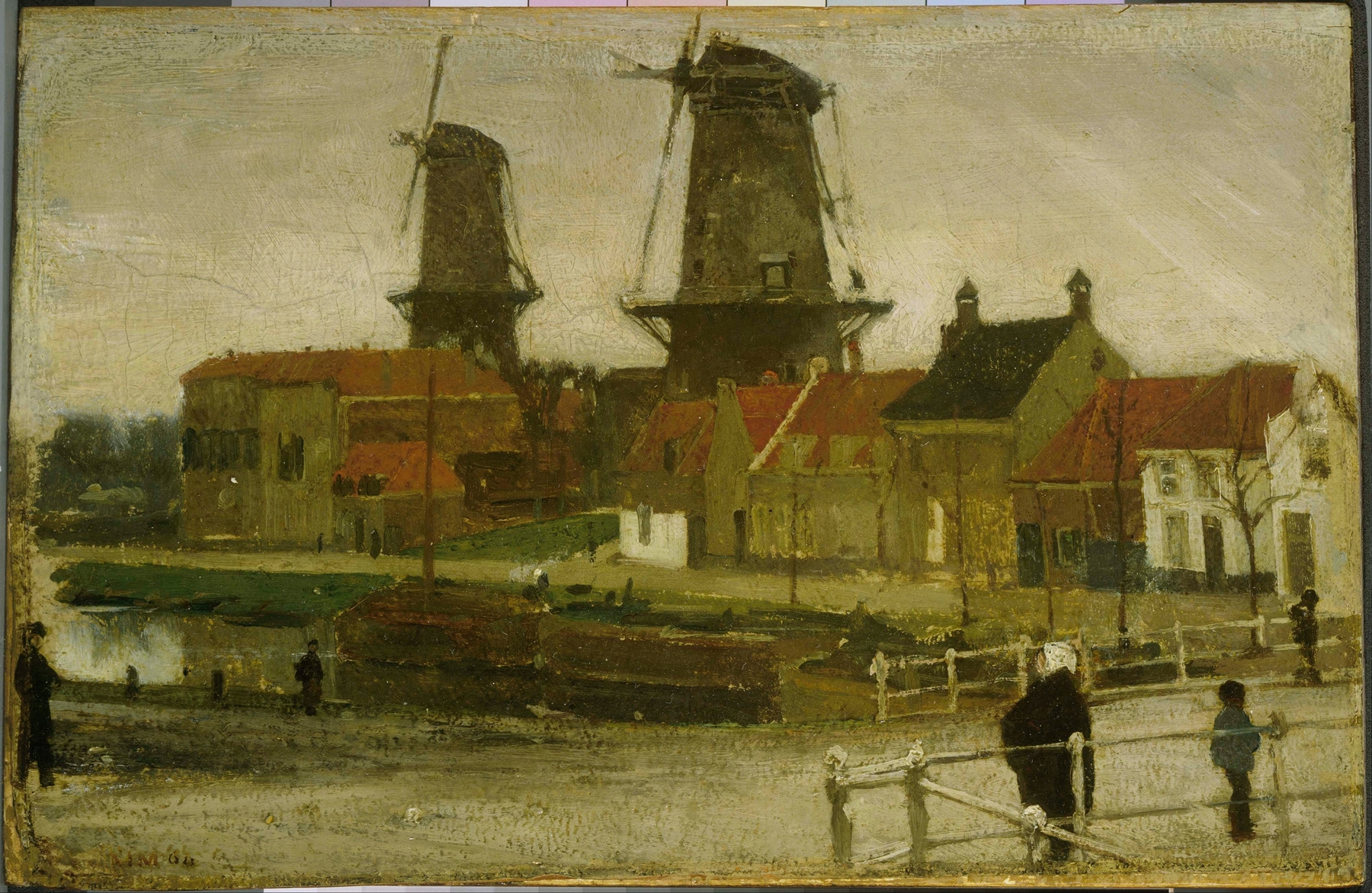
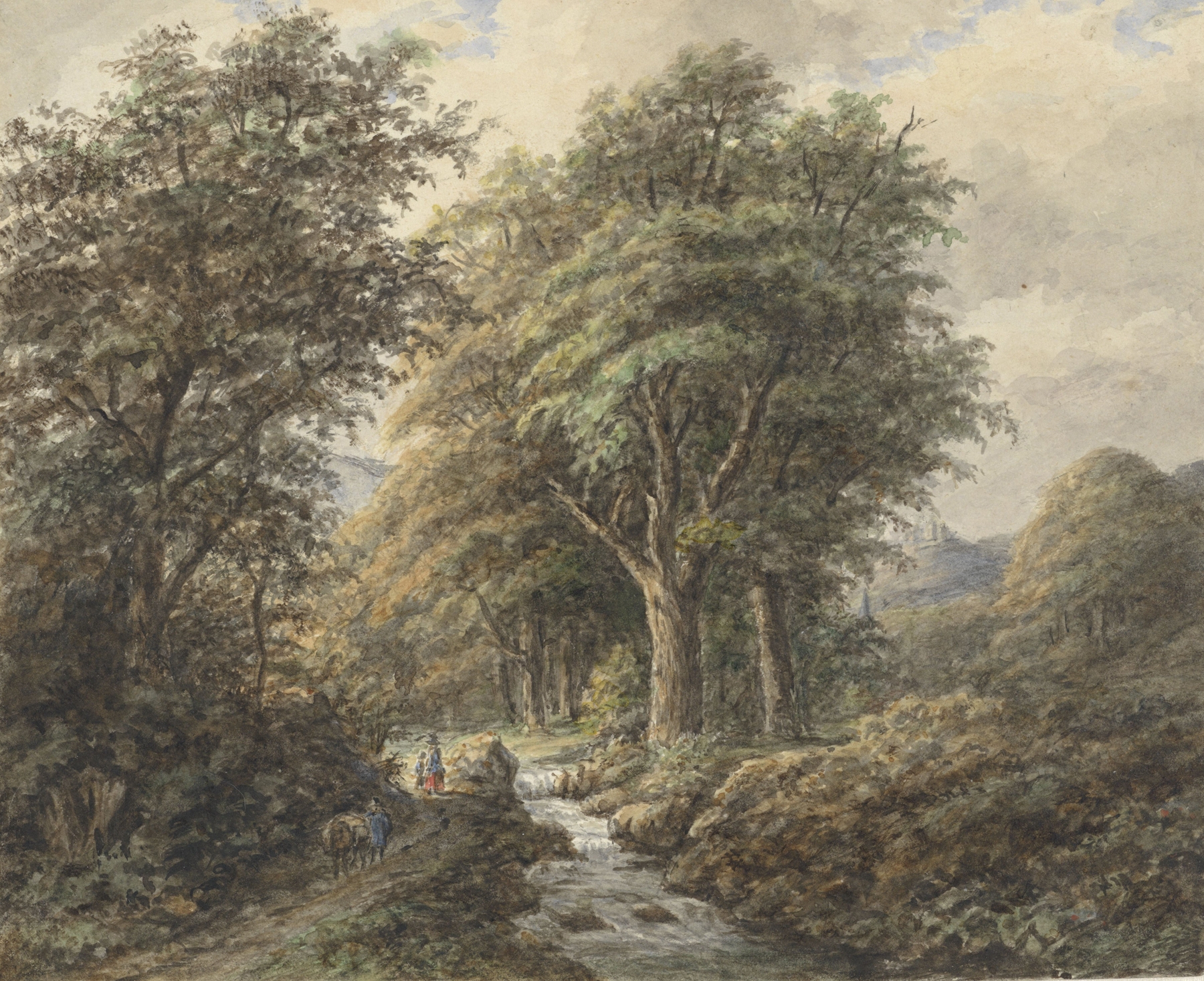
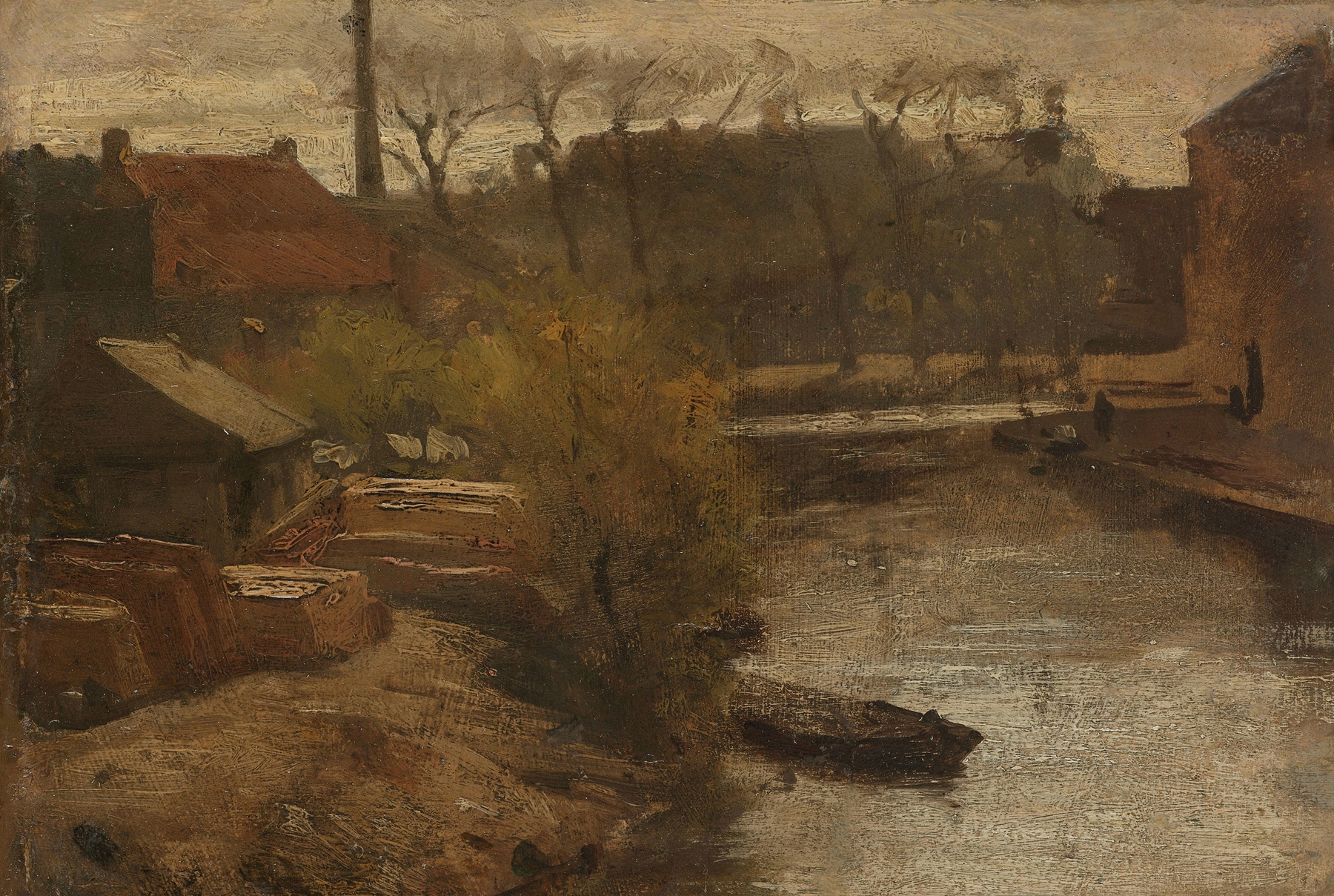
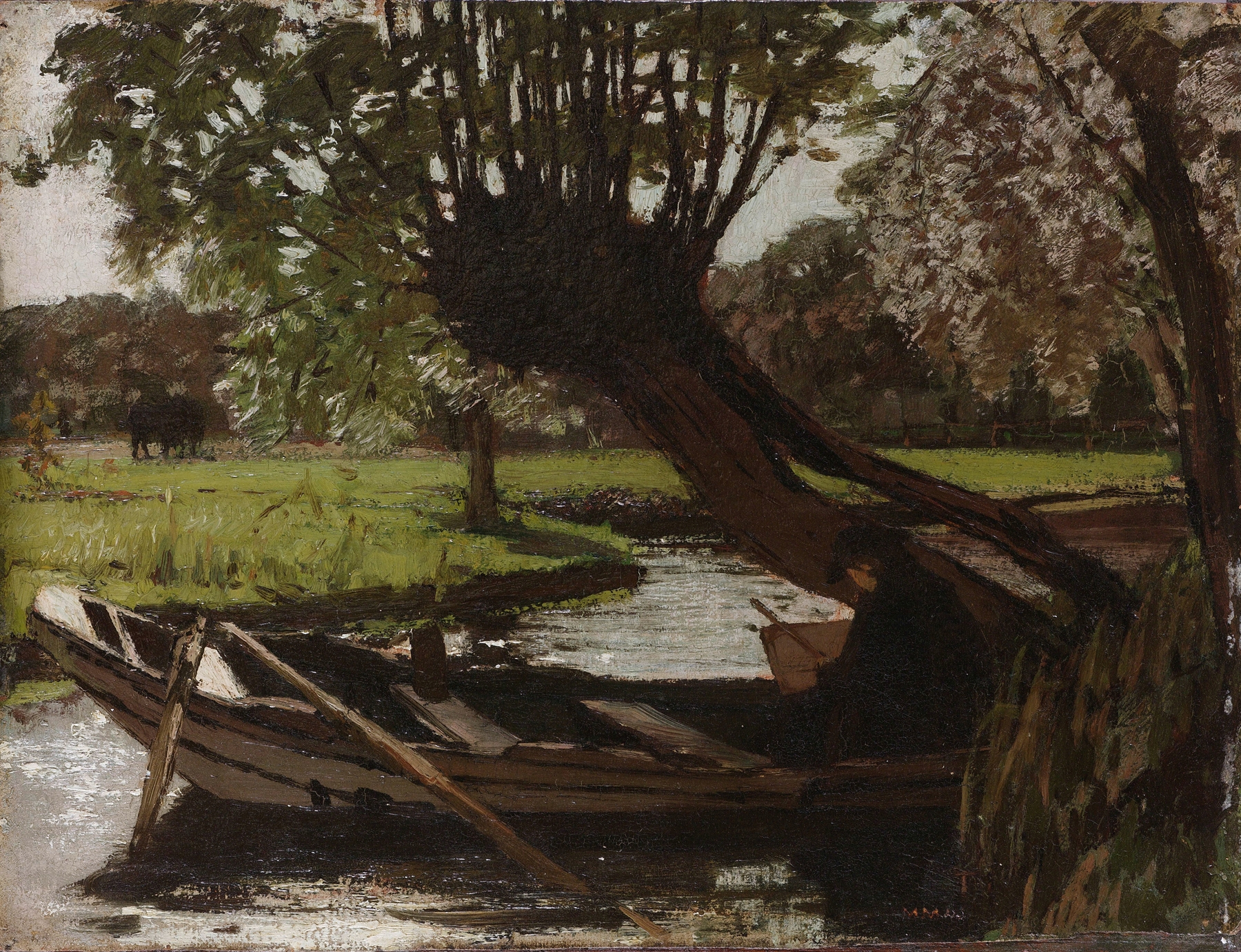
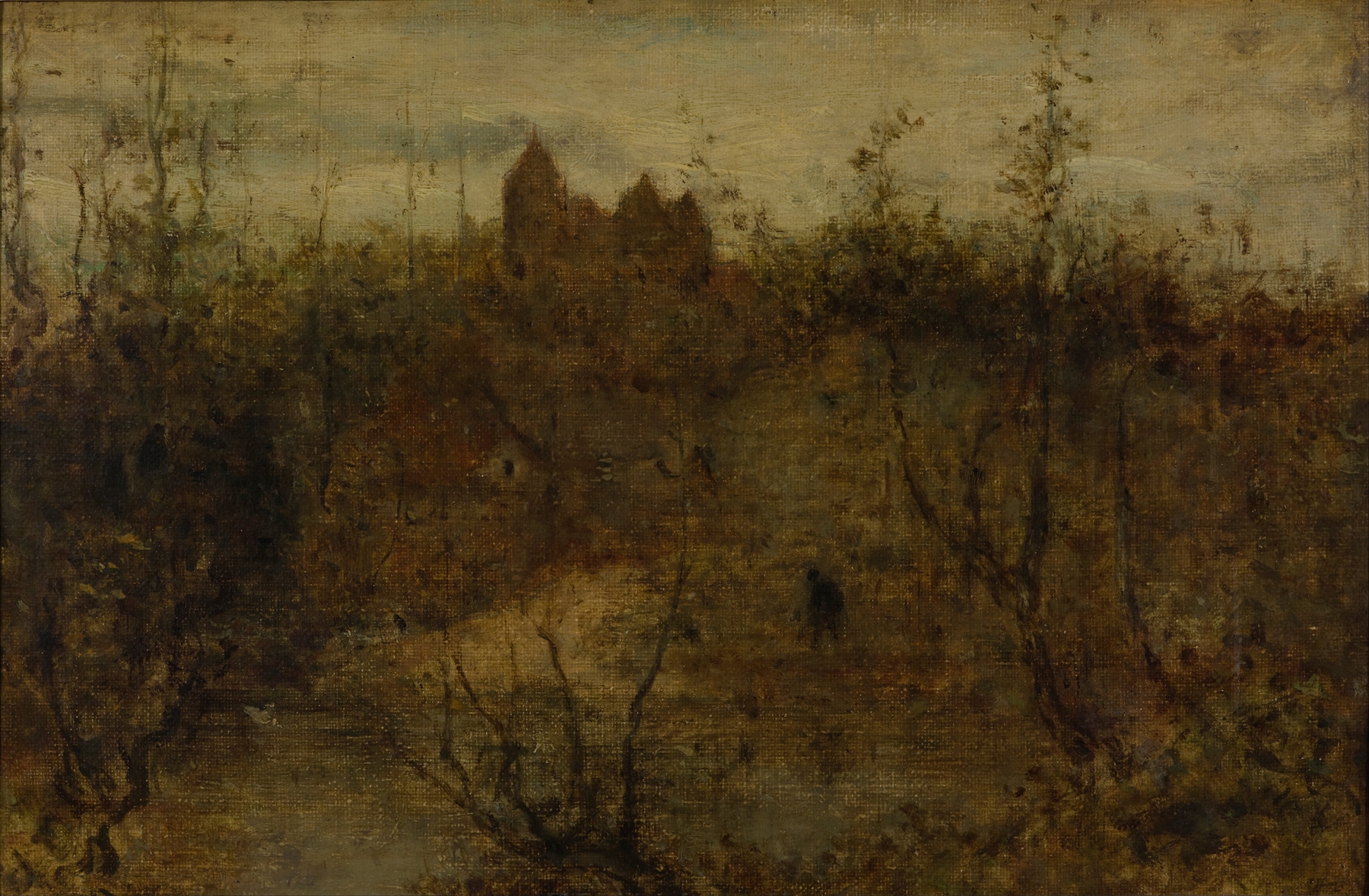
“Under the brush, chaos becomes grace.” In Gezicht op Lausanne II, the artist captures a moment of awakening, where the harmonious interplay of nature and urban life evokes a sense of possibility and renewal. Look to the left at the gentle outline of the distant mountains, their soft blues melting into the warm hues of the setting sun. Notice how the strokes of paint convey movement in the sky, swirling clouds reflecting the light in a delicate play of subtle pastels. The foreground, with its quiet figures and the town’s silhouette, invites the eye to dance across the canvas, while the color palette—as soft as a whisper—unravels layers of emotion, guiding us into a tranquil reverie.
Within this landscape, hidden contrasts emerge: the vibrancy of life against the stillness of the scene, the fleeting moment juxtaposed with the eternal presence of nature. The characters caught in their daily routines appear almost ghostlike, suggesting both the transience of human experience and the permanence of the natural world that surrounds them. This tension speaks to a deeper yearning for connection and understanding, as if the landscape itself is awakening alongside the inhabitants.
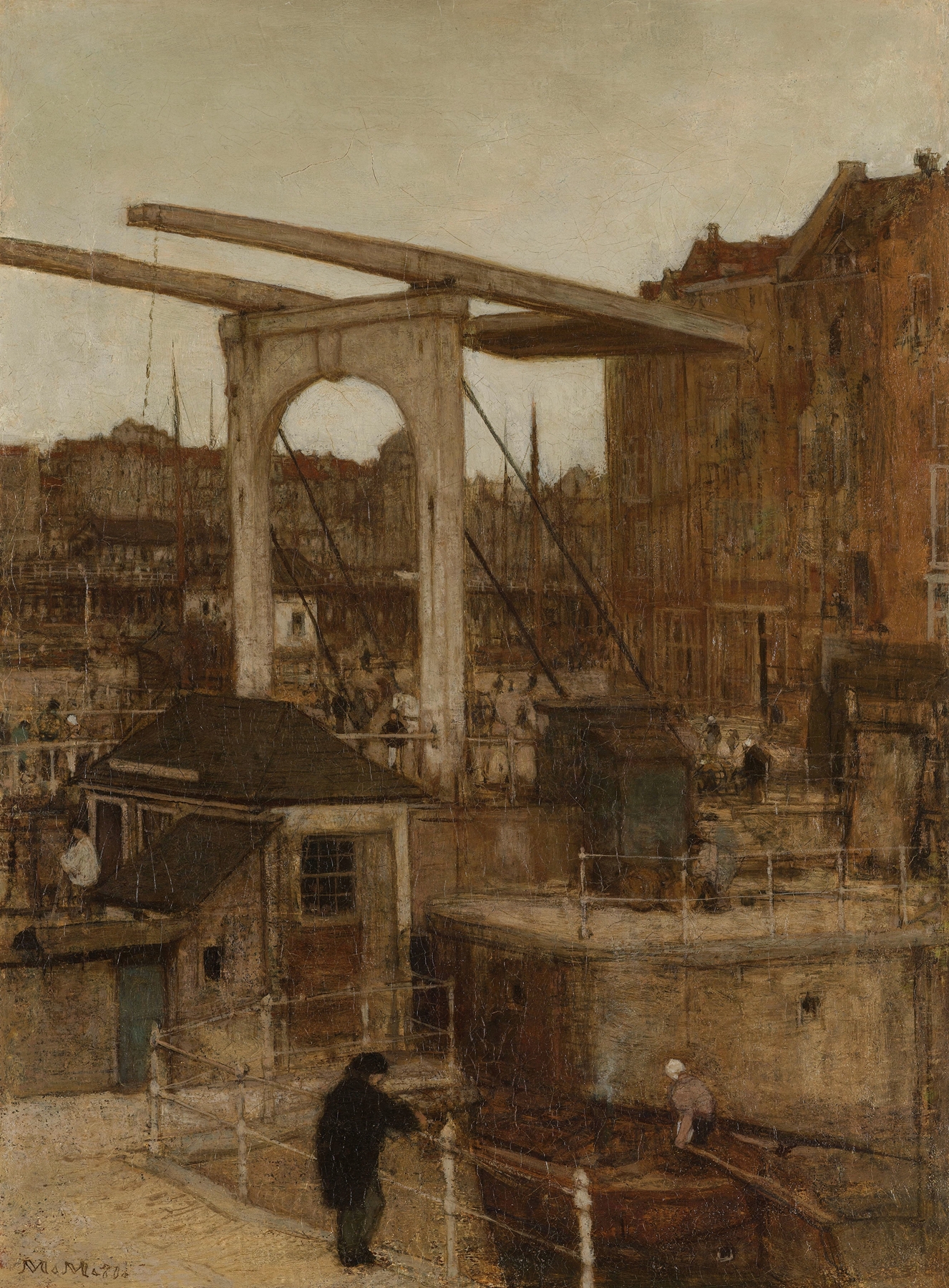
Created between 1861 and 1862, this piece reflects Matthijs Maris's exploration of realism in the art world of his time, marked by a quiet introspection. Living in the Netherlands but inspired by his travels, Maris was capturing the essence of transitional moments, embodying the shift towards a more expressive use of color and light. His work came at a time when artists were increasingly drawing on personal emotions and the sublime qualities of nature, positioning him as a significant figure in the realm of Romanticism.